



Antique English Fireside Seating
Antique English fireside seating gathers low armchairs, sturdy windsors and high-backed settles built to sit close to the hearth.
Antique English Fireside Seating
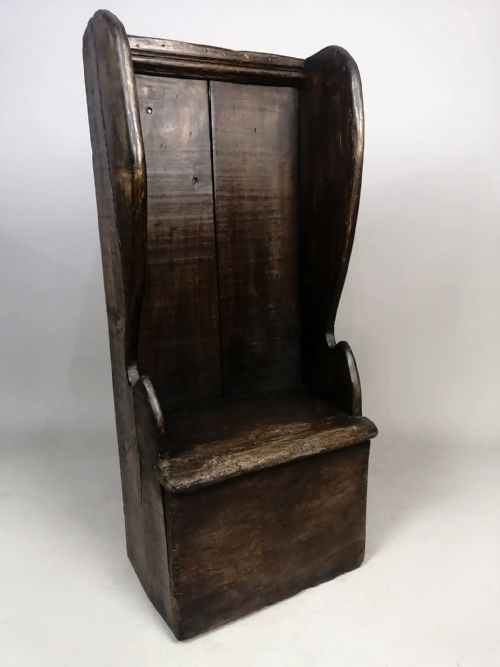
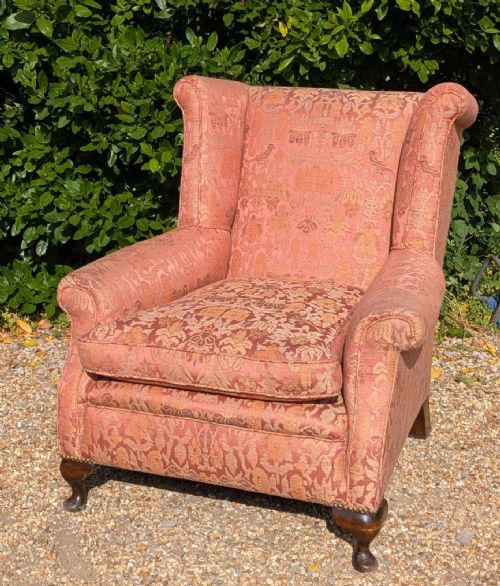
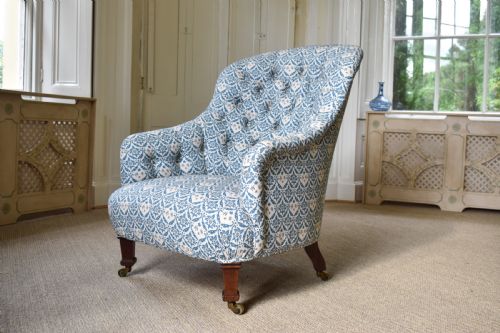
Antique English fireside seating encompasses low armchairs, sturdy windsors, settles, and club chairs designed for warmth and comfort by the hearth. The selection draws primarily from nineteenth-century vernacular and Victorian country house traditions, alongside earlier eighteenth-century examples.
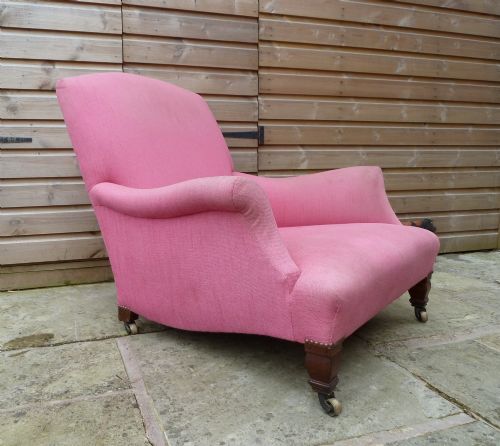
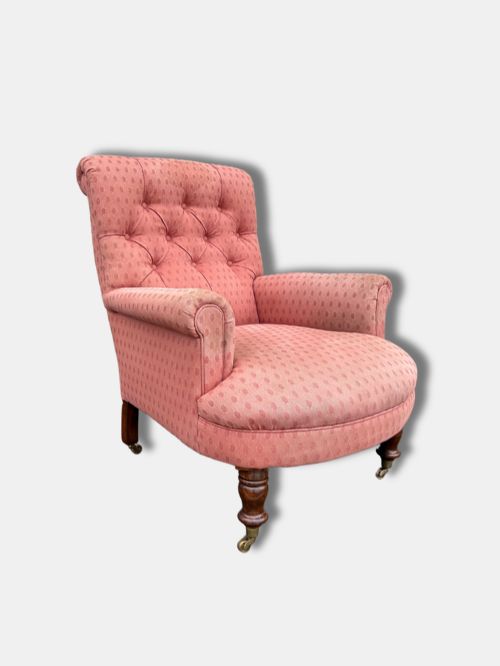
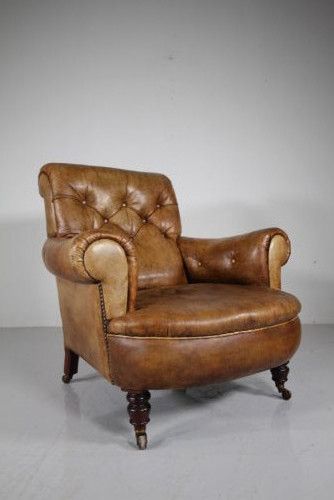
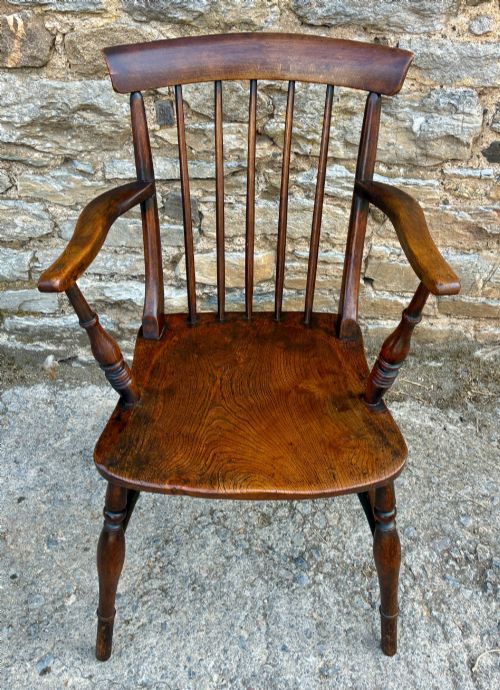
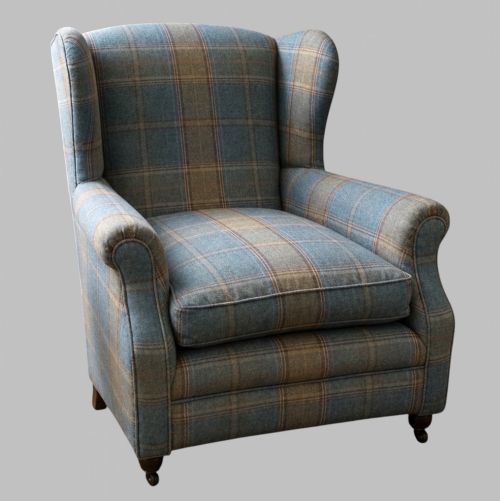
Buyers frequently encounter solid wood windsor chairs in ash, elm, and yew, as well as upholstered armchairs bearing the influence of makers like Howard and Sons. Benches, slipper chairs, and steel club fenders complete the grouping, originating from workshops across English counties.
Materials and Construction
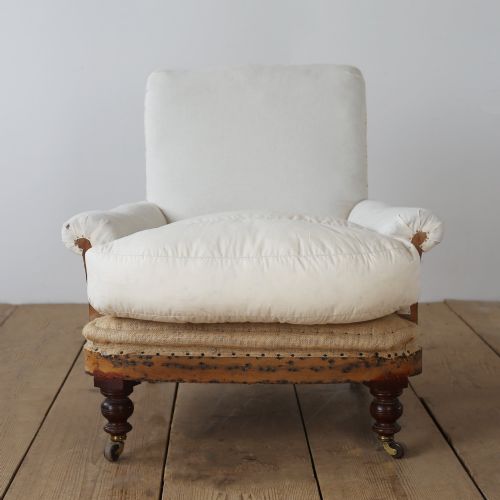
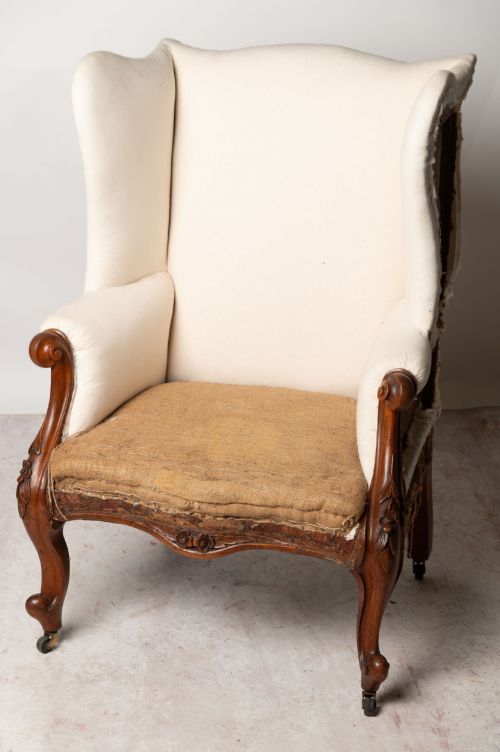
Makers utilised native timbers including ash, elm, fruitwood, and mahogany for frames and spindle backs, joining components with traditional methods suited to heavy daily use. Upholstered pieces rely on supportive horsehair, feather fillings, and robust internal webbing beneath top covers of leather, velvet, calico, or heavy fabric.
Metal elements such as brass and steel appear on club fenders and specific hardware components, providing durable structure and contrast to the timber frames. Surface finishes range from natural waxed patinas on country fruitwood and pine to ebonised details on Thames Valley windsors.
Materials span native hardwoods like fruitwood, yew, and mahogany alongside brass, steel, velvet, and leather.
Assessing the Pieces
Quality rests in the integrity of the timber framework, the honesty of the wood grain, and the depth of the natural patina built over centuries of use. Superior examples retain original components, uncompromised joinery, and well-proportioned lines that balance practical comfort with period character.
Upholstered forms depend heavily on the quality of the internal springing, traditional stuffing materials, and the execution of the top cover. Finer pieces show careful selection of turning on spindles and legs, alongside maker attribution where stamps or specific construction traits survive.
Howard and Sons·James Shoolbred·Trollope and Sons·Gillows
The Antique English Fireside Seating Glossary
- Windsor chair
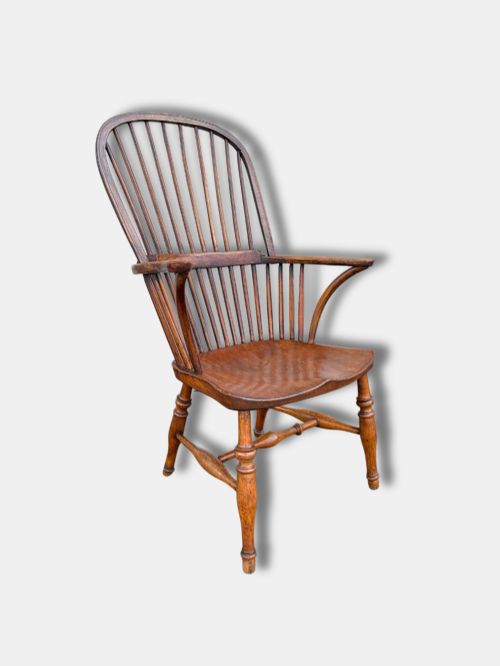
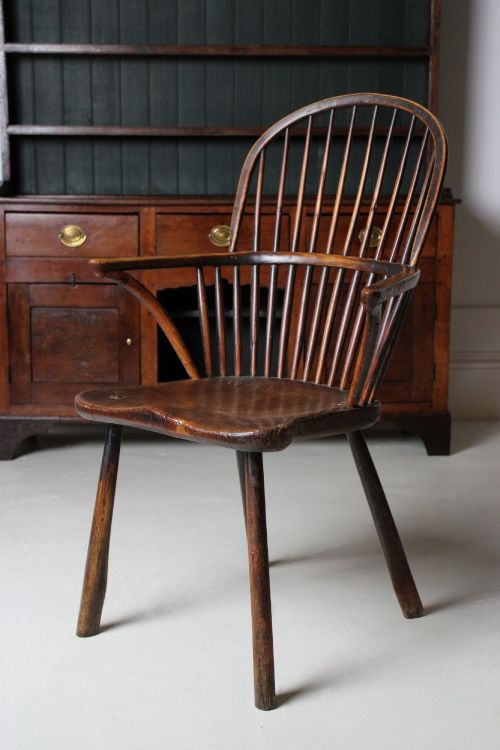
- A wooden chair built with a solid saddle-shaped seat into which the legs and back spindles are wedged directly. This vernacular form often combines ash frames with elm seats for structural strength.
- Settle bench
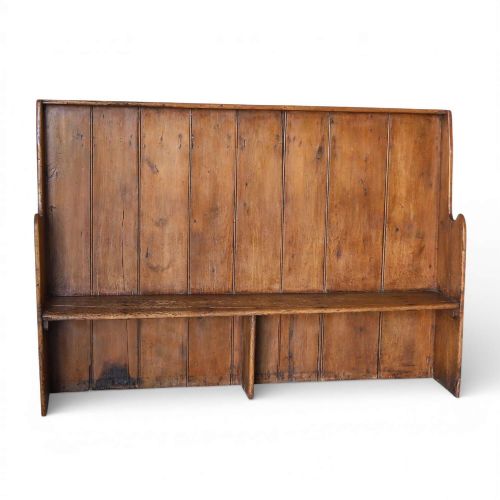
- A high-backed wooden bench originally designed to block draughts from doors and open chimneys. The high back and enclosed lower section keep seated occupants warm near the fire.
- Club fender
- A low, padded-seat brass or steel frame surrounding an open hearth. It provides both a fireside seat and a protective barrier against sparks.
- Slipper chair
- A low-seated upholstered chair originally designed for bedrooms to allow ease when putting on shoes. Their compact height suits low ceilings and smaller fireside spaces.
- Patina
- The surface sheen and colour developed on wood and leather through age, handling, and regular waxing. A desirable patina shows genuine history without artificial distressing.
Antique English Fireside Seating: Frequently Asked Questions
How do I identify a genuine windsor chair?
Examine the construction where the legs and back spindles meet the seat plank, looking for wedged tenon joints passing through the wood.
Traditional pieces show distinct tool marks, varied native timbers like ash and elm, and a natural surface patina rather than uniform factory finishing.
What makes Howard and Sons chairs distinctive?
These upholstered pieces are recognised by their deep-seated proportions, low profiles, and comfortable stuffing systems utilising hair and feather fillings.
Many bear stamped castors, maker marks on the legs, or distinctive ticking under upholstery that confirms their Victorian origin.
Where should I place a settle bench?
Settle benches work effectively in hallways, kitchens, or living rooms against blank walls where their high wooden backs create a sense of enclosure.
Because they were built to block draughts near open fires, they naturally anchor a seating arrangement in larger rooms.
How do I care for antique leather upholstery?
Maintain antique leather by applying appropriate conservation waxes sparingly to nourish the hide and prevent cracking.
Keep upholstered pieces away from direct heat sources and strong sunlight to preserve the original colour and supple texture.
What is a club fender used for?
A club fender serves as a low perimeter barrier around an open fireplace, preventing stray embers from reaching the room.
The padded top sections provide convenient additional seating close to the warmth of the hearth.