




Antique English Dressing Mirror
When choosing an antique english dressing mirror, you select from a rich heritage of floor-standing cheval frames, tabletop swing glasses, and bureau variants designed for the bedroom and boudoir.
Antique English Dressing Mirror
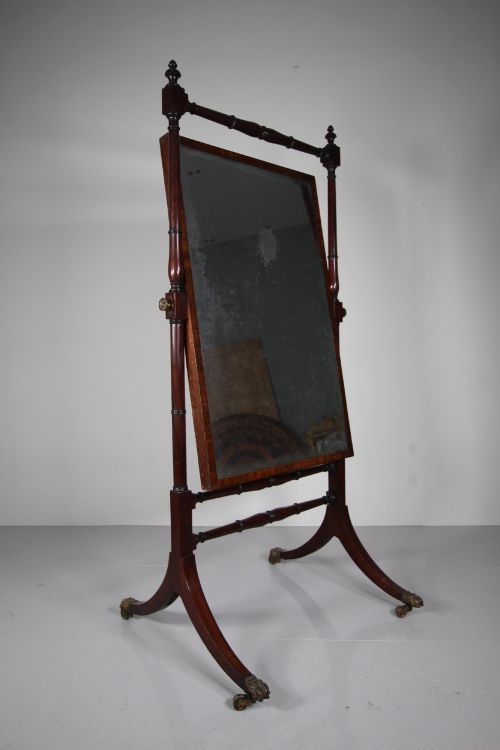
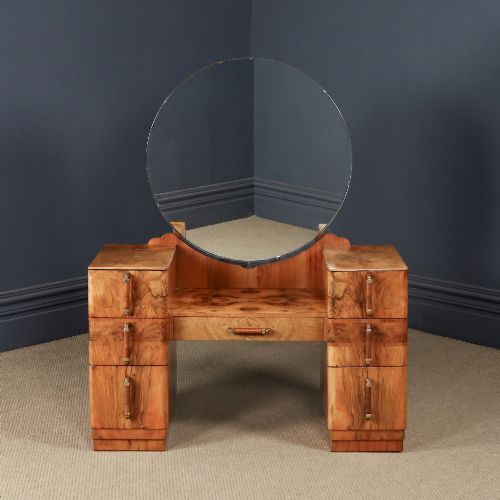
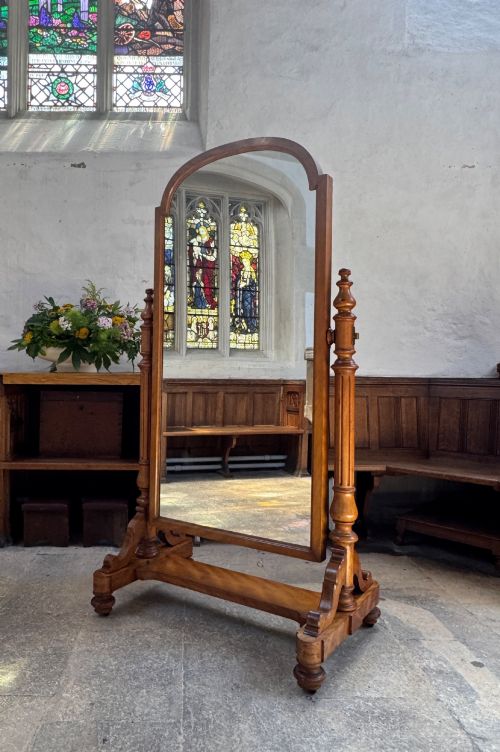
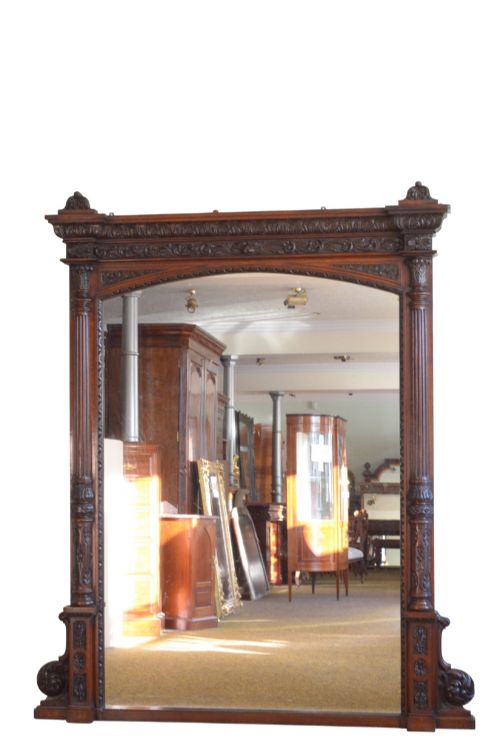
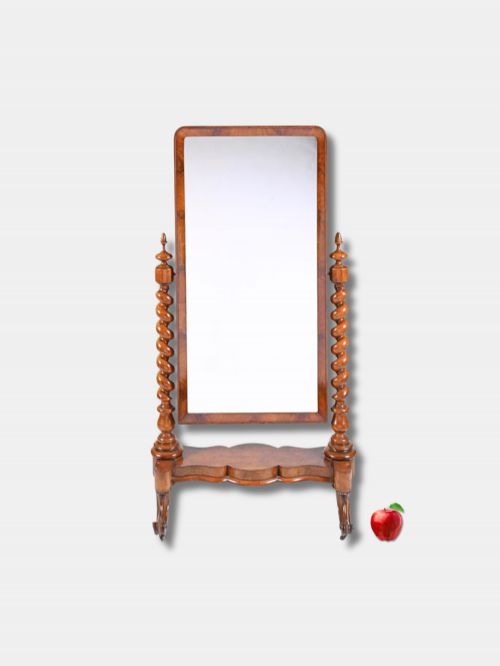
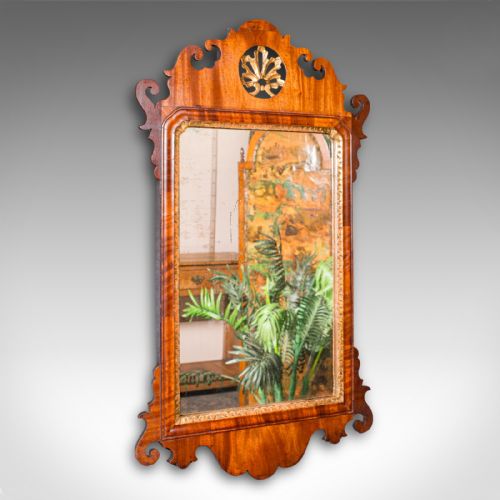
An antique english dressing mirror encompasses diverse forms, from compact Georgian box-base toilet glasses to grand Victorian floor-standing cheval mirrors and Art Deco pedestal dressing tables. The selections span eras including Georgian, Regency, Victorian, and 1930, reflecting shifts in interior fashion and personal grooming habits.
Tabletop swing mirrors resting on shaped box bases or serpentine supports appear frequently alongside towering cheval frames mounted on pivots. Buyers will also encounter specialised pieces like bureau mirrors, vanity tables with integrated mirrors, and tall pier dressing glasses intended for boudoirs and reception rooms.
Materials and Construction
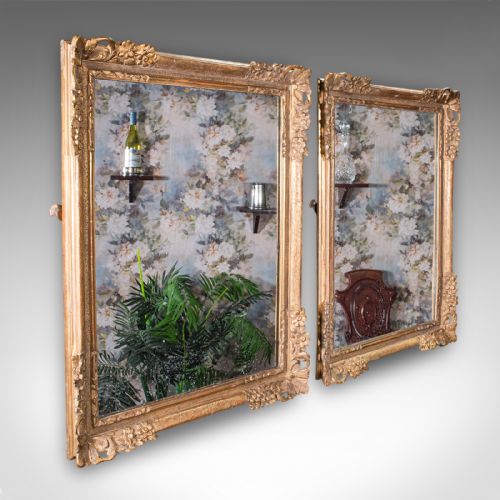
Cabinetmakers utilised dense timbers such as mahogany, walnut, burr walnut, satinwood, and oak, often highlighting figured veneers to create rich surface pattern. Supporting structures incorporate brass pivots, turned barley-twist columns, carved gesso, and giltwood accents, while smaller accessories feature sterling silver and ebony.
Joinery techniques ranged from dovetailed box bases to substantial floor-standing frames equipped with tilting mechanisms. Original glass plates frequently display minor foxing and silvering wear consistent with age, mounted securely within shaped or rectangular wooden rebates.
The documented periods span from Georgian bureau mirrors to Art Deco pedestal dressing tables circa 1930.
Craftsmanship and Proportion
Superior examples demonstrate refined proportions where the swing frame balances harmoniously with its support pillars or box base, avoiding awkward heaviness. The crispness of carved wooden details, the depth of figuring in walnut or mahogany veneers, and the quality of original brass hardware elevate certain pieces above standard workshop production.
Integrity of construction defines the upper tier, noting whether pivoting mechanisms operate smoothly and mirror plates remain original to the frame. Pieces retaining their fitted drawers, untouched polish, and structural soundness command greater appreciation from collectors.
Maple and Co·Waring and Gillow·Heals of London·Gillows of Lancaster
The Antique English Dressing Mirror Glossary
- Cheval mirror
- A large floor-standing dressing glass mounted on a vertical frame with pivots that allow the plate to tilt.
- Box base
- A small storage compartment or drawer unit fitted beneath a tabletop swing mirror.
- Toilet mirror
- A smaller dressing glass designed to sit upon a table, chest, or vanity unit.
- Gesso
- A plaster-based material applied to wood surfaces and carved before gilding or painting.
- Foxing
- The natural age-related spotting and oxidation appearing within the silvered backing of antique glass.
Antique English Dressing Mirror: Frequently Asked Questions
How do I distinguish a Georgian dressing mirror from a Victorian one?
Georgian mirrors generally favour smaller proportions, simpler mahogany or walnut box bases with bracket feet, and delicate framing around the glass. Victorian examples tend to be larger, utilising heavier timbers like burr walnut and pitch pine alongside more elaborate carving.
Interior decoration styles shifted through the nineteenth century toward grander scale and architectural detailing, producing tall cheval frames and pedestal dressing tables that differ distinctly from earlier tabletop designs.
Are cheval mirrors stable on carpeted floors?
Floor-standing cheval frames rely on their substantial splayed legs or heavy pedestal bases to maintain balance. Placing them on firm underlay or securing positioning helps prevent wobbling.
Most traditional frames possess considerable weight in the lower stretcher or feet to offset the tall pivoting glass above.
Should the mirror glass be original?
Original mirror plates retain historical authenticity, often displaying gentle oxidation, minor foxing, and slight waviness in the reflection. These characteristics confirm the age of the piece.
While replacement glass is sometimes fitted if the original shattered, collectors prize pieces that retain their untouched antique glass.
Where should I place a dressing mirror in a modern room?
Tabletop swing mirrors suit dressing chests, sideboards, or console tables, adding height and reflected light to a space. Freestanding cheval mirrors fit well in corners or dressing areas where full-length reflection is useful.
Positioning them opposite windows maximises natural light distribution throughout the room.