
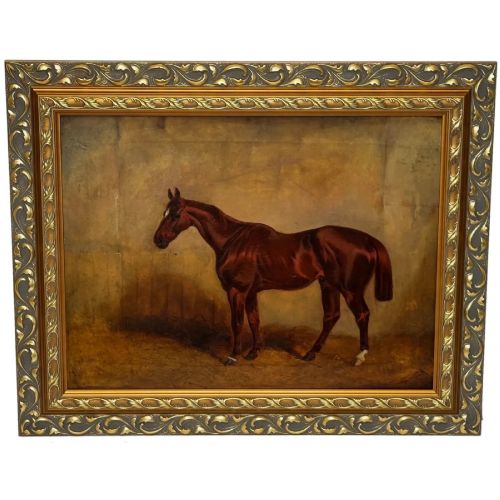
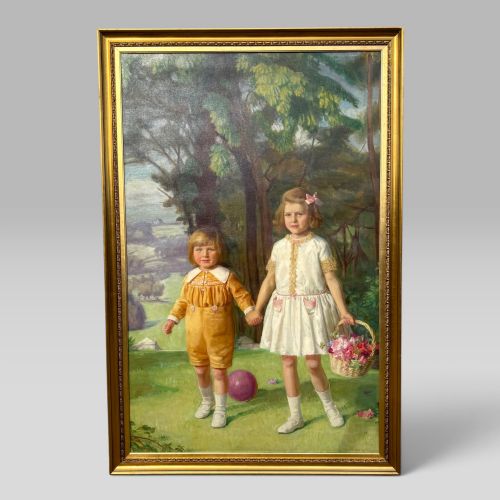
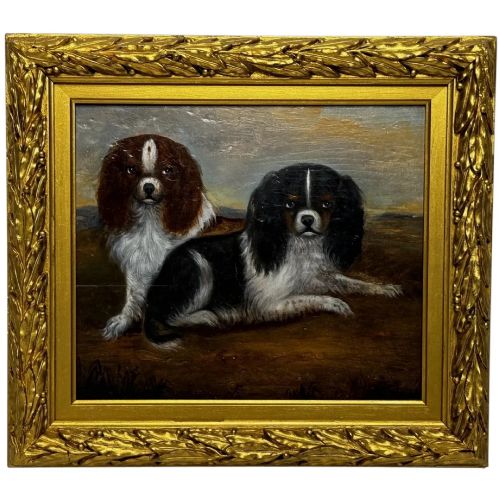
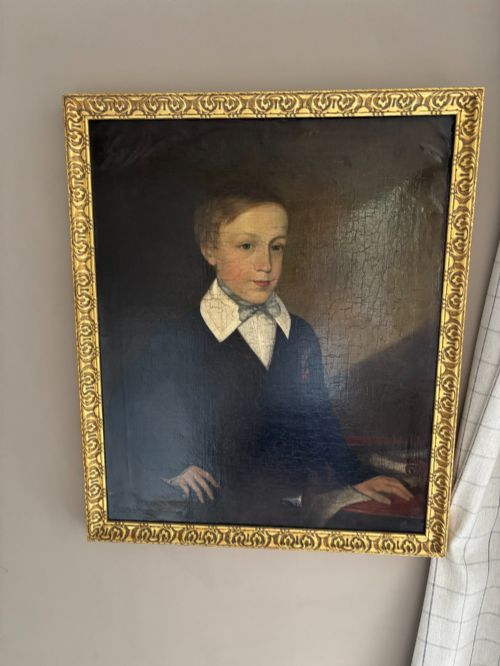
Antique English Canvas Painting
When you search for an antique English canvas painting, you encounter centuries of portraiture and landscape works preserved in oil.
Antique English Canvas Painting
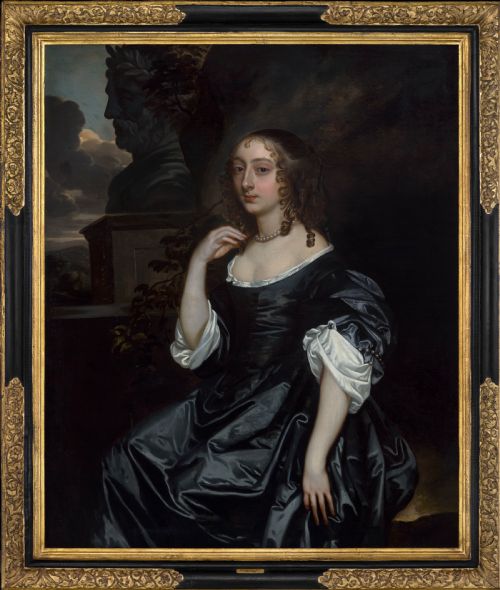
The pieces catalogued under antique English canvas painting span from the seventeenth century through to the mid-twentieth century, encompassing formal portraiture and topographical landscapes. Buyers searching this phrase commonly find oil paints applied directly to woven canvas supports, housed within period wooden frames.
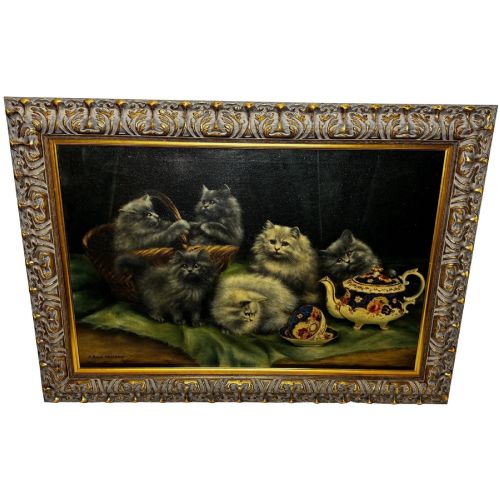
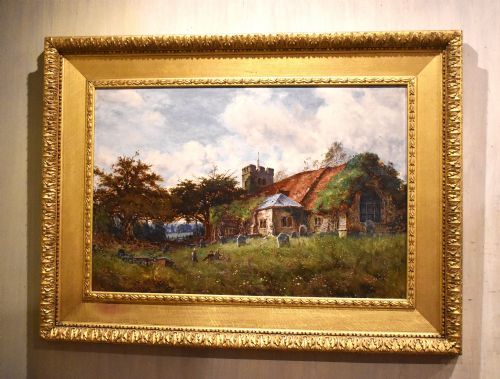
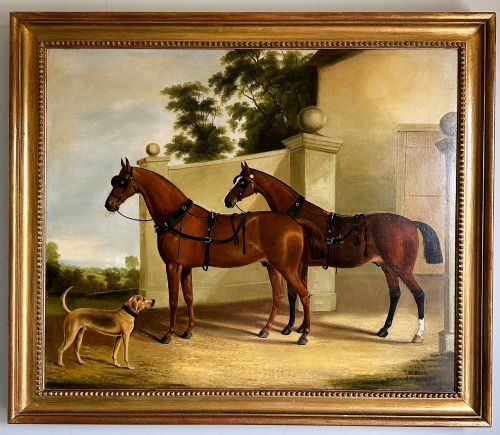
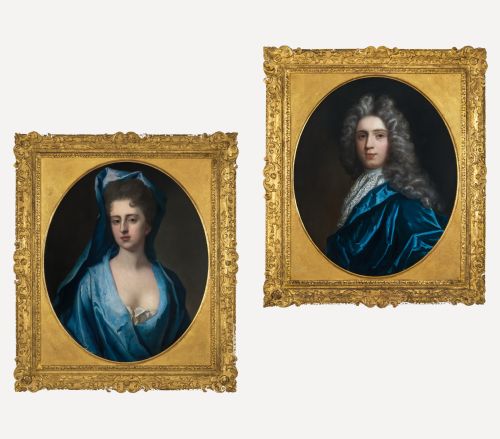
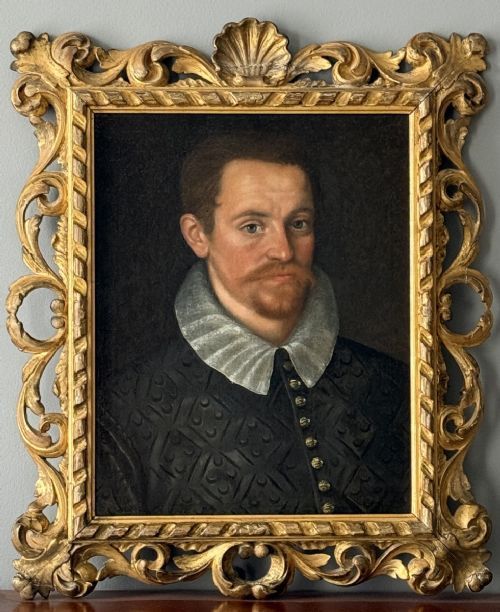
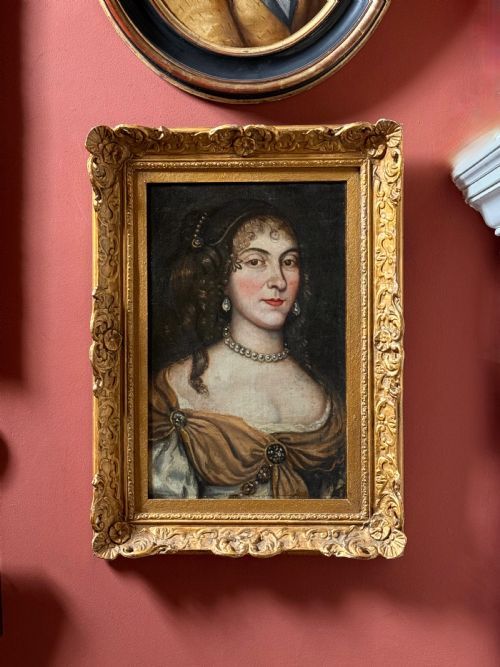
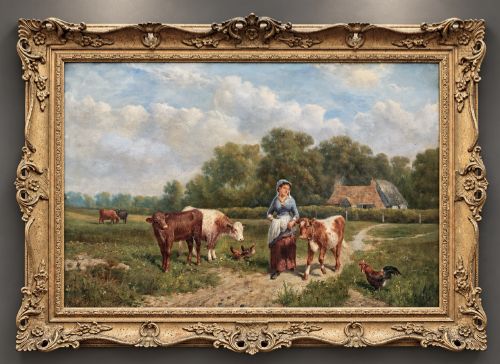
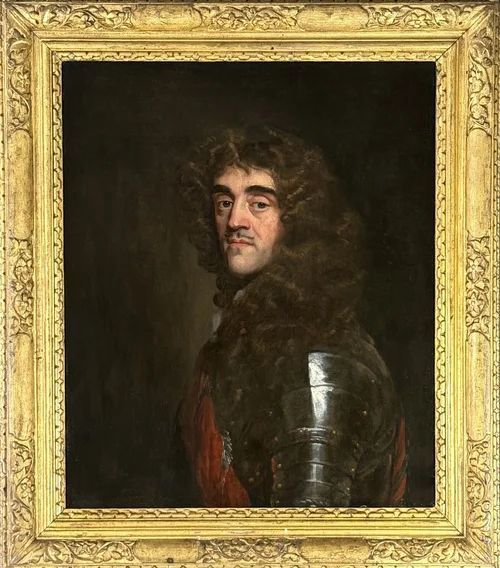
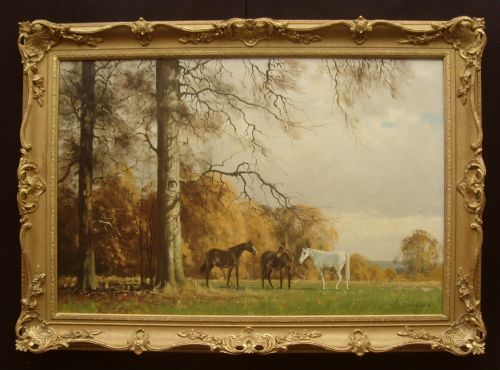
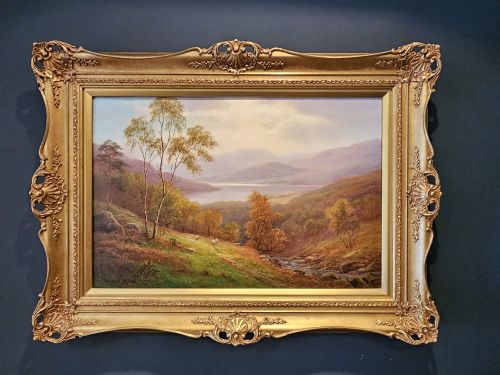
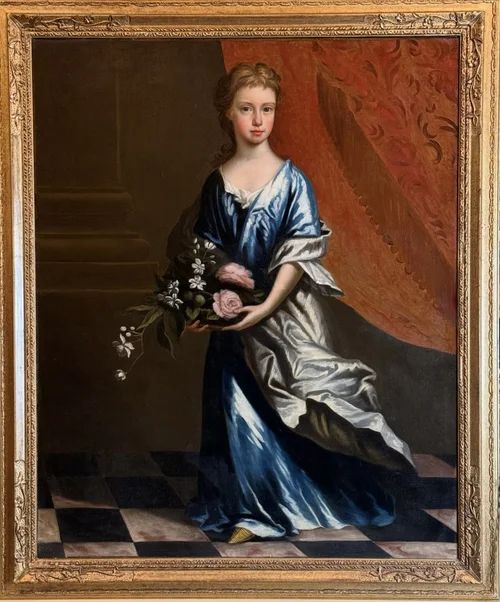
Seventeenth and eighteenth-century examples lean heavily toward aristocratic portraits by named artists or regional British schools. Nineteenth and twentieth-century works frequently showcase pastoral scenes, coastal views, river landscapes, and domestic animals rendered with naturalistic detail.
How They Were Made
Artisans built these works using oil paint applied to prepared woven canvas stretched over wooden strainer frames. Pigments mixed with binding oils allowed artists to build rich layers, blending subtle tones for skin and fabric or heavy textures for rural foliage and skies.
Surrounding the primary canvas, makers constructed decorative surrounds from timber, frequently finished in giltwood or carved moulding to complement the scale and subject of the artwork.
Current listings feature canvas paintings from the seventeenth, eighteenth, nineteenth, and twentieth centuries, executed in oil on canvas.
What Varies in Quality
The standard of execution in facial rendering, anatomical proportion, and perspective separates workshop output from master production. Superior compositions display confident brushwork and nuanced handling of light, whereas simpler naive school pieces rely on direct, unpolished depiction.
The integrity of the original canvas surface, the stability of the paint layers, and the retention of period-appropriate framing significantly influence the overall condition and historical fidelity of any given composition.
Charles Jervas·John Hayls·Bernard Hailstone·George Graham·Frederick Marriott·Arthur Wardle·Joshua Reynolds·Anthony Van Dyck·John Horace Hooper·Michael Dahl·Thomas Murray·Godfrey Kneller·Mary Beale·Herbert Royle·Thomas Barker of Bath·David Bates·Thomas Beach·Benjamin Barker of Bath·Thomas Lawrence·John Greenhill·John Closterman·Walter Heath Williams·Albert Clark·Robert Byng·William Beechey
The Antique English Canvas Painting Glossary
- Canvas
- A heavy woven fabric, typically linen or hemp, used as the primary support surface for oil paintings.
- Giltwood
- Wood carved and coated with a thin layer of gold leaf or metallic gilt, commonly utilised for period picture frames.
- Oil paint
- A slow-drying paint made by mixing pigments with a drying oil such as linseed, prevalent in British fine art across all centuries.
- British School
- A designation applied to paintings produced in Britain by artists working within regional traditions without a single dominant master.
- Provenance
- The documented history of ownership of an artwork, establishing its authenticity and lineage through time.
Antique English Canvas Painting: Frequently Asked Questions
How do I date an old oil painting?
Dating relies on stylistic clues within the subject's costume, hair, and surrounding landscape elements, alongside construction details of the canvas and stretcher frame. Written inscriptions, signatures, and exhibition labels on the reverse also provide chronological markers.
Expert examination of pigment types and canvas weave can further narrow down the decade of creation when documentation is absent.
What is the difference between an oil painting and a portrait?
An oil painting is a broad category defined by the medium of paint applied to a support like canvas, encompassing any conceivable subject matter. A portrait specifically represents a particular person, capturing their likeness and social standing.
Many portraits utilise oil on canvas, but landscapes, still lifes, and genre scenes occupy that same material category without depicting individuals.
How should I hang canvas art at home?
Canvas paintings require stable indoor environments away from direct sunlight, excessive moisture, and sudden temperature fluctuations that can warp wood or crack paint. Secure wall fixings matched to the weight of the frame ensure the piece hangs safely.
Positioning works at eye level in low-traffic areas protects the delicate surface from accidental impacts.
Why do some paintings have craquelure?
Craquelure describes the fine network of microscopic cracks that forms across the surface of aged oil paint as the medium continues to dry and harden over centuries. This natural ageing process occurs as upper paint layers lose flexibility at a different rate than the primer beneath.
Far from a defect, well-stabilised craquelure serves as a reliable indicator of genuine age and historical authenticity.