
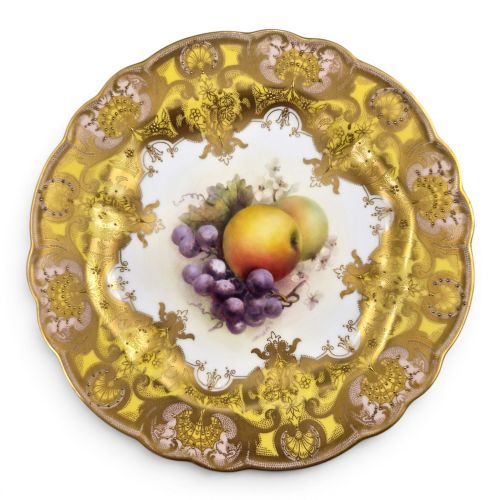
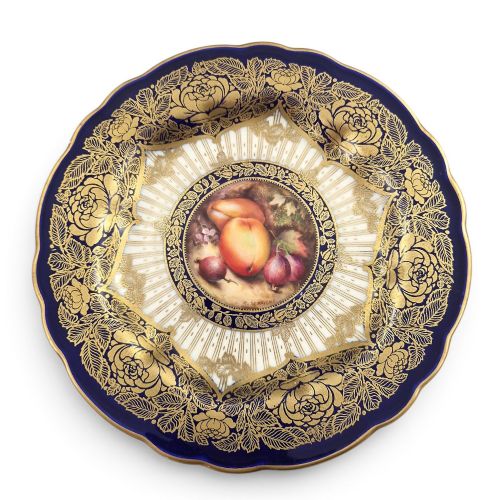
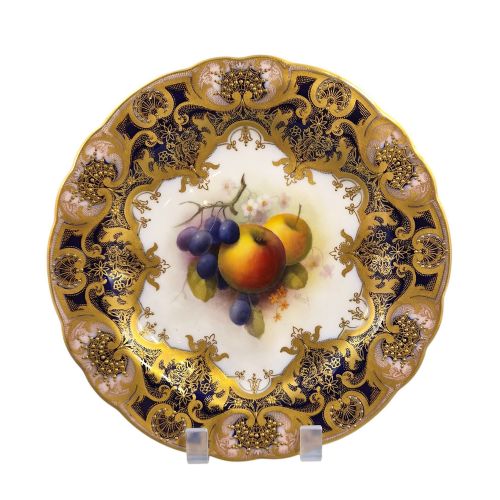
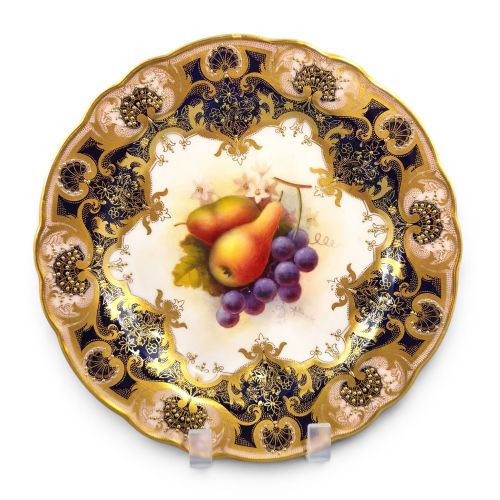
Antique English Cabinet Dish
An antique english cabinet dish is a decorative ceramic plate meant for display rather than dining, prized for elaborate hand-painted scenes and rich gilding.
Antique English Cabinet Dish
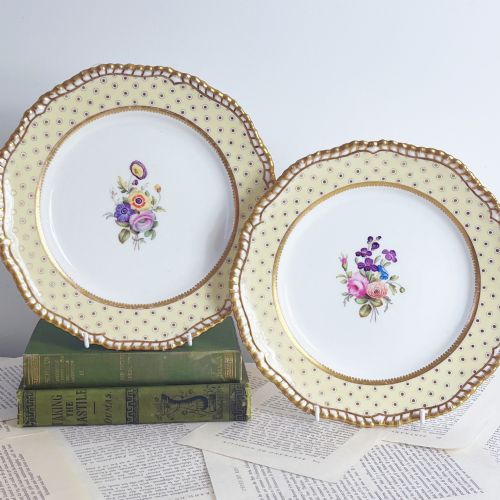
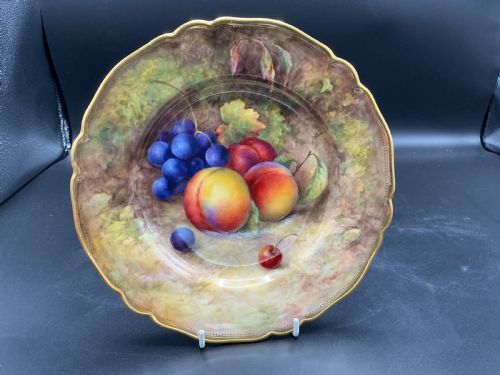
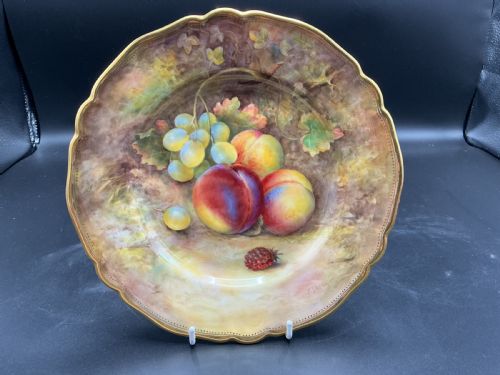
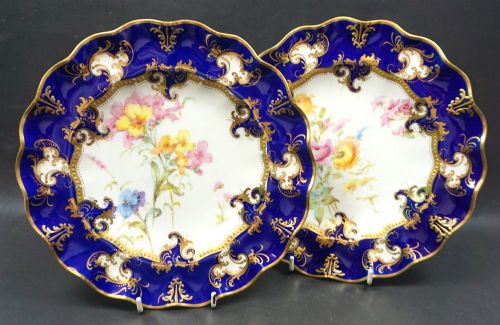
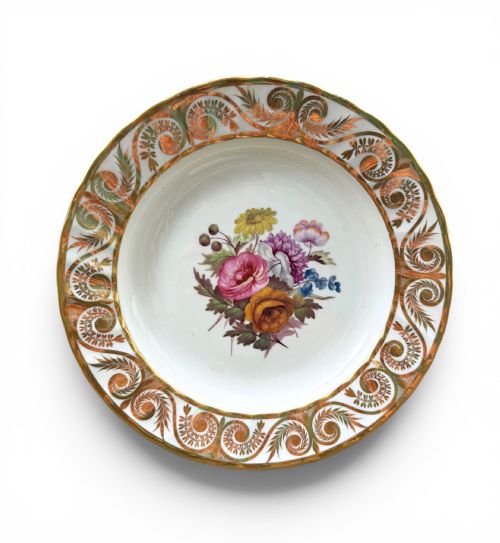
When you search for an antique english cabinet dish, you encounter decorative plates and dessert plates created primarily for display in cabinets or on sideboards rather than for everyday dining. These pieces span the eighteenth, nineteenth, and early twentieth centuries, reflecting changing aesthetic movements from Georgian rococo revivals to Victorian botanical and landscape studies.
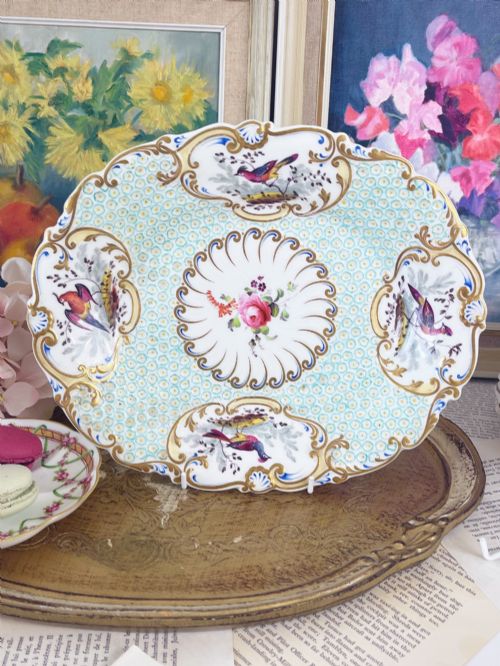
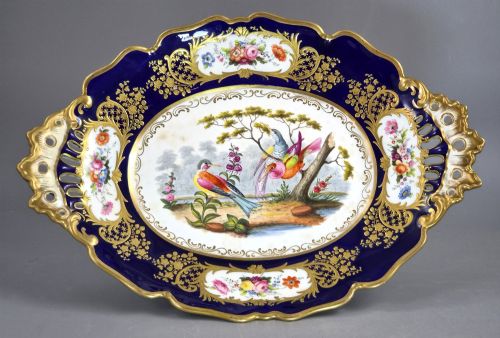
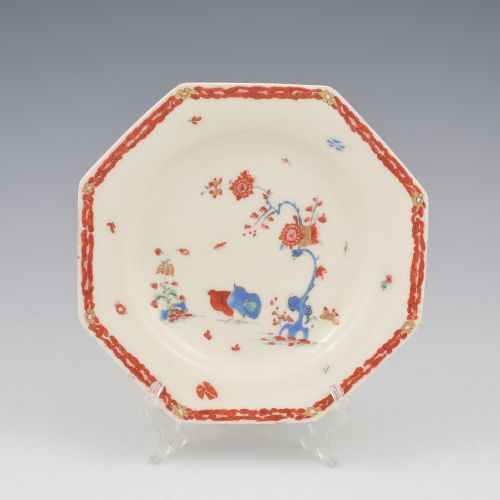
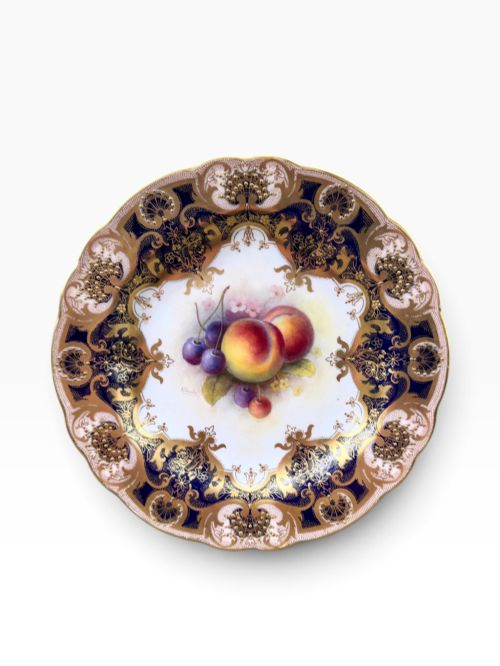
You are most likely to meet mid-nineteenth to early twentieth-century examples on this page, particularly works from Worcester factories, Derby, and Coalport. Forms range from octagonal plates to oval serving dishes and plaques, each demonstrating the high skill of English ceramic decorators.
The materials and styles follow the major porcelain houses of England, incorporating bone china, soft-paste porcelain, and ironstone decorated with gilding, gold leaf, and enamel paint. These objects capture the pinnacle of British ceramic artistry from periods when display porcelain symbolised refined taste and social standing.
What varies in quality
The standard of an antique english cabinet dish rests largely on the fidelity and skill of the hand-painted decoration. Works executed by named artists or master painters command greater attention than standard factory output.
The crispness of the porcelain moulding, the depth and burnishing of the gold leaf or gilding, and the complexity of the polychrome enamel palette separate standard service wares from exhibition-grade cabinet pieces.
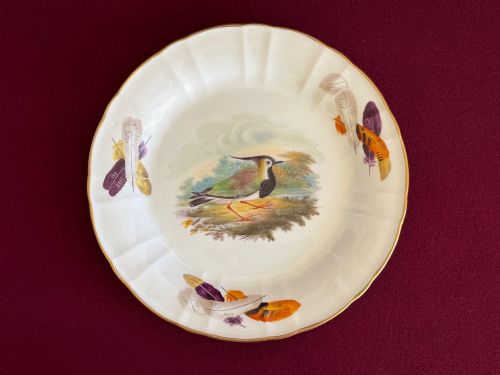
Cabinet dishes allowed Victorian homeowners to display exotic birds and foreign fruit without leaving the parlour.
Royal Crown Derby·Royal Worcester·Royal Doulton·Coalport·Minton·Spode·Wedgwood·Flight Barr and Barr
The Antique English Cabinet Dish Glossary
- Cabinet plate
- A decorative ceramic plate intended for display in a cabinet rather than for table service.
- Soft-paste porcelain
- A vitreous ceramic material composed of clay and glass frit, fired at lower temperatures than hard-paste porcelain.
- Bone china
- A type of porcelain composed of bone ash, feldspathic material, and kaolin, known for high strength and translucency.
- Gilding
- The application of gold leaf or powdered gold to the surface of porcelain for decorative effect.
- Imari
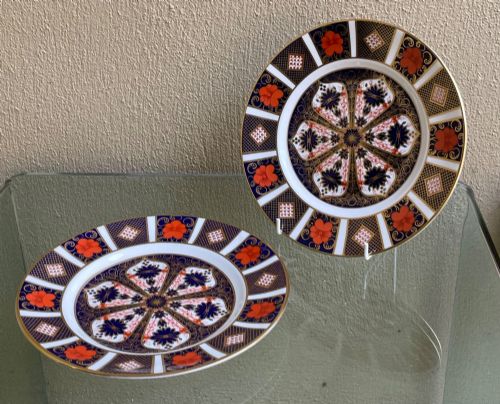
- A decorative style inspired by Japanese export wares, typically featuring cobalt blue, iron red, and gilt highlights.
- Enamel
- Opaque coloured glass fused to the porcelain surface during a secondary firing to create detailed painted designs.
Antique English Cabinet Dish: Frequently Asked Questions
What is an antique english cabinet dish?
An antique english cabinet dish is a decorative ceramic plate or shallow vessel produced by English potteries primarily for display. These pieces were often kept in glass-fronted cabinets to protect their delicate hand-painted surfaces and rich gilding from dust and damage.
Unlike everyday tableware, cabinet dishes prioritise artistic expression over utility. They frequently feature elaborate botanical studies, hand-painted birds, or romantic landscapes created by master decorators.
How were cabinet dishes used?
Cabinet dishes were designed for visual appreciation and interior decoration rather than dining. Owners displayed them on sideboards, mantelpieces, or inside specialised display furniture to showcase their wealth and refinement to guests.
In some instances, dessert plates from fine dinner services were transitioned into cabinet pieces if the painting quality was exceptional. Their primary function remained decorative, serving as focal points within formal domestic interiors.
How do I identify the maker?
Identifying the maker involves examining the base of the dish for factory marks, pattern numbers, or painted signatures. English potteries frequently stamped, impressed, or painted their unique ciphers onto the ceramic body before or after the glaze firing.
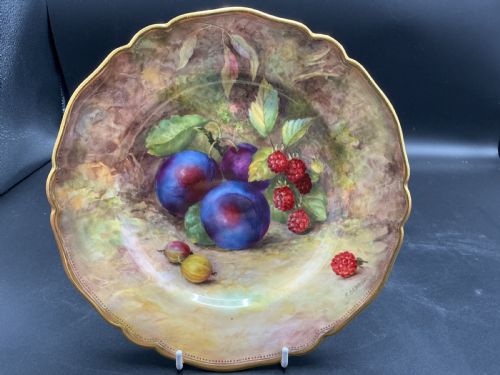
Artist signatures, such as those found on Worcester fruit plates, often appear inconspicuously near the edge of the painted scene. Reference guides linking specific marks and pattern numbers to historical factories help determine the exact origin and production era.