




Antique English Brassware
Antique English brassware brings warmth to a room through centuries of utilitarian metalwork crafted for domestic and hearth use.
Antique English Brassware
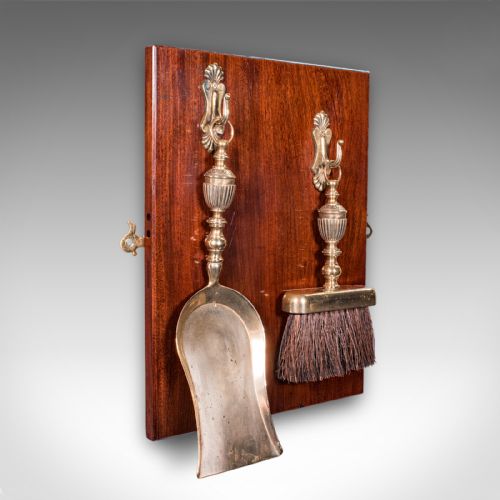
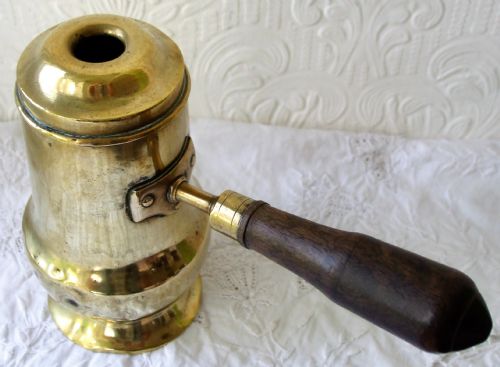
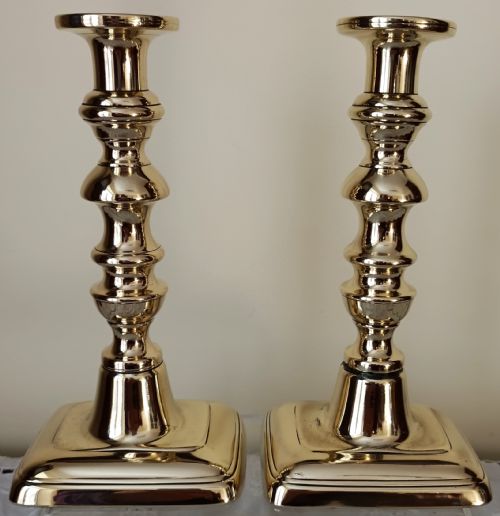
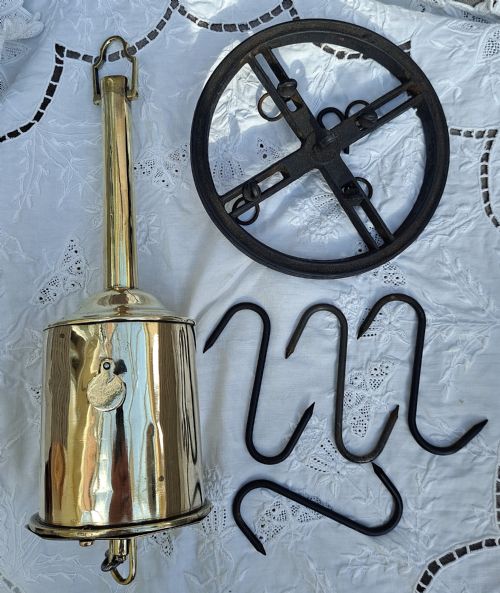
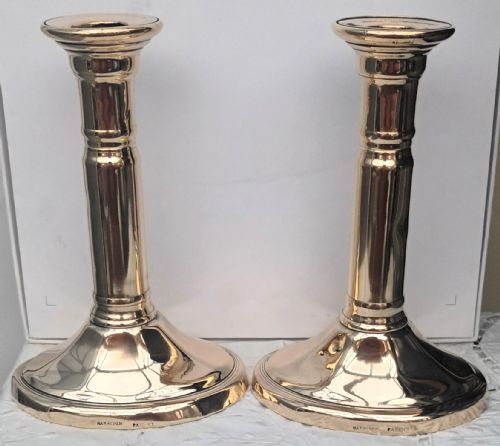
When you search for antique English brassware, you encounter domestic items spanning the Georgian, Regency, and Victorian periods. The selection includes practical household items such as candlesticks, fire service accessories, and spirit kettles.
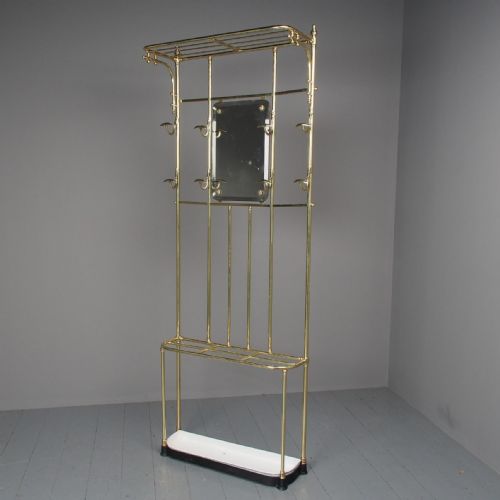
Candlesticks and fireplace equipment form the core of the pieces on this page, alongside smaller items like mortars, pestles, and watering cans. These objects range from seventeenth-century Queen Anne designs to Edwardian hall stands.
The objects originate from domestic English workshops and factories, utilising base metals to serve functional roles in the home before becoming decorative collectors' items.
What varies in quality
Quality rests in the crispness of casting detail, the integrity of assembled joints, and the survival of original components such as steel push-up ejectors and handles.
Makers' marks and patent stamps elevate certain pieces above anonymous workshop production, whilst overall weight and thickness of the metal distinguish superior domestic items from lighter wares.
Antique English Brassware Retail Price Guide 2026
Typical asking prices for english brassware among the pieces listed under this phrase on Sellingantiques today, from the lower quarter to the upper quarter. They describe what is for sale here now, not the wider market.
Listings feature brass combined with iron, steel, copper, and mahogany across the Georgian and Victorian periods.
William Soutter & Sons·John Linwood of Birmingham·J.T. & Co
The Antique English Brassware Glossary
- Ejector candlestick
- A candlestick fitted with an internal mechanism to push out the remaining stub of a wax candle. This mechanical element usually involves a sliding thumbpiece on the stem.
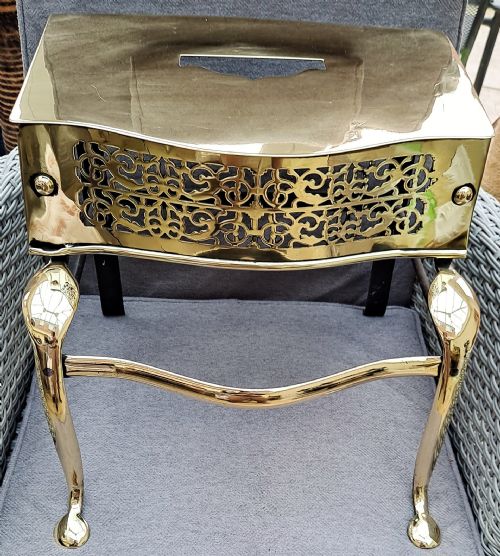
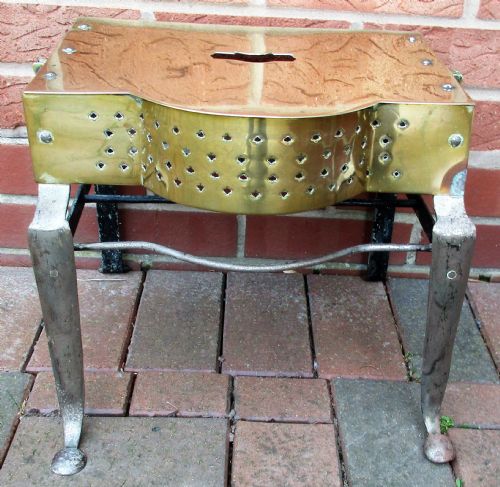
- Footman
- A metal stand placed in front of a fireplace to keep food warm. These items are typically constructed from brass tops paired with iron or steel legs.
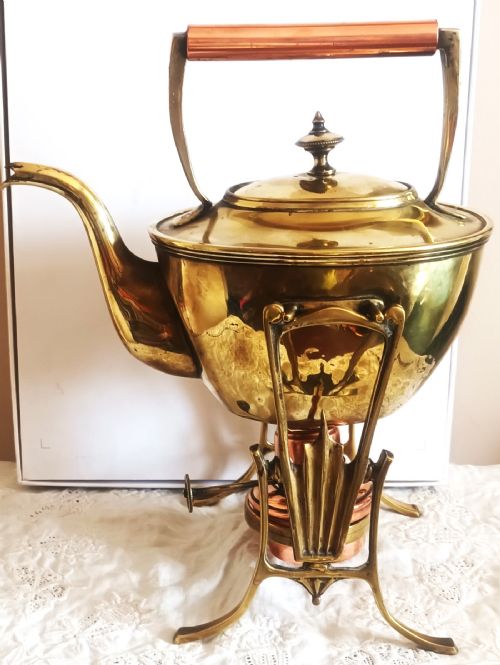
- Spirit kettle
- A water kettle mounted upon a stand with an integrated burner for alcohol or spirit. They were utilised for heating water at the tea table.
- Mortar and pestle
- A heavy bowl and club-shaped tool used for grinding substances in apothecary or kitchen use. Brass versions offer durable utility.
- Candelabra
- A branched candlestick holding multiple candles. These range in scale from tabletop pairs to larger altar pieces.
Antique English Brassware: Frequently Asked Questions
How do I clean antique brassware?
Maintenance requires gentle dusting and occasional cleaning with appropriate non-abrasive metal polishes. Avoid aggressive scrubbing that removes historic patina.
Preserving the darkened recesses enhances the visual depth of cast details on period items.
What is an ejector candlestick?
An ejector candlestick contains a built-in sliding mechanism within the stem. Pushing the lever upward lifts the candle remnant out of the socket.
This functional innovation became common during the eighteenth century for ease of clearing spent wax.
How are Georgian and Victorian brass items different?
Georgian brass often displays simpler lines with seamed construction and hand-finished casting. Victorian pieces frequently utilise heavier cast forms and more ornate decorative detailing.
Later nineteenth-century production also introduced specialised mechanical patents and combined copper elements.
Were brass footmen used for cooking?
Footmen sat directly before the hearth fire to support kettles or warming plates. The combination of brass and steel withstood high domestic temperatures.
They served dining and tea rituals in larger Georgian and Regency households.