

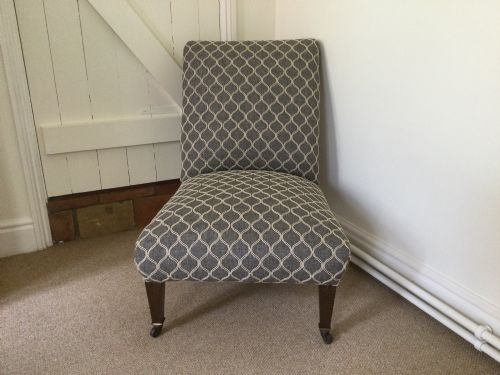


Antique English Bedroom Chair
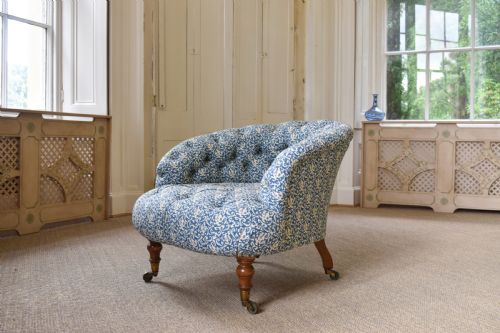
An antique English bedroom chair brings intimate character to a corner, offering a low seat and compact frame shaped for private spaces.
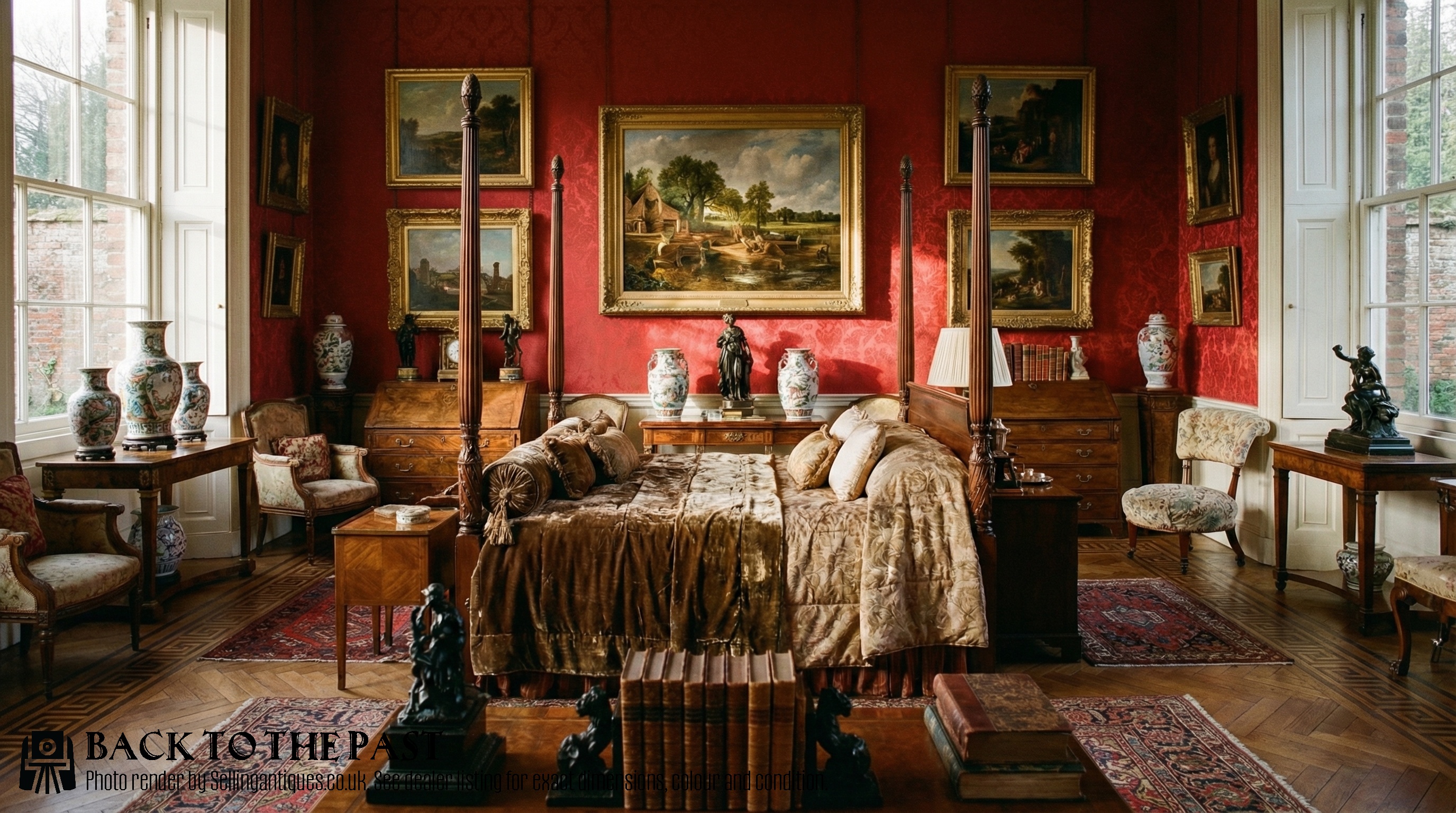
Antique English Bedroom Chair
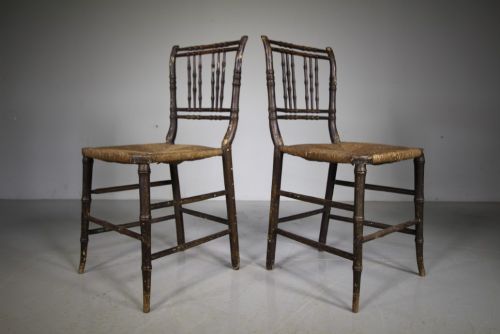
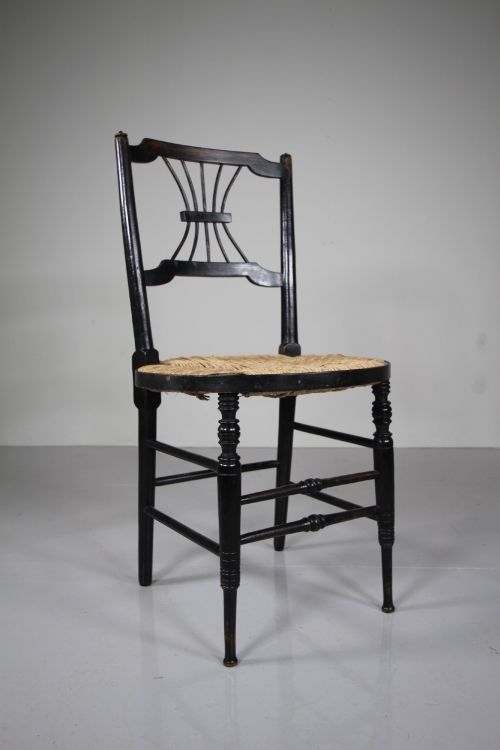
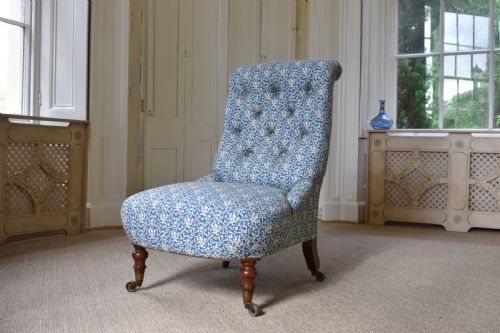
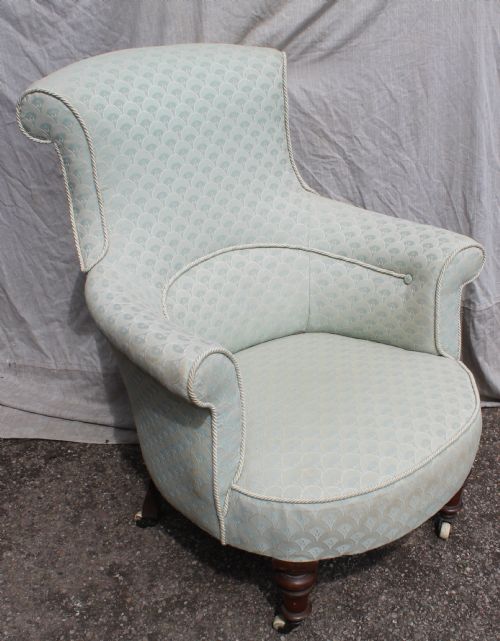
An antique English bedroom chair encompasses diverse seating forms designed for private chambers, boudoirs and dressing rooms rather than formal reception spaces. These pieces span multiple centuries and stylistic revivals, appearing in formats ranging from low slipper chairs and nursing seats to carved occasional armchairs.
The selection on this page leans heavily towards nineteenth-century examples, with Victorian and Regency pieces forming the core of the offering alongside Georgian and Edwardian variants. Buyers encounter armchairs, side chairs, slipper chairs and prayer chairs created for personal comfort and domestic utility.
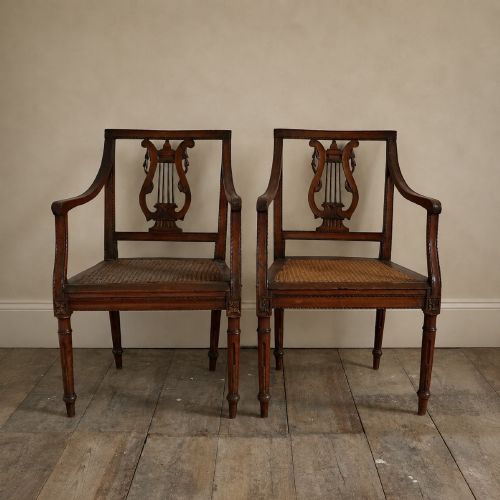
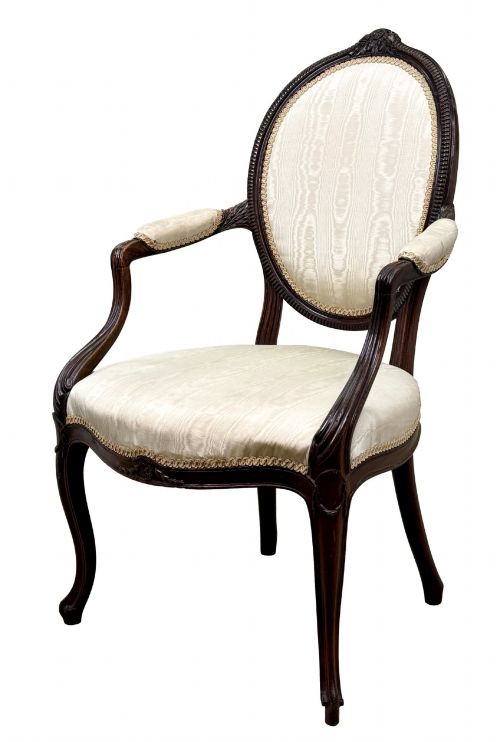
Makers and workshops of varying scale produced these chairs to suit changing domestic fashions, incorporating distinct stylistic nods such as Louis XVI Revival, Chippendale Revival and the Aesthetic movement. Their lower proportions and varied upholstery styles distinguish them immediately from standard dining or drawing room seating.
How They Were Made
Cabinetmakers utilised robust native and imported timbers, primarily mahogany, walnut, rosewood and oak, often shaping them into curved spoon backs, lyre motifs or turned supports. Frame construction relied on traditional joinery techniques suited to the stresses placed on domestic seating.
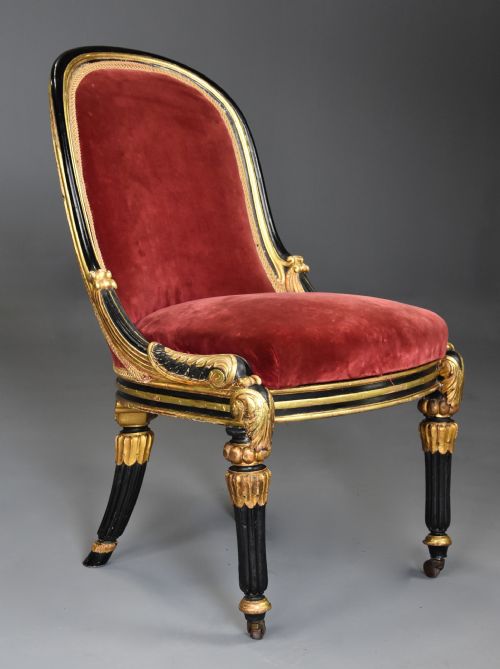
Upholstery played an integral role in their construction, utilising traditional stuff-over methods with horsehair, springs and webbing beneath outer layers of velvet, tapestry, needlepoint and linen. Decorative detailing frequently involved gilding, ebonising, brass fittings and intricate hand-carved woodwork.
Several prayer chairs wait quietly here, ready for nineteenth-century devotion or twenty-first-century contemplation.
What Varies in Quality
The distinction between standard commercial output and superior craftsmanship rests in the crispness of the timber carving and the architectural integrity of the frame. Higher-tier examples display refined proportions, superior joint construction and carefully selected veneer grains that elevate simple utility to an art form.
Upholstery materials and execution dictate much of the enduring appeal, where bespoke needlepoint, antique tapestry or fine linen sit upon properly tensioned internal stuffing rather than hasty commercial padding. Maker attribution also influences standing, as documented workshops command greater attention than anonymous provincial joinery.
Howard and Sons·Holland and Sons·Gillows·Hindley and Sons·Maple and Co
The Antique English Bedroom Chair Glossary
- Spoon back
- A padded chair back shaped with an inward curve that follows the human spine. This ergonomic form became particularly popular during the Victorian era.
- Nursing chair
- A low-seated chair historically designed for feeding infants or personal grooming. Their reduced height allowed the sitter to maintain a comfortable posture during long periods.
- Prie Dieu
- A devotional chair featuring a high, narrow back often fitted with a shelf or upper rest for kneeling or prayer. These pieces frequently appear in nineteenth-century domestic interiors.
- Needlepoint
- Hand-stitched canvas embroidery used to cover seat pads and backs. Skilled needlework adds considerable decorative texture to antique seating.
Antique English Bedroom Chair: Frequently Asked Questions
What is an antique English bedroom chair used for?
These low seats served practical purposes in private chambers, functioning as dressing seats, nursing chairs or fireside resting spots away from the main public rooms.
Today, they perform similar accessory roles in modern homes, adding texture and historical contrast to contemporary interior schemes.
How do I identify a Victorian bedroom chair?
Victorian examples often feature walnut or mahogany frames with distinctive curved spoon backs, button-tufted upholstery or ebonised and gilt finishes.
They frequently display eclectic design influences ranging from Gothic Revival to Aesthetic movement sensibilities.
Are these chairs comfortable for daily seating?
Most antique bedroom chairs were built with generous padding and supportive sprung or webbed bases designed for relaxation.
Their lower stature makes them exceptionally well-suited for reading corners or intimate seating groups.