


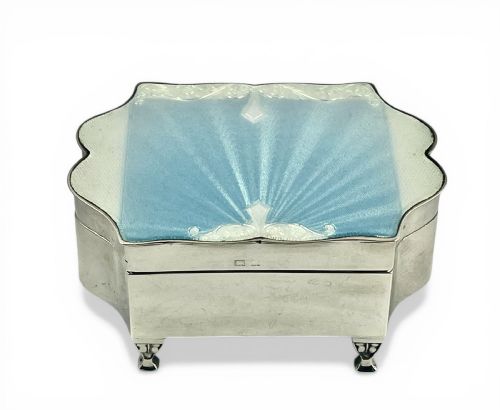

Antique Enamelled Vanity Box
When you handle an antique enamelled vanity box, you hold a tangible piece of personal dressing table history crafted to store powders, trinkets and cosmetics.
Antique Enamelled Vanity Box
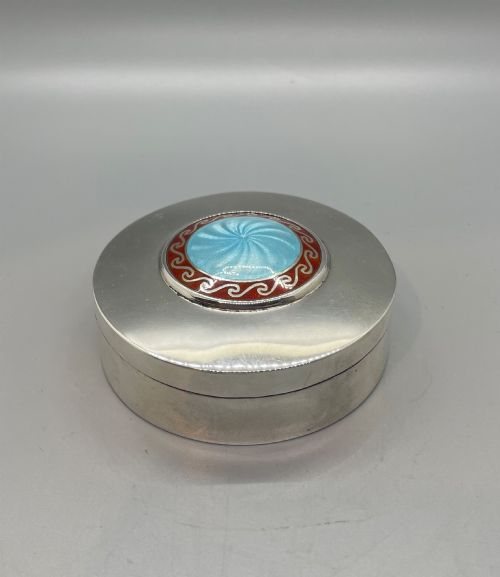
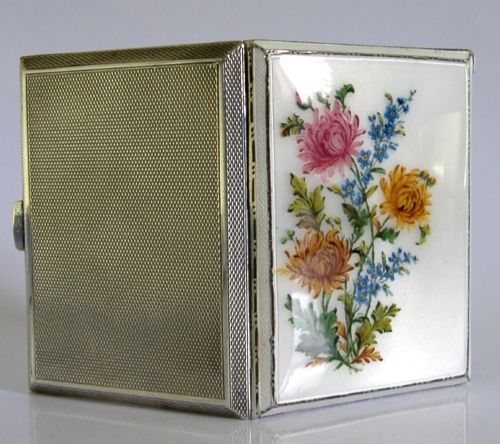
An antique enamelled vanity box encompasses a diverse array of small dressing table containers, from powder compacts and pill boxes to trinket jars and cigarette cases. These items emerge from various periods, stretching from the late 18th century through the Victorian and Edwardian eras into the height of the Art Deco 1930s. Buyers encountering this selection will frequently find compacts and jars rendered in the geometric lines of Art Deco or the softer floral motifs of the Edwardian period.
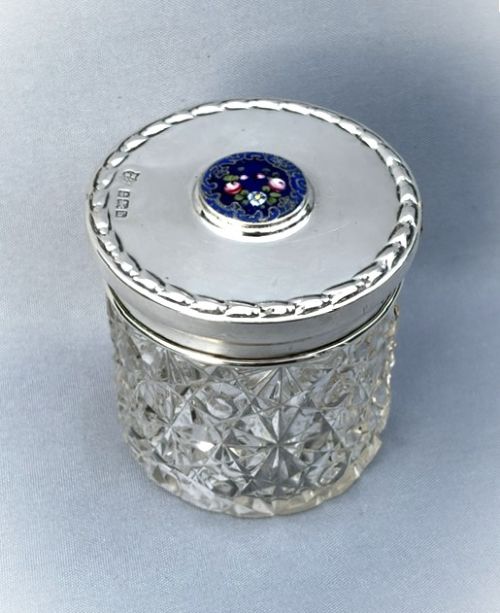
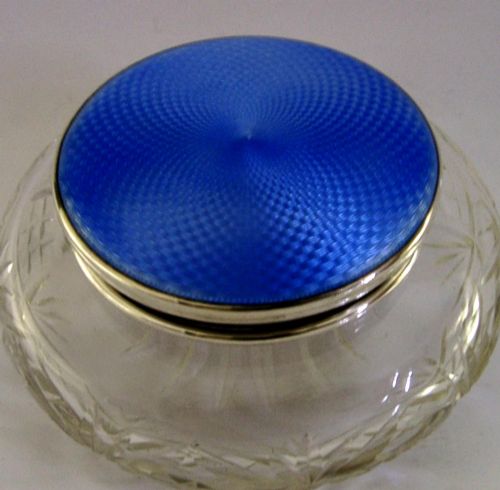
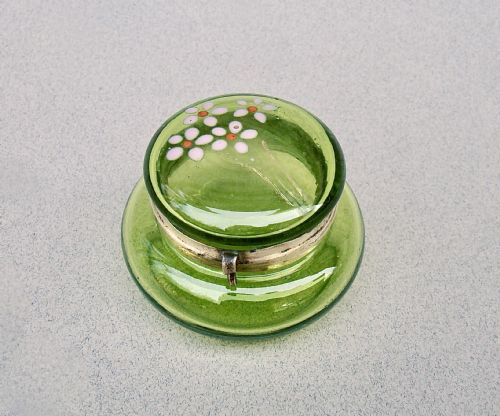
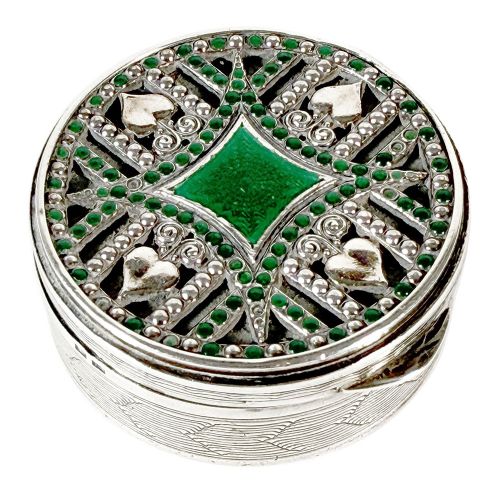
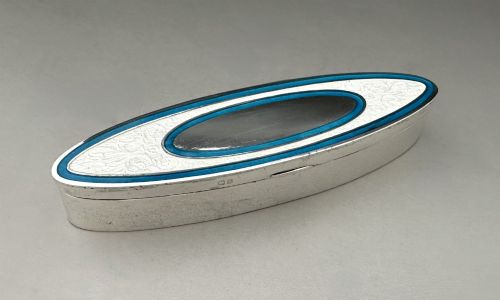
The utility of these objects spans personal grooming and ornamental storage, originally designed to sit upon a lady's dressing table or travel inside a handbag. Formats range from glass and porcelain jars with silver and enamel lids to fully enamelled metal compacts and small boxes. British assay marks and continental silver standards often anchor their origins, though unmarked French and Austrian pieces also appear regularly.
Makers and manufacturers utilised these containers for holding loose powder, rouge, pills or small jewellery items. The survival of these pieces depends heavily on the resilience of the enamel work combined with the structural integrity of the underlying metal or glass body. Collectors today prize them for their miniature artistry and the intimate glimpse they provide into historical daily routines.
How they were made
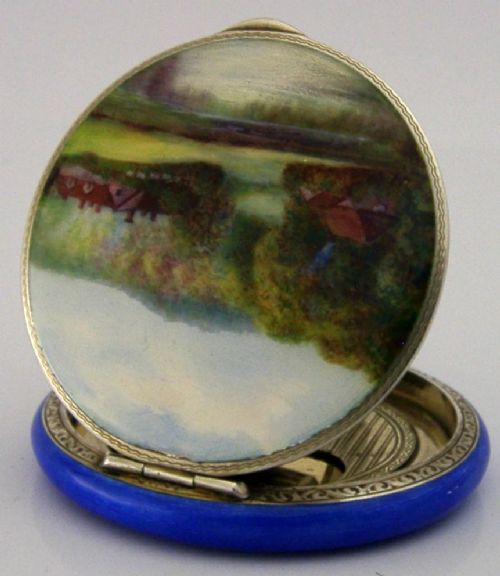
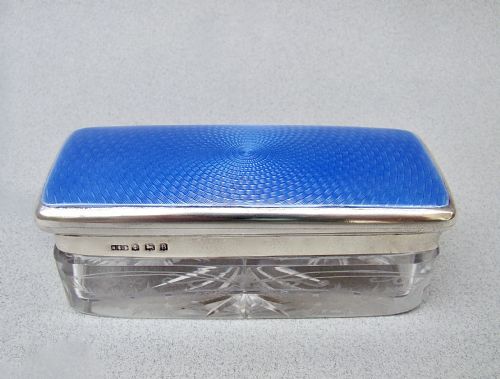
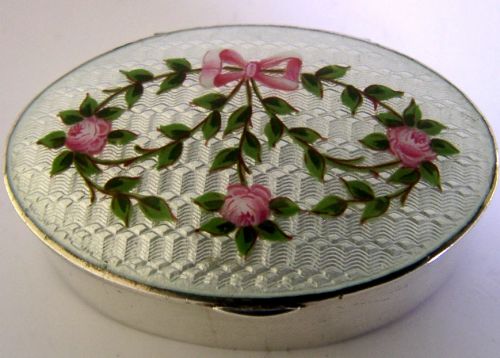
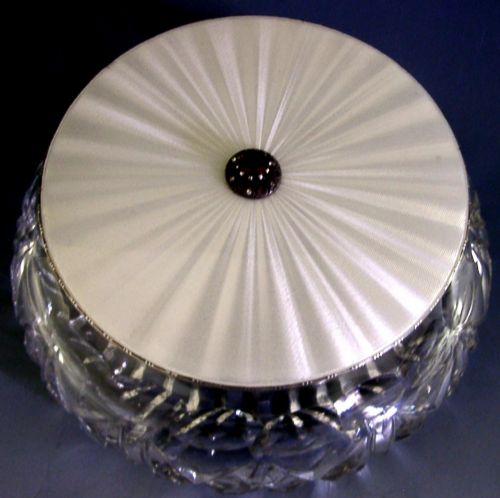
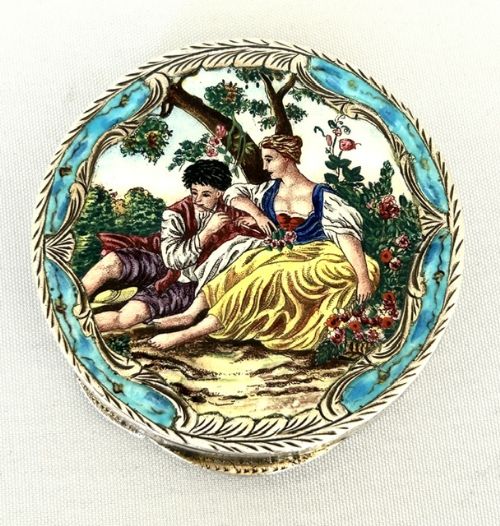
Craftsmen built these containers using sterling silver, brass, chrome or 800 silver as a structural chassis, frequently pairing metalwork with cut glass, Bristol blue glass, cranberry glass or porcelain bodies. Guilloche enamel technique involves engine-turning a geometric pattern into the underlying metal surface before applying translucent coloured enamel, allowing the engraved light to reflect through. Hand-painted enamel panels and floral scenes required meticulous brushwork followed by kiln-firing to fuse the vitreous glass paste securely to the base.
Silver-gilt interiors and gilt detailing added a layer of protection against the corrosive properties of cosmetics and tobacco, ensuring the longevity of the metal surfaces. Etched and cut glass jars utilised heavy press-moulding or wheel-cutting techniques before being fitted with screw or hinged metal lids. Hinges, bezels and latches were soldered by hand, requiring precise mechanical alignment to ensure flush closures on small pill boxes and compacts.
Many a Victorian lady relied on these tiny enamelled boxes to hide rogue beauty patches and secret cosmetic habits from polite society.
What varies in quality
Quality in these objects rests upon the crispness of the engine-turning beneath transparent guilloche enamel and the artistic execution of any hand-painted miniatures. Superior examples display dense, unblemished vitreous surfaces without hairline fractures or heavy restoration, whereas lesser pieces may show chipping around the bezel edges or clumsy solder repairs. The weight and gauge of the sterling silver or metal chassis also dictate quality, with heavier boxes providing a more substantial hand-feel and tighter mechanical closures.
The sophistication of the mechanism itself separates standard production from finer output, particularly in complex combination compacts and travel watch cases where hinges must operate smoothly over decades. Maker attribution plays a significant role, as pieces bearing the marks of established silversmiths or renowned design houses command higher regard than anonymous workshop output. The clarity and depth of the coloured enamel - whether rich cobalt blue, pink, green or bi-colour variations - define the ultimate visual success of the piece.
Henry Clifford Davis·George Adam Scheid·Henry Matthews·Richard Hudnut·Giuliano Spinelli
The Antique Enamelled Vanity Box Glossary
- Guilloche Enamel
- A decorative technique where a metal surface is mechanically engraved with a precise repetitive pattern under translucent enamel. This method creates a shimmering depth that shifts in the light.
- Sterling Silver
- An alloy of silver containing 92.5% silver and 7.5% other metals, usually copper, ensuring durability for dressing table wares. Most British pieces carry hallmark stamps verifying this standard.
- Patch Box
- A small container originally used in the 18th and 19th centuries to hold small fabric beauty patches worn on the face. These frequently featured hinged lids with enamelled topographical or sentimental scenes.
- Dressing Table Jar
- A container with a glass or porcelain body and a decorative lid, designed to hold creams, pins or trinkets upon a vanity. They often match other items in a complete vanity set.
- Silver-Gilt
- Silver that has been coated with a thin layer of gold on its surface, often applied to the interior of boxes to prevent tarnishing from cosmetics.
Antique Enamelled Vanity Box: Frequently Asked Questions
What were antique enamelled vanity boxes used for?
These containers served various daily grooming needs on the Victorian or Edwardian dressing table, holding loose powder, rouge, hairpins or small trinkets. Portable versions like compacts and pill boxes were carried in handbags for touch-ups away from home.
Their intimate nature meant they were often given as personal gifts, marked with initials, dates or scenic mementos on the enamelled lids.
How do I care for my antique enamel box?
Enamel is essentially glass fused to metal, meaning it requires careful handling to prevent scratching, chipping or thermal shock. Clean the surface gently with a soft, dry cloth and avoid harsh chemical dips that can damage the delicate metal mounts or compromise the enamel bond.
Keep glass and porcelain bodies secure when opening hinged lids, and store the boxes away from direct sunlight to preserve the vibrant hues of the coloured pigments.
How can I tell an Art Deco box from an Edwardian one?
Art Deco pieces dating from the 1920s and 1930s typically feature bold geometric patterns, symmetrical engine-turning, and streamlined chrome or sterling silver frames. The colour palette often leans towards striking contrasts like deep blue, black or vibrant pink enamel.
In contrast, Edwardian pieces from the early 1900s favour softer pastel tones, flowing floral garlands, ribbon motifs and Rococo Revival influences derived from 18th-century aesthetics.
Are all antique vanity boxes made of silver?
While sterling silver and 800 silver are common, many boxes utilise alternative materials such as brass, chrome, glass and porcelain for their primary bodies. Lids frequently combine these base materials with decorative guilloche or painted enamel panels.
Unmarked continental items and British pieces alike vary in their metal composition, making hallmarks a helpful guide rather than a universal feature.