


Antique Enamel Table Box
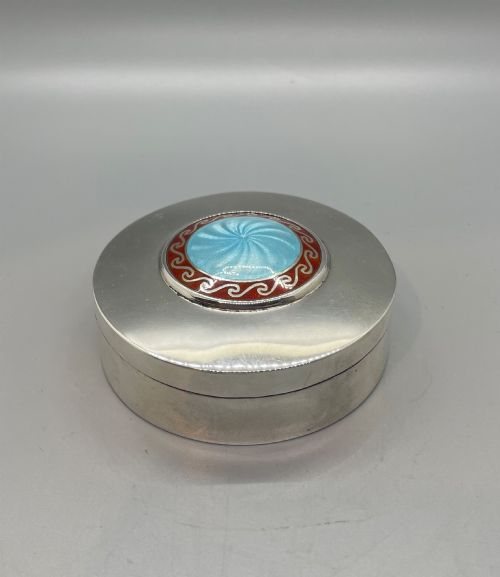
An antique enamel table box sits on a dressing table or desk to hold small trinkets, bringing colour and metalwork from the past into daily use.
Antique Enamel Table Box
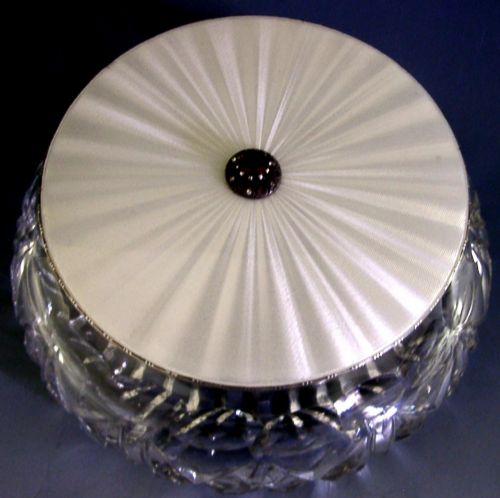
The selection includes glass and porcelain jars with enamel lids, alongside larger decorative boxes in bronze, copper and brass. Forms range from cylindrical dressing table jars to rectangular table boxes and bowls, reflecting the diverse uses collectors sought across different decades.
How they were made
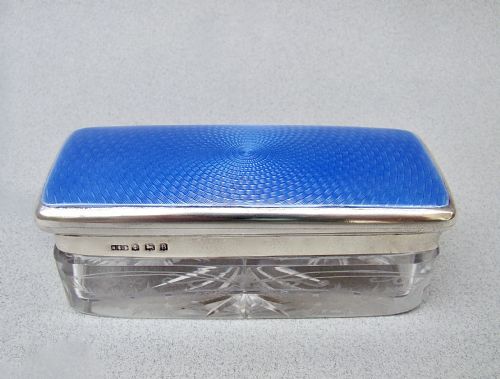
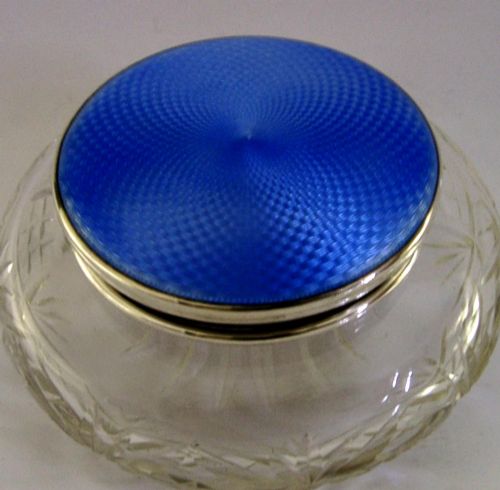
Makers fused vitreous enamel onto metal bases such as sterling silver, copper, brass and bronze, often employing guilloche techniques to engrave geometric patterns beneath translucent coloured coatings. Glass and porcelain bodies frequently received enamel painted decoration or fitted silver lids.
Silver mounts bore hallmarks indicating assay offices like Birmingham and London alongside maker marks, while older continental and Japanese pieces utilised cloisonne or champleve methods to separate coloured enamel pastes within wire cells or cast troughs before firing.
Periods represented across the pieces range from the Victorian era and the Edo period through Edwardian times to Art Deco.
What varies in quality
The distinction between standard containers and exceptional pieces lies in the crispness of the engine-turning beneath translucent enamel and the weight of the underlying sterling silver or bronze. Heavier gauges of metal and complex multi-coloured enamel work denote superior craftsmanship.
Finer boxes display precise hand-painted details, flawless vitreous surfaces without chipping, and well-fitted hinges that close securely. The presence of documented makers and clear hallmarks also elevates the standing of an individual piece.
Henry Clifford Davis·Sampson Mordan·Goldsmith's and Silversmith's Co.
The Antique Enamel Table Box Glossary
- Guilloche Enamel
- A decorative technique where metal is engine-turned with an intricate geometric pattern before a translucent enamel layer is applied over the top. This allows the engraved light to reflect through the coloured glass surface.
- Champleve Enamel
- A method where troughs or cells are hollowed out of a metal surface, such as bronze or copper, and filled with enamel powder before firing. The surrounding metal forms visible lines outlining the design.
- Cloisonne Enamel
- A process where thin metal wires are soldered onto a metal base to create compartments that are subsequently filled with enamel pastes. After firing, the surface is polished smooth.
- Sterling Silver
- An alloy of silver containing ninety-two point five percent silver by mass and seven point five percent other metals, typically copper. Most British table boxes utilise this standard and display official assay office hallmarks.
- Viennese Enamel
- Enamelwork produced in Vienna during the nineteenth century, typically featuring mythological or pastoral scenes painted in polychrome colours on small bronze or brass cabinets and vessels.
Antique Enamel Table Box: Frequently Asked Questions
What were antique enamel table boxes used for?
These vessels held small personal items such as hairpins, rings, trinkets and cosmetics on dressing tables and desks.
Larger variants served as decorative display pieces or repositories for stamps and small documents in period interiors.
How do I date an English enamel box?
British silver mounts carry hallmarks indicating the assay office, standard mark and a specific date letter corresponding to the year of manufacture.
Stylistic indicators such as Art Deco geometric lines or Edwardian floral motifs help narrow down the production era when hallmarks are absent.
What is guilloche enamel?
Guilloche is a decorative technique involving mechanical engraving of precise patterns into a metal substrate.
Translucent enamel is then fired over the engraving, allowing light to catch the underlying pattern.
How should I clean my enamel box?
Enamel surfaces require gentle wiping with a soft, damp cloth to remove dust without scratching the vitreous layer.
Silver mounts can be polished carefully with a specialist cloth, avoiding direct contact between polish and the enamel edges.