





Antique Enamel Pot
When an antique enamel pot catches the eye, it brings together fine metalwork, coloured glass, and domestic utility from centuries past.
Antique Enamel Pot
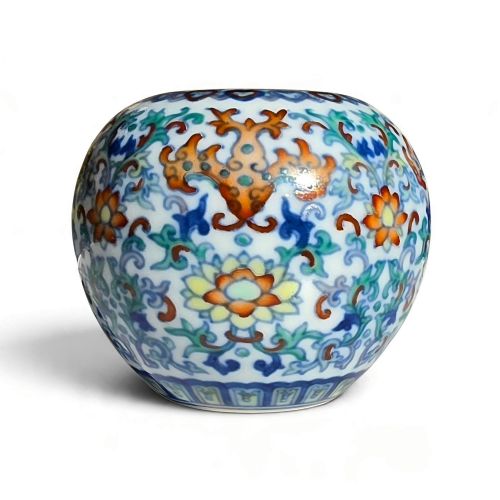
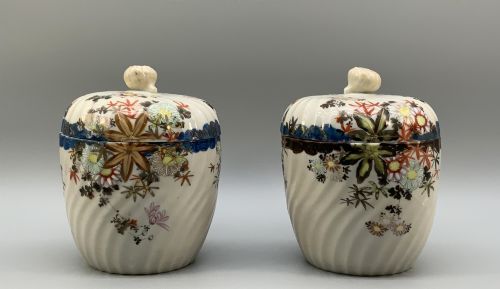
An antique enamel pot covers a broad range of vessels, from small dressing table jars and trinket boxes to larger ginger jars and jardinières. These pieces appear in diverse forms originating from British, French, Chinese, and Japanese makers across the Victorian, Edwardian, and Art Deco periods.
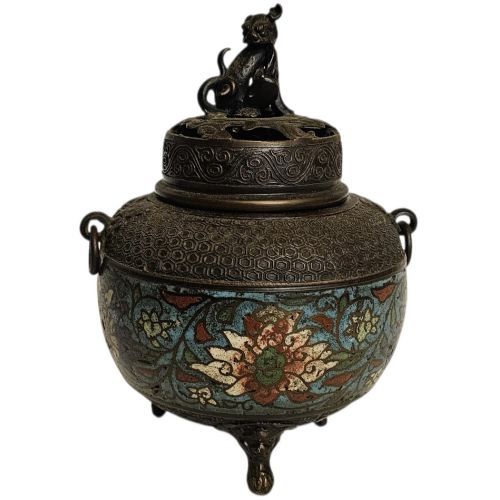
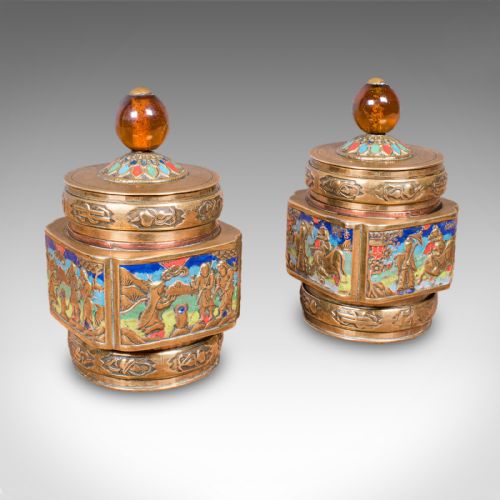
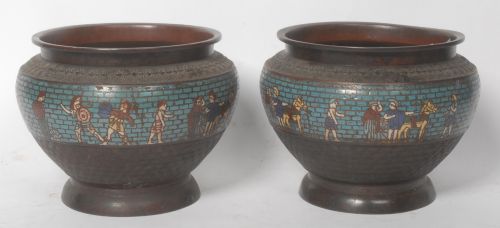
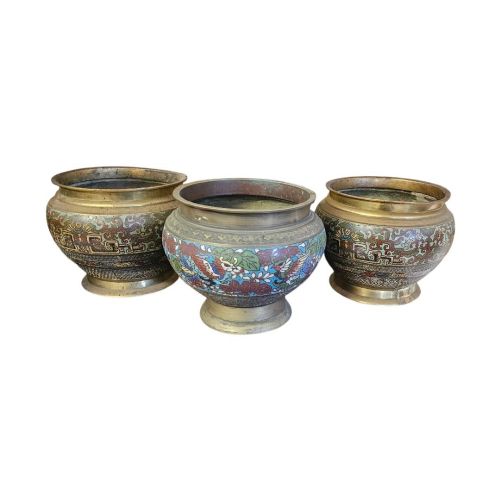
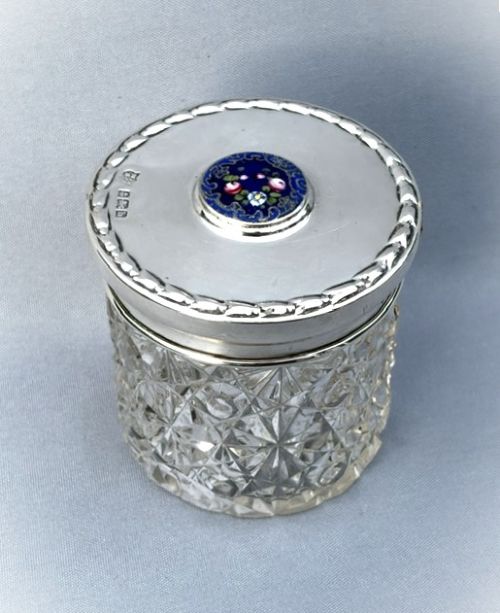
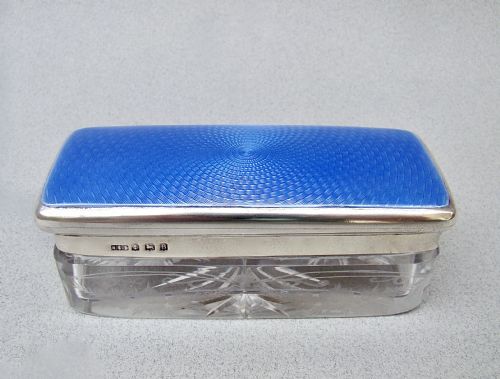
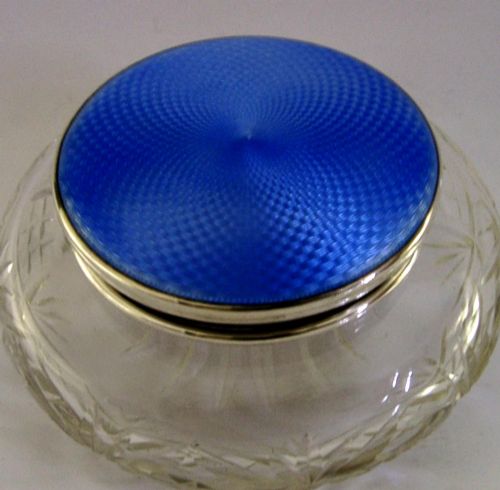
The version most commonly found on this page is the small lidded container, often created for dressing tables or vanity use in sterling silver and guilloché enamel, alongside Asian cloisonné and champlevé vessels.
Whether designed for cosmetics, tea, or decorative display, each antique enamel pot reflects the prevailing aesthetic tastes of its decade, spanning the mid-nineteenth century through to the 1930s.
How they were made
The construction of these vessels relies on fusing powdered glass to a metal or ceramic base through high-temperature firing. Makers utilised copper, bronze, and sterling silver as foundations for cloisonné and champlevé techniques, where wires or carved troughs separate the coloured enamel pastes.
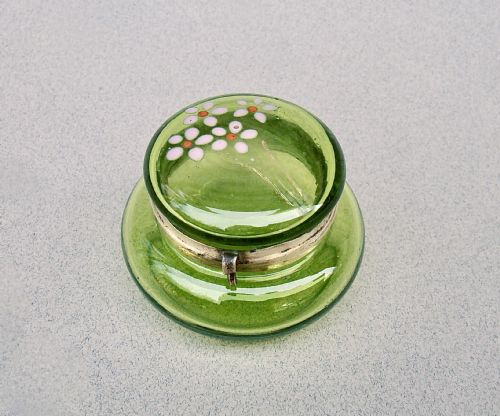
Glass and porcelain pieces frequently incorporate hand-painted enamel decoration or translucent guilloché patterns set beneath engine-turned silver lids. This combination of vitreous enamel with precious metals, brass, and cut glass demands precise kiln work and careful metalsmithing.
Antique Enamel Pot Retail Price Guide 2026
Typical asking prices for enamel pot among the pieces listed under this phrase on Sellingantiques today, from the lower quarter to the upper quarter. They describe what is for sale here now, not the wider market.
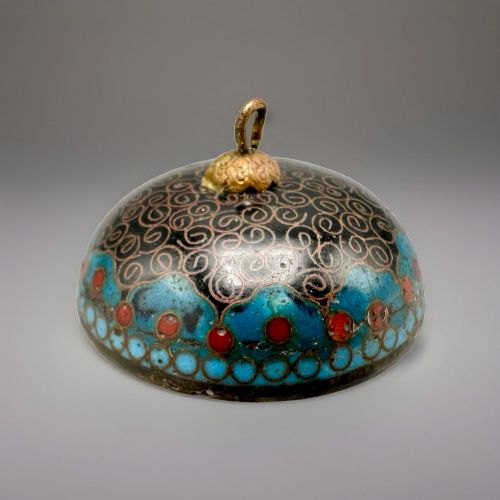
Among the small containers hide tiny Japanese sake kettles topped with unexpected cloisonné lids, ready for miniature toasts.
What varies in quality
The distinction between standard utility items and finer pieces lies in the precision of the metalwork and the clarity of the vitreous enamel. Superior examples display even thickness across the enamel layers, vibrant pigments free from cloudiness, and crisply executed wirework or engine-turned patterns beneath translucent glazes.
Makers who invested time in hand-finished silver mounts and detailed hand-painted motifs achieved a level of refinement that elevates a simple container into an accomplished work of decorative art.
Henry Clifford Davis·Makuzu Kozan II·Shizan
The Antique Enamel Pot Glossary
- Cloisonné enamel
- A decorative technique where thin metal wires are soldered to a metal base to form compartments, which are then filled with enamel paste and fired. This method creates intricate cellular patterns across jars and vases.
- Champlevé enamel
- A process in which troughs or cells are hollowed out of a metal surface and filled with enamel before firing. It yields bold linear designs often seen on bronze cachepots and tea caddies.
- Guilloché enamel
- A decorative coating applied over a metal substrate that has been mechanically engraved with precise geometric patterns. The translucency of the enamel allows the underlying etched design to show through.
- Famille rose
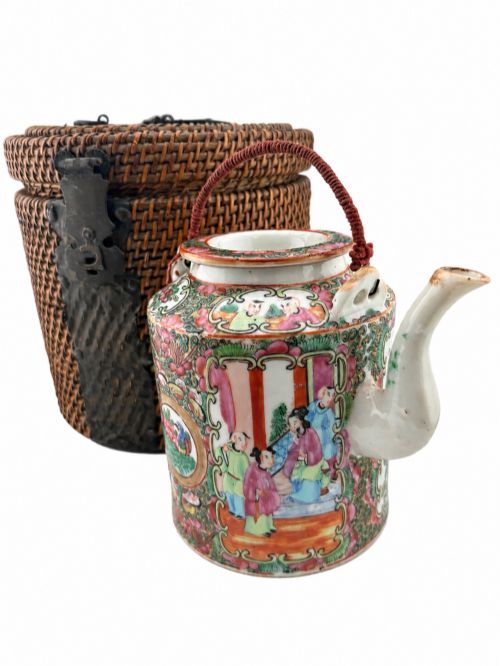
- A palette of opaque enamel colours dominated by pink, introduced to Chinese ceramics in the eighteenth century. Pieces bearing these pigments display soft floral and pictorial compositions.
- Jardinieres
- Large decorative pots or stands intended to hold growing plants or floral arrangements. They frequently appear in bronze or ceramic bodies with detailed surface decoration.
Antique Enamel Pot: Frequently Asked Questions
What were antique enamel pots used for?
These vessels served various domestic and personal functions, ranging from holding cosmetics and rouge on a dressing table to storing tea, spices, or small keepsakes.
Larger versions, such as ginger jars and jardinières, were designed for storage or interior decoration, reflecting the diverse utility of enamelware across different cultures.
How do I identify an Art Deco enamel pot?
Art Deco pieces from the 1920s and 1930s typically feature clean geometric lines, engine-turned guilloché patterns, and bright contrasting colours set into sterling silver mounts.
They are frequently found as dressing table jars or powder bowls bearing hallmarks from cities like Birmingham and London.
What is the difference between cloisonné and champlevé?
Cloisonné involves soldering thin flat wires onto the surface of a metal vessel to create raised boundaries for the enamel colours.
Champlevé relies on carving or casting troughs directly into a thicker bronze or metal base to hold the vitreous paste.
How should I clean an antique enamel pot?
Cleaning requires gentle care, using a soft dry cloth to remove dust from the glass and metal surfaces without abrasive agents.
Harsh metal polishes should be kept away from the enamel sections to prevent scratching the vitreous glass or wearing down delicate silver details.