






Antique Enamel Jar
An antique enamel jar brings together vibrant colour and careful metalwork, serving as both a functional container and a striking decorative piece.
Antique Enamel Jar
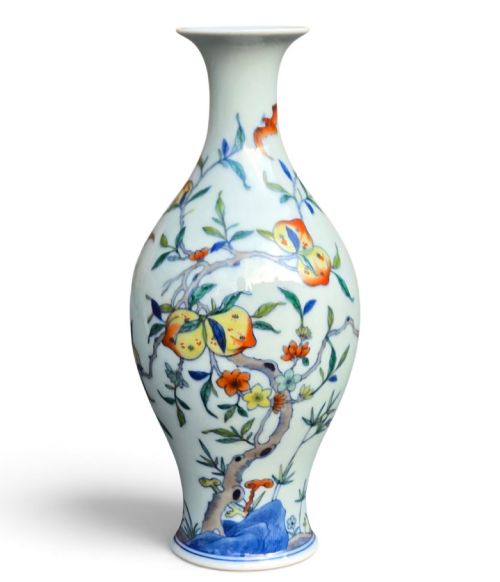
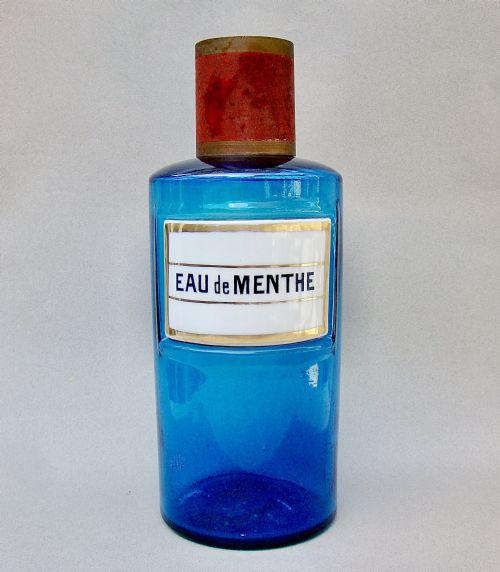
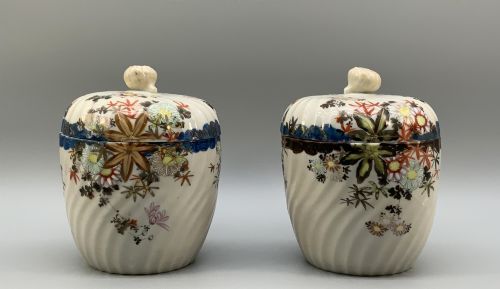
When you search for an antique enamel jar, you encounter vessels designed for varied domestic uses, ranging from dressing table pots and trinket boxes to lidded ginger jars and larger vases. These pieces cross several periods, extending from the eighteenth century through the Victorian and Edwardian eras into the Art Deco years.
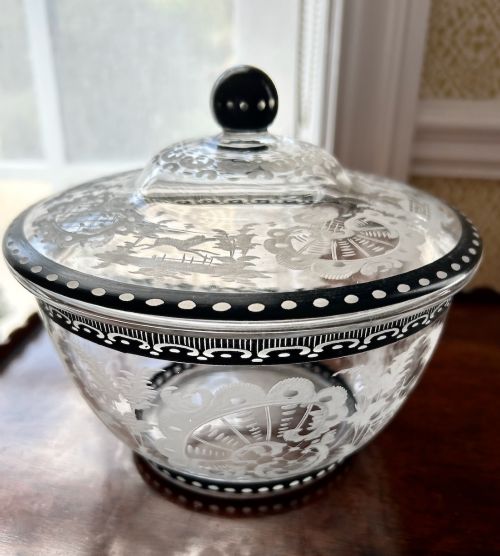
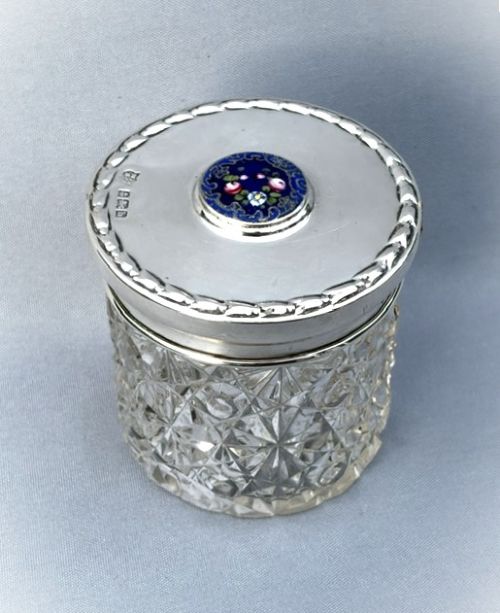
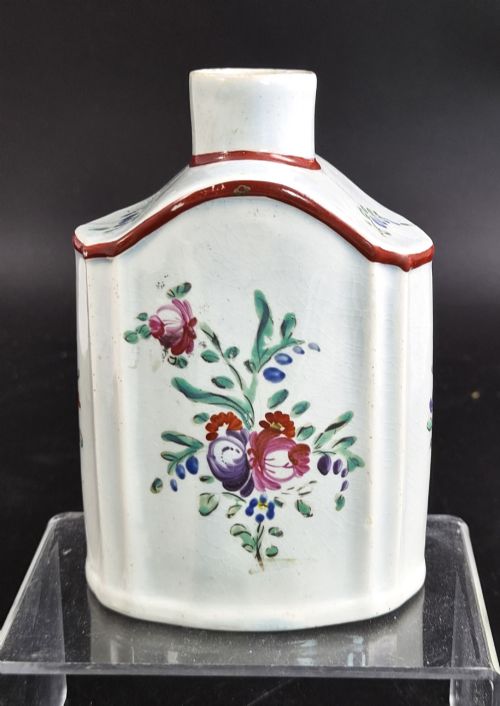
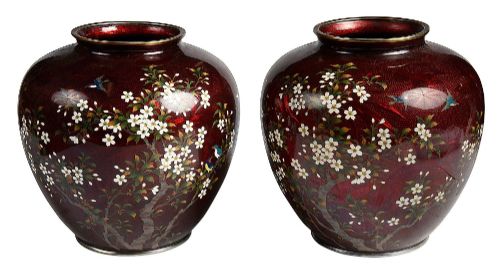
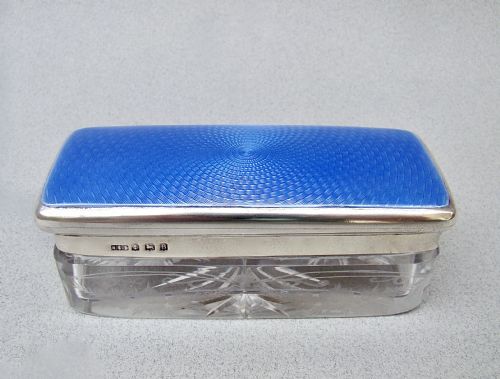
The selections on this page originate from diverse traditions, including English ceramics and glassware, alongside Japanese cloisonné and Chinese porcelain. You meet everything from small silver-mounted vanity pots with guilloché decoration to substantial floor vases and lidded containers painted with floral or figural scenes.
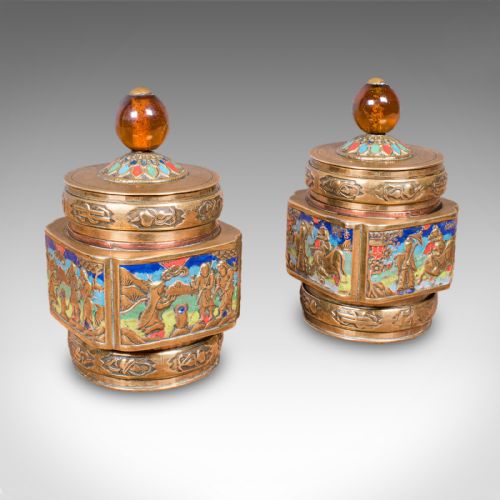
Forms vary from straightforward cylindrical canisters and gourd pots to complex garniture sets and garlic-head vessels. Each type reflects the specific aesthetic of its maker, whether that lies in European glass enamelling or East Asian metallic wirework.
How they were made
The construction of these items combines vitreous enamelling techniques with a base of porcelain, glass, earthenware, copper, or brass. Craftsmen fused powdered glass onto metal or ceramic surfaces through high-temperature firing, creating durable and glossy finishes.
Many examples incorporate precious metals, utilising sterling silver mounts, gold leaf accents, and engraved brass frames to secure glass and ceramic bodies. Cloisonné pieces rely on thin metal wires soldered to a metal base to create compartments that receive distinct coloured enamels before firing.
Antique Enamel Jar Retail Price Guide 2026
Typical asking prices for enamel jar among the pieces listed under this phrase on Sellingantiques today, from the lower quarter to the upper quarter. They describe what is for sale here now, not the wider market.
Listings include items spanning the eighteenth century, Victorian era, Edwardian period, and the 1920s Art Deco movement.
What varies in quality
Quality rests upon the precision of the enamel work and the harmony between the decorative surface and the underlying material. Superior examples display smooth, even vitreous surfaces without pitting or clouding, whilst finer metal mounts show crisp engraving and secure fitting.
Artistry in hand-painted designs distinguishes standard production items from exceptional pieces, particularly in the detailed execution of floral motifs, figures, and geometric guilloché patterns. The weight and clarity of the glass or porcelain body further define the grade of the vessel.
Henry Clifford Davis·Henry Perkins·George Tye·Makuzu Kozan·Shizan
The Antique Enamel Jar Glossary
- Cloisonné
- A metalwork technique where thin wires are soldered to a base to form cells that are filled with enamel paste and fired. This method creates intricate patterns separated by fine metallic lines.
- Guilloché
- A decorative engraving technique producing precise, intricate geometric patterns beneath a translucent enamel layer. It appears frequently on twentieth-century silver vanity items.
- Famille-rose
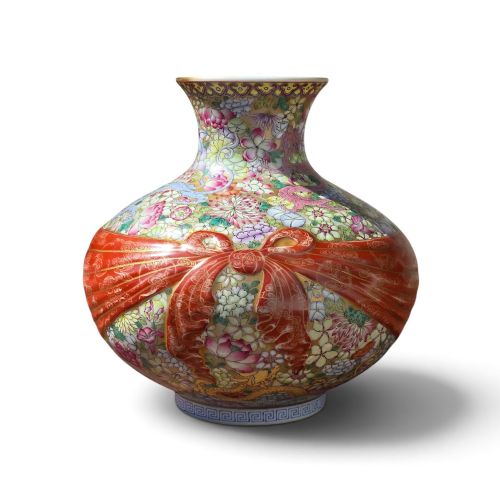
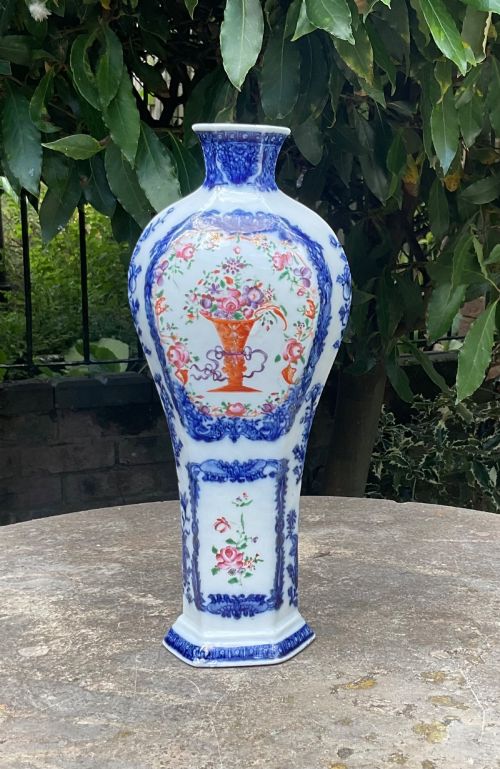
- A palette of Chinese ceramic enamels dominated by opaque pink or rose colours, introduced during the Qing dynasty. The style covers numerous traditional floral and figural compositions.
- Garniture
- A set of matching vases or jars designed to be displayed together on a mantelpiece or cabinet. These matching groups often feature graduated sizes or complementary decorative schemes.
Antique Enamel Jar: Frequently Asked Questions
What were antique enamel jars used for?
These vessels served numerous practical roles in historical households, holding cosmetics, pins, tobacco, tea, or biscuits.
Smaller lidded pots sat upon dressing tables for toiletries, whilst larger ginger jars and vases functioned as dry storage or purely ornamental objects.
How do I clean an antique enamel jar?
Maintenance requires gentle handling to protect fragile glass surfaces, delicate metal mounts, and fired vitreous enamel.
Dusting with a soft, dry cloth is usually sufficient, avoiding harsh chemical cleaners or submersion in water that might damage silver or exposed metal joins.
How can I tell the period of a jar?
Dating relies on examining the combination of materials, hallmarks on silver mounts, and stylistic traits like Art Deco geometric patterns or Victorian floral painting.
Maker marks and stamped registry numbers on the metal components provide precise manufacturing dates for many pieces from the later nineteenth century onwards.
Are these jars fragile?
The materials involved, particularly glass, porcelain, and fired enamel, require careful placement to prevent chipping or cracking from impacts.
While the fused glass surface is durable, dropping a piece or subjecting it to rapid temperature changes can cause irreversible damage to the decorative finish.