






Antique Embroidery Screen
An antique embroidery screen brings needlework and textile art into the room as functional furniture, offering both historical craftsmanship and decorative warmth.
Antique Embroidery Screen
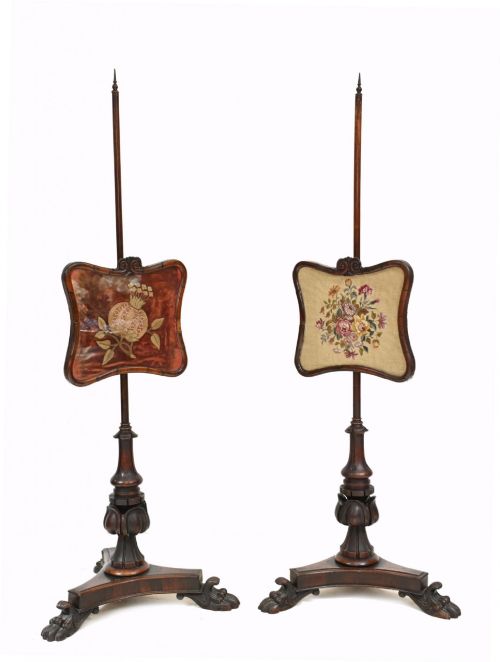
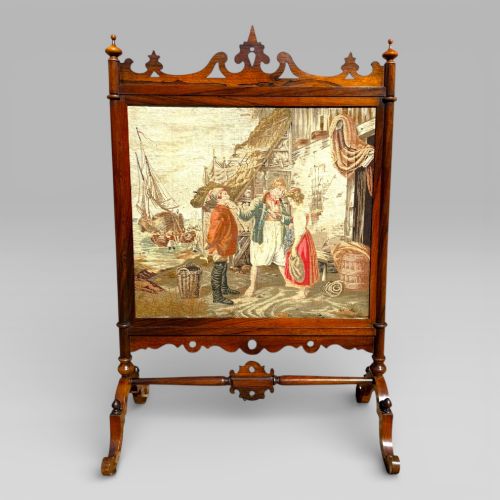
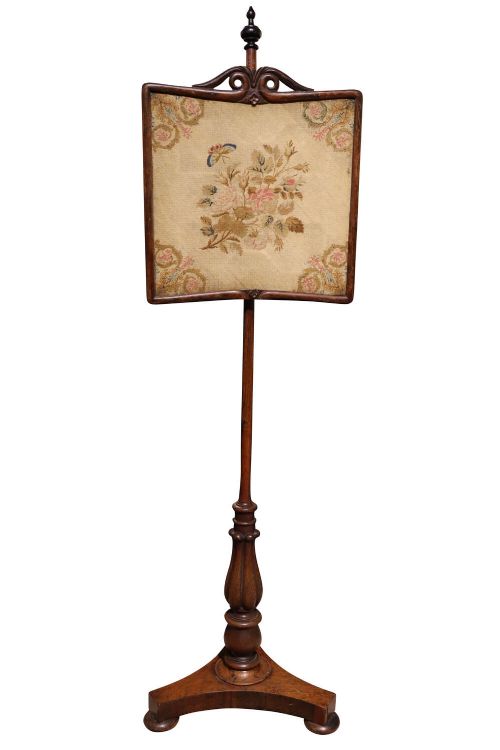
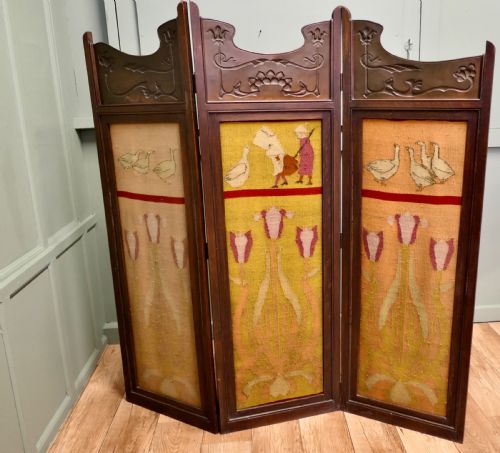
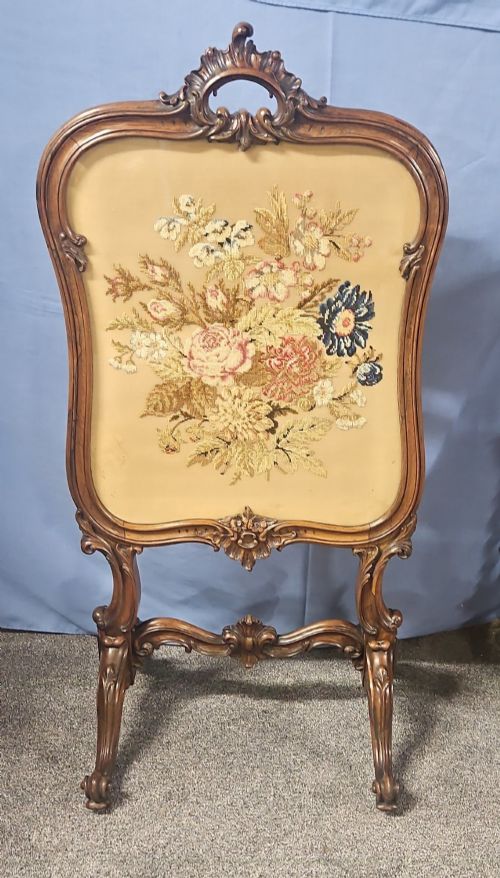
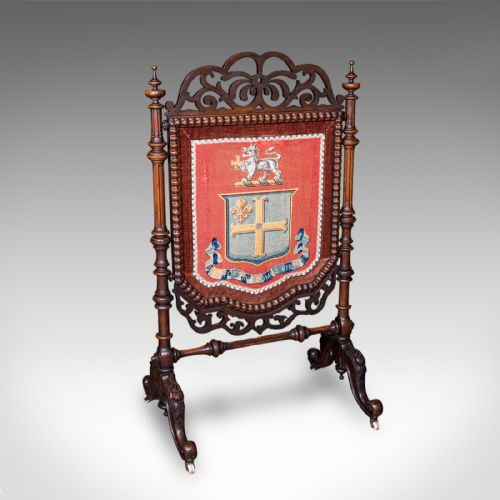
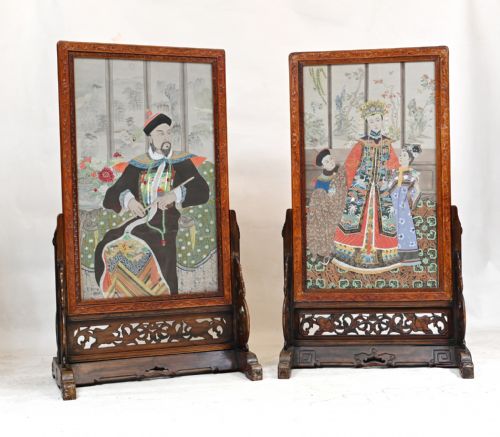
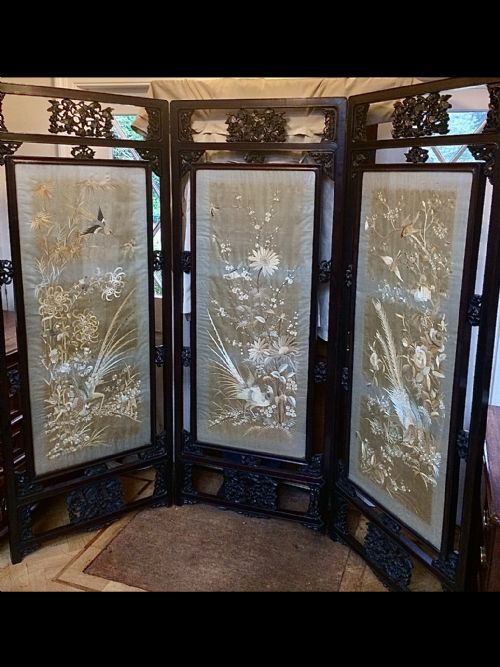
An antique embroidery screen serves primarily as a decorative room divider, a tabletop display piece, or a fire screen designed to shield occupants from the direct heat of an open hearth. When you search for this phrase, you encounter forms ranging from freestanding pole screens and multi-fold room dividers to metamorphic tables and framed wall art.
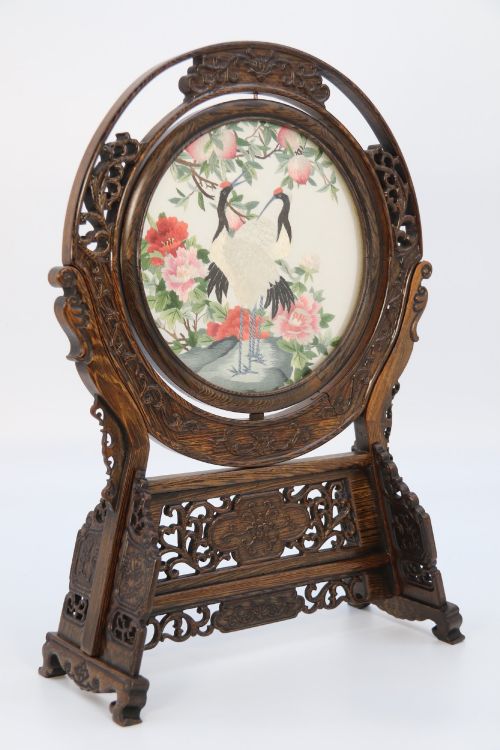
The Victorian period supplies the greatest number of examples on this page, often utilising mahogany, walnut, rosewood, or satinwood frames mounted with needlepoint, wool, or silk embroidery. Alongside British and Irish pieces, the selection includes Chinese and Japanese silk works framed in hardwood, as well as Regency, Edwardian, and Art Nouveau variations.
Materials and construction
Makers constructed the structural frames from dense hardwoods such as mahogany, oak, walnut, rosewood, and palisander, frequently employing turnings, carving, and gilding. These timber frames house textile panels worked in silk, wool, and metallic thread using needlepoint, cross-stitch, or fine flat-stitch embroidery.
Protection and display relied on glazing with glass to safeguard delicate silk and wool needlework from dust and soot, particularly on fire screens and pole screens. Rotating mechanisms, hinged multi-fold joints, and ingenious table conversions demonstrate the mechanical joinery expected in finer examples.
Antique Embroidery Screen Retail Price Guide 2026
Typical asking prices for embroidery screen among the pieces listed under this phrase on Sellingantiques today, from the lower quarter to the upper quarter. They describe what is for sale here now, not the wider market.
One clever Victorian managed to combine tea time and needlework by inventing a fire screen that turns into an occasional table.
What separates the finest examples
The distinction between standard domestic pieces and the finest examples rests upon the execution of the textile work and the choice of cabinet timbers. Dense, highly figured woods like satinwood and palisander, combined with intricate petit-point needlework or double-sided silk embroidery, mark the upper tier of the range.
Structural integrity and original components dictate the desirability of a screen. Pieces retaining their original hand-stitched panels, unblemished glass, and functional adjustment mechanisms demonstrate superior preservation compared to those altered or re-strung later.
The Antique Embroidery Screen Glossary
- Pole screen
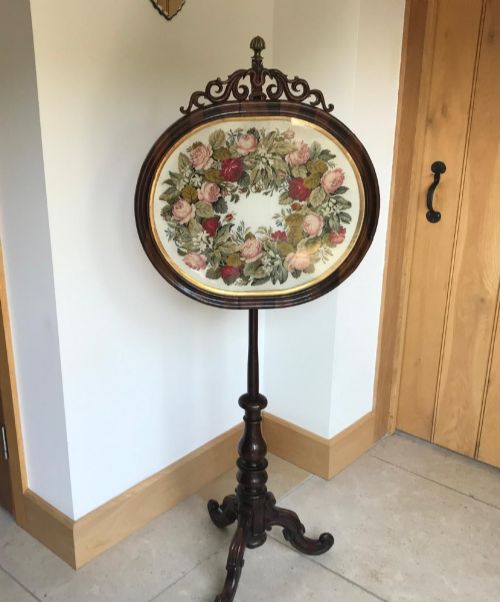
- A type of vertical screen featuring an adjustable panel mounted on a central wooden pole with a tripod base. This design allowed the user to slide the needlework up or down to block hearth heat.
- Petit-point
- A fine needlepoint stitch worked on single-thread canvas that permits high detail and shading in pictorial embroidery. It appears on many Victorian and Regency panels.
- Palisander
- A dense, richly coloured tropical hardwood often used in Regency and Victorian cabinet making. Its dark grain provides a strong contrast to lighter embroidered silks.
- Needlework sampler
- A piece of embroidery demonstrating various stitches and patterns, sometimes mounted directly into a wooden frame for display. These samplers record domestic needle skills from earlier centuries.
- Metamorphic furniture
- An object designed to transform from one form of furniture into another, such as a fire screen that folds flat to serve as an occasional table. This ingenuity appears in later pieces.
Antique Embroidery Screen: Frequently Asked Questions
What is a pole screen used for?
A pole screen was placed near a fireplace to protect a lady's face from the radiant heat of the open fire, which could melt heavy cosmetics or flush the skin. The sliding panel allowed the height of the shield to be adjusted as needed.
Over time, these pieces evolved into decorative items that showcased fine needlework skills within the principal rooms of a home.
How do I care for antique silk embroidery?
Protect textile panels from direct sunlight to prevent the fading of silk and wool threads. Keep the pieces away from damp environments and sources of excessive heat.
If the screen is glazed, the glass protects the delicate fibres from dust and handling. Clean the wooden frames gently with a dry cloth, avoiding harsh liquid polishes.
How do I tell a Victorian screen from a Regency one?
Regency screens often feature crisp mahogany or palisander frames with classical proportions and restrained mounts, frequently taking the form of pole screens with tapestry panels. Victorian examples tend to use walnut, rosewood, or satinwood with heavier carving, exuberant Revival styling, or elaborate needlepoint.
Examining the turning of the woodwork and the style of the textile motifs helps clarify the period of manufacture.
Are Chinese embroidery screens different from British ones?
Chinese screens on this page typically feature fine silk embroidery mounted in carved hardwood frames, sometimes with double-sided stitching on rotating stands or multi-fold panels. British examples rely more heavily on wool needlepoint, gros-point, or framed samplers set into European furniture forms.
Both traditions demonstrate exceptional needlework, but differ entirely in aesthetic vocabulary and framing techniques.