
Antique Embroidered Tapestry
When you search for antique embroidered tapestry, you are looking at centuries of needlework applied to wall hangings, pole screens, and framed panels.
Antique Embroidered Tapestry
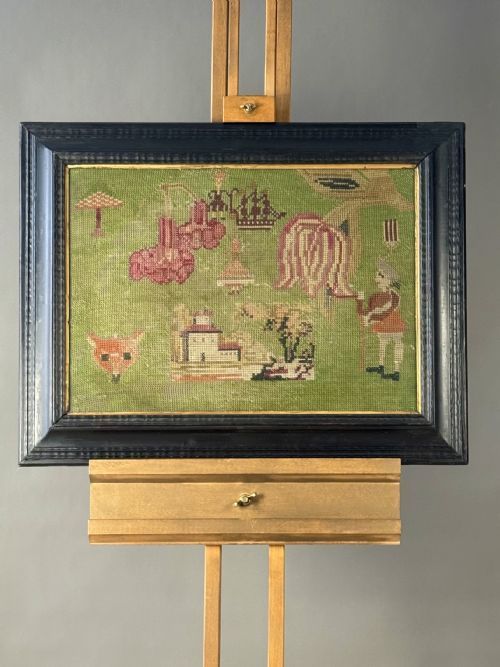
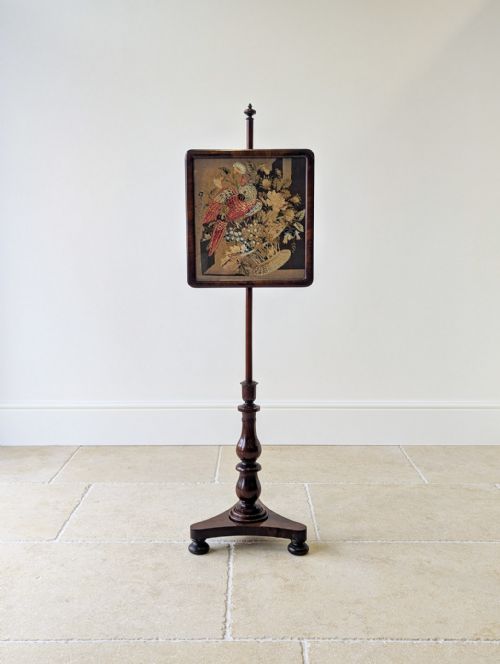
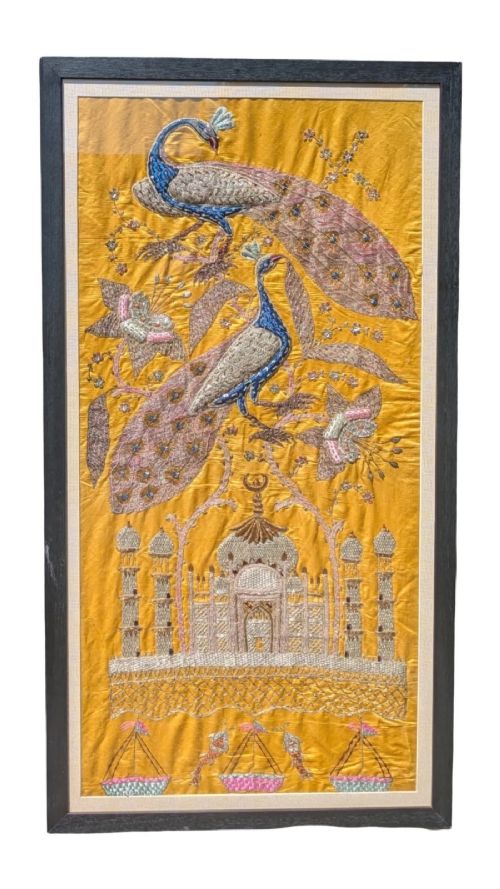
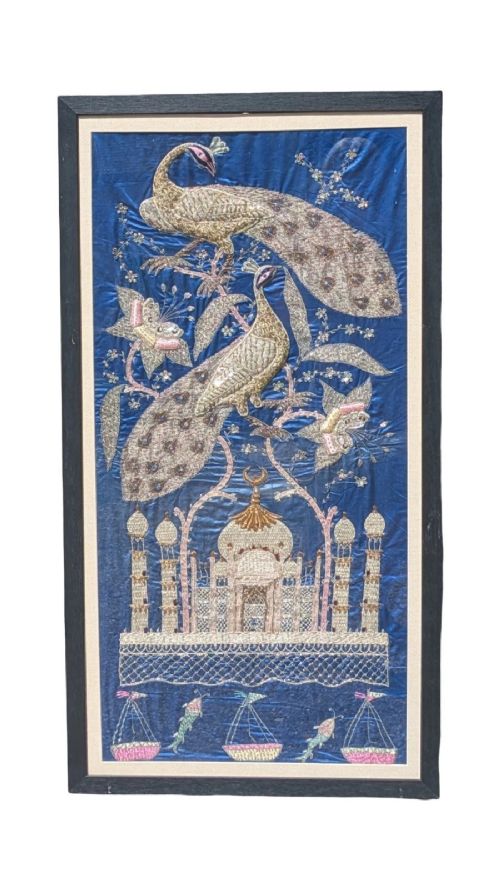
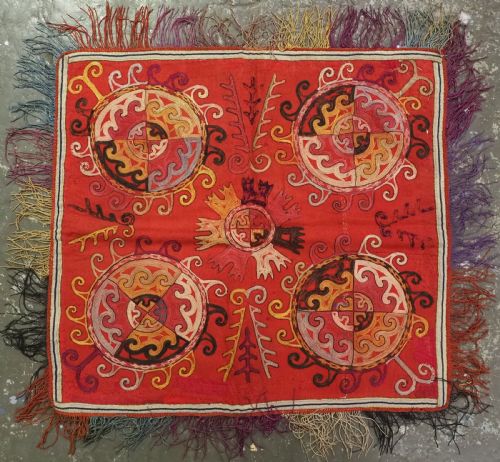
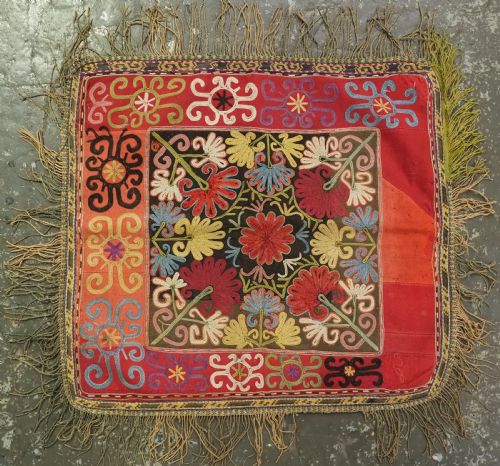
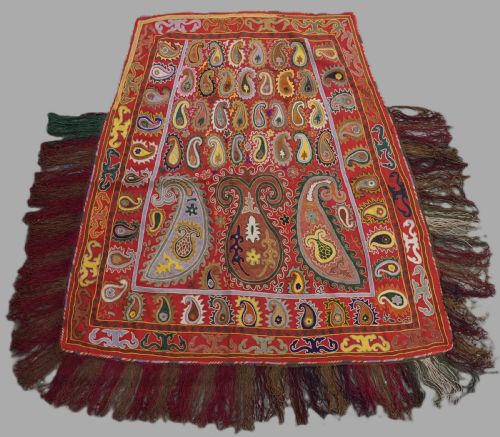
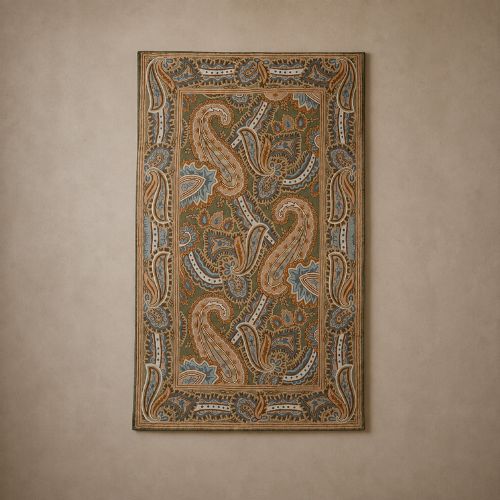
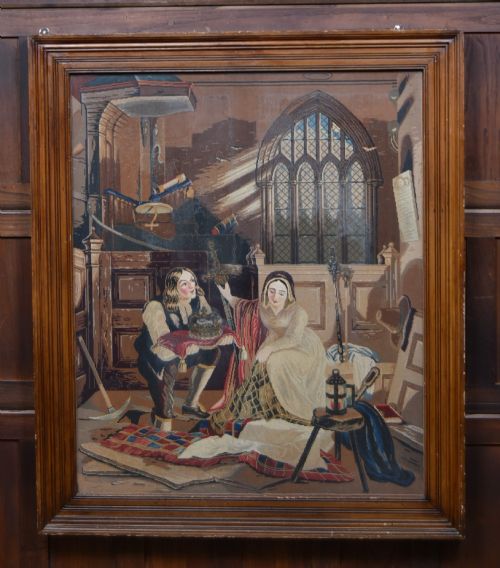
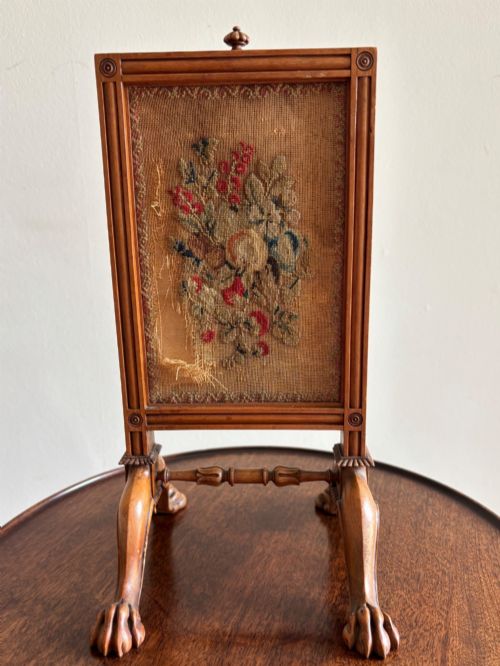
An antique embroidered tapestry combines needlework and textile art across various forms, including wall hangings, framed panels, pole screens, and footstools. You will frequently encounter items such as 19th-century English pole screens, Central Asian suzanis, and Victorian needlework pictures.
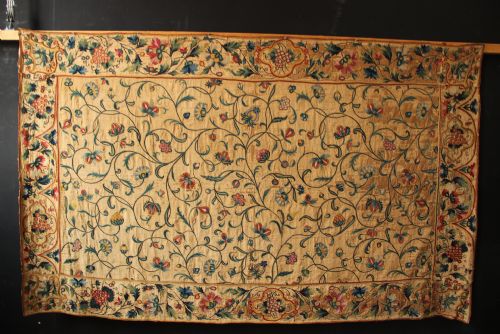
The selection ranges from early English crewelwork and 17th-century continental panels to Uzbek tribal embroideries and Chinese silk panels. These objects served functional roles as fire screens and furnishings or purely decorative purposes as wall art and mounted pictures.
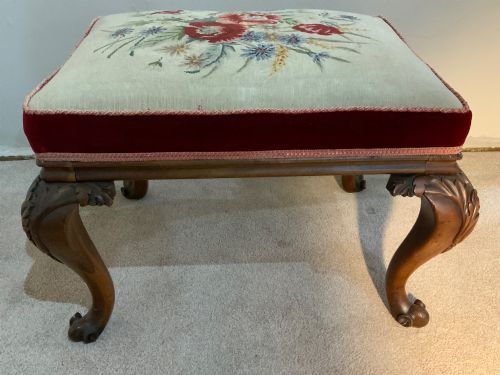
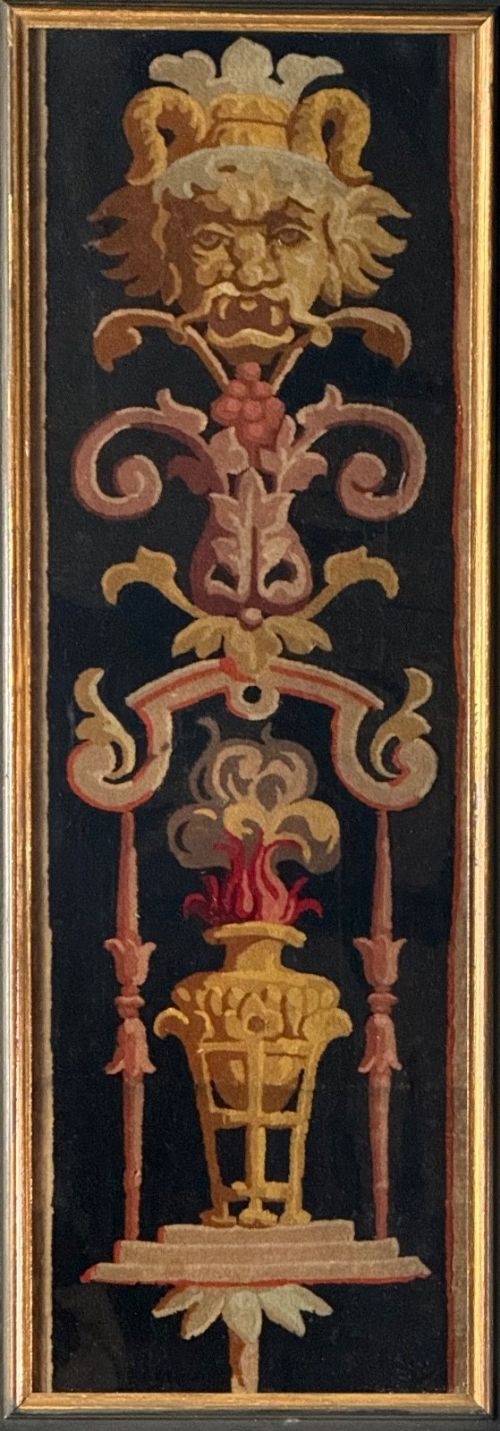
Stools and small tables often incorporate needlepoint or wool work upholstery, while larger textiles function directly as wall hangings or dowry pieces. The variety spans European classical and armorial designs alongside distinct regional traditions from India, China, and Central Asia.
How they were made
These pieces are constructed using natural materials such as silk, wool, and cotton stitched onto canvas, linen, or cotton foundations. Artisans employed various needlework techniques, including crewelwork, gros-point, and needlepoint, often pairing fine silk threads with heavy wools.
Many textiles are mounted within wooden frames of mahogany, rosewood, walnut, or giltwood, sometimes protected under glass. Support structures for screens and stools involve turned and carved timber frames executed in styles from the Georgian and Victorian periods.
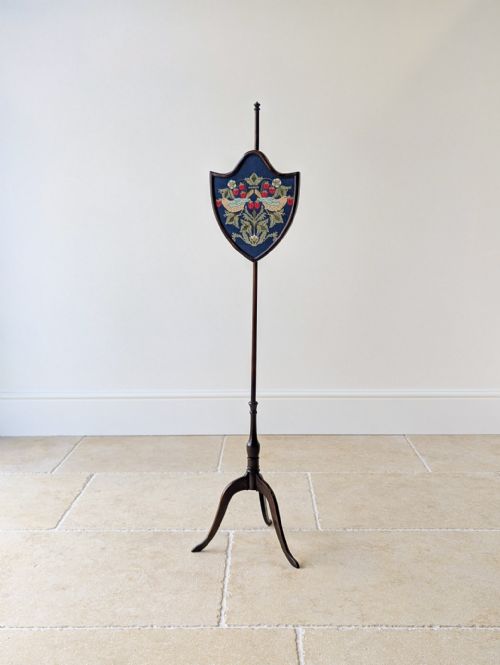
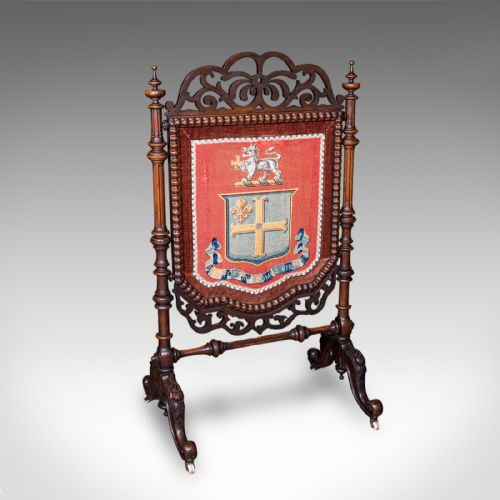
The furniture forms on this site incorporate needlework into functional items like tripod pole screens, piano stools, and cheval screens.
What varies in quality
The choice of materials contributes to the overall standard, with pure silk embroidery on fine silk grounds representing a different tier from coarser wool work. Furthermore, the integrity of the original wooden frame or mounting enhances the standing of a textile panel.
Gillows
The Antique Embroidered Tapestry Glossary
- Suzani
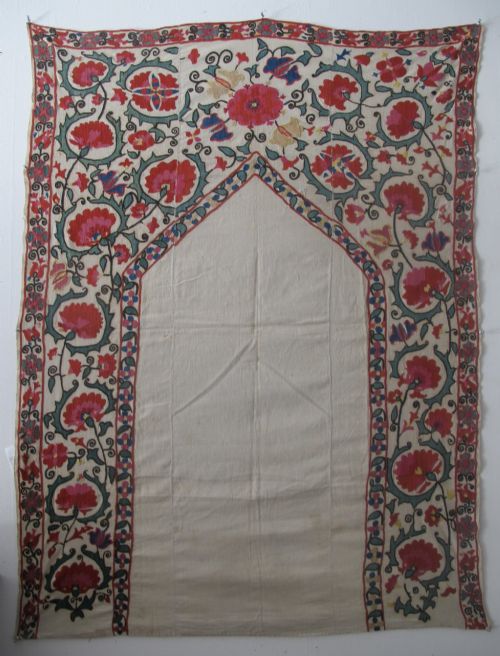
- A type of embroidered tribal textile originating from Central Asia, traditionally worked in silk on a cotton or silk ground. These pieces often feature bold floral or architectural motifs and served as dowry items.
- Pole screen
- An adjustable fireside screen mounted on a vertical wooden pole and tripod base, designed to deflect heat from an open fire. The sliding panel usually displays needlework or embroidery.
- Crewelwork
- A traditional form of surface embroidery executed using wool yarn on a sturdy linen or cotton twill fabric. It appears frequently in early English wall hangings and large textile panels.
- Gros-point
- A form of needlepoint stitch worked on a coarse canvas backing using thick wool threads. This technique creates a durable, textured surface often utilised for upholstery on stools and fire screens.
- Armorial
- A design incorporating a family coat of arms or heraldic insignia. These motifs appear on embroidered panels and decorative screens associated with lineage.
Antique Embroidered Tapestry: Frequently Asked Questions
How were pole screens used?
Pole screens were placed near fireplaces in formal rooms to protect a lady's face from the intense radiant heat of the hearth. The adjustable screen panel could be raised or lowered along the wooden shaft as needed.
These pieces combined practical utility with interior decoration, allowing makers to showcase fine needlework mounted within mahogany or rosewood frames.
What is a suzani used for?
Suzanis were traditionally created in Central Asia as part of a bride's dowry, stitched collaboratively by family members. They functioned as wall hangings, bed covers, or ceremonial coverings within nomadic and village homes.
Today, these embroidered textiles are typically displayed as wall art to highlight their intricate silk designs and regional motifs.
How do I care for antique textiles?
Antique embroideries require protection from direct sunlight to prevent the fading of natural silk and wool threads. Keeping them away from excessive moisture and fluctuating humidity preserves the integrity of the fabric and foundation.
Framed panels under glass benefit from sealed backs, while wall hangings benefit from weight-distributed hanging systems that avoid stressing the old material.
How can I tell the period?
Dating relies on examining the combination of the support structure, the wood type, and the needlework style. Georgian and William IV pieces often feature mahogany or rosewood frames with classical proportions, whereas Victorian examples tend toward heavier carving or rosewood veneer.
The specific stitches, colour palettes, and regional motifs also offer clear indicators of whether a piece originates from seventeenth-century Europe or nineteenth-century Central Asia.