


Antique Elm Seating
These antique elm seating pieces bring sturdy country character and tactile timber grain to everyday rooms.
Antique Elm Seating
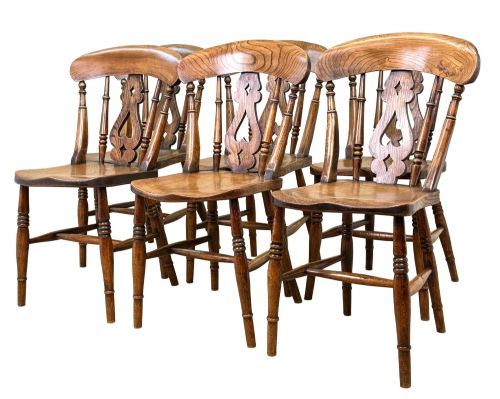
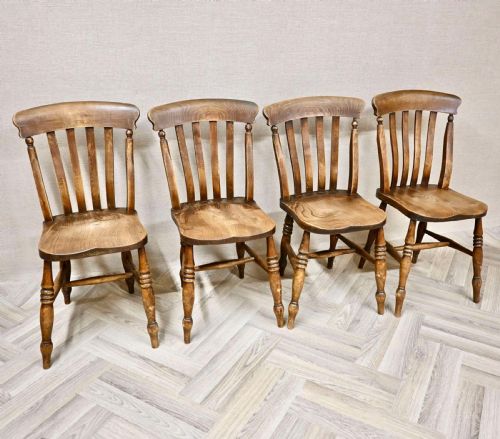
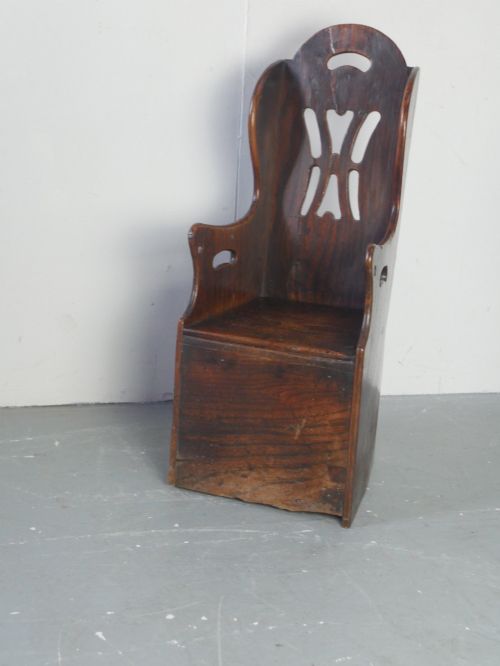
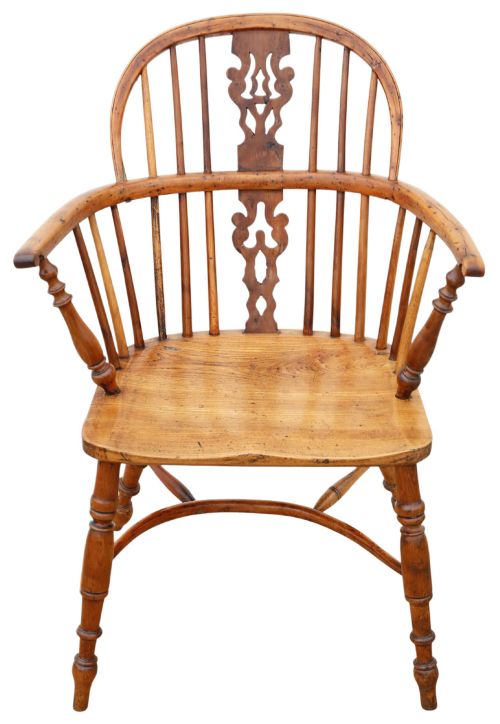
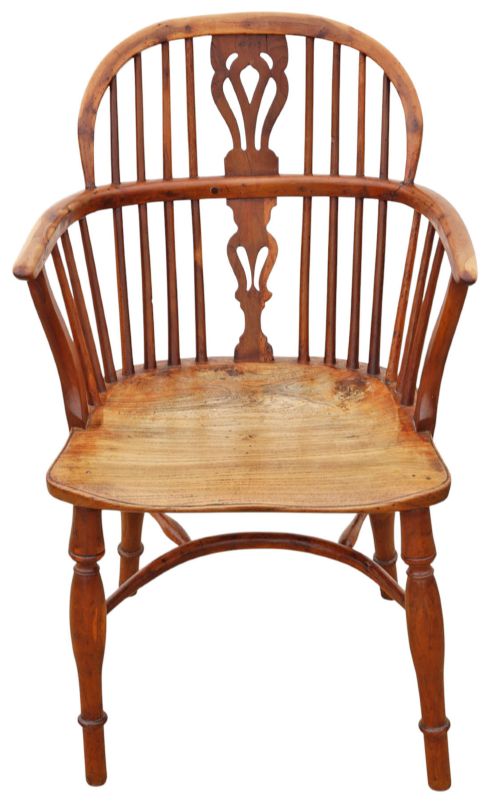
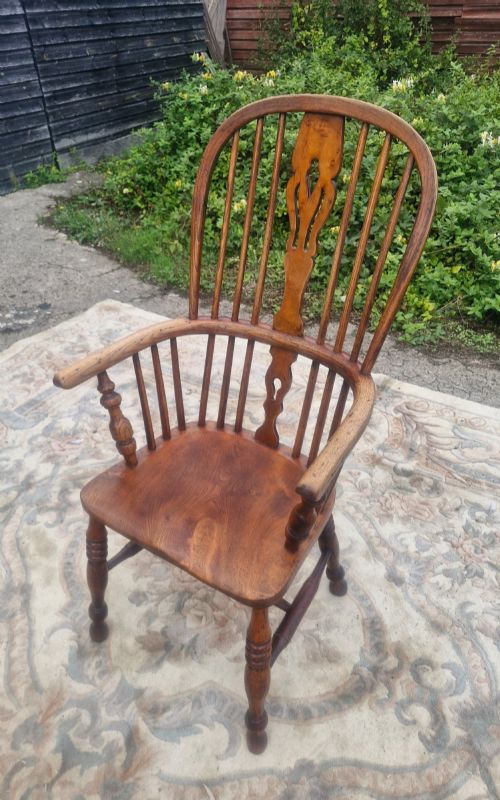
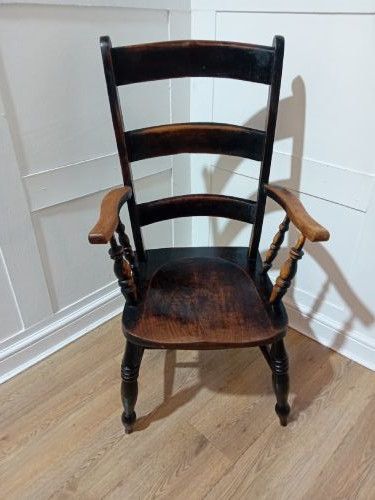
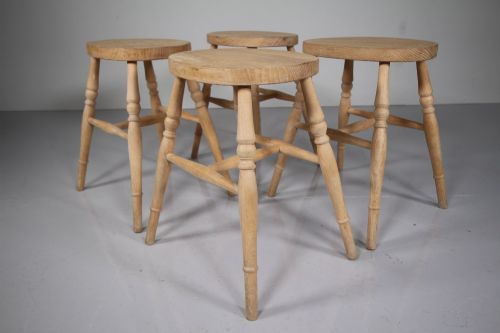
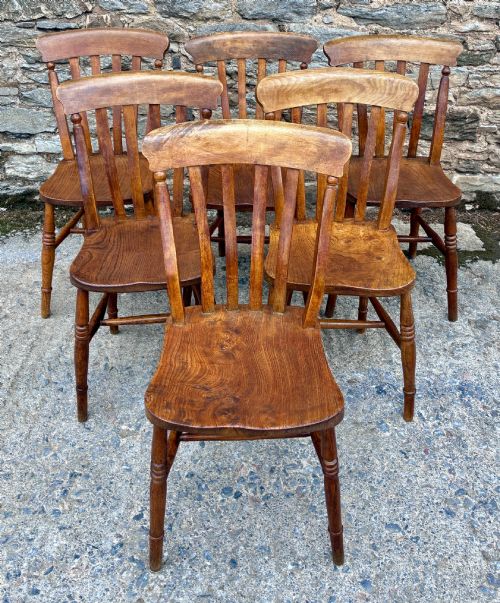
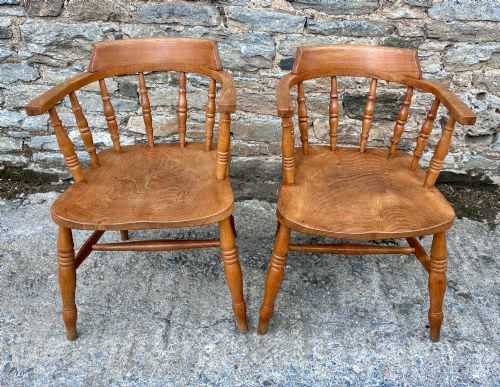
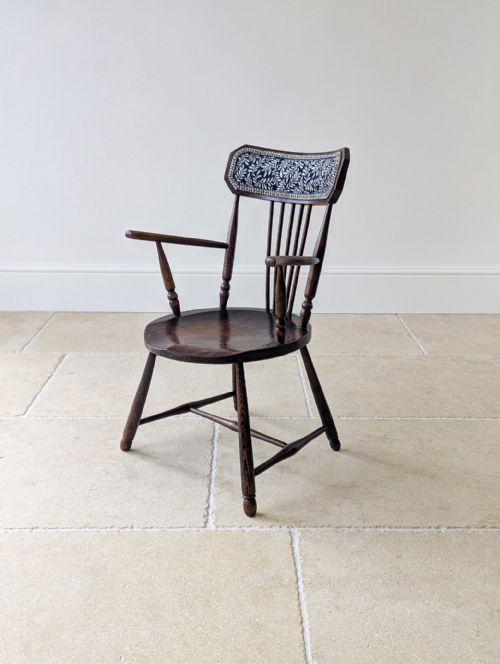
When you examine antique elm seating, you encounter robust forms shaped for domestic utility across centuries. The selection spans Windsor armchairs, ladderback chairs, settles, benches, stools, and child chairs originating from Georgian, Victorian, and Edwardian eras. Most pieces you meet on this page belong to the nineteenth century, reflecting vernacular English country traditions.
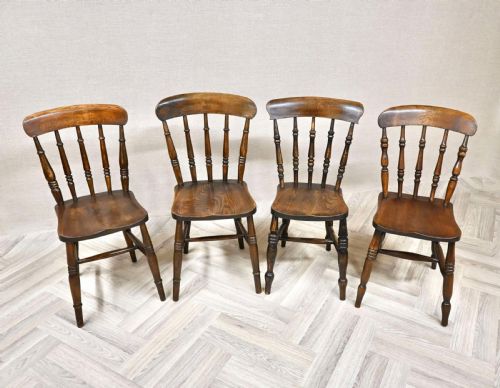
Makers utilised resilient local timbers to build seating designed for heavy daily use in kitchens, farmhouses, and taverns. Forms range from simple spindle-back kitchen chairs to substantial high-back Windsor armchairs and box settles with storage. Regional variations such as Thames Valley or West Country designs appear frequently among the listings.
Materials and construction
Elm forms the primary seating surface due to its interlocking grain, which resists splitting under pressure. Makers frequently combined this tough timber with ash for spindles, beech for turnings, and yew for bowed crest rails. Rush, fabric, and solid wood provide the seating platforms across these vernacular forms.
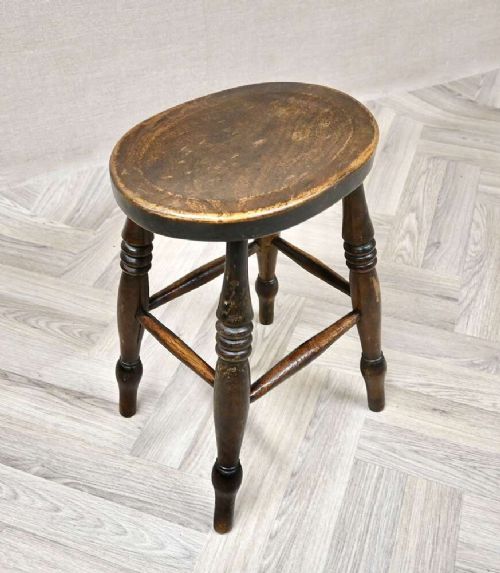
Joinery relies on traditional techniques including wedged tenons, turned components, and steam-bent members. Artisans shaped oval and saddle seats from single thick planks, mounting legs and backsticks directly into bored sockets.
Listings feature periods spanning from the 18th century through to the Edwardian era, incorporating ash, beech, yew, and rush alongside solid elm.
Quality differences
The distinction between ordinary and superior pieces rests in timber selection and the integrity of the original finish. Well-preserved patination resulting from decades of use enhances visual depth, whereas stripped surfaces diminish character. Balanced proportions and crisp turning on spindles and legs separate vernacular pieces made with care from utilitarian workshop items.
Structural honesty dictates the merit of each piece, showing minimal replacement of parts and sound joint construction. Examples incorporating secondary woods like yew alongside elm demonstrate superior craftsmanship within country furniture traditions.
The Antique Elm Seating Glossary
- Windsor chair
- A chair built with a solid wooden seat into which the legs and back spindles are separately inserted. This construction method provides notable strength and rigidity.
- Settle
- A wooden bench featuring a high back and solid arms, often designed with a box compartment beneath the seat for storage. These pieces sheltered occupants from drafts in domestic rooms.
- Patina
- The surface sheen and colour acquired by wood through age, handling, and wax polishing. This quality marks genuine historical depth.
- Spindle back
- A chair back constructed from multiple slender vertical turned rods. These components distribute weight efficiently while maintaining a light profile.
- Carver
- An armchair, frequently designed with elbow rests to match a set of dining chairs for the head of a table. These items denote status within a dining arrangement.
Antique Elm Seating: Frequently Asked Questions
How do I care for antique elm furniture?
Apply a traditional beeswax polish occasionally to nourish the timber and maintain the surface sheen. Avoid placing pieces near direct heat sources or in damp environments to prevent wood movement.
Keep them away from direct sunlight to preserve the natural colour and historical patination built up over generations of domestic use.
Are these chairs comfortable for daily use?
Many of these country seating forms feature ergonomically sculpted saddle seats carved from solid planks. Their sturdy construction accommodates regular sitting in dining rooms and kitchens.
Adding loose cushions provides extra comfort while respecting the original structure of the wooden framework.
How can I date an elm Windsor chair?
Examine the construction methods, tool marks, and wood species combination to estimate the period of origin. Earlier pieces often display thicker plank seats and distinct regional turning styles.
Comparative study of crest rails, arm shapes, and spindle profiles helps narrow down whether a piece originates from the Georgian or Victorian eras.