
Antique Elm Dining Armchairs
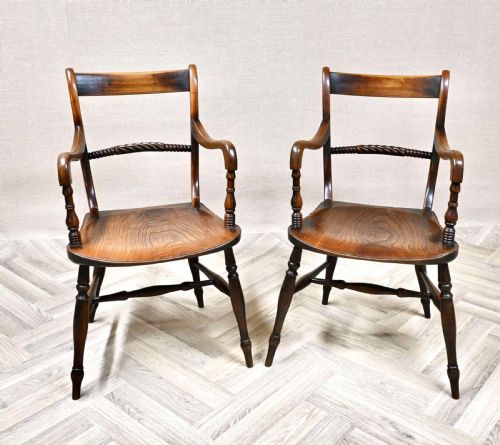
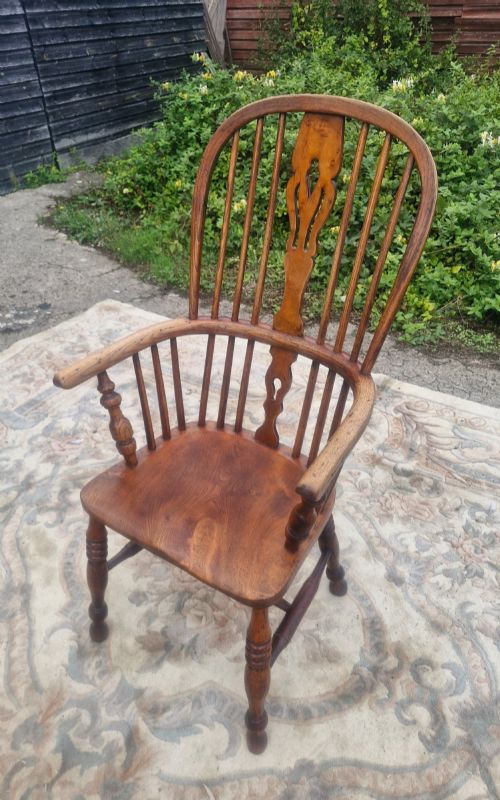
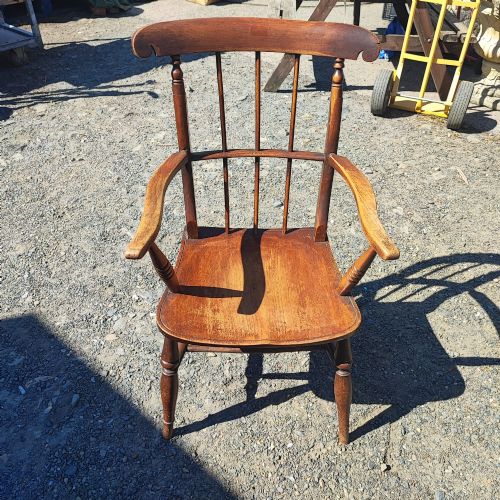
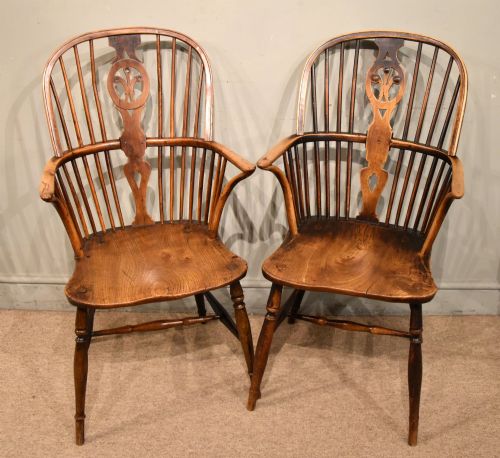
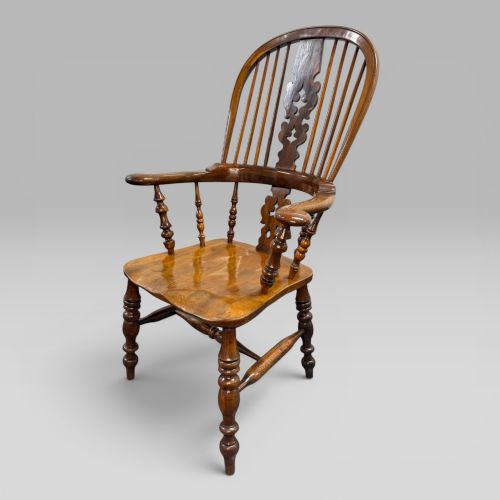
These antique elm dining armchairs bring robust vernacular character and time-worn timber grain directly to the dining table.
Antique Elm Dining Armchairs
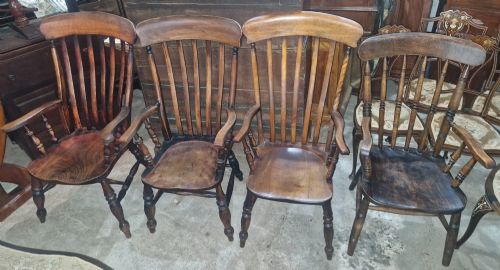
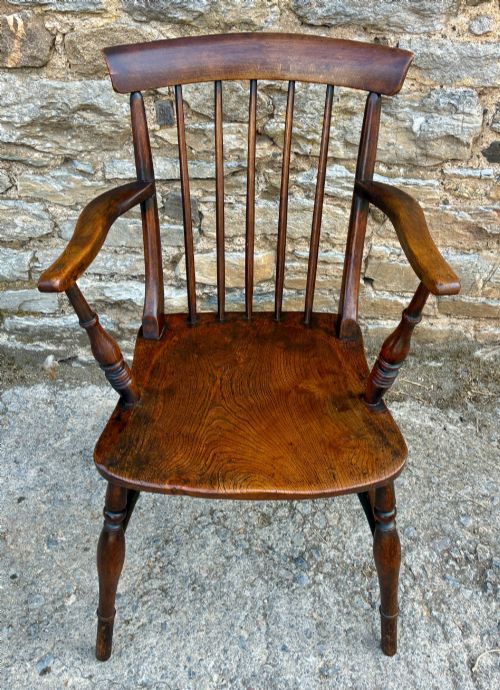
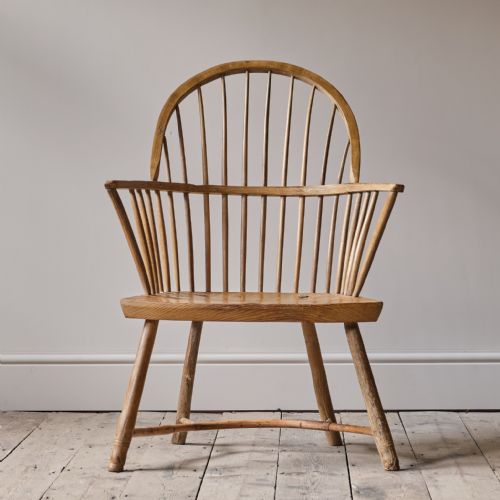
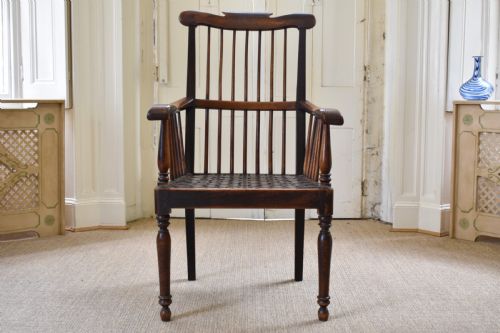
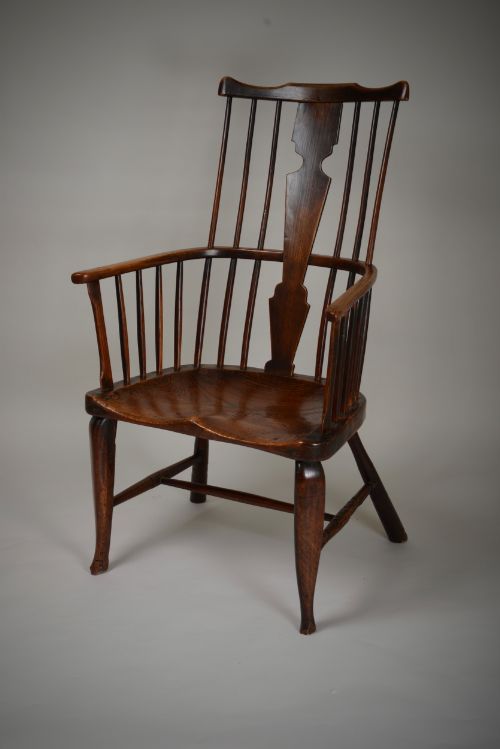
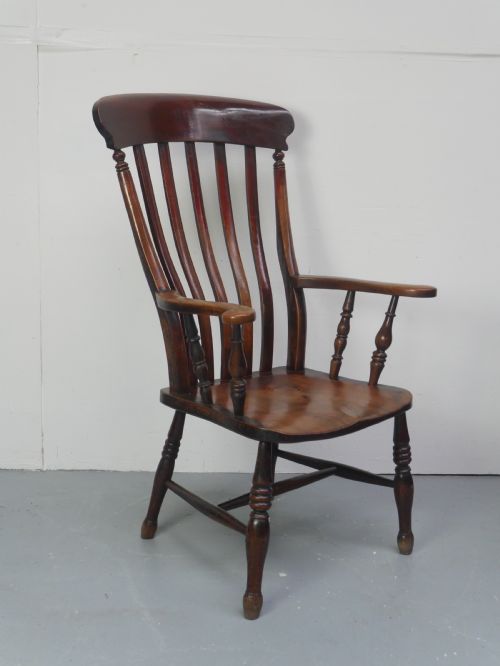
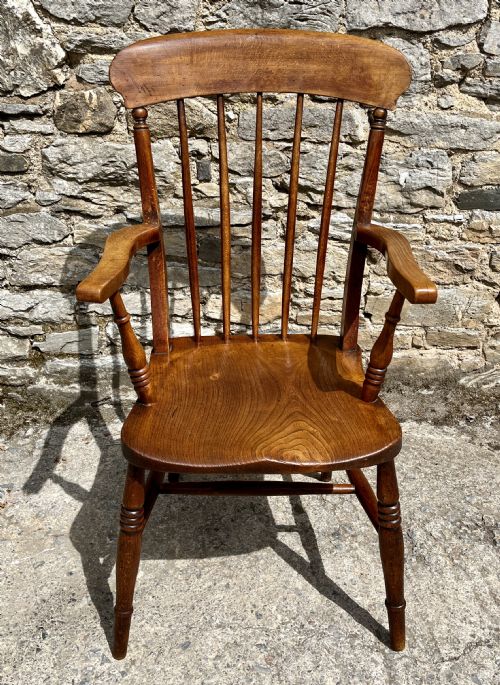
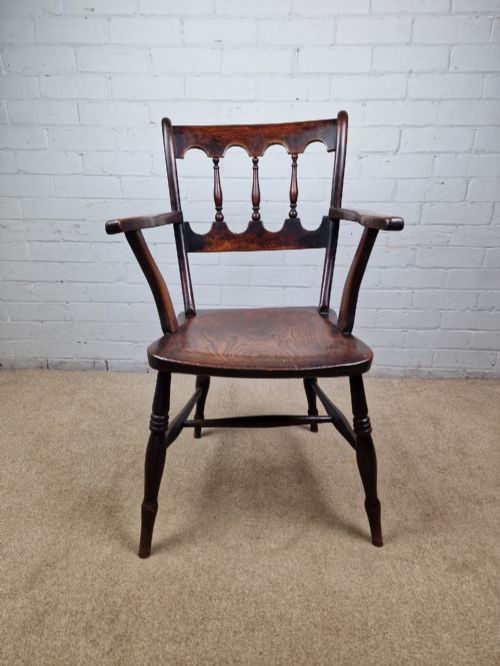
When you search for antique elm dining armchairs, you encounter traditional seating built for practical use in farmhouses, cottages, and provincial homes across Britain. These chairs take various regional forms, most notably Windsor chairs with high backs, low backs, comb backs, and stick backs.
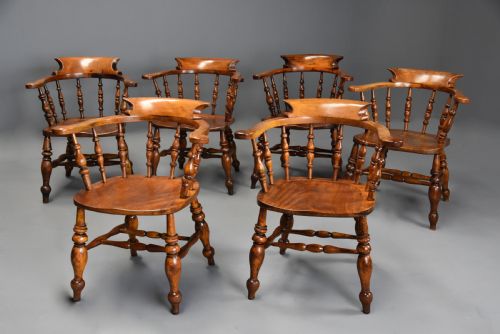
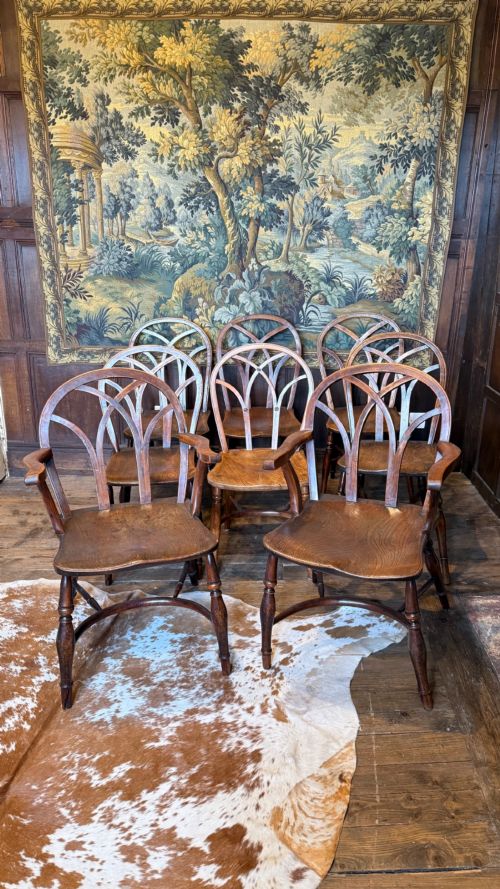
The pieces appearing on this page span the eighteenth, nineteenth, and early twentieth centuries, reflecting Georgian, Regency, and Victorian vernacular styles. You will frequently find them presented individually, in pairs, or as matched sets intended for everyday dining.
How they were made
Maker-joiners built these chairs using solid native timbers, pairing elm seats with contrasting woods like ash, beech, fruitwood, and yew for spindles, legs, and bentwood components. Elm provided a tough, interlocking grain ideal for solid saddle-shaped seats that resisted splitting under heavy use.
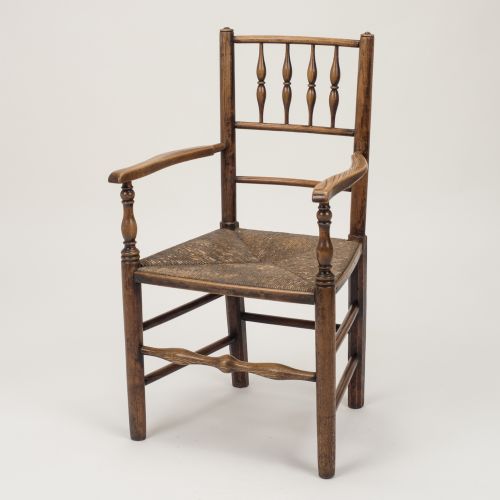
Traditional construction methods relied on steam-bending for hoops and armbows, and wedged tenon joints to secure legs and spindles directly into the thick wooden seat slab. Some regional variations incorporated woven rush seating or turned crinoline stretchers for added structural stability.
Many elm seats retain deep scoop marks left by adzes and bottomer's planes, recording the exact posture of the nineteenth-century sitter.
What varies in quality
The calibre of an armchair depends heavily on the select figure of the elm seat and the harmony of the secondary timbers used for the turned framework. A well-proportioned Windsor arch, balanced comb-back or stick-back arrangement, and an undisturbed patina elevate a chair far above standard utility seating.
Structural integrity and the preservation of original turned components, such as crinoline stretchers and tapered legs, distinguish superior examples. Excessive replacement parts or sanded-away surfaces diminish the authentic character built through decades of domestic use.
Fred Walker Rockley
The Antique Elm Dining Armchairs Glossary
- Windsor chair
- A chair built with a solid wooden saddle seat into which the legs, back, and arms are separately inserted. This construction method defines the majority of vernacular seating found in country homes.
- Crinoline stretcher
- A bent metal or wooden horseshoe-shaped brace connecting the legs of a chair to provide rigidity. It gets its name from the wire crinoline petticoats worn during the nineteenth century.
- Comb back
- A Windsor chair variation where the vertical spindles extend upward to support a horizontal top rail resembling a traditional hair comb. This style offers distinct vertical lines and enhanced back support.
- Vernacular
- Objects designed and built by local craftsmen to serve functional purposes without adhering to high-style academic design. These pieces rely on regional traditions and readily available materials.
- Spindle back
- A chair back constructed from multiple slender turned wooden rods placed vertically between the seat and top rail. This design distributes weight efficiently while maintaining a light visual profile.
Antique Elm Dining Armchairs: Frequently Asked Questions
Are antique elm dining armchairs comfortable?
These chairs feature solid wooden seats scooped into saddle shapes that accommodate the body surprisingly well during long meals. Many include generous broad arms and supportive high or low spindles.
While they lack modern upholstery, their ergonomic wooden contours provide sturdy and reliable support when paired with simple seat pads if desired.
How do I mix mismatched antique armchairs?
Gathering chairs with shared construction traits, such as stick backs or turned legs, creates a cohesive rustic aesthetic around a dining table. Matching timber tones like elm and ash helps unify varied regional styles.
Embracing slight variations in height and back design highlights the handmade nature of country vernacular furniture rather than striving for rigid uniformity.
How do I clean antique elm furniture?
Maintain the surface by dusting regularly with a dry lint-free cloth and applying occasional quality beeswax to nourish the dry timber. Avoid modern liquid polishes that contain silicone and degrade the historic patina.
Keep the chairs away from direct heat sources and dramatic humidity shifts to prevent the elm and secondary woods from splitting or warping over time.
How do I date an antique Windsor chair?
Examine the construction details, tool marks, and timber combinations to determine the approximate era of manufacture. Earlier pieces from the Georgian period often display broader saddle seats and distinct regional turning patterns.
Later Victorian and farmhouse examples frequently utilise standardised machine-turned components and standardised bracing beneath the seat slab.