




Antique Egyptian Silver
Antique egyptian silver brings together the heavy symbolism of the pharaohs and the meticulous metalwork of nineteenth and twentieth-century workshops.
Antique Egyptian Silver
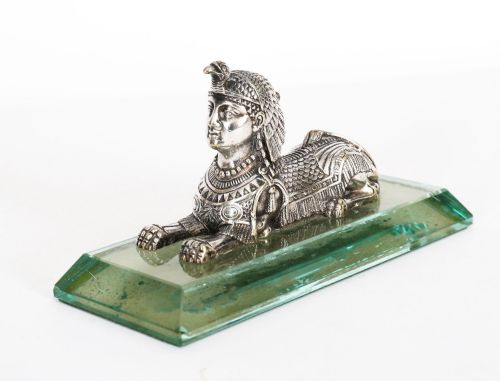
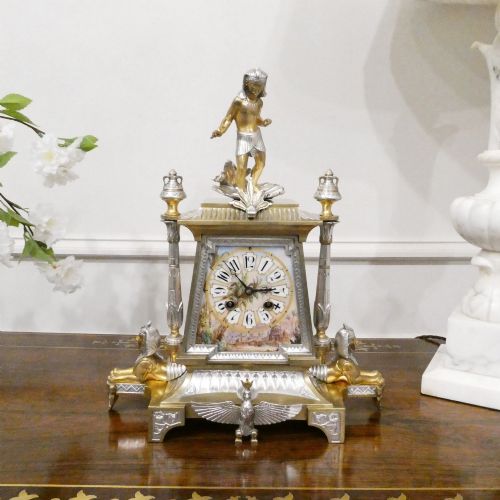
When you search for antique egyptian silver, you are looking at items that draw heavily on pharaonic motifs, revivalism, and traditional Middle Eastern metalworking traditions. The objects on this page range from decorative chargers and trays to intricate jewellery, pendants, and novelty items.
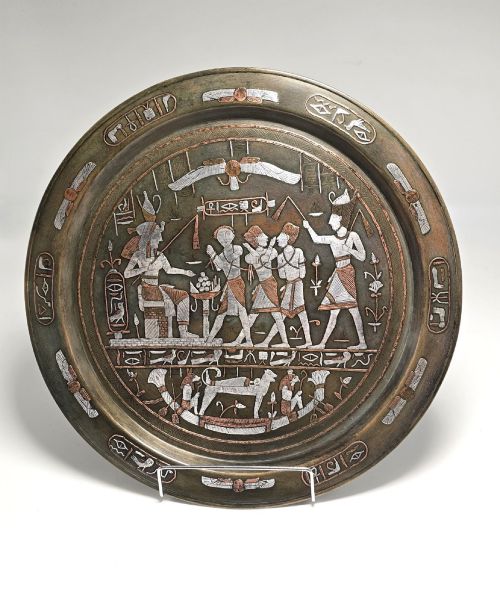
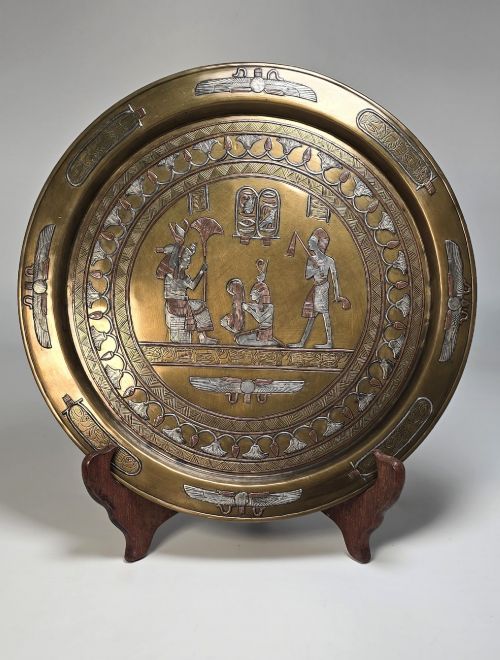
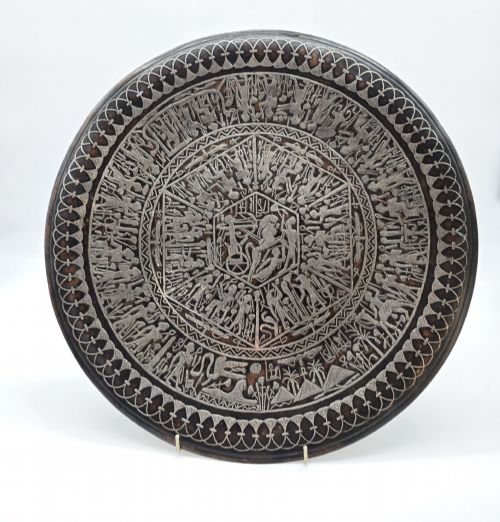
You are most likely to encounter Cairo Ware chargers featuring intricate metal inlays alongside nineteenth-century silver-plated novelties and mid-twentieth-century solid silver Bedouin cuffs. The origins span local Bedouin craft, Grand Tour souvenirs, and European interpretations of Egyptian aesthetics from the Victorian era to the mid-twentieth century.
The assortment reflects both utilitarian objects like letter openers and kursi table Quran stands, and purely decorative sculptures. Each piece bridges traditional Near Eastern craftsmanship with Western collecting tastes of the period.
Materials and methods
Makers utilised solid silver, silver plate, and mixed metals such as brass, copper, and bronze, often enhancing the metallic surfaces with contrasting inlays of silver and other metals. Cairo Ware pieces typically demonstrate skilled metal-inlay techniques upon a dark base metal.
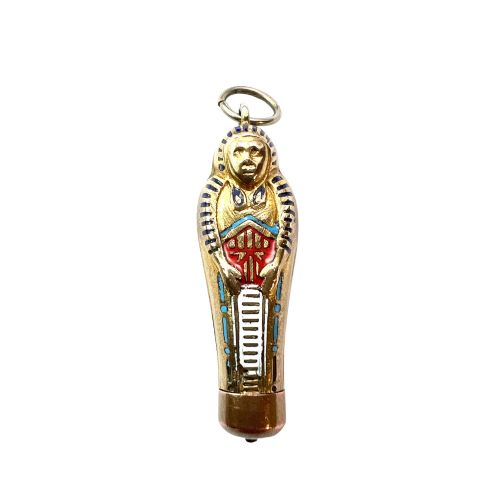
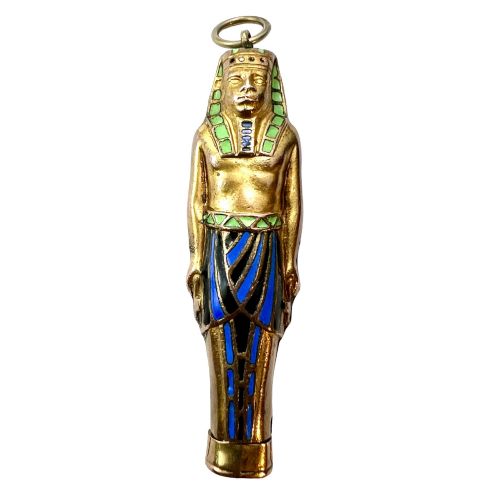
Enamel work appears on smaller items like sarcophagus pendants, adding vivid colour alongside cold-painted finishes on bronze sculptures. Plique-a-jour enamel and pearls surface on related European revival brooches, showing the diverse technical repertoire of the era.
Antique Egyptian Silver Retail Price Guide 2026
Typical asking prices for egyptian silver among the pieces listed under this phrase on Sellingantiques today, from the lower quarter to the upper quarter. They describe what is for sale here now, not the wider market.
Listings feature pieces spanning the Victorian era through the 1950s, employing silver, brass, bronze, enamel, and copper.
Quality and craftsmanship
The distinction between ordinary and superior pieces rests on the crispness of the chasing, the security and fineness of metal inlays, and the depth of hand-finishing on figures and chargers. Superior examples maintain clear detailing in motifs such as hieroglyphs, sphinxes, and deities.
Weight and structural integrity also separate fine solid silver Bedouin cuffs or substantial wall chargers from lighter plated alternatives. The precision of enamel work and the subtlety of cold-painted patination further define the upper tier of these items.
Josef Lorenzl·Levinger and Bissinger
The Antique Egyptian Silver Glossary
- Cairo Ware
- Metalware produced in Egypt, typically featuring intricate silver and copper inlay work on brass or bronze grounds. These decorative chargers and vessels were popular with European travellers during the late nineteenth and early twentieth centuries.
- Grand Tour
- A cultural journey undertaken by wealthy Europeans through continental Europe and the Near East, collecting souvenirs such as local metalwork and antiquities. Items brought back often combined local craftsmanship with Western decorative preferences.
- Plique-a-jour
- An enamelling technique where enamel is applied to open cells without a backing, resembling miniature stained glass. When held to the light, the translucent colours glow.
- Kursi
- A low folding stand or Quran stand, traditionally constructed from wood or metal with intricate geometric or inlaid designs. In metalware, these pieces often feature complex piercing and silver inlay.
- Propelling Pencil
- A mechanical pencil that advances the lead through a turning mechanism within a metal casing. In antique novelties, these were frequently fashioned into figural shapes like sarcophagi.
Antique Egyptian Silver: Frequently Asked Questions
What is Cairo Ware?
Cairo Ware refers to decorative metal vessels and chargers produced in Egypt during the late nineteenth and early twentieth centuries, featuring contrasting metallic inlays.
These pieces were frequently acquired by travellers on the Grand Tour and are celebrated for their dense geometric and figurative patterns.
How do I care for antique silver?
Antique silver requires gentle cleaning with a soft cloth to preserve the natural patina and any delicate inlaid details.
Avoid harsh chemical dips, particularly on pieces with enamel, cold-painted surfaces, or mixed metal inlays.
Are these pieces marked?
Some items carry maker marks, workshop stamps, or regional silver hallmarks, though many souvenir and decorative pieces remain unmarked.
Unmarked items are typically attributed through style, technique, and the specific metal alloys used in their construction.
What is Egyptian Revival style?
Egyptian Revival is a style in decoration and architecture that incorporates motifs from ancient Egypt, such as sphinxes, scarabs, and hieroglyphs.
It experienced major revivals during the nineteenth century following archaeological discoveries and continued into the Art Deco period.