


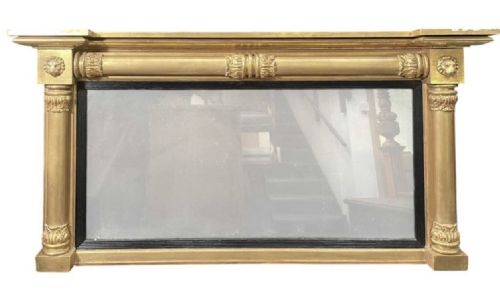
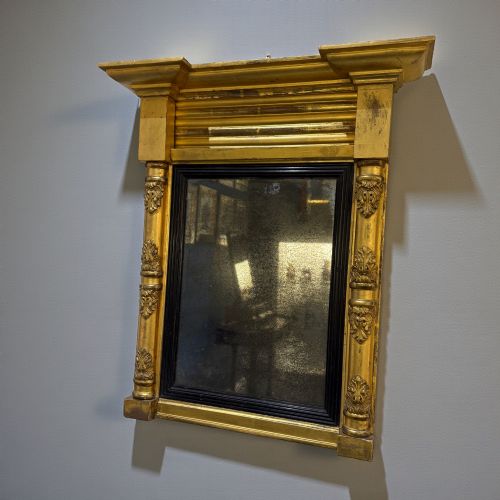
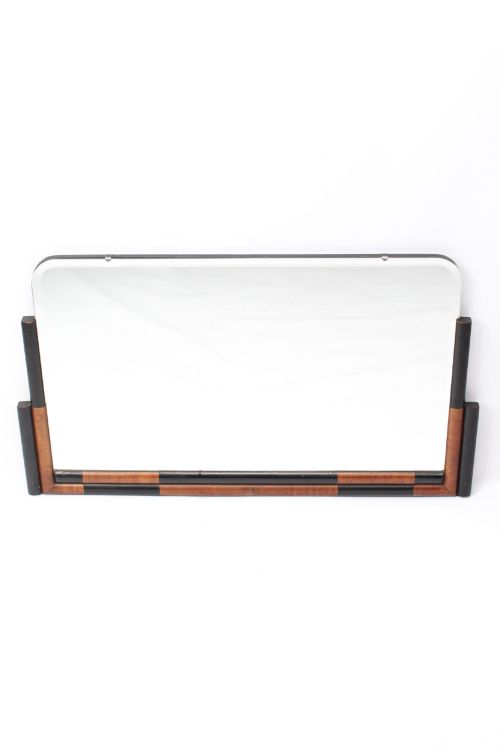
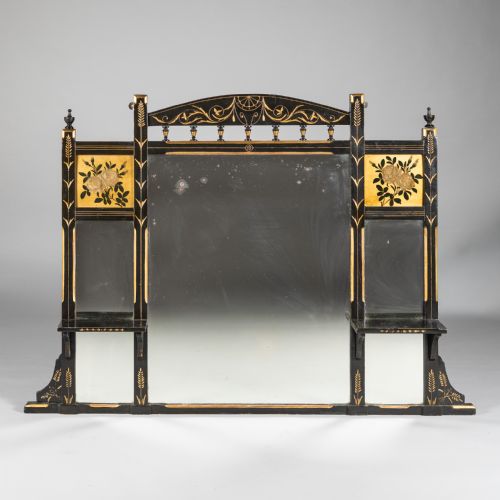


Antique Ebonised Overmantel
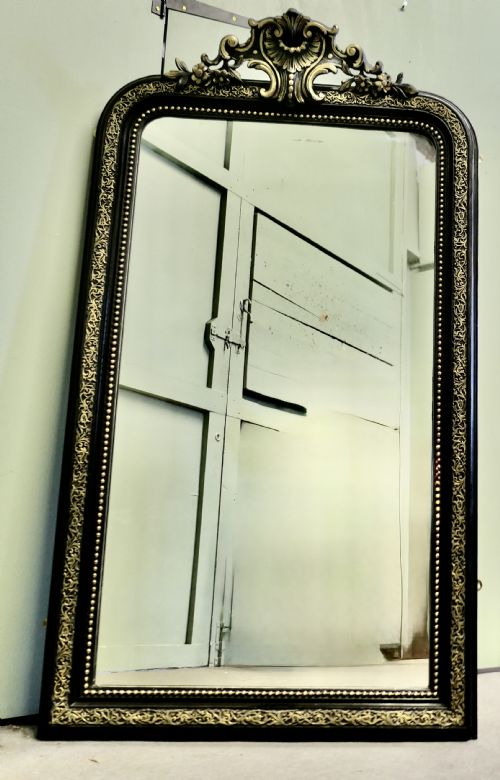
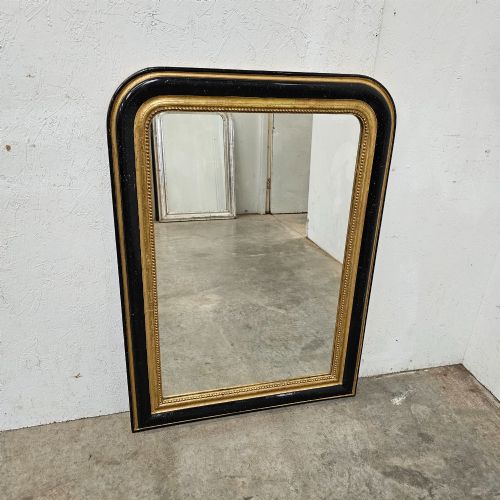
An antique ebonised overmantel anchors a chimney breast with dark elegance, bringing deep contrast and grand reflective presence to a room.
Antique Ebonised Overmantel
An antique ebonised overmantel sits above a fireplace, designed specifically to command the horizontal space of a chimney breast. These frames bring a dark, sober tone into a room, contrasting sharply with the pale walls typical of period interiors.
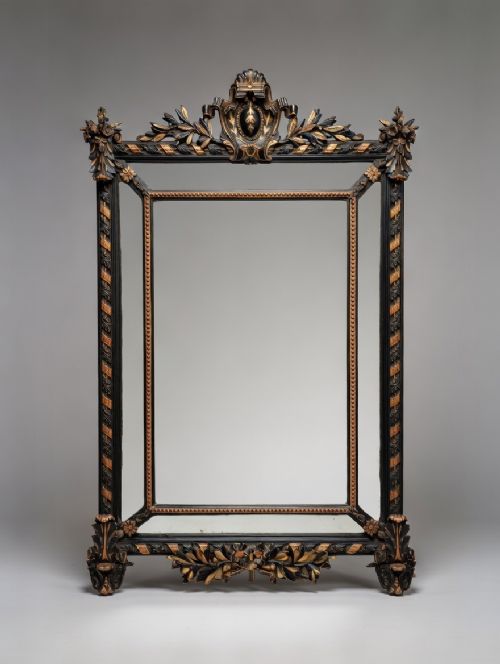
The pieces seen here range from the mid nineteenth century through the Victorian era, alongside examples from the Regency period and the Edwardian years. They appear most frequently as tall, wide mirrors framed in black wood, often enriched with parcel gilt highlights.
Makers of these large wall pieces drew on various stylistic currents, producing frames in the Aesthetic Movement, Louis Philippe, and Napoleon III tastes. Beyond standard overmantels, related variants include pier mirrors, wall mirrors, and occasional display cabinets sharing the same dark finish.
How they were made
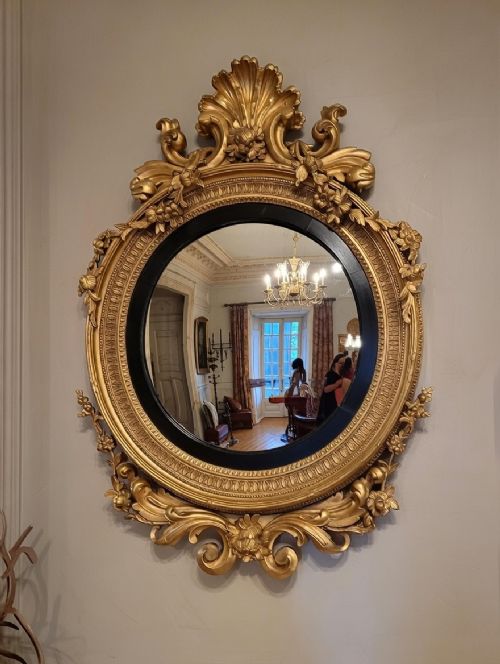
Wood serves as the primary structural body, often finished with a dark ebonisation process to imitate ebony. Many frames incorporate gesso and gold leaf to create parcel gilt details that catch the firelight.
Glass plates provide the reflection, set within heavy wooden or gesso-moulded frames that require robust construction to support their own weight. Paint and mirror glass complete the material palette, uniting dark wood surfaces with bright reflective expanses.
Antique Ebonised Overmantel Retail Price Guide 2026
Typical asking prices for ebonised overmantel among the pieces listed under this phrase on Sellingantiques today, from the lower quarter to the upper quarter. They describe what is for sale here now, not the wider market.
Some overmantels feature tiny heart-shaped mirrors tucked into the woodwork, proving that even stern Victorians enjoyed a touch of romance.
What varies in quality
The depth of carving and the crispness of moulded ornament separate standard production from superior work. Frames enriched with well-preserved parcel gilt or complex architectural columns show greater hand-craftsmanship.
The condition and clarity of the mirror glass itself dictate much of the visual success. Early plates with original silvering or subtle ageing hold distinct character compared to later replacements.
The Antique Ebonised Overmantel Glossary
- Ebonised
- Wood treated with stain or paint to resemble costly ebony. This dark finish was especially popular during the Victorian and Aesthetic periods.
- Parcel-gilt
- Partially gilded surfaces where gold leaf highlights specific carved details against a contrasting background. It creates a striking interplay between dark wood and bright metal.
- Overmantel
- A large mirror or frame designed to sit directly upon the mantelpiece above a fireplace. They are proportioned to fill the vertical space towards the ceiling.
- Gesso
- A plaster-like mixture applied to wood frames to create a smooth surface for gilding and relief moulding. It allows for intricate decorative details around the glass edge.
- Triptych
- A mirror divided into three distinct panels within a single frame. This format distributes the reflection across multiple sections.
- Pier mirror
- A tall mirror designed to hang on the narrow wall space between windows. They share similar decorative vocabularies with overmantels.
Antique Ebonised Overmantel: Frequently Asked Questions
How do I hang a heavy antique overmantel?
These frames carry significant weight from their wood and glass construction, requiring secure fixing directly into solid masonry or substantial wall studs. Professional installation ensures the piece remains stable above a fireplace.
Hardware should be rated for the specific weight of the frame, distributing the load evenly across multiple support points on the back of the mirror.
What is the difference between an overmantel and a wall mirror?
An overmantel is specifically proportioned in a wide, horizontal format to sit above a fireplace opening. Wall mirrors are generally designed for more versatile placement around a room.
While both share materials like ebonised wood and gilt highlights, the overmantel acts as the architectural focal point of a chimney breast.
How do I clean ebonised wood and gilt frames?
Dust surfaces gently with a soft, dry cloth to prevent accumulation in carved crevices. Avoid modern chemical sprays that can damage delicate ebonised finishes or antique gilding.
Glass panels require careful wiping with a mild glass cleaner applied to the cloth rather than directly sprayed onto the mirror surface, protecting the surrounding frame.
Can these mirrors be placed in modern interiors?
The strong dark contrast of ebonised wood pairs effectively with contemporary minimalist decor, grounding neutral walls. Their architectural presence adds immediate depth and historical texture to modern rooms.
Placing them above a contemporary fireplace or low sideboard creates a striking focal point that bridges old and new design eras.