





Antique Eastern Carpet
An antique eastern carpet brings woven history into a room, spanning tribal flat-weaves and palace-sized Persian masterpieces.
Antique Eastern Carpet
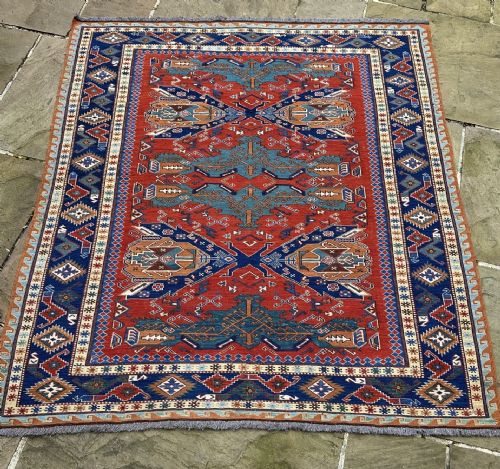
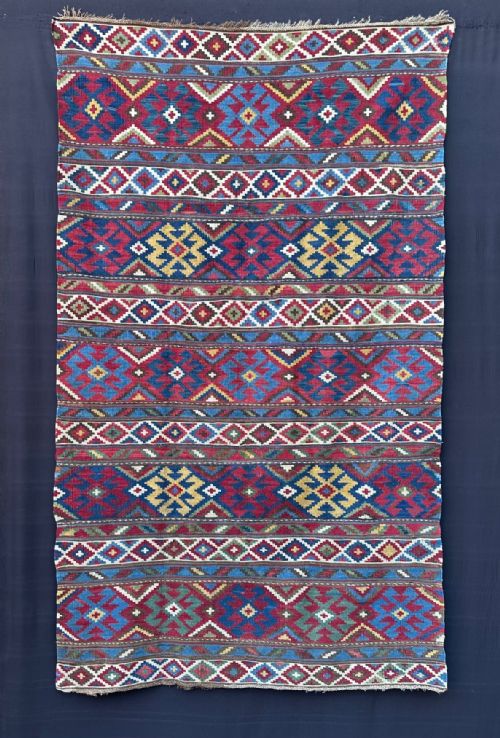
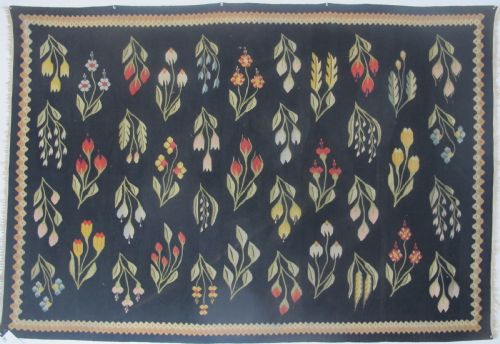
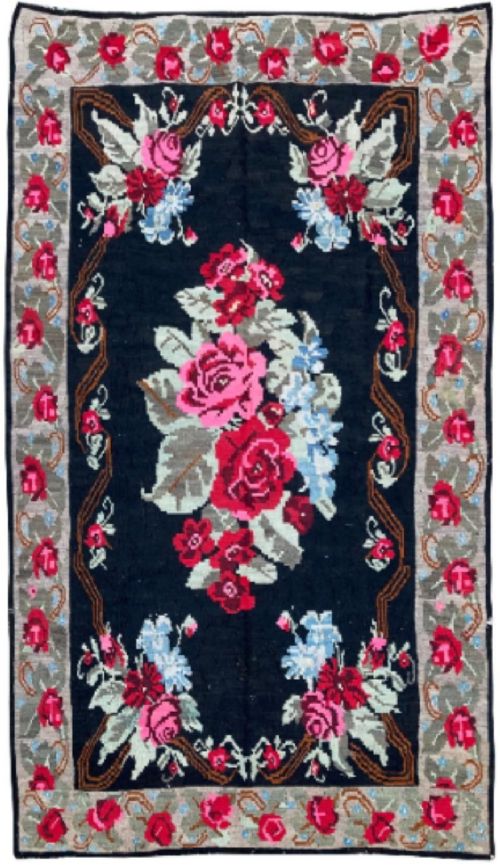
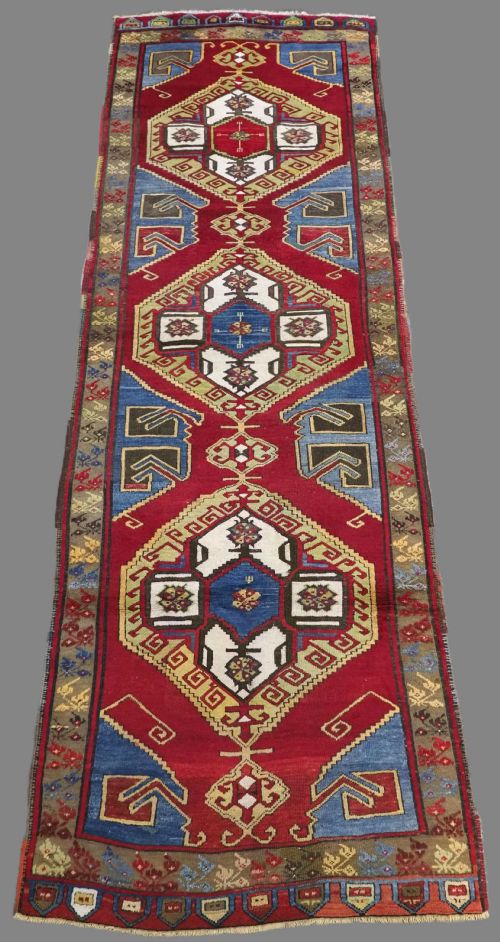
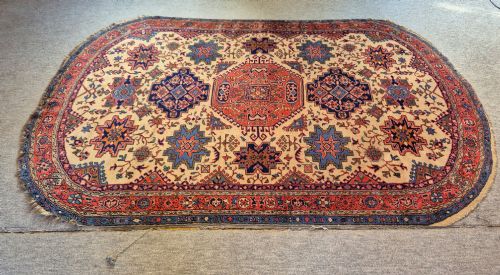
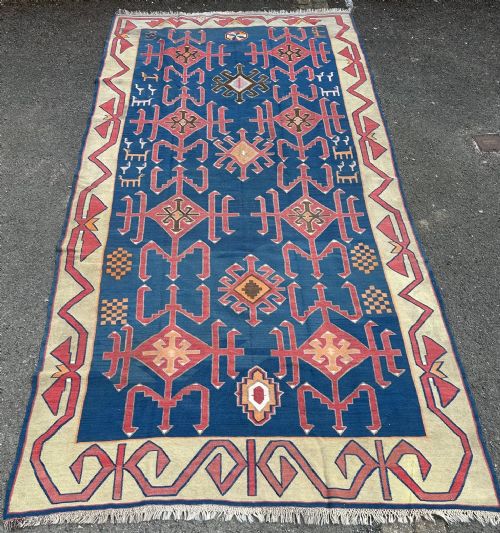
When you search for an antique eastern carpet, you encounter a diverse array of hand-knotted rugs, flat-weave kilims, and tapestries originating from Persia, the Caucasus, Anatolia, and Eastern Europe.
The selections span the late nineteenth century through the mid-twentieth century, encompassing tribal village works alongside formal city pieces.
You meet specific regional forms including Caucasian Soumaks, Afghan prayer rugs, and Bessarabian flat-weaves, each carrying distinct local motifs.
How they were made
These textiles utilise hand-spun wool and cotton foundations, knotted or flat-woven by hand on vertical and horizontal looms.
Weavers relied on natural dyes to achieve deep palettes, resulting in rich colour variations that mature gracefully over decades.
Antique Eastern Carpet Retail Price Guide 2026
Typical asking prices for eastern carpet among the pieces listed under this phrase on Sellingantiques today, from the lower quarter to the upper quarter. They describe what is for sale here now, not the wider market.
Listings feature wool and cotton textiles utilising natural dyes, spanning the nineteenth century to the mid-twentieth century.
What varies in quality
The standard of an antique eastern carpet rests on the fineness of the knotting or weave density and the precision of the design execution.
Quality also depends on the depth and purity of the natural dyes used, which dictate how the wool retains its vibrancy.
Benlian
The Antique Eastern Carpet Glossary
- Kilim
- A flat-woven carpet or rug produced without a pile, common in Anatolian, Caucasian, and European workshops. These pieces rely on tightly packed horizontal weft threads pulled closely over vertical warp threads.
- Prayer Rug
- A textile featuring a mihrab design or architectural arch motif, historically utilised for daily devotion. These rugs often display directional patterns orienting toward Mecca.
- Soumak
- A flat-weave technique utilising a wrapping stitch over the warp threads to produce a textured, durable surface. This method originates prominently in the Eastern Caucasus.
- Mihrab
- The arched niche design depicted on prayer rugs, symbolising the direction of prayer. This motif frequently incorporates floral sprays or rams horn elements.
- Warp
- The vertical foundation threads stretched tightly on the loom before weaving commences. Wefts and knots are subsequently worked across these parallel strands.
Antique Eastern Carpet: Frequently Asked Questions
How do I identify regional carpet designs?
Regional attribution relies on specific structural traits, knotting types, and characteristic motifs unique to tribal groups or weaving centres.
Examination of the foundation materials and border patterns further clarifies the geographic origin of the piece.
Are flat-weave kilims durable for floors?
Flat-weaves withstand foot traffic well in residential spaces when paired with a quality underlay to prevent sliding.
Their solid construction without a pile makes them practical for high-traffic hallways and dining areas.
How should I clean an antique carpet?
Routine maintenance requires gentle vacuuming without a beater bar across the surface to protect the wool fibres.
Professional textile conservators should handle deep washing to preserve natural dye integrity.
What defines a prayer rug?
Prayer rugs feature a distinctive arched mihrab design that directs the eye toward one end of the textile.
These personal devotional items were traditionally utilised for individual meditation rather than large room decoration.