



Antique Earthenware Vases
These antique earthenware vases span Dutch Delftware to Satsuma production, offering tactile surfaces and historic glaze work for any room.
Antique Earthenware Vases
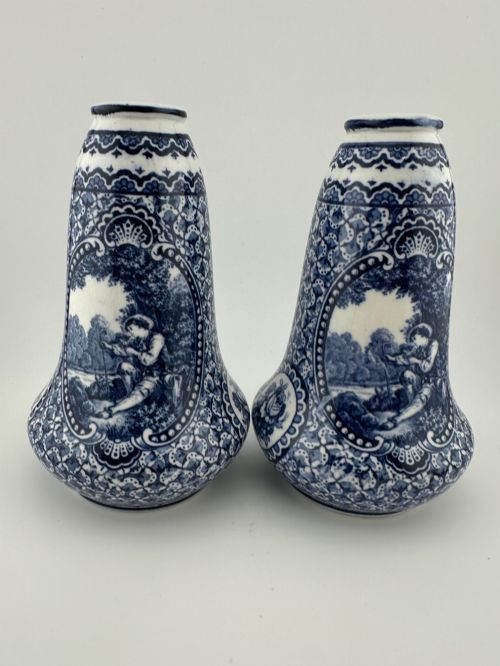
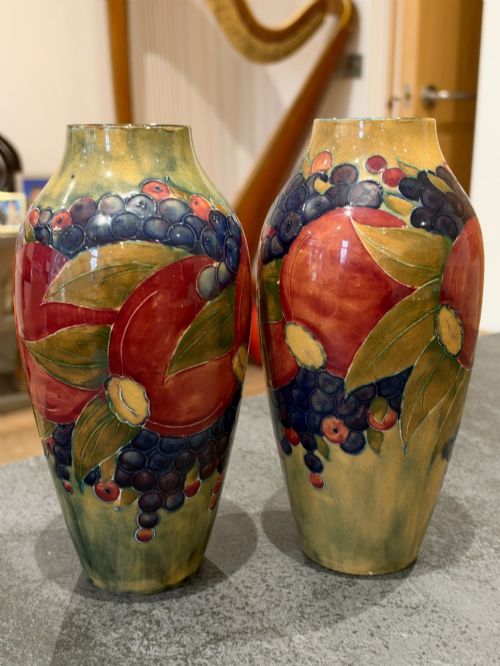
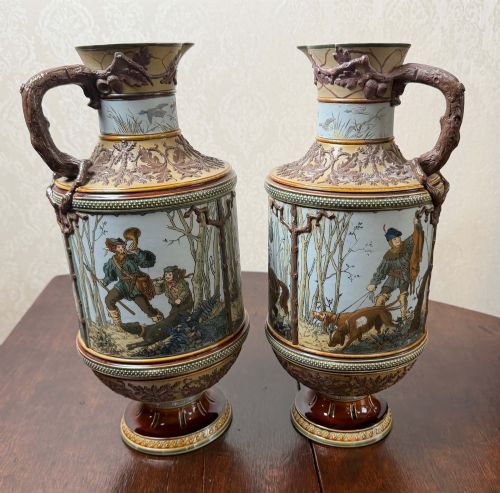
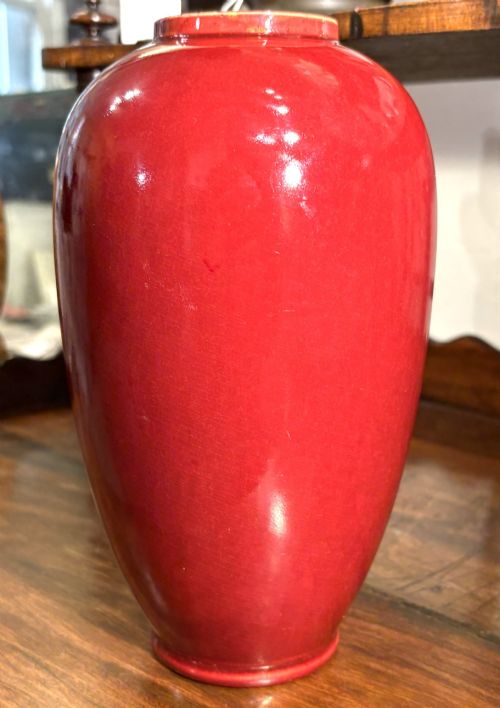
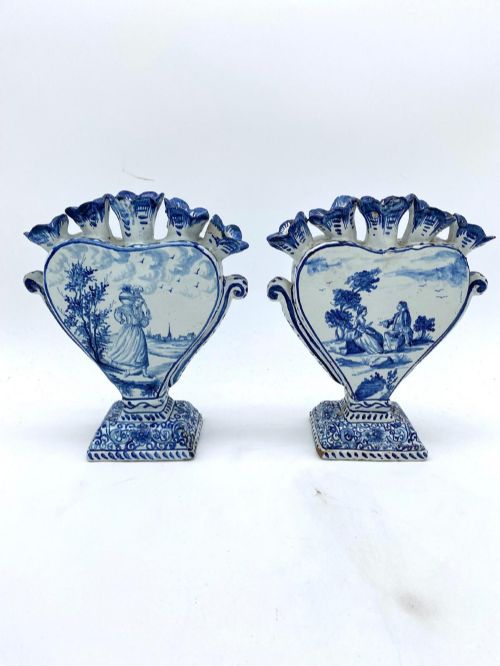
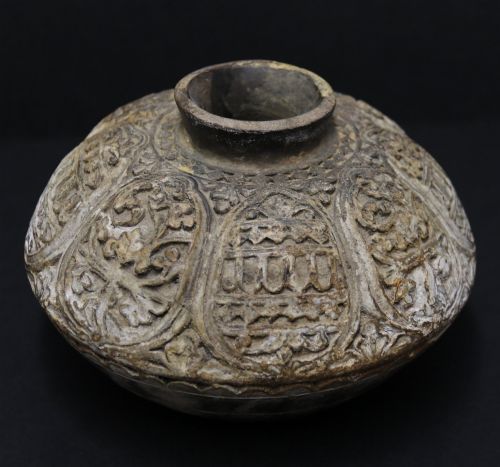
When you search for antique earthenware vases, you encounter a diverse group of ceramic vessels shaped across centuries, from early European faience and Delftware to Japanese Satsuma and British studio pottery. The pieces on this page range from utilitarian confit pots and spill vases to highly decorative cabinet pieces and ewers.
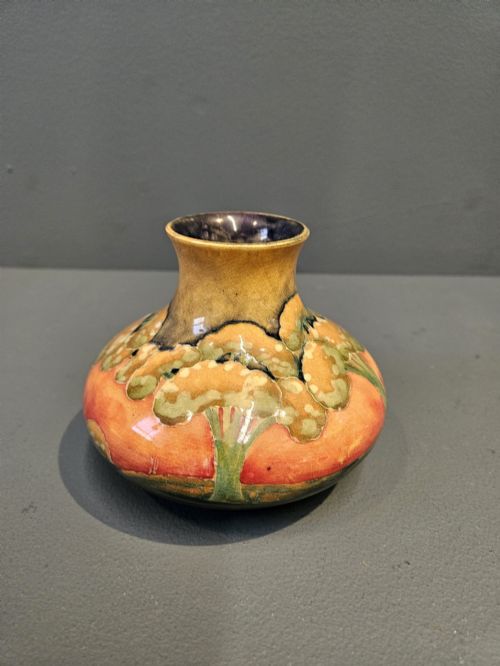
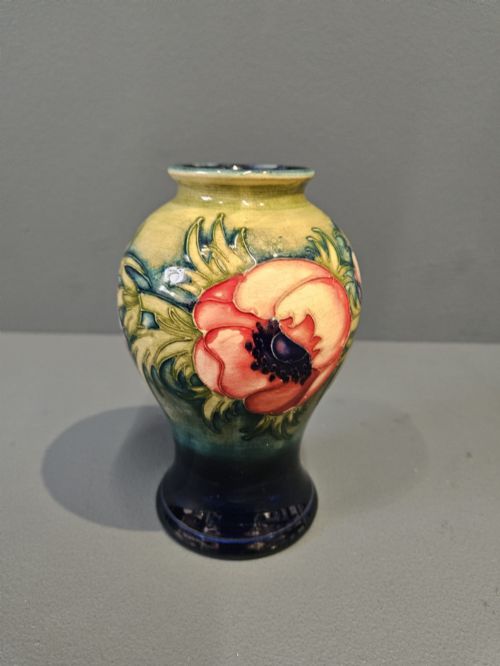
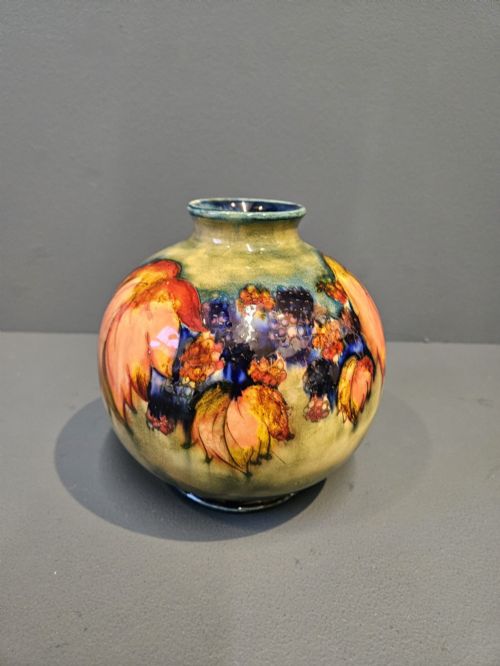
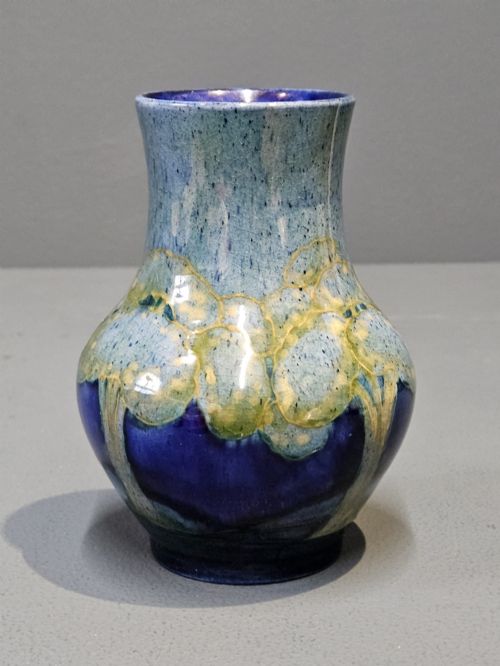
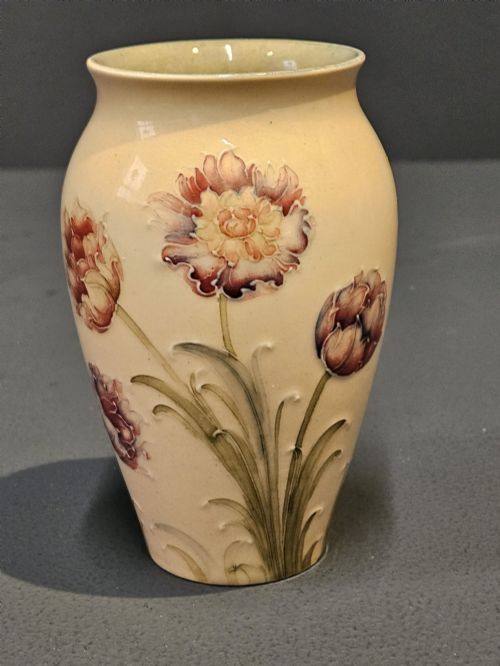
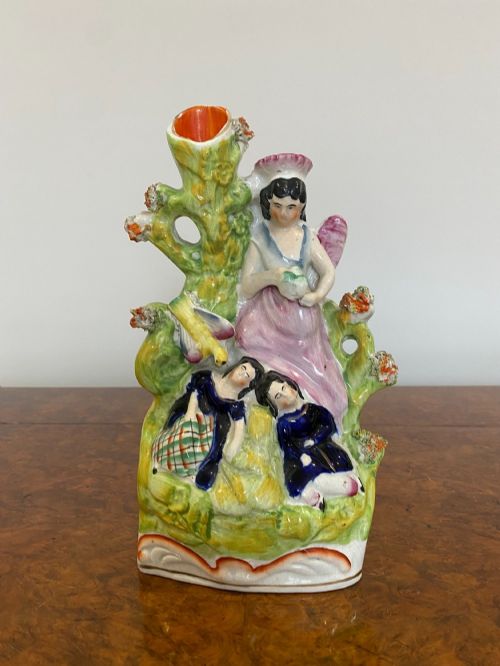
You are most likely to meet 19th-century and early 20th-century examples, including Victorian Staffordshire figures, Moorcroft bulbous forms, and Bretby productions. These vessels showcase how porous earthenware was glazed, painted, and fired to serve both ornamental and domestic roles in period interiors.
Assessing quality and execution
The distinction between standard commercial output and superior studio work lies in the precision of the hand-painting and the complexity of the glaze chemistry. Finer pieces demonstrate crisp brushwork, balanced proportions, and careful control during the high-temperature firing process.
Artisanal execution also reveals itself in the depth of applied relief work, such as intricate moriage ornamentation or well-modelled figural elements. Makers working for prominent houses like Moorcroft or Cantagalli achieved greater harmony between the ceramic form and the decorative surface.
Antique Earthenware Vases Retail Price Guide 2026
Typical asking prices for earthenware vases among the pieces listed under this phrase on Sellingantiques today, from the lower quarter to the upper quarter. They describe what is for sale here now, not the wider market.
The listings span multiple centuries, uniting 17th-century Dutch Delftware with Victorian majolica and 20th-century Moorcroft studio pieces.
Royal Doulton·Thomas Parr factory·Moorcroft McIntyre·Maruni Kobe·Fourmaintraux-Courquin·Cantagalli Florence
The Antique Earthenware Vases Glossary
- Earthenware
- Porous pottery fired at lower temperatures than stoneware or porcelain, requiring a glaze to hold liquids. It forms the structural base for majolica, faience, and Delftware.
- Majolica
- Opaque tin-glazed earthenware decorated with colourful metallic oxide pigments, widely revived during the 19th century in Italy and Britain. It provides a vibrant, glossy finish.
- Delftware
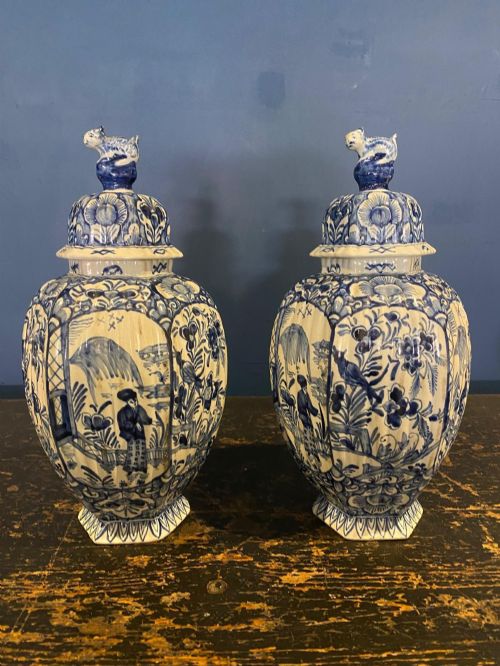
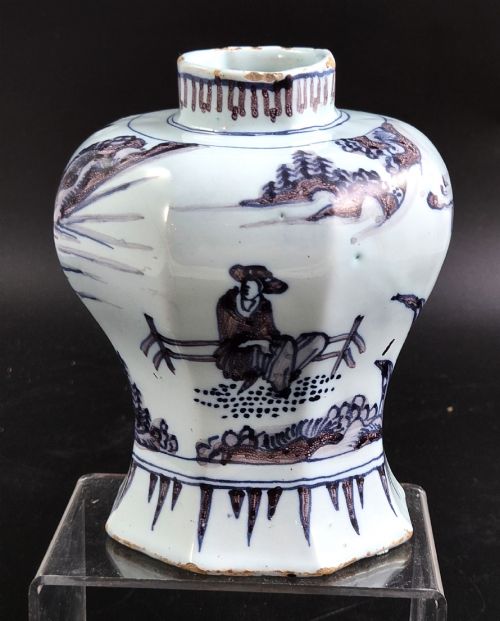
- Tin-glazed earthenware originating in the Netherlands, traditionally featuring blue and white Chinoiserie or floral motifs painted on a white background. It dates back to the 17th century and later.
- Moriage
- A Japanese ceramic decorating technique where slip is piped onto the surface to create raised decorative patterns before glazing and firing. It adds a tactile, dimensional quality to Satsuma wares.
- Faience
- European tin-glazed earthenware, particularly associated with French and Italian production centres. It shares technical roots with majolica and Delftware.
- Spill vase
- A tall, narrow vessel designed to hold thin wooden spills used for lighting candles and fires. They frequently take figurative or animal forms in Staffordshire pottery.
Antique Earthenware Vases: Frequently Asked Questions
Were these vases used for fresh flowers?
Many historical vessels, particularly confit pots and utilitarian jars, served dry storage or kitchen functions rather than holding water. Porous earthenware bodies could seep moisture unless properly sealed with an interior glaze.
Finer decorative vases and urns functioned primarily as mantelpiece ornaments or cabinet displays. Using them for dried botanicals protects the historic ceramic fabric from moisture damage.
What is the difference between earthenware and porcelain?
Earthenware uses common clay fired at lower temperatures, leaving the body porous and opaque even when thin. Porcelain relies on kaolin and petuntse fired at extreme heat, vitrifying the material into a non-porous, translucent ceramic.
Because earthenware is softer, makers applied glazes like tin enamel or lead to seal the surface. Porcelain naturally resists liquids without needing an applied glaze coating.
How can I tell Japanese Satsuma ware apart?
Satsuma wares feature a distinctive ivory-coloured, crackled earthenware body decorated with enamels and gilding. The crackle pattern in the clear glaze is an intentional characteristic rather than a sign of damage.
Earlier Meiji period examples often display finely detailed figural scenes and intricate floral borders. Later 20th-century production tended toward heavier gilding and more standardised painted motifs.