

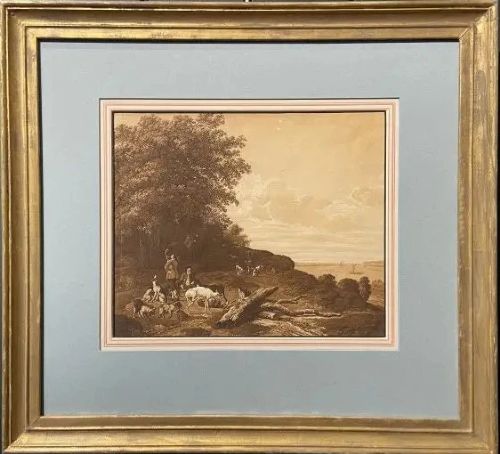
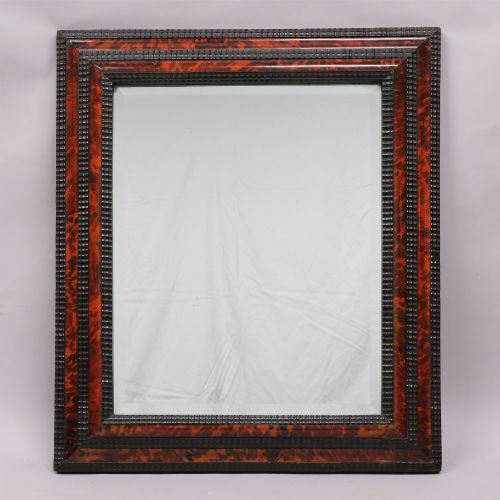


Antique Dutch Style Picture
An antique dutch style picture brings seventeenth-century realism and domestic warmth to a room through heavy wood panels, gilded frames, and rich oil paint.
Antique Dutch Style Picture
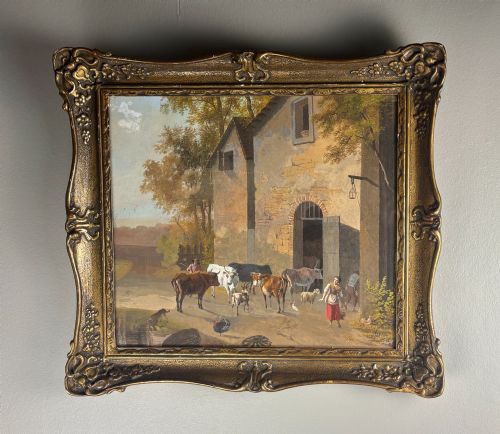
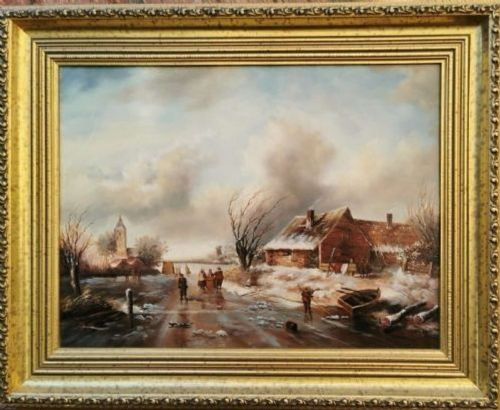
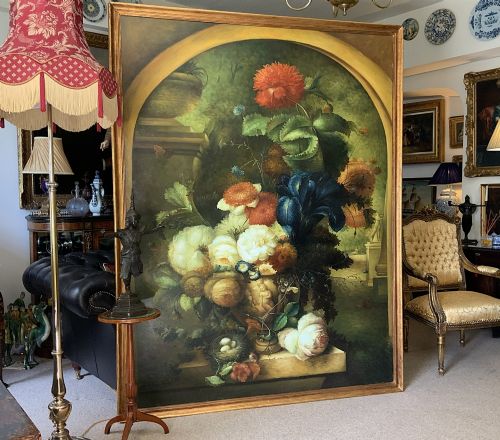
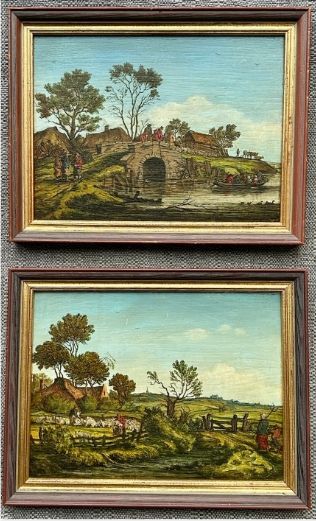
When you search for an antique dutch style picture, you encounter works spanning the seventeenth to the nineteenth century, including original canvases, board panels, and tin supports. These pieces frequently show tavern interiors, winter landscapes, forest scenes, still lifes of fruit and game, and portraits of cavaliers.
The selection here ranges from works in the manner of seventeenth-century masters like David Teniers the Younger and Aelbert Cuyp to nineteenth-century Continental and Flemish school interpretations. You meet both intimate oil portraits and large decorative compositions suited to traditional wall displays.
Many of these artworks arrive in period frames, including tortoiseshell ripple moulding and gold leaf giltwood surrounds that complete the historical presentation. The subjects lean heavily toward seventeenth-century pastoral scenes and seventeenth-century style still life arrangements.
What varies in quality
The distinction between standard decorative works and finer pieces rests on the handling of light, shadow, and brushwork. Superior examples capture depth in figures and textures, such as the glint of metal or the surface of fruit, with confident execution.
The construction and period integrity of the frame also set pieces apart. Original tortoiseshell ripple mouldings and period giltwood frames require skilled joinery and finishing that elevate the entire object.
Antique Dutch Style Picture Retail Price Guide 2026
Typical asking prices for dutch style picture among the pieces listed under this phrase on Sellingantiques today, from the lower quarter to the upper quarter. They describe what is for sale here now, not the wider market.
Several paintings record cows standing placidly in fields, proving that historical cattle had remarkable patience for sittingters.
W Klombeck·Johannes Lingelbach·David Teniers The Younger·Jan Evert Morel·Gudrun Sibbons·Pieter Cornelis Steenhouwer·Andreas Schelfhout·Alexis De Leeuw·Aelbert Cuyp
The Antique Dutch Style Picture Glossary
- Oil paint
- A slow-drying paint made of pigment particles suspended in a drying oil, typically linseed oil. This medium allows for rich blending and deep tonal graduation.
- Wood panel
- A flat wooden board used as a rigid support for painting before canvas became dominant. Artists often used oak for these panels.
- Ripple frame
- A moulded picture frame featuring concentric, undulating wave patterns. This decorative technique is frequently associated with seventeenth-century Dutch framing.
- Still life
- A painting featuring inanimate subject matter, typically commonplace objects such as fruit, flowers, game, or vessels. These compositions emphasise arrangement and texture.
- Giltwood
- Wood that has been covered with a thin layer of gold leaf or gold paint. It provides a bright, reflective border for historical artworks.
Antique Dutch Style Picture: Frequently Asked Questions
What is a dutch school painting?
A Dutch school painting refers to artwork created by artists working in the Netherlands, or those painting in the distinct manner and style established during the Dutch Golden Age.
These pieces typically feature everyday subjects, landscapes, tavern interiors, and still lifes rendered with close attention to natural light and shadow.
How do I hang a heavy framed picture?
Heavy framed oil paintings and mirrors require secure wall fixings anchored directly into studs or masonry rather than standard plaster hooks.
Using a robust picture wire or heavy-duty D-rings screwed firmly into the wooden frame ensures the weight is distributed safely.
Are these paintings on canvas or wood?
The listings include works painted on a variety of supports, including traditional wood panels, stretched canvas, oil on board, paper, and tin.
Wood panels were particularly common in earlier Dutch traditions, while canvas and board appear frequently in nineteenth-century interpretations.
How should I clean an antique frame?
Antique frames, particularly those with gold leaf or delicate ripple mouldings, should be dusted gently with a soft, dry brush.
Avoid using liquid cleaners, polishes, or damp cloths, as moisture can lift the gilding and damage the historic wood finish.