
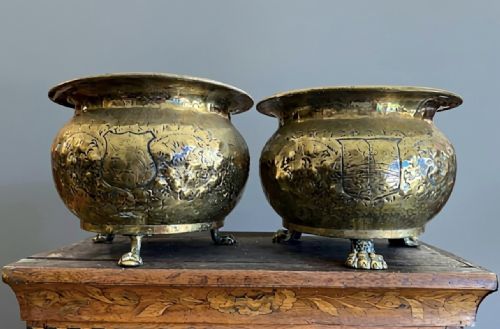


Antique Dutch Planter
An antique dutch planter brings warmth and historical character to a room, offering a functional vessel for greenery shaped by centuries of craftsmanship.
Antique Dutch Planter
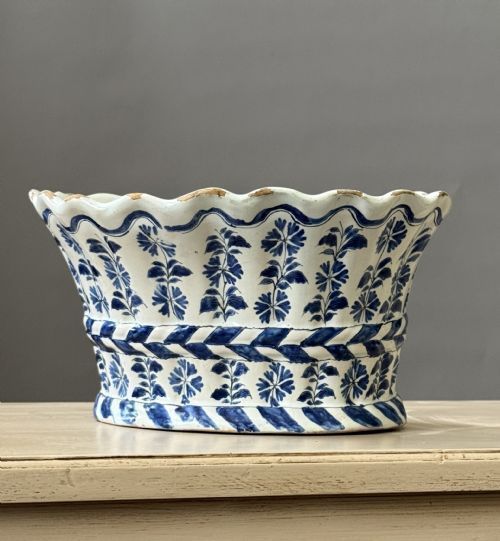
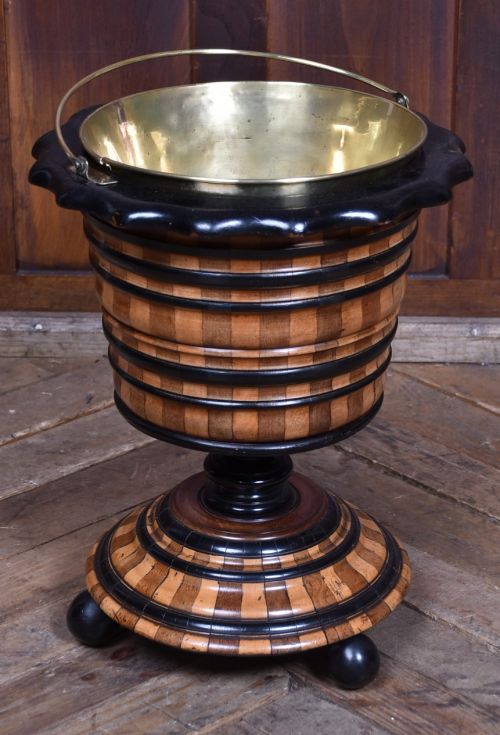
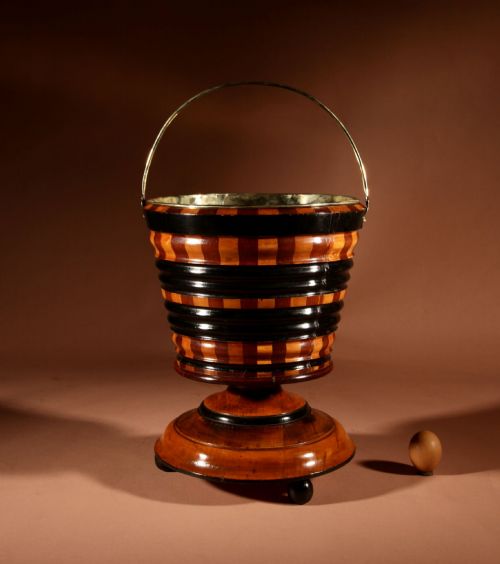
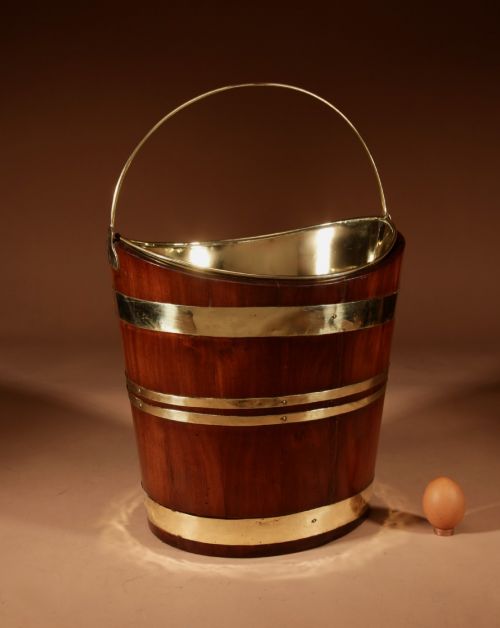
When you search for an antique dutch planter, you are looking at sturdy vessels designed for indoor greenery, peat, or coal, originating from various European periods. The examples on this page span from the eighteenth century through to the early twentieth century, taking forms such as jardinières, boat-shaped schuitjes, peat buckets, and garden urns.
The nineteenth century yields many of the brass and mahogany pieces you will encounter here, often coopered with metal bands or featuring original liners. Earlier items include tin-glazed earthenware delftware bough pots and garden urns, while later examples embrace art nouveau styling and marquetry inlay in satinwood and rosewood.
How they were made
Makers utilised traditional coopering techniques to construct wooden bodies from staves of mahogany, walnut, teak, or mixed hardwoods, binding them securely with heavy brass bands. This method ensured the vessels could hold damp soil or peat without warping the timber over years of domestic use.
Metalworking formed a core part of production, with sheet brass beaten, cast, and polished to create gleaming jardinières, liners, and decorative mounts. Artisans also employed tin-glazing for earthenware ceramics, painting delftware surfaces with traditional pigments before firing.
Listings feature materials spanning solid brass, coopered mahogany, teak, and tin-glazed earthenware delftware across the eighteenth and nineteenth centuries.
What varies in quality
The distinction between ordinary utility items and superior examples lies in the crispness of the brass castings, the precision of the coopered stave joints, and the depth of the timber grain. Finer pieces feature intricate marquetry inlay, substantial brass mountings, and original internal liners that have survived decades of moisture.
Proportion and decorative restraint set the better specimens apart, where handles, paw feet, and applied mounts complement rather than crowd the vessel's primary form. Age alone does not dictate worth; the integrity of the surviving materials and the balance of the design determine the standing of each piece.
The Antique Dutch Planter Glossary
- Coopered wood
- Construction method using narrow wooden staves fitted together side by side and bound by metal hoops, traditionally used for barrels and buckets.
- Jardiniere
- An ornamental pot or stand for holding plants or flowers, typically displayed on the floor or a dedicated table.
- Schuitje
- A boat-shaped vessel or container, often utilised in historic Dutch contexts for peat storage or as a jardinière.
- Teestoof
- A traditional Dutch foot warmer or tea stove that doubled as a container for fuel or plants in domestic settings.
- Delftware
- Tin-glazed earthenware originating from the Netherlands, known for its distinct white glaze and painted blue or polychrome decoration.
Antique Dutch Planter: Frequently Asked Questions
What were antique dutch planters used for?
These vessels served practical functions in historic homes, holding peat for fuel, coal for firesides, or housing indoor plants and decorative bough arrangements.
Over time, many utility buckets transitioned purely into ornamental jardinières or wine coolers as heating methods evolved in domestic spaces.
Are brass liners original?
Many surviving pieces retain their fitted brass liners, which protected the wooden body from moisture and soil erosion during daily use.
Finding a vessel with its original liner significantly enhances its completeness and historical integrity.
How do I distinguish eighteenth and nineteenth century pieces?
Eighteenth-century examples frequently feature delftware earthenware or simpler, heavier brass forms, reflecting the materials and aesthetics of that era.
Nineteenth-century items often showcase sophisticated mahogany coopering, elaborate marquetry inlay, or later art nouveau styling.