




Antique Dutch Console Table
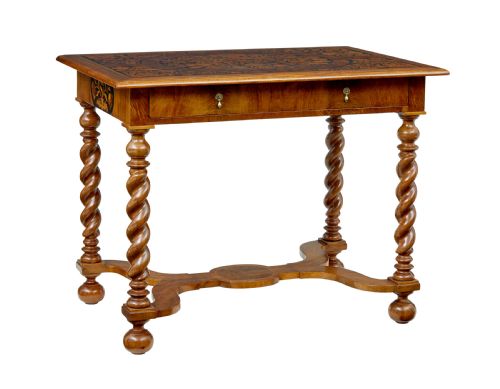
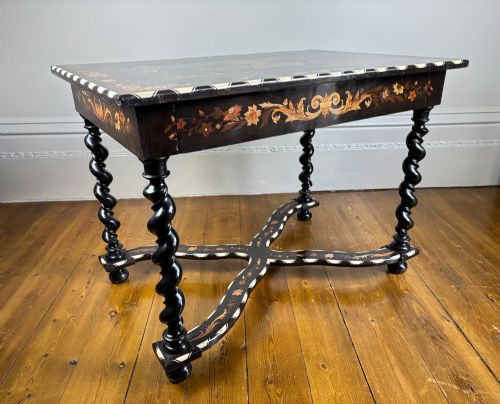
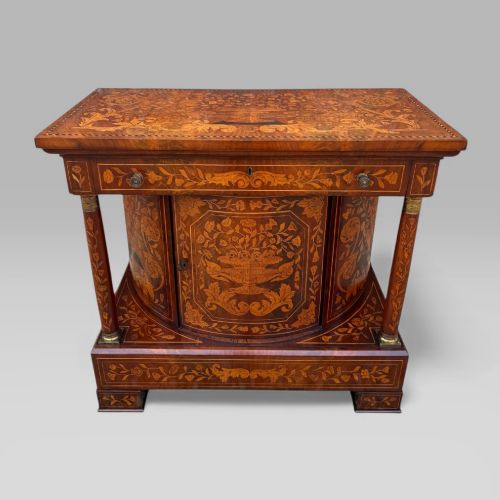
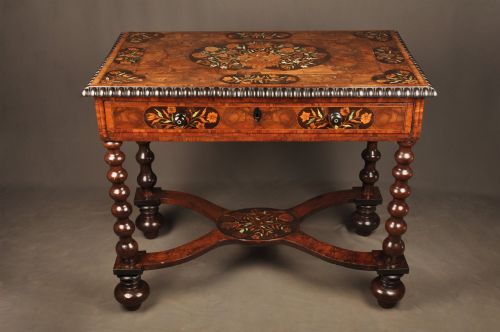
An antique dutch console table brings exceptional floral marquetry and serpentine lines into a hallway, offering both rich cabinetwork and practical surface space.
Antique Dutch Console Table
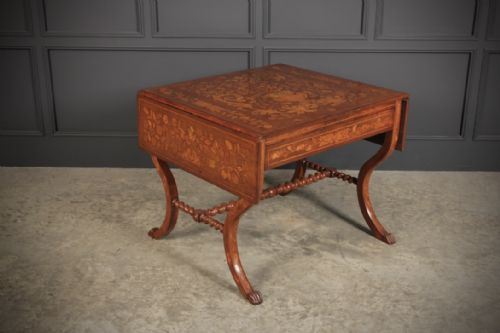
When you search for an antique dutch console table, you encounter a varied group of walnut, mahogany, oak and fruitwood pieces spanning the seventeenth, eighteenth and nineteenth centuries. These forms include demi-lune shapes, games tables, card tables and pier tables displaying distinct regional characteristics.
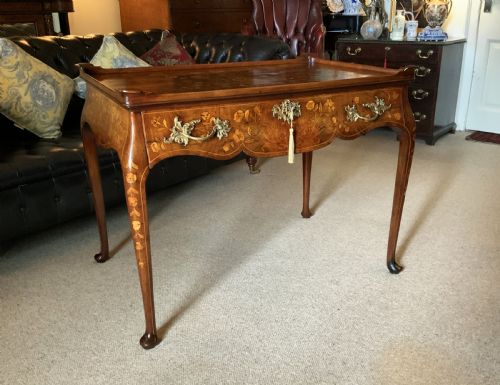
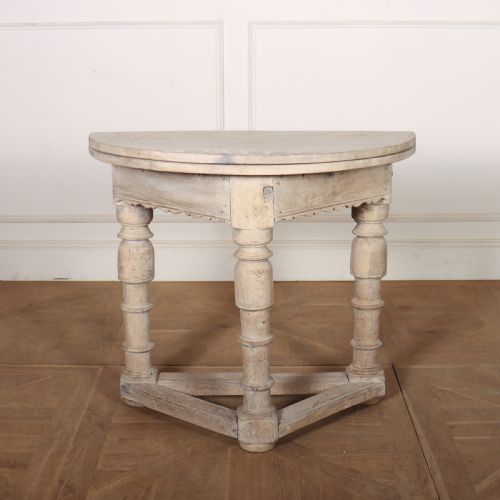
The pieces on this page are most frequently nineteenth-century interpretations or eighteenth-century originals executed in rich floral marquetry and fruitwood inlay. You also find simpler oak and ebonised examples alongside refined serpentine side tables and tambour front cupboards.
Makers and workshops from these periods utilised classical proportions combined with elaborate pictorial veneers depicting flowers, birds and architectural motifs. The resulting furniture functions equally well against a hallway wall or as a centrepiece in a reception room.
Assessing quality and execution
The standard of an antique dutch console table rests on the precision of the marquetry cutter and the depth of the timber selection. Finer examples display tightly registered fruitwood and bone inlays with minimal filler, where floral and bird motifs remain crisp and lifelike.
Structural integrity and timber ageing also determine worth, as superior pieces retain their original carcase wood, smooth operating folding or sliding actions, and untouched patination on walnut and mahogany surfaces. Lesser specimens suffer from dry veneers, crude repairs or later surface alterations that obscure the original hand.
Form variations on this page include demi-lune console tables, serpentine side tables, and folding games tables supported on cabriole or straight legs.
Pander and Zonen
The Antique Dutch Console Table Glossary
- Marquetry
- Decorative veneer work arranged in pictorial patterns using various coloured woods, bone and other materials. This technique defines the visual character of many regional tables.
- Demi-lune
- A half-moon shape used for console and side tables designed to stand flush against a wall. This profile saves floor space while providing a useful display surface.
- Serpentine
- A furniture front or table edge curving outward at the centre and inward at the sides in a continuous wave. It requires advanced carpentry to execute smoothly.
- Gate-leg
- A table leg hinged to swing outward and support a folding leaf or top section. This mechanism appears frequently on games and card tables.
- Pier table
- A decorative table designed to stand against the wall between two windows, often placed beneath a mirror. These pieces focus heavily on surface ornamentation.
Antique Dutch Console Table: Frequently Asked Questions
What is an antique dutch console table used for?
These tables served primarily as decorative pier furniture for displaying ornaments, mirrors, or floral arrangements in grand reception rooms and hallways.
Today, they function similarly in modern interiors, providing a striking focal point against an entrance wall or functioning as occasional card and games tables when fitted with folding leaves.
How do I date an antique dutch console table?
Dating relies on examining the underlying secondary timbers, construction joints, and stylistic markers such as Rococo curves, Neoclassical symmetry, or Baroque floral marquetry.
Earlier pieces from the seventeenth and eighteenth centuries show hand-cut joinery and heavy walnut or oak carcases, whereas nineteenth-century revival items often incorporate machine-cut veneers and varied fruitwoods.
Where should I place a console table at home?
A demi-lune or flat-backed console table fits neatly against a hallway wall, behind a sofa, or beneath a statement mirror in a dining room.
Because many examples feature finished marquetry on all sides or function as folding card tables, they offer flexible placement options depending on your room layout.
How do I care for antique marquetry surfaces?
Protect inlaid surfaces by keeping them away from direct sunlight and maintaining stable indoor humidity to prevent wood shrinkage and veneer lifting.
Apply microcrystalline wax sparingly and buff gently with a soft cloth to nourish the fruitwood and mahogany without building up heavy chemical residues.