




Antique Duke Portrait
An antique duke portrait captures notable figures in oil, mezzotint, or engraving, offering a direct link to centuries of British and European aristocracy.
Antique Duke Portrait
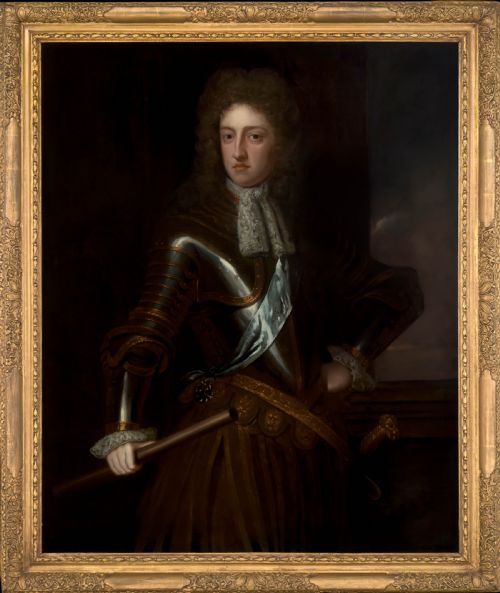
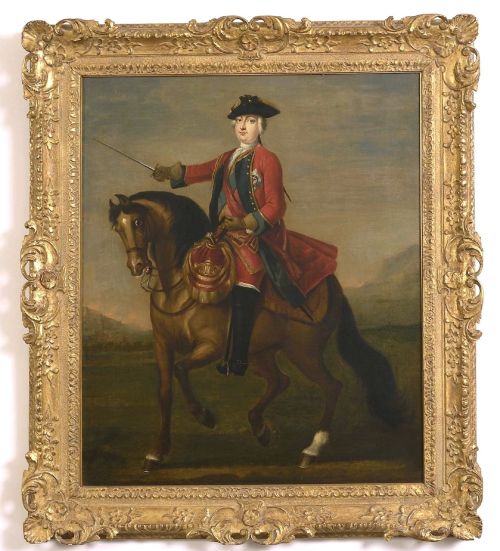
When searching for an antique duke portrait, you encounter historic likenesses spanning the seventeenth, eighteenth, and nineteenth centuries. These works record significant military commanders, statesmen, and royalty, including figures such as the Duke of Wellington and the Duke of Marlborough.
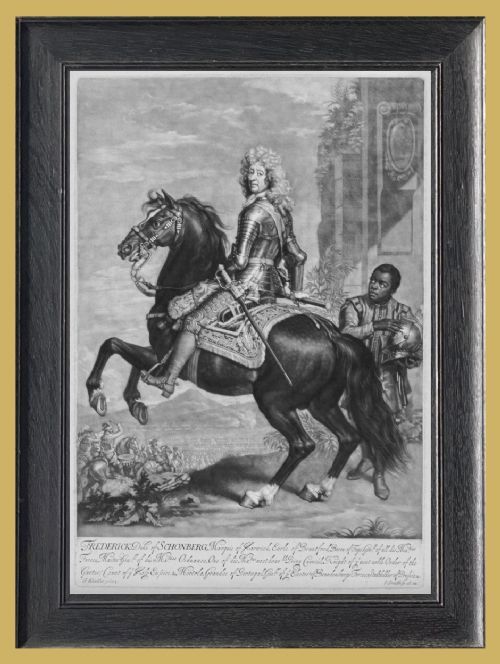
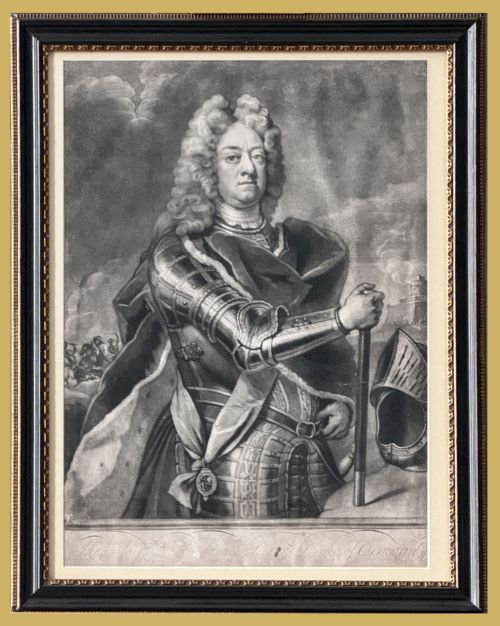
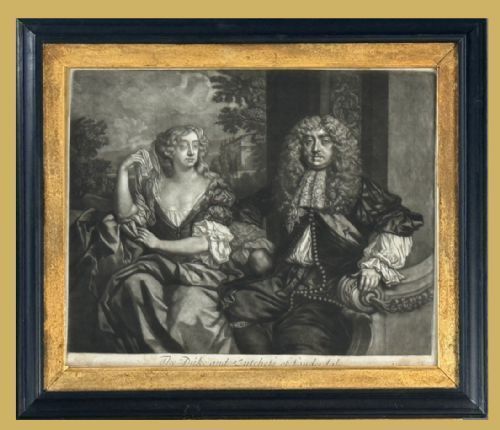
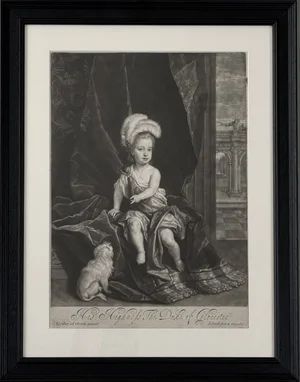
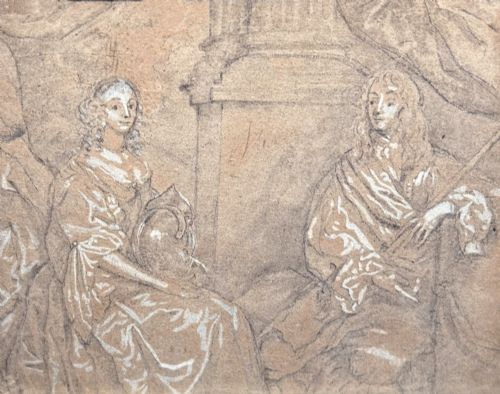
The selections on this page range from original oil paintings on canvas to printed works like mezzotints and etchings. Many examples connect prominent sitters with master painters and printmakers of their respective eras, reflecting the official portraiture traditions of the period.
Subjects appear in diverse attire appropriate to their station, from heavy armour and Garter robes to military uniforms and fur-trimmed robes. This variety provides a clear visual record of changing portrait styles from the Baroque period through to Victorian fine art.
Materials and techniques
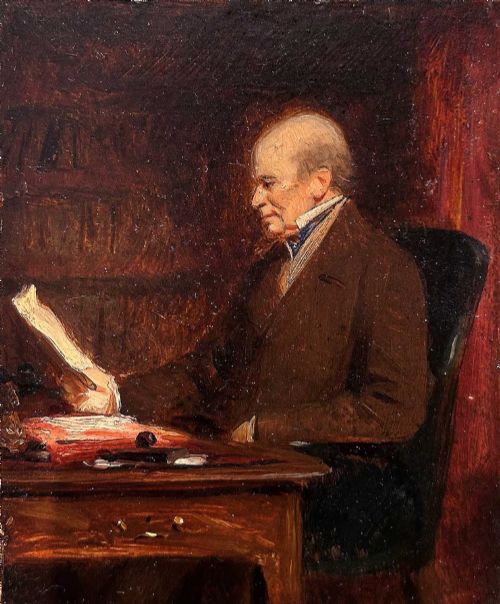
Many works utilise oil paint applied to canvas, often housed within period frames made of giltwood. These oil paintings rely on layered pigments to render rich textures in garments like velvet robes and military sashes.
Printmakers employed techniques such as mezzotint, etching, and stipple-engraving on paper to reproduce painted portraits for wider circulation. Master engravers worked from original canvases by artists like Sir Godfrey Kneller and Sir Peter Lely to create detailed tonal prints.
Supports include prepared canvas, various grades of paper, and wood panels, sometimes protected by glass. These materials combine with ink and gilt accents to preserve the depth and detail of the original compositions.
Antique Duke Portrait Retail Price Guide 2026
Typical asking prices for duke portrait among the pieces listed under this phrase on Sellingantiques today, from the lower quarter to the upper quarter. They describe what is for sale here now, not the wider market.
Listings feature works spanning the 17th, 18th, 19th, and 20th centuries, executed in oil on canvas, paper, glass, and wood.
Variations in quality
The distinction between works rests largely on the execution of the portrait and the standing of the artist or engraver involved. Pieces derived directly from primary sittings or executed by established portraitists demonstrate superior draftsmanship and psychological depth.
The integrity of the original materials, including unlined canvases and authentic period giltwood frames, contributes to the standing of an individual piece. Works that maintain their early mountings and stable pigment layers offer a more complete historic record.
John Simon·Michael Dahl·John Smith·Thomas Murray·Sir Godfrey Kneller·Sir Peter Lely·Stephen Pearce·John Wootton·Thomas Hudson·Ramsay Richard Reinagle·Hans Holbein·Bartolozzi·George Hamilton Barrable·John Closterman·George Clint·John Laviers Wheatley·George Dawe·Jean-Baptiste Santerre·William Salter·Henry Wyatt
The Antique Duke Portrait Glossary
- Mezzotint
- A printmaking process of the intaglio family where the plate is roughened uniformly to produce dark areas, then scraped to create light passages. This technique allows for rich tonal gradations rather than simple lines.
- Giltwood
- Wood that has been coated with a thin layer of gold leaf or gilt powder, commonly used for ornate antique picture frames. It provides a bright, reflective border suited to formal portraiture.
- Garter Robes
- The ceremonial garments associated with the Order of the Garter, Britain's highest chivalric order. Portraits often display sitters wearing these robes to denote high rank and royal favour.
- Lesser George
- A badge depicting Saint George slaying the dragon, worn suspended from a blue ribbon or collar as part of the insignia of the Order of the Garter. It appears frequently in seventeenth and eighteenth-century noble portraits.
Antique Duke Portrait: Frequently Asked Questions
What periods do these portraits cover?
The listings span from the seventeenth century through the eighteenth and nineteenth centuries, with occasional examples extending into the mid-twentieth century.
These dates correspond to the active periods of the sitters and the artists who recorded them, encompassing Baroque, Georgian, Regency, and Victorian styles.
Are these original paintings or prints?
The selection includes both original oil paintings on canvas and historic prints such as mezzotints, etchings, and stipple-engravings.
Original works bear the direct brushwork of painters, while print mediums represent period reproductions issued on paper.
Who are the typical subjects?
Subjects are primarily British and European dukes, military commanders, statesmen, and royals holding high offices.
Many sitters wear official robes, armour, or military uniforms that signify their rank and public service.
How should I hang an oil portrait?
Historic oil paintings and framed prints require placement away from direct sunlight and excessive humidity to protect the canvas and paper.
Ensuring stable environmental conditions helps preserve both the pigment layers and any original giltwood framing.