
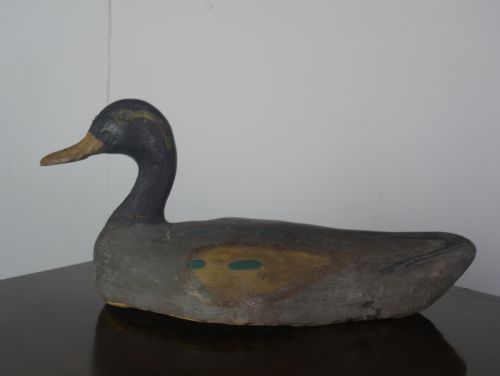


Antique Duck Carving
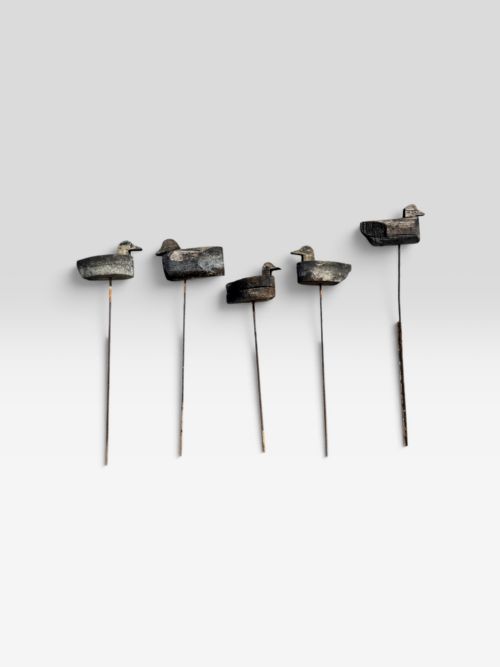
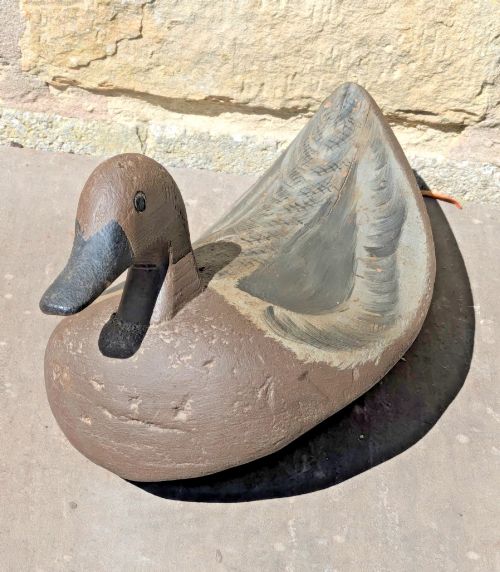
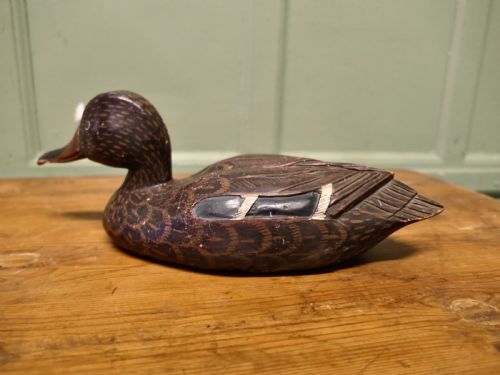
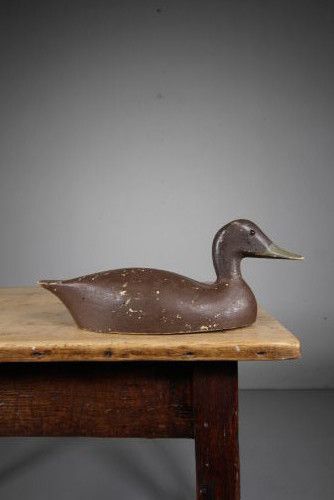
These antique duck carving pieces are traditional working decoys and folk art sculptures made to sit quietly on water or shelves.
Antique Duck Carving
When you search for antique duck carving, you are looking at working decoys and decorative waterfowl sculptures spanning the Victorian, Edwardian and early twentieth century periods. The examples on this page are predominantly wooden decoy ducks and water birds shaped for practical use on lakes and rivers.
Makers shaped these timber birds to sit low in the water or upon a shelf, capturing the silhouette of mallards, loons and teal. Their primary role was functional before collectors gathered them as decorative objects.
How they were made
Carvers shaped these figures from solid timber and wood using hand tools to create the curved bodies and distinct heads of waterfowl. Artisans then applied layers of paint to render the plumage, balancing camouflage with realism.
Iron fasteners and weights were occasionally integrated into the construction to keep working decoys upright on the water. Many pieces show the tool marks of their maker, recording the hand-chiselled process of their creation.
Listings span the nineteenth century through the nineteen-thirties, featuring wood, painted wood, and iron elements.
What varies in quality
Quality rests in the sculptural confidence of the carving and the survival of the original painted surface. Pieces with crisp tool work and honest, weathered pigment stand apart from later replacements.
The balance of the form and the anatomical accuracy of the bill and neck separate basic working tools from superior folk art carvings. Surface texture tells the history of use on the water.
The Antique Duck Carving Glossary
- Decoy
- A carved wooden bird shaped to attract wildfowl during shooting. These objects formed the backbone of working waterfowl management.
- Painted wood
- Timber surfaces coated with traditional pigments to imitate feathers. The survival of this layer dictates much of the character of a piece.
- Carved wood
- Material shaped by hand tools into sculptural forms. This technique defines the primary structure of all waterfowl figures.
Antique Duck Carving: Frequently Asked Questions
What is an antique duck carving?
An antique duck carving is a wooden decoy or folk art sculpture shaped to resemble waterfowl. Makers originally produced them for use on rivers and lakes.
Over time, collectors removed these working objects from the water and placed them in domestic interiors as decorative sculptures.
How were decoy ducks used?
Decoy ducks were anchored on water or placed along banks to attract wild fowl within range of hunters. Their silhouette and painted plumage lured birds to the location.
Today, they serve purely as decorative objects in homes, displayed on shelves, sideboards or tables.
How do I date a decoy?
Dating relies on examining the tool marks left by the carver, the construction of the timber body, and the composition of the paint layers. Victorian and Edwardian examples often show distinct patination from outdoor use.
Comparison with documented regional styles helps place pieces within specific decades from the nineteenth century onwards.
Are these carvings handmade?
These pieces were carved by hand using traditional woodworking tools such as drawknives and chisels. Each maker brought an individual interpretation to the anatomy of the bird.
This manual process ensures that no two working decoys share identical contours or surface wear.