




Antique Drying Rack
An antique drying rack brings practical historic utility into a room, offering sturdy wooden frames designed for airing laundry or textiles.
Antique Drying Rack
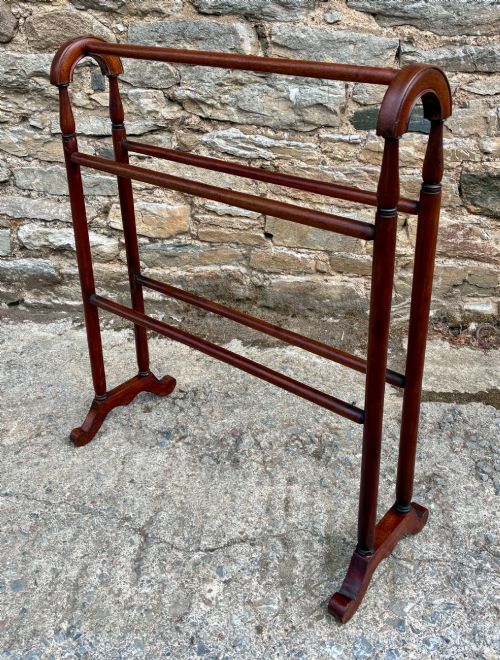
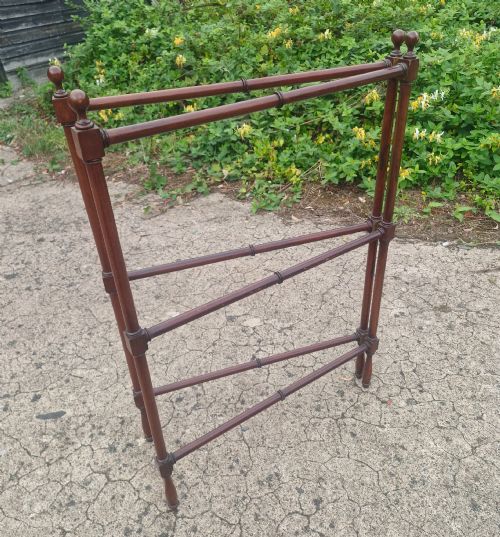
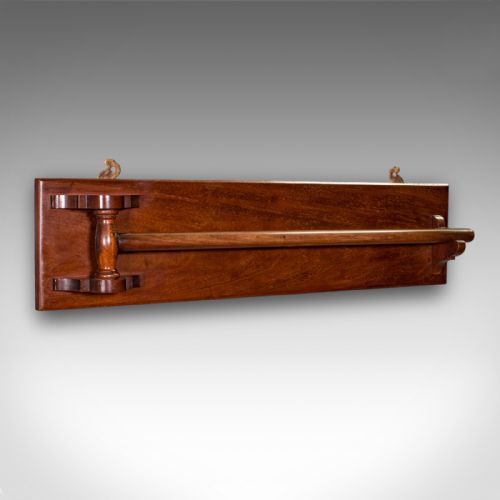
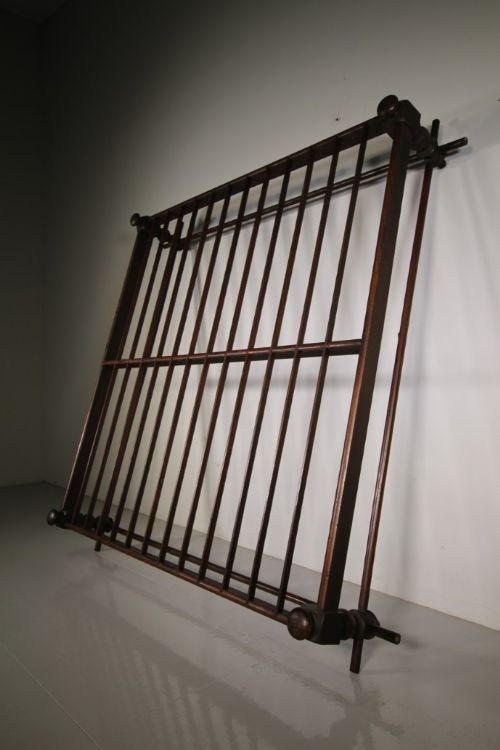
An antique drying rack serves as a functional piece of historic furniture designed for airing clothes, towels, or produce. When you search for an antique drying rack, you encounter forms ranging from freestanding mahogany towel rail stands to wall-mounted clothes airers and large hanging kitchen racks.
The pieces appearing in these listings span the nineteenth century, the Edwardian era, and the Regency period. You are most likely to meet mahogany folding towel rails and oak clothes racks among the available selection.
Origin and form vary widely, encompassing English maritime bathroom pieces, French cleft hazel prune racks, and substantial country house fruit drying chests made of pine. Each variant reflects the specific domestic or agricultural labour of its period.
How they were made
Cabinet makers utilised dense hardwoods such as mahogany, oak, and satinwood inlay to construct durable frames that could withstand heavy daily use. Pine and cleft hazel served domestic and agricultural purposes where lighter or more flexible green wood was practical.
Joinery methods involved sturdy pegged or jointed frames designed to fold or support weight, alongside brass fittings and cast iron elements on specialised items like ship's rails and umbrella stands.
What varies in quality
The standard of a piece rests on the selection of timber and the refinement of its construction, distinguishing simple utility items from fine country house furnishings. Dense mahogany frames with satinwood inlay and well-turned rails represent the upper end of the range.
Proportion and scale dictate the visual weight of the object, where impressive proportions on larger robe stands or multi-fold clothes horses separate grand examples from standard domestic pieces.
The Antique Drying Rack Glossary
- Cheval rail
- A freestanding pivoted frame that swings on upright supports. This design allows garments or towels to be accessed from multiple angles.
- Clothes airer
- A wall-mounted or ceiling-hung wooden fixture with slats for drying laundry. It utilises rising warm air within a room.
- Cleft hazel
- Wood split along the natural grain rather than sawn. This technique retains the maximum tensile strength of the branch for rustic basketry and racks.
- Robe stand
- A tall freestanding wooden framework used for hanging garments. They often feature impressive scale and multiple arms.
- Satinwood inlay
- Contrasting pale exotic wood inserted into recesses of a darker primary timber. It creates decorative geometric or floral banding on refined Edwardian and Regency pieces.
Antique Drying Rack: Frequently Asked Questions
How were clothes racks used historically?
These racks stood near hearths or in utility spaces to dry freshly washed laundry, damp linens, and wet garments.
Agricultural variants served specialised purposes, such as resting harvested apples or drying fruit and bacon in large country houses.
Where should I place a drying rack?
Freestanding folding towel rails suit bathrooms, bedrooms, or hallways as functional pieces of furniture that hold textiles.
Wall-mounted airers work well in utility rooms or kitchens where overhead space allows air to circulate around hanging garments.
How do I identify an Edwardian piece?
Edwardian pieces often feature lighter mahogany frames, sometimes incorporating simpler lines compared to heavier Victorian furniture.
Makers of this period frequently produced practical wall-mounted clothes airers and refined towel rail stands around nineteen hundred.
What is the difference between an airer and a towel rail?
Towel rails generally consist of freestanding folding frames designed for domestic bathrooms and bedrooms.
Clothes airers more often refer to wall-mounted or ceiling-hung fixtures intended specifically for drying larger quantities of laundry.