
Antique Drop Crystal Fixture
An antique drop crystal fixture brings brilliant illumination and refractive beauty into a room, making it a focal point of decorative elegance.
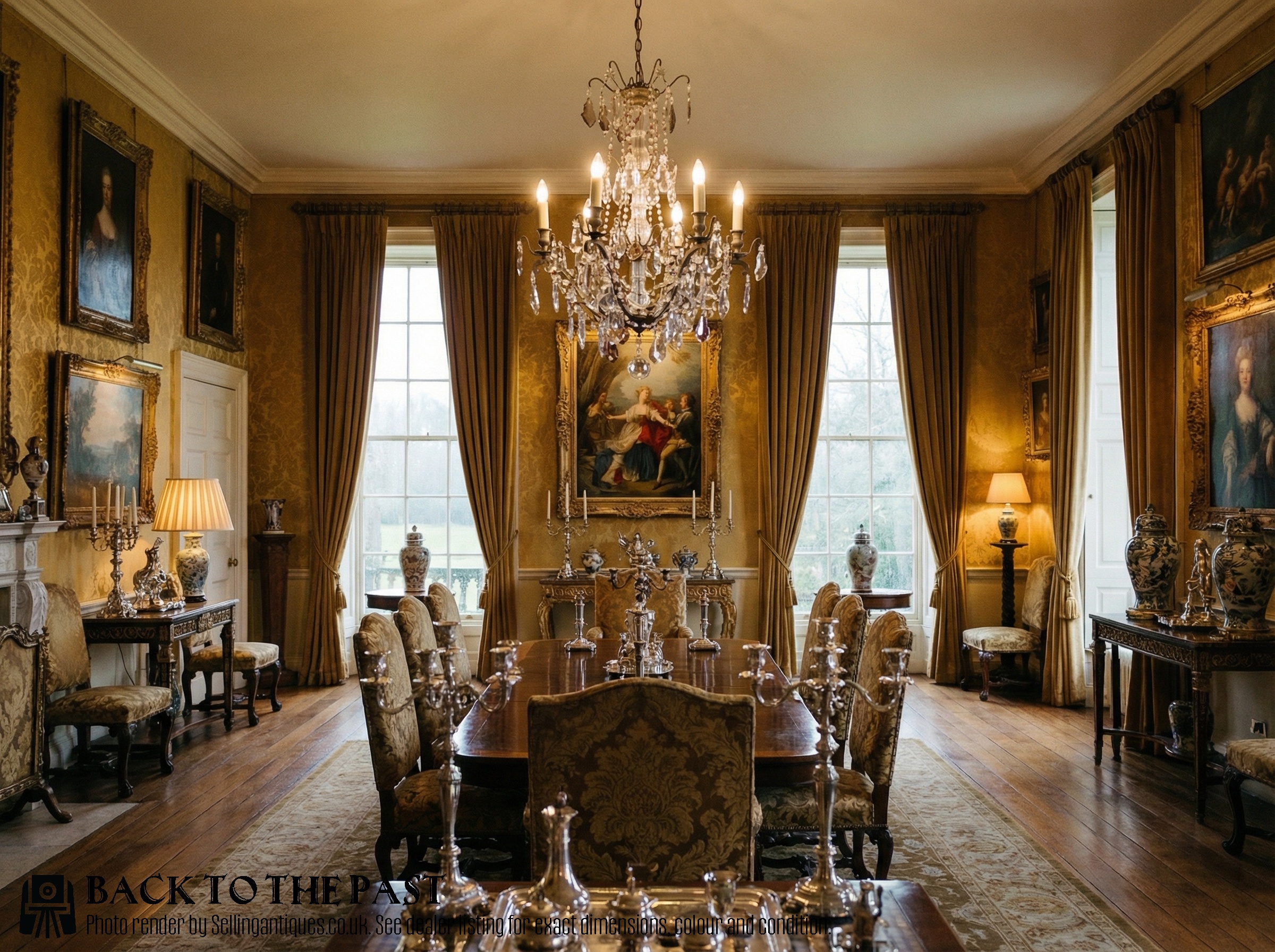
Antique Drop Crystal Fixture
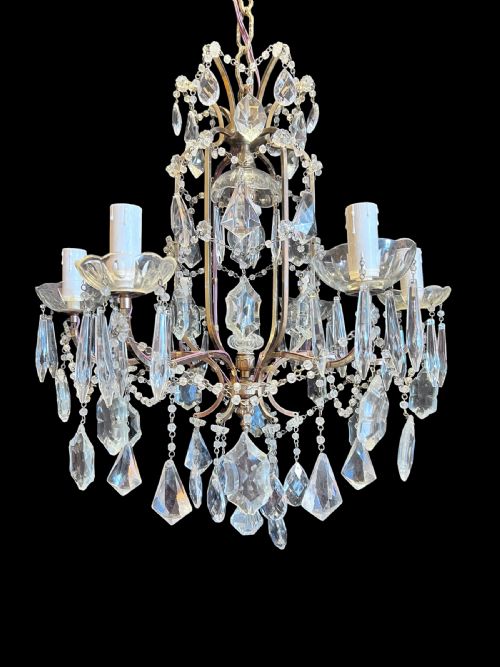
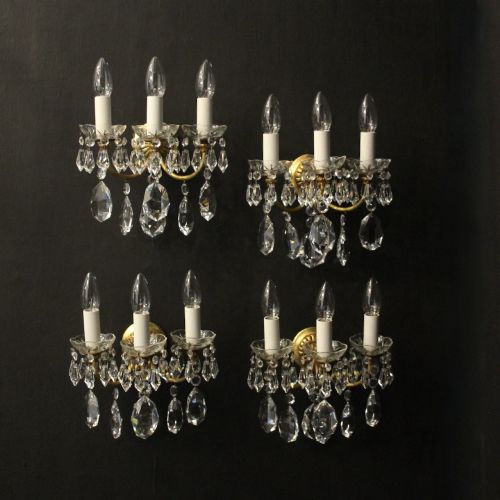
An antique drop crystal fixture comprises various forms of overhead and wall illumination designed to catch and refract light through suspended glass elements. When searching for an antique drop crystal fixture, buyers encounter numerous variations spanning the nineteenth century through the early twentieth century, including Edwardian examples.
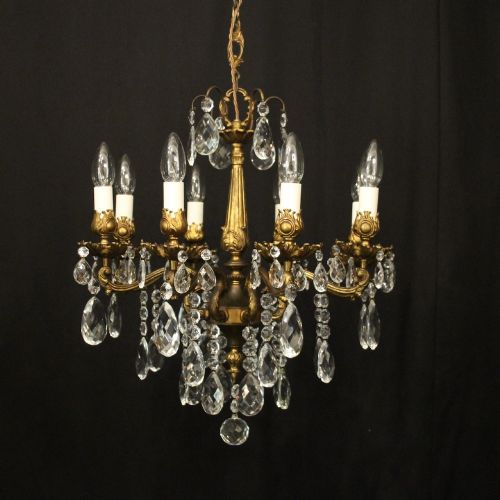
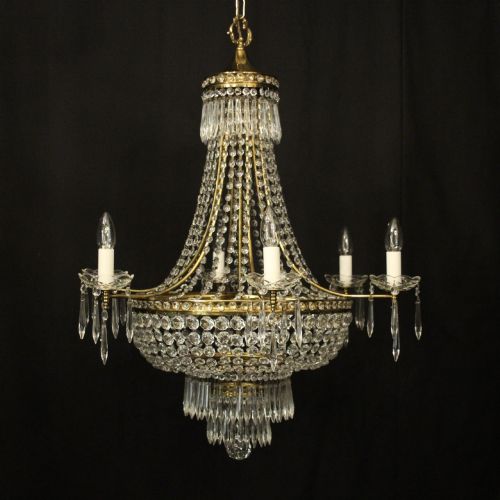
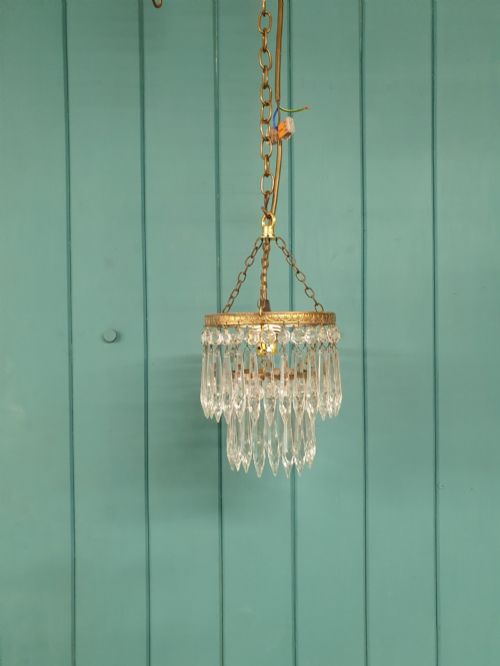
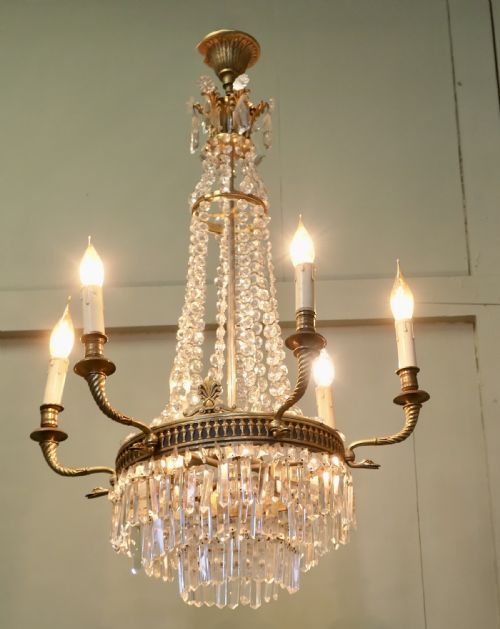
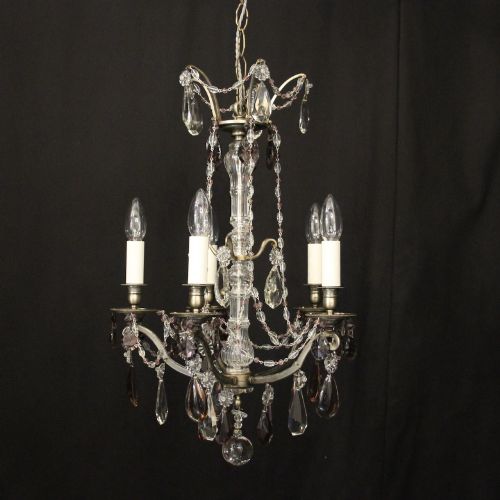
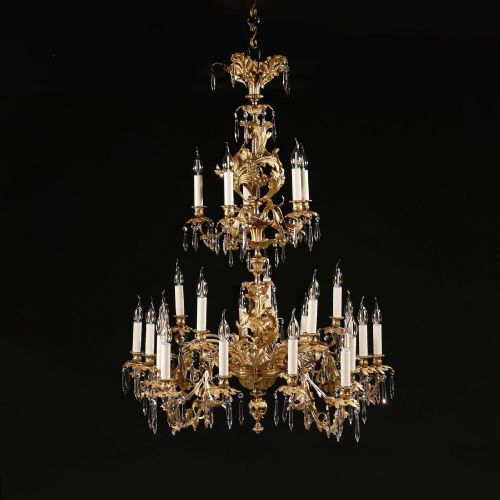
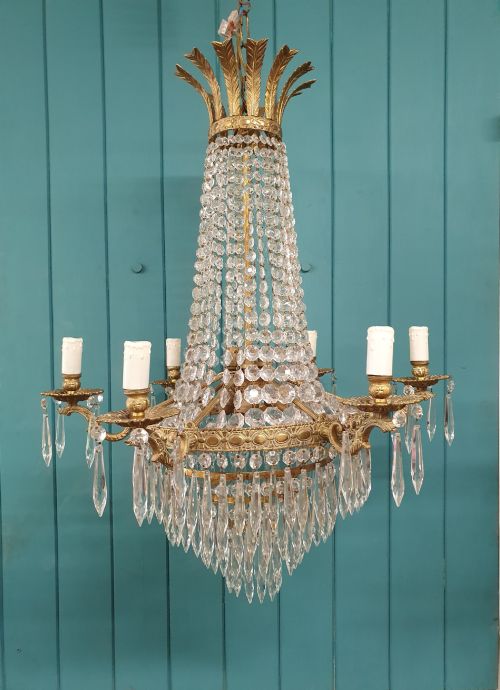
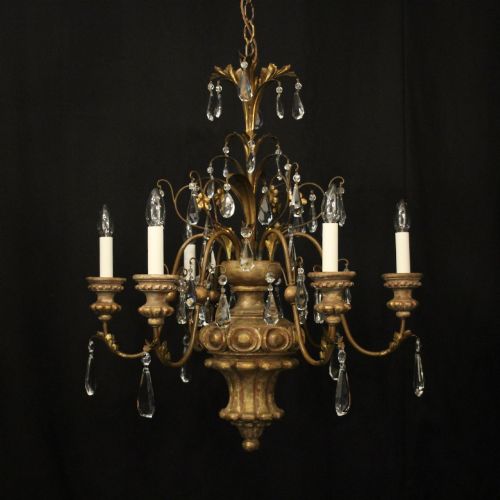
The selections primarily consist of chandeliers, ceiling lights, and wall lights originating predominantly from French and Italian workshops. These pieces frequently incorporate styles such as French Empire, French Rococo, and Florentine Baroque, alongside simpler tent and waterfall configurations.
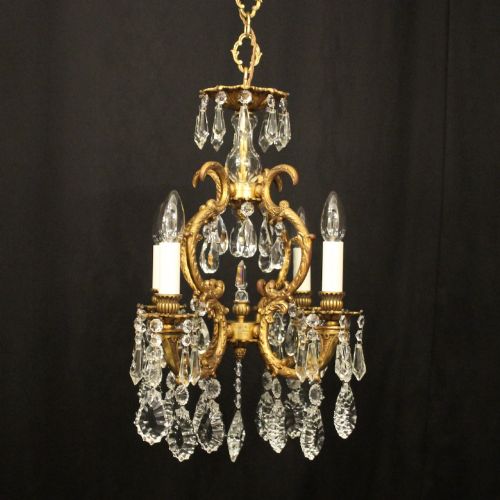
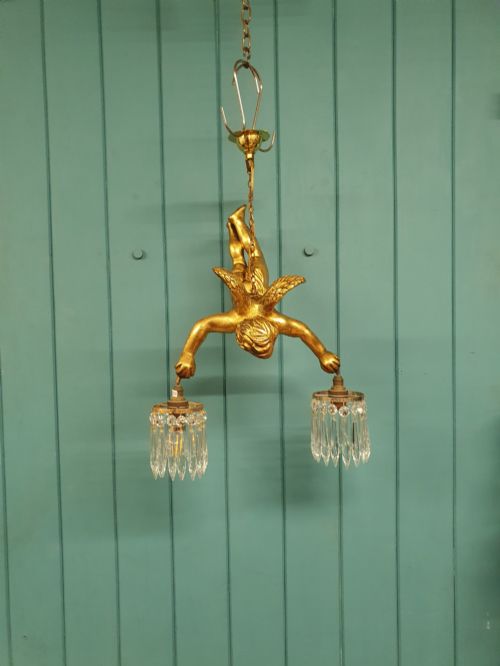
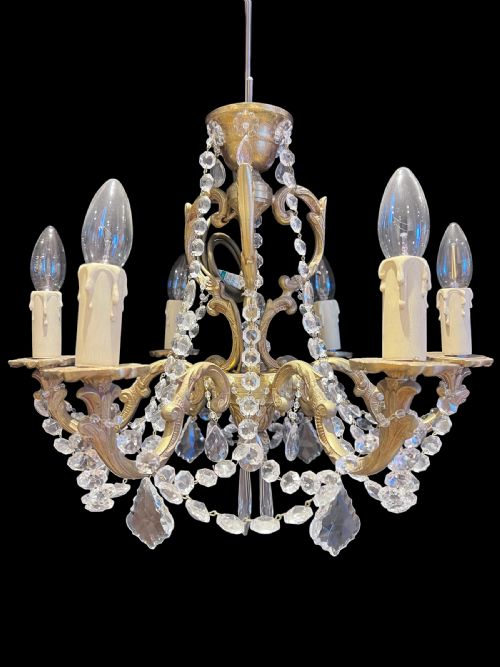
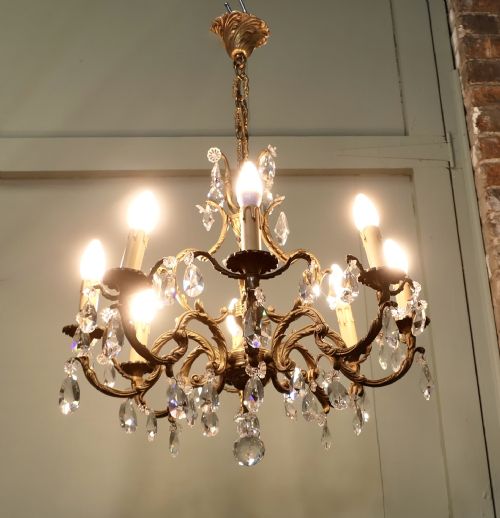
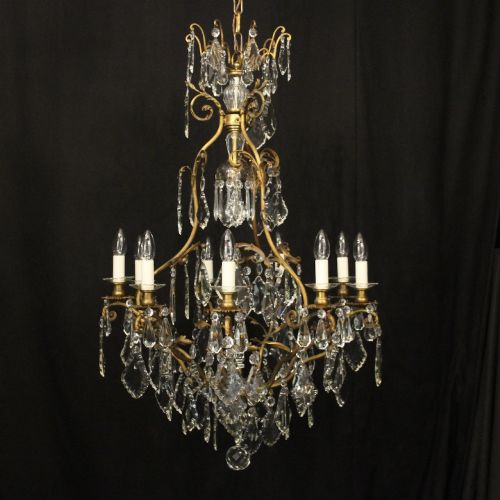
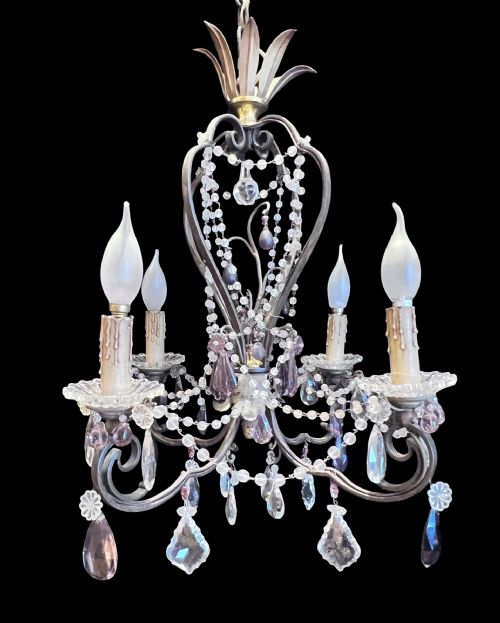
Buyers are most likely to meet multi-light brass or gilt metal frames adorned with cut glass drops, lustres, and crystal spikes. Pieces range from intimate single-light wall sconces and small bag chandeliers to grand multi-armed creations with numerous lights.
Materials and Construction
Makers constructed the structural frames of these fixtures using metals such as brass, gilt bronze, gilt metal, gilded brass, and wrought iron. These metallic foundations provided the necessary strength to support multiple branches and heavy arrangements of hanging glass.
The decorative hanging elements utilise glass, crystal, and cut glass, sometimes featuring coloured crystals, amethyst, or turquoise tones. Individual components like lustres, spikes, coffin prisms, and droplets are suspended to disperse light effectively throughout a space.
Assessing Quality
Quality in these lighting fixtures is evident in the precision of the metalwork, whether cast in gilt bronze or formed in brass and toleware. Superior examples display intricate detailing such as leaf decoration, refined chasing, and robust arm connections that support heavy glass loads securely.
The clarity, cut, and density of the crystal drops and prisms significantly influence the overall brilliance and refractive capability of the piece. Finer fixtures utilise well-cut crystal glass that creates sharp light dispersion, contrasted by simpler pressed glass elements found on smaller or more utilitarian examples.
The Antique Drop Crystal Fixture Glossary
- Tent and waterfall chandelier
- A lighting form featuring an upper conical canopy of crystal strands that falls outward into a cascading arrangement of drops. This style derives from neoclassical French Empire designs.
- Lustre
- A cut glass pendant or drop suspended from the arms or crown of a fixture to catch and reflect light. These elements hang in various geometric shapes.
- Spike
- A linear, pointed crystal element used as a pendant or decorative fringe on specific chandelier styles. They add vertical emphasis to the lower profile of the fixture.
- Marie Theresa
- A distinct style of flat-banded chandelier originating from Austrian and Italian traditions, characterised by glass-sheathed arms and dense crystal garlands. They often feature central caged or flat stem constructions.
- Coffin prism
- A flat-backed, wedge-shaped cut glass prism resembling a coffin silhouette, utilised in early twentieth-century fixtures to refract light sharply.
Antique Drop Crystal Fixture: Frequently Asked Questions
How do I clean an antique crystal chandelier?
Cleaning requires a gentle solution of warm water and mild soap applied carefully to each glass drop by hand. Technicians often wipe metal frames separately to avoid damaging gilt or painted finishes.
Support each crystal element securely during the process to prevent accidental detachment or stress on the historic wire fixings holding them to the frame.
Are these fixtures wired for modern electricity?
Many surviving pieces have been adapted over time to accommodate standard electrical fittings and modern voltage requirements. Some retain original candle-form or early wiring components that require professional safety updates.
Buyers should consult a qualified electrician to inspect the internal wiring and ensure the fixture meets current domestic safety standards prior to installation.
What rooms suit a tent and waterfall chandelier?
Tent and waterfall fixtures provide substantial vertical presence, making them well suited to dining rooms, high-ceilinged reception spaces, and grand hallways. Their cascading crystals distribute ambient light evenly across wide areas.
Consider the drop height and overall diameter relative to the room dimensions and furniture placement to maintain balanced proportions within the interior scheme.
How do I identify an Edwardian crystal fixture?
Edwardian pieces often present lighter, more restrained proportions compared to mid-nineteenth-century predecessors, frequently incorporating smaller dimensions and delicate brass or gilt structures. Specific formats like bag chandeliers and prism-trimmed fixtures gained popularity during this early twentieth-century era.
Examining the construction methods, pin attachments, and cut glass styles helps distinguish these Edwardian examples from earlier nineteenth-century or later revival pieces.