

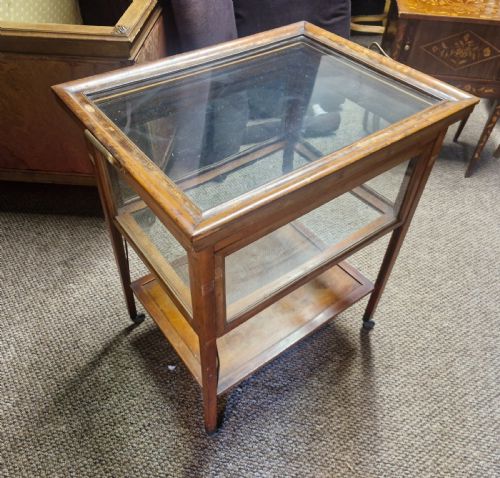


Antique Drinks Trolley Tray
An antique drinks trolley tray brings period character and portable service to a room, offering the timeless utility of a mobile serving surface.
Antique Drinks Trolley Tray
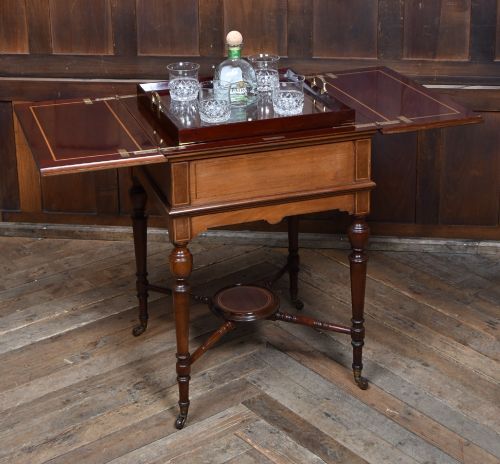
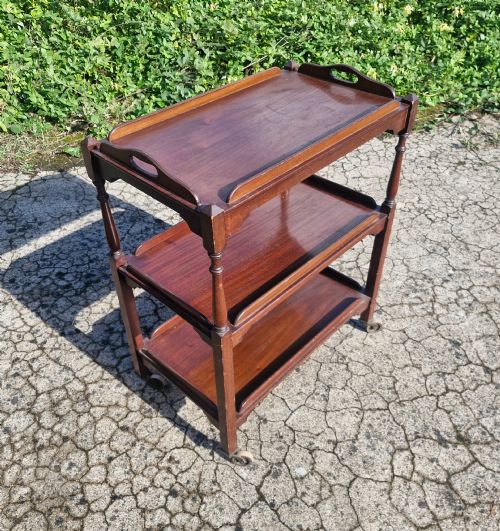
When searching for an antique drinks trolley tray, a buyer encounters pieces designed for serving refreshments, ranging from tea trolleys to tray tables and serving tables. These items combine a sturdy wooden framework with a flat surface or a lift-off tray for carrying glasses and bottles.
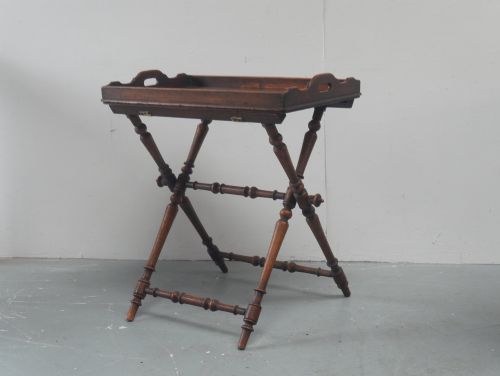
Alongside standard tea trolleys, the selections include more specialised forms such as folding butler's trays, occasional tables, and colonial walnut oval drinks cabinets. Each piece reflects the social habits of its period, prioritising moveable service and hospitality.
How they were made
Construction relies heavily on traditional timber framing using woods such as oak, mahogany, walnut, and burr walnut, alongside plywood in certain components. Metal and brass often appear in castors, handles, and hinges to facilitate movement and secure removable trays.
Joinery techniques suited to each period dictate the stability of the frame, from the folding mechanisms of butler's trays to the multi-tier structures of dumb waiters. Surfaces are finished to highlight the natural grain of the timber, particularly in burr walnut and figured mahogany.
Antique Drinks Trolley Tray Retail Price Guide 2026
Typical asking prices for drinks trolley tray among the pieces listed under this phrase on Sellingantiques today, from the lower quarter to the upper quarter. They describe what is for sale here now, not the wider market.
Listings feature items spanning the Georgian, Regency, Edwardian periods, and the 1920s, utilising oak, mahogany, walnut, burr walnut, brass, and glass.
What varies in quality
Quality in these pieces is dictated by the selection of timber and the sophistication of the joinery, distinguishing utilitarian items from high-status cabinet-making. Figured veneers such as burr walnut and dense timbers like Cuban mahogany indicate a higher grade of manufacture.
Design complexity also separates standard items from exceptional ones, seen in pieces featuring clever folding mechanisms, stamped maker details, or integrated removable trays with secure galleries. The integration of brass hardware and smooth-running wheels further defines the standard of craftsmanship.
Gillow
The Antique Drinks Trolley Tray Glossary
- Butler's tray
- A removable wooden tray with hinged or panelled sides, traditionally set upon a folding X-frame stand for portable service.
- Dumb waiter
- A multi-tiered serving table or etagere designed to hold food, glassware, and bottles without the need for constant attendants.
- Drop sides
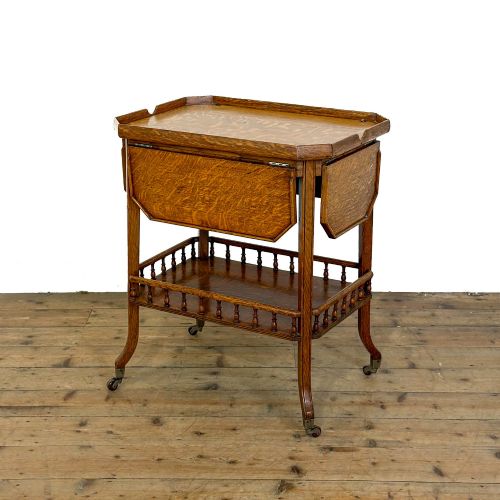
- Hinged flaps on the edges of a table top or tray that lift to extend the surface area when needed.
- Castor
- A small wheel mounted on a swivel assembly at the base of a trolley leg to allow smooth rolling across floors.
Antique Drinks Trolley Tray: Frequently Asked Questions
What is an antique drinks trolley tray?
An antique drinks trolley tray is a moveable piece of furniture designed to serve and transport beverages, typically featuring wheels and a removable top surface.
These items span various forms from the Edwardian period and the 1920s, combining practical utility with period woodwork.
How were these trolleys used historically?
Historically, these pieces facilitated the service of tea, afternoon refreshments, and evening drinks in domestic parlours and dining rooms.
Removable trays allowed servants or hosts to carry glasses and bottles directly from the kitchen or cabinet to guests.
How do I distinguish between periods?
Dating relies on observing timber choices, hardware styles, and construction methods characteristic of eras like the Edwardian period, the 1920s, or the Regency style.
Earlier pieces often exhibit denser hardwoods and hand-finished joints, while later Edwardian and 1920s examples frequently incorporate functional wheels and drop sides.
How do I live with an antique trolley?
Living with these pieces involves using them for their original purpose as mobile serving tables or displaying glassware and decanters on their surfaces.
Care should be taken to protect timber finishes from moisture and heat using coasters and mats during daily use.