



Antique Drinks Cooler
These antique drinks cooler pieces are substantial vessels designed to keep wine and spirits chilled, bringing period craftsmanship directly to the dining room.
Antique Drinks Cooler
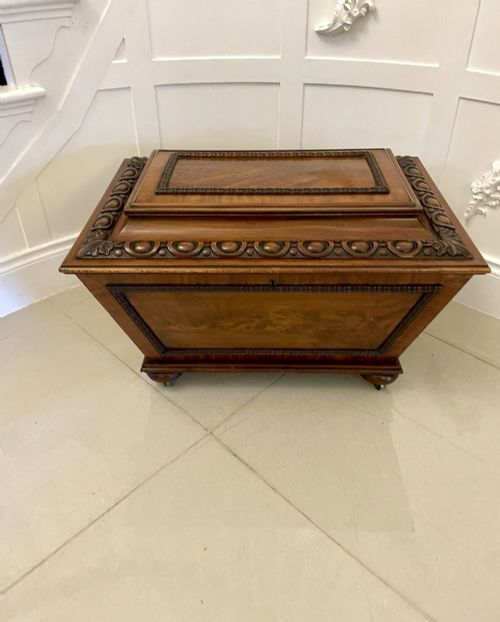
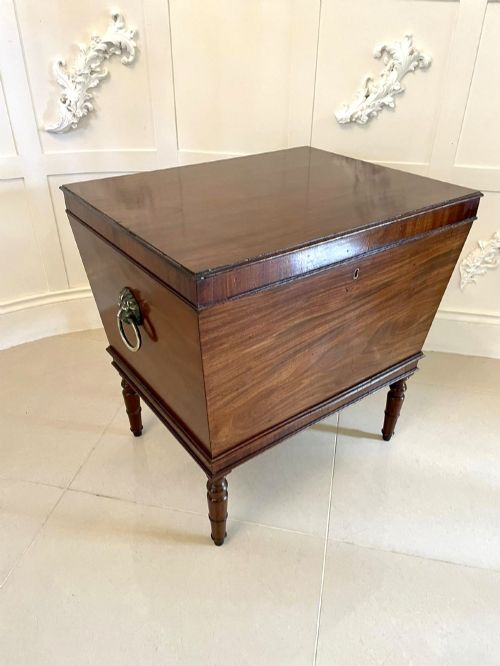
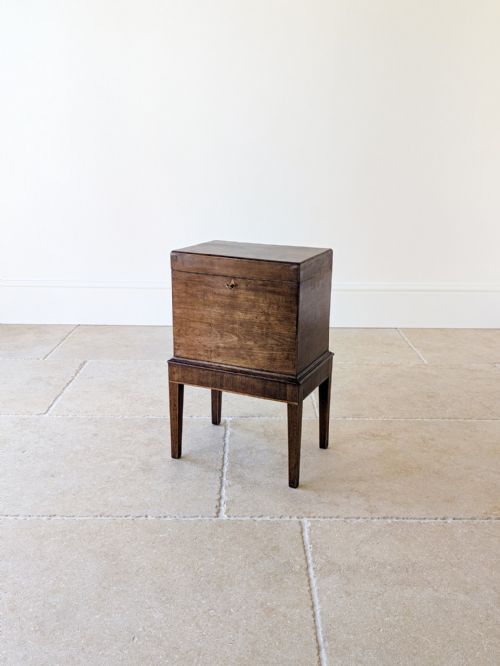
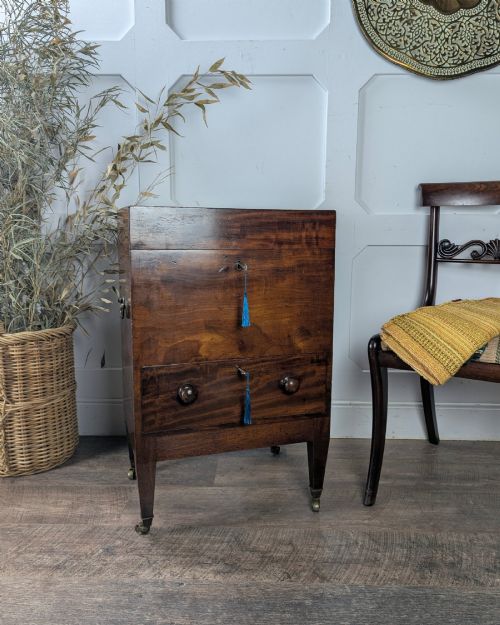
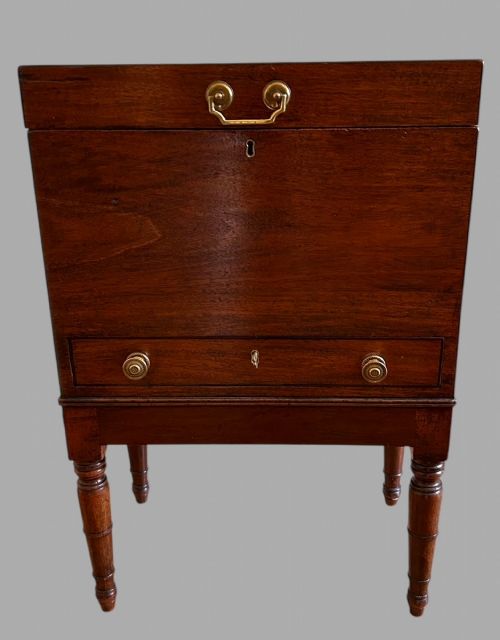
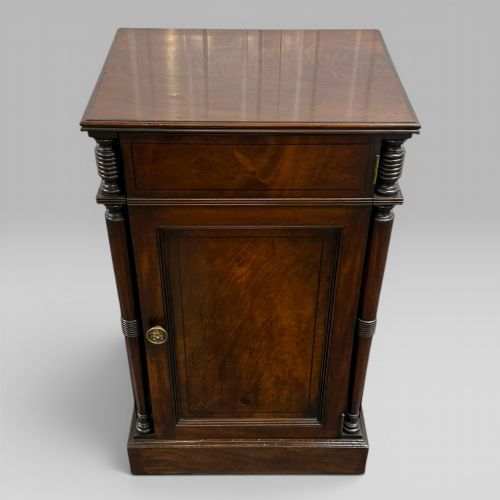
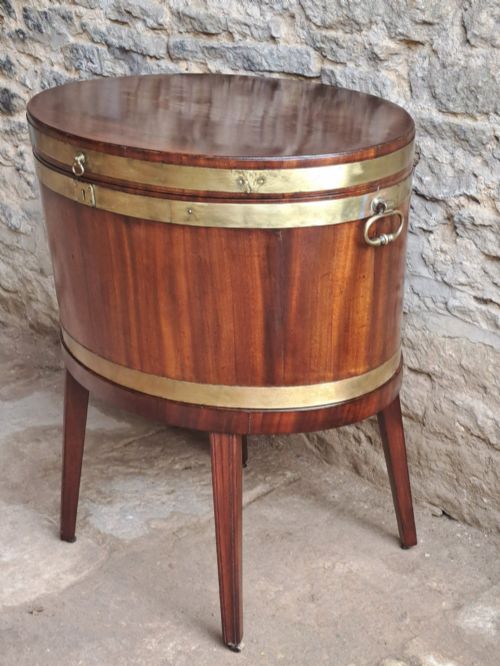
An antique drinks cooler primarily takes the form of a cellarette, wine cooler, or bottle stand designed for formal dining rooms. The pieces met on this page span several eras, with Georgian, Regency, and William IV examples forming the bulk of the selection.
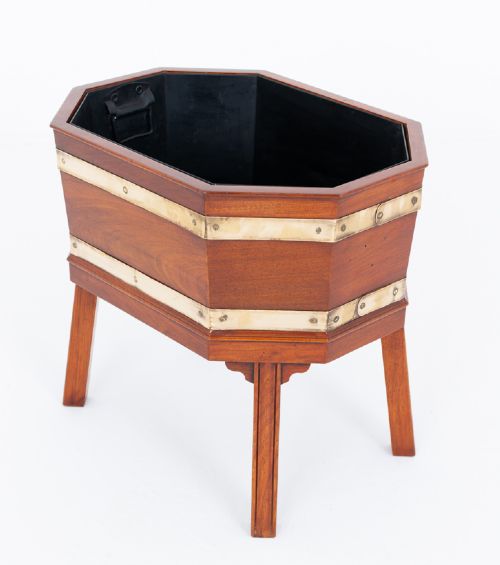
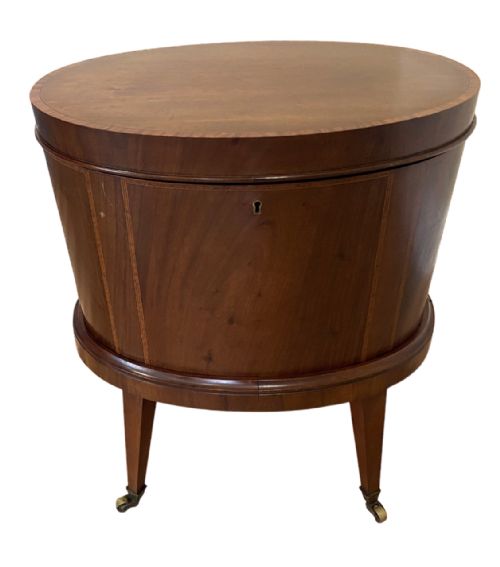
Makers utilised mahogany as the primary timber, occasionally turning to oak, satinwood, and kingwood for decorative effect. Forms range from simple oval tubs with brass banding to elaborate pedestals and metamorphic tables.
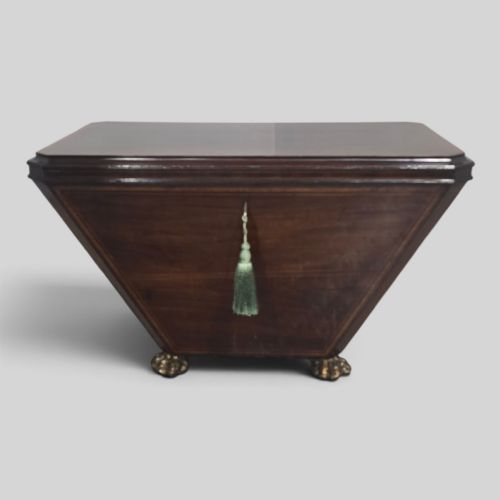
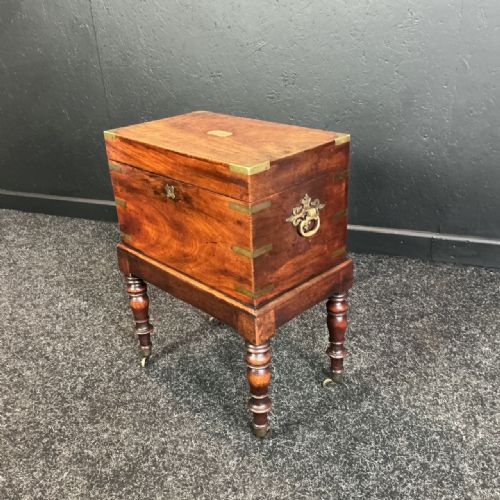
Buyers will encounter freestanding coasters alongside sarcophagus and chest-shaped cellarettes designed to sit beneath sideboards. Edwardian and later revivals also appear, offering classic proportions scaled for different interiors.
Materials and construction methods
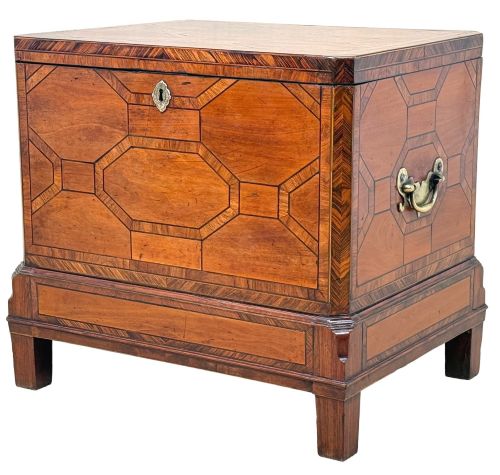
Cabinetmakers built these pieces predominantly using solid and veneered mahogany, frequently accented with satinwood, boxwood inlay, and ormolu mounts. Brass banding provided structural reinforcement and a crisp decorative contrast against dark timber.
Interiors often incorporated lead linings, metal containers, or ceramic liners to hold ice and bottles securely. Joinery techniques reflect high standards of period cabinetmaking, visible in dovetailed boxes and carved pedestal bases.
Listings feature mahogany predominantly, supported by oak and satinwood alongside brass and ormolu hardware.
Assessing quality and craftsmanship
The distinction between standard examples and exceptional pieces rests upon the precision of the timber selection and the restraint of the carving. Superior items display finely figured mahogany grain, crisp brass mounts, and well-executed inlay work.
Attribution to notable workshops or makers elevates a piece, particularly when structural integrity and original interior linings remain intact. Proportion and finish differentiate simple utilitarian containers from sophisticated dining furniture.
Edwards and Roberts·Gillows·Maples and Co
The Antique Drinks Cooler Glossary
- Cellarette
- A lockable container or box used for holding bottles of wine and spirits near the dining table. They frequently sit on low legs or directly on the floor.
- Sarcophagus
- A monumental chest form with a domed lid, popular during the Regency and Georgian periods for large wine coolers. This shape draws inspiration from classical antiquity.
- Inlay
- A decorative technique where contrasting woods like satinwood or boxwood are fitted into recessed spaces on the primary timber surface. It creates crisp geometric or floral patterns.
- Ornaments
- Cast metal decorative elements, sometimes gilded, applied to furniture surfaces for accent. Ormolu appears on select Regency period pieces.
Antique Drinks Cooler: Frequently Asked Questions
How were antique drinks coolers originally used?
These vessels stood beneath sideboards or beside dining tables, filled with ice and water to chill wine before serving. Servants retrieved bottles directly from the container during meals.
Interior lead linings or metal inserts protected the timber from melting ice and moisture while keeping the beverages cold for guests.
What is the difference between a cellarette and a wine cooler?
The terms often overlap in period furniture, but a cellarette specifically denotes a lockable box or chest for storing spirits securely. Wine coolers frequently describe open tubs or pedestal vessels.
Both served the same primary dining room function of chilling bottles, though cellarettes sometimes included internal divisions for specific bottle sizes.
Can I use an antique drinks cooler today?
Many buyers repurpose these pieces as decorative planters, log bins, or side tables in living spaces. Using them for actual ice requires checking the integrity of the interior lining to prevent water damage to the antique wood.
Placing a modern waterproof liner inside preserves the historic timber while allowing functional use for entertaining.
How do I identify a Georgian drinks cooler?
Georgian examples typically feature rich mahogany timbers, precise brass banding, and classical proportions dating from the eighteenth century. Details like tapering legs, spade feet, and subtle string inlay point to this era.
Later Victorian and Edwardian pieces often revive these Georgian forms but display heavier construction methods and different secondary woods.