

Antique Drinking Bowl
When seeking an antique drinking bowl, you find pieces spanning Georgian glass to solid silver quaichs.
Antique Drinking Bowl
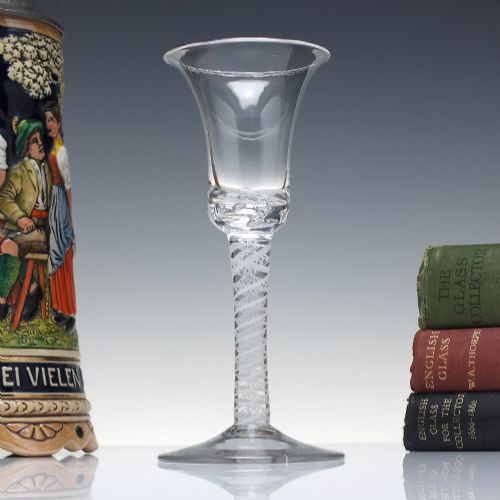
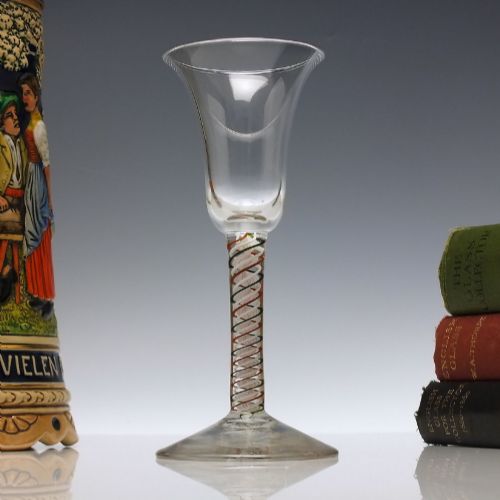
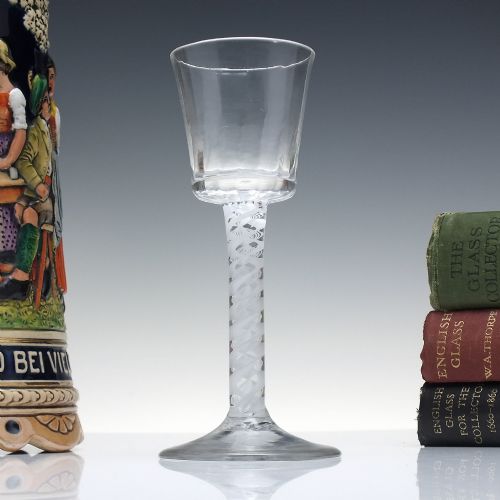
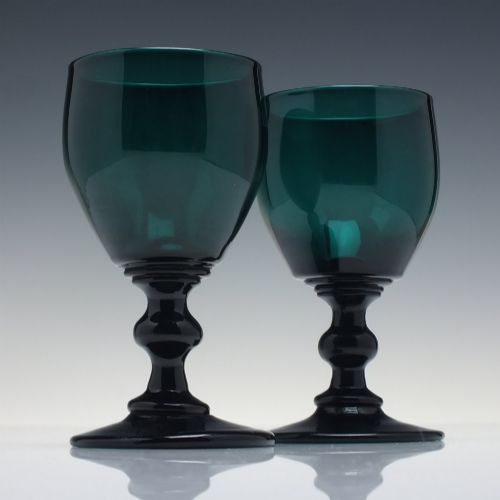
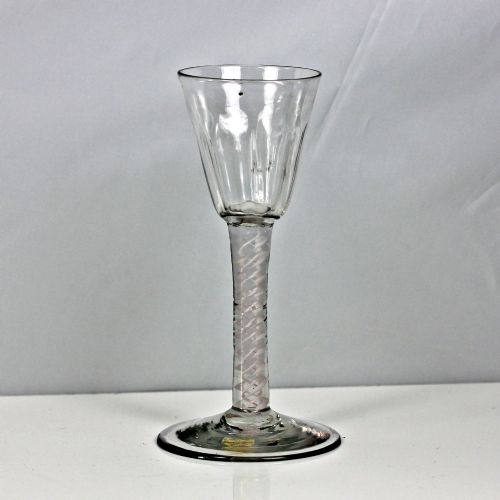
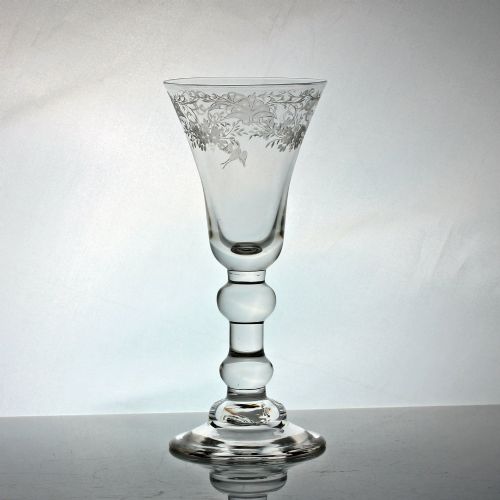
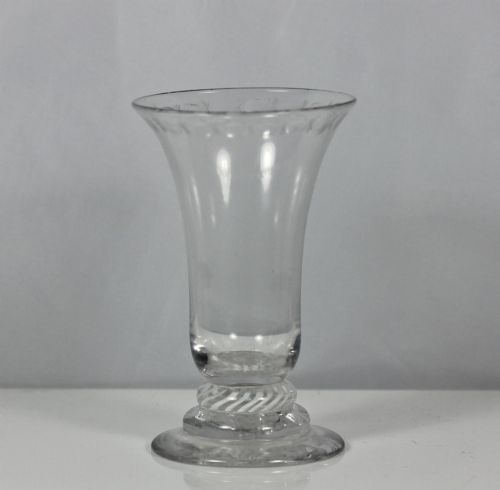
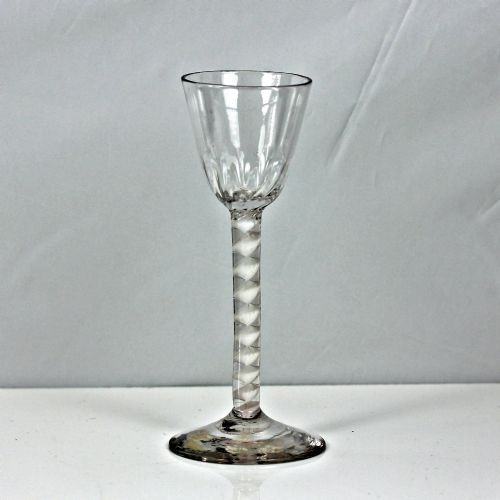
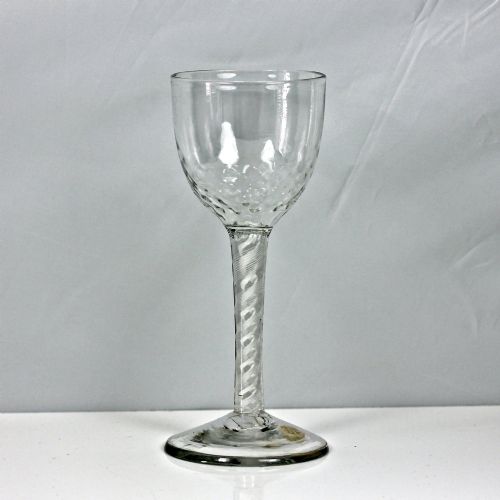
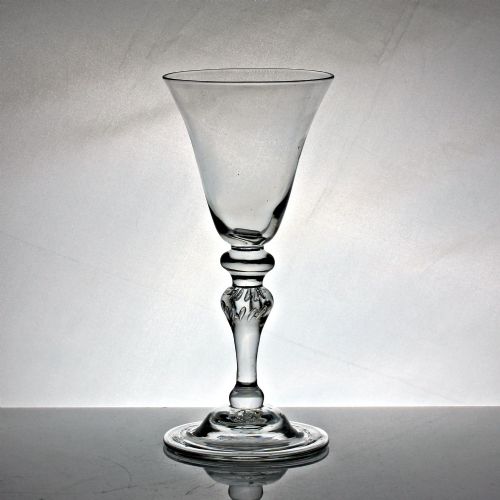
An antique drinking bowl encompasses a diverse group of historical vessels designed for wine, spirits, and ceremonial toasts. You will encounter everything from eighteenth-century lead glass goblets and jelly glasses to sterling silver quaichs and Japanese lacquer sake cups.
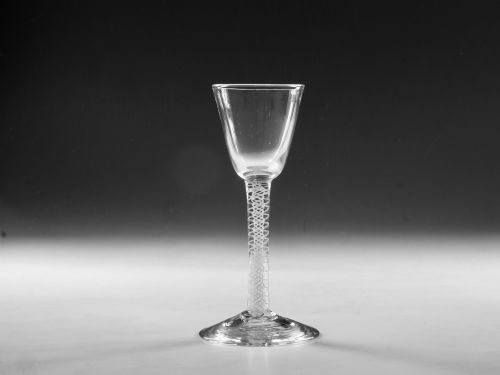
The selection leans heavily toward Georgian lead glass stemware featuring intricate twists in the stems alongside Edwardian and mid-century silver drinking vessels. These forms reflect social customs of hospitality and communal drinking across multiple centuries and origins.
How they were made
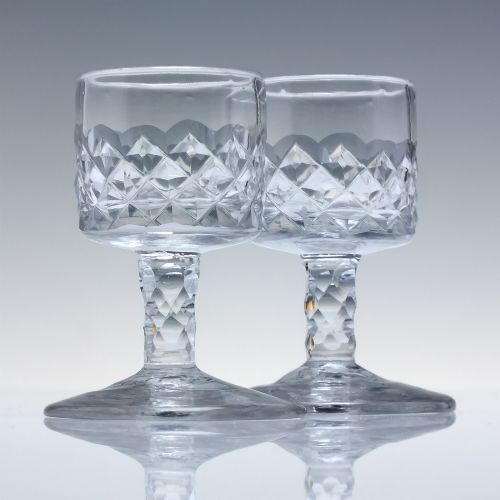
Glass vessels rely on lead glass and flint glass formulations manipulated by blowpipes and mould-blowing techniques to create complex bowl shapes and internal air or opaque twists. Engraving and faceting complete the surface decoration on many examples.
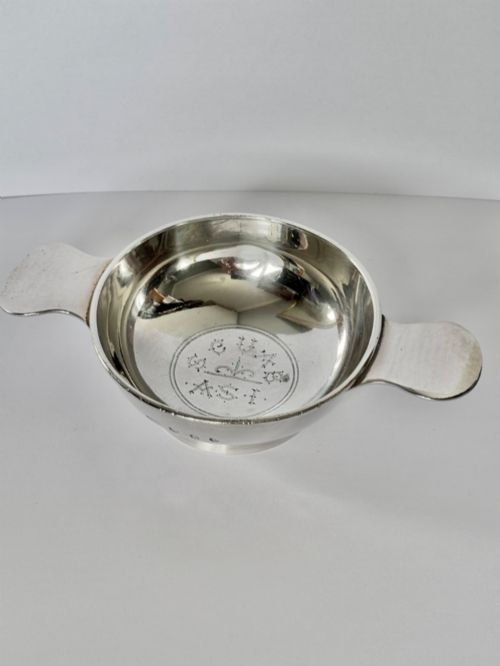
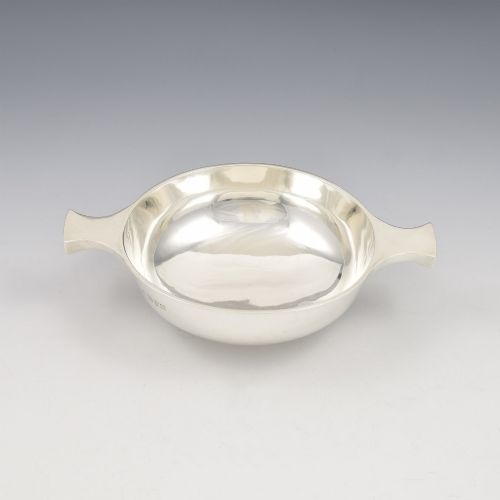
Silver and metal items utilise solid sterling silver, silver gilt, and enamel, often shaped through planishing hammers in Arts and Crafts workshops or cast into traditional Celtic quaich forms with twin handles.
Antique Drinking Bowl Retail Price Guide 2026
Typical asking prices for drinking bowl among the pieces listed under this phrase on Sellingantiques today, from the lower quarter to the upper quarter. They describe what is for sale here now, not the wider market.
What varies in quality
Quality rests upon the clarity of the metal glass, the complexity of internal stem twists, and the crispness of wheel-engraved motifs such as hop and barley. Heavy feet and well-proportioned bowls distinguish finer Georgian stemware.
In silver and enamel pieces, the weight of the metal, the precision of planished marks, and the preservation of vibrant enamel work define the upper echelon of the range.
Nathan And Hayes·R E Stone
The Antique Drinking Bowl Glossary
- Quaich
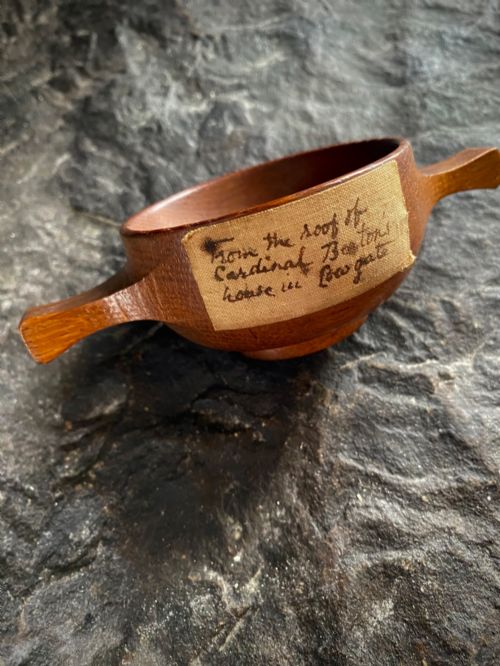
- A traditional two-handled drinking vessel originating in Scotland, typically used for whisky and produced in silver or wood.
- Opaque twist
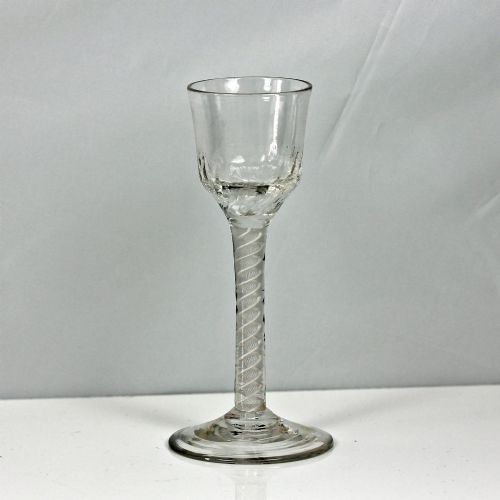
- A decorative technique within glass stems where white or coloured enamel threads are drawn into spirals inside clear lead glass.
- Air twist
- An optical effect inside a glass stem created by elongating trapped air bubbles into delicate spiral threads.
- Baluster
- A heavy, thick stem form on drinking glasses derived from architectural pillars popular in the Georgian era.
- Planished
- A metalworking finish showing regular, shallow hammer impressions left deliberately on the surface of silver objects.
Antique Drinking Bowl: Frequently Asked Questions
What is a quaich used for?
A quaich is a traditional Scottish drinking vessel used primarily for sharing whisky among guests at gatherings and ceremonies. The two opposed handles allow it to be passed securely between friends.
Today, these silver and metal cups serve both as functional barware and as decorative historic objects reflecting centuries of hospitality traditions.
How do you date Georgian wine glasses?
Dating relies on examining the stem construction, bowl shape, and foot characteristics such as folded rims or domed profiles. Opaque and air twists, baluster forms, and specific bowl profiles help narrow the decade of production.
Weight and glass composition also provide clues, as eighteenth-century lead glass exhibits a characteristic ring and clarity absent in later reproductions.
How do you clean antique silver cups?
Cleaning requires mild warm water, a soft cloth, and non-abrasive silver care products designed to preserve historical surfaces. Harsh scrubbing or chemical dips can damage engraved details and enamel work.
Storing pieces away from direct sunlight and moisture protects both the silver finish and any delicate gilt or enamel inlays.
What makes an air twist glass desirable?
The appeal lies in the optical clarity of the lead glass and the precision of the internal spiral threads formed by trapped air. Exceptional specimens combine heavy metal weight with flawless twist geometry.
Collectors prize these eighteenth-century pieces for the high level of glassmaker skill required to produce symmetrical internal patterns without surface distortion.