




Antique Drink Cabinet Box
An antique drink cabinet box holds spirits and wine for the table, offering a sturdy home for decanters and bottles.
Antique Drink Cabinet Box
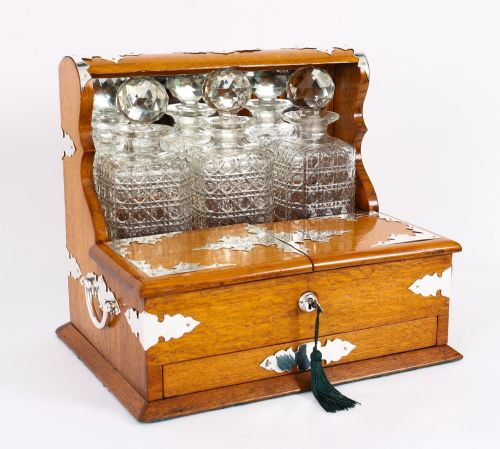
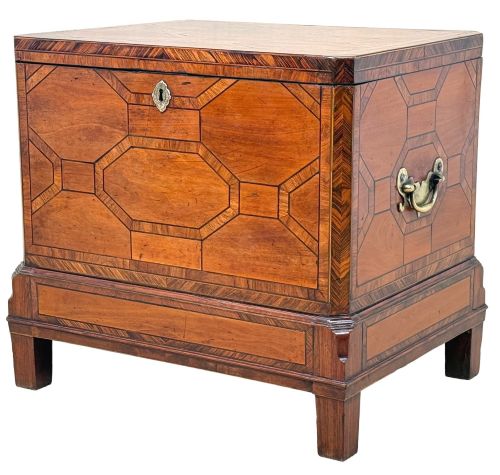
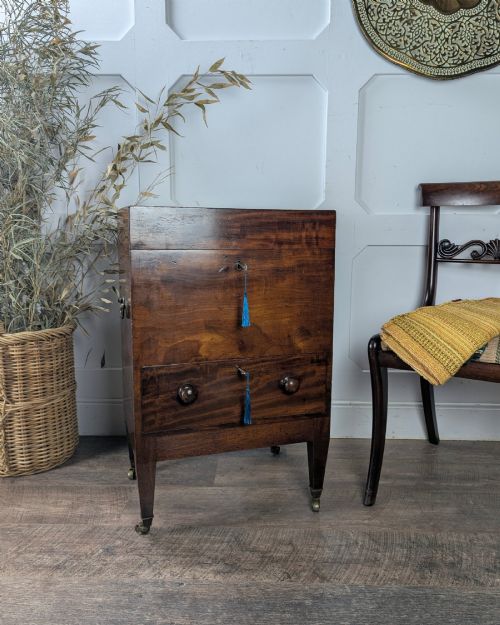
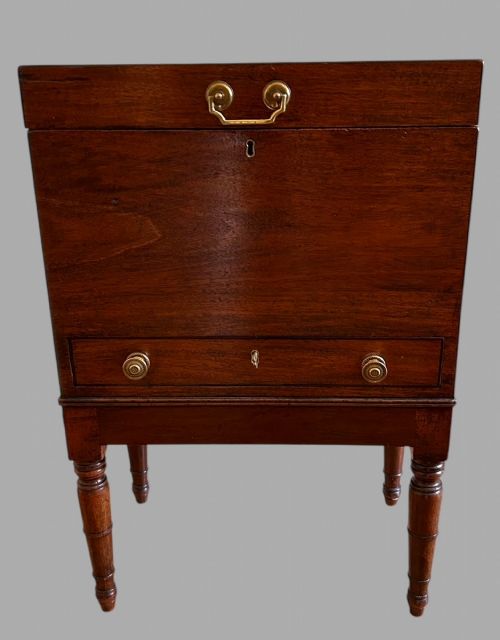
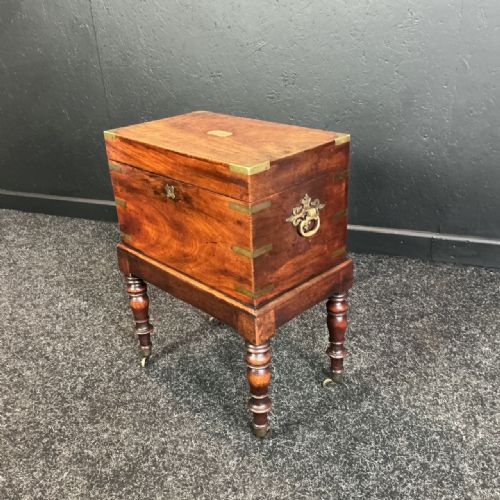
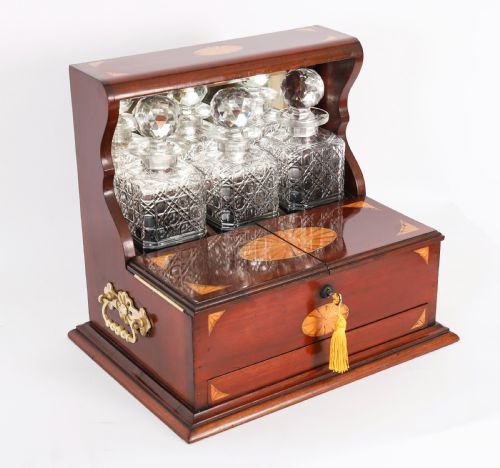
When you search for an antique drink cabinet box, you encounter pieces designed to hold wine and spirits securely. The selection on this page centres on cellarettes, wine coolers, tantalus cabinets, and games compendiums from Georgian, Regency, Victorian, and Edwardian periods.
You are most likely to meet mahogany cellarettes and oak tantalus boxes fitted with cut glass decanters. These forms range from octagonal wine storage chests to sarcophagus-shaped coolers and multi-bottle dry bars.
Makers utilised various timbers and mounts to suit formal dining rooms and private libraries. Surviving examples span from the eighteenth century through to the early twentieth century, reflecting shifting tastes in hospitality.
How they were made
Cabinet makers constructed these pieces primarily from solid and veneered timbers such as mahogany, oak, satinwood, and kingwood. They incorporated brass binding, ormolu mounts, and intricate marquetry stringing to accent the exterior forms.
Interiors were fitted with wooden dividers, lead linings for cooling wine, or secure locking mechanisms for glass decanters and crystal bottles. Joinery methods included precise dovetailing and frame construction designed to support heavy bottles of liquor.
Listings feature extensive use of mahogany and oak, alongside satinwood and coromandel timbers across eighteenth and nineteenth-century forms.
What varies in quality
Quality rests in the selection of timber grain, the weight of the brass hardware, and the integration of secondary functions like games boards. Finer examples display figured mahogany or satinwood veneers alongside substantial brass mounts and locks.
The sophistication of internal compartments and the presence of matching cut crystal or cut glass decanters elevate a piece. Construction details such as tidy interior joinery and well-preserved linings mark the upper tier of these items.
Gillows of Lancaster and London·Whytock & Reid·Withers Safe
The Antique Drink Cabinet Box Glossary
- Cellarette
- A freestanding or floor-standing box used for storing bottles of wine near the dining table. They frequently feature lead linings or internal wooden grids.
- Tantalus
- A locking drink cabinet that holds decanters securely within a wooden frame, preventing the removal of bottles without a key. They gained popularity during the Victorian period.
- Sarcophagus
- A box form with a domed or peaked lid reminiscent of classical stone tombs, often utilised for Regency and Georgian wine coolers.
- Compendium
- A multi-functional box combining a drink service with games equipment such as cards or chess sets. These appear frequently in later nineteenth and early twentieth-century editions.
Antique Drink Cabinet Box: Frequently Asked Questions
What is a tantalus?
A tantalus is a locking beverage holder that secures glass decanters within a wooden frame and metal bar. This mechanism kept expensive spirits safe from household staff while displaying the bottles.
Most examples use a key to release the top bar, allowing access to the crystal decanters. They became a staple of Victorian and Edwardian smoking rooms and libraries.
How were cellarettes used?
Cellarettes sat beneath the sideboard or beside the dining table to keep wine close at hand during meals. Many contained lead-lined interiors to hold melting ice and cool bottles.
As dining customs changed, these storage chests evolved into dry bars and games compendiums. They housed both the liquor supply and the accessories needed for evening entertainment.
How do I date a wine cooler?
Dating relies on timber choice, architectural style, and construction hardware. Georgian and Regency pieces favour solid mahogany with brass paw feet or ring handles.
Later Victorian and Edwardian versions often employ quarter-sawn oak, pollard oak, or satinwood alongside mechanical locking bars. Examining the interior fittings and key locks provides further clues to the era of manufacture.
Where do I place one at home?
These boxes function well as standalone side tables in a living room, study, or dining space. Their fitted interiors make them practical for serving drinks to guests.
Larger tantalus cabinets and games compendiums sit comfortably on low tables or sideboards. They provide enclosed storage for modern glassware and bottles while retaining a traditional aesthetic.