
Antique Dressing Table Drawers
These antique dressing table drawers bring genuine period character to a room, offering practical surface space and fitted storage through timeless craftsmanship.
Antique Dressing Table Drawers
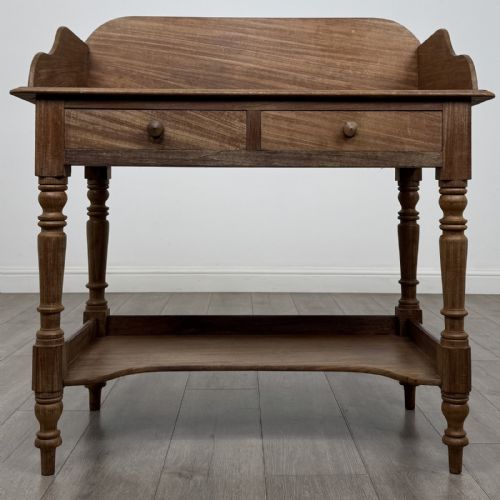
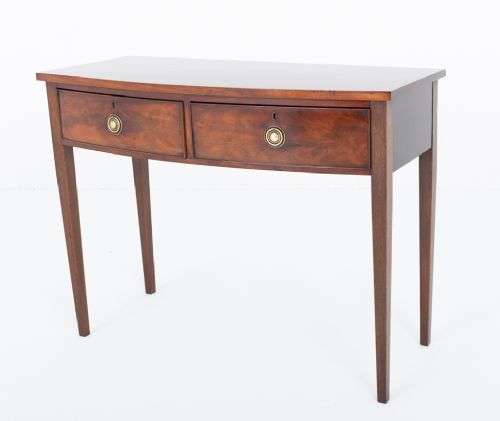
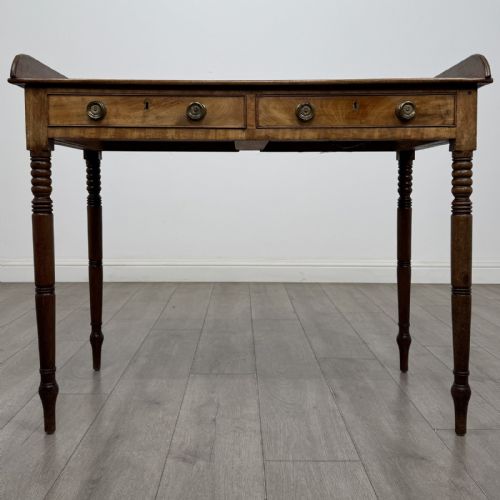
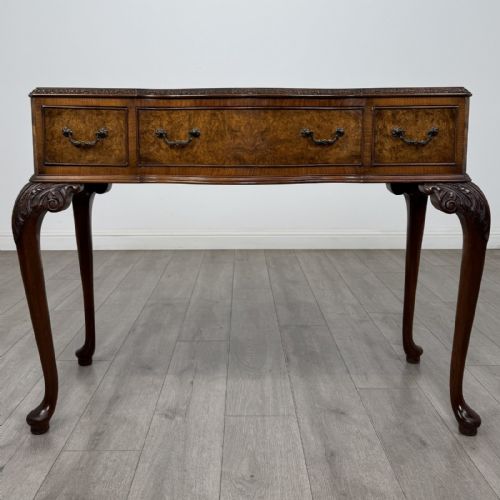
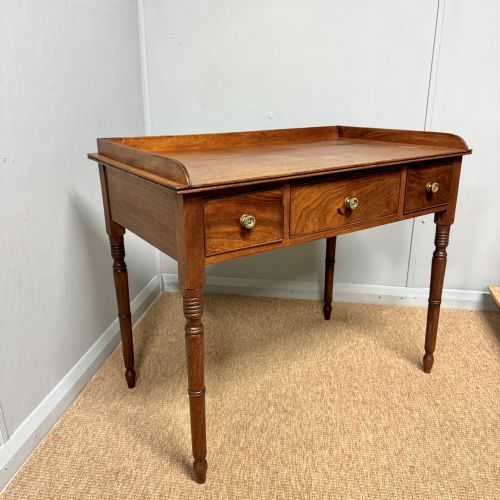
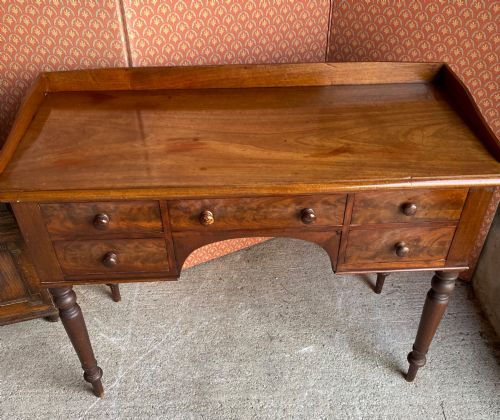
When you search for antique dressing table drawers, you encounter a varied selection of domestic furniture spanning the eighteenth, nineteenth, and early twentieth centuries. These pieces encompass everything from compact lowboys and swing mirrors to full dressing chests, writing tables, and vanity units equipped with integrated storage compartments.
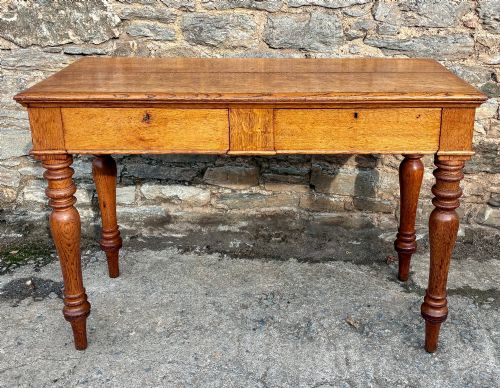
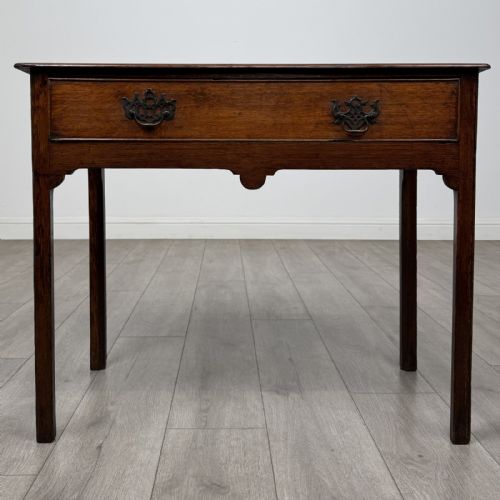
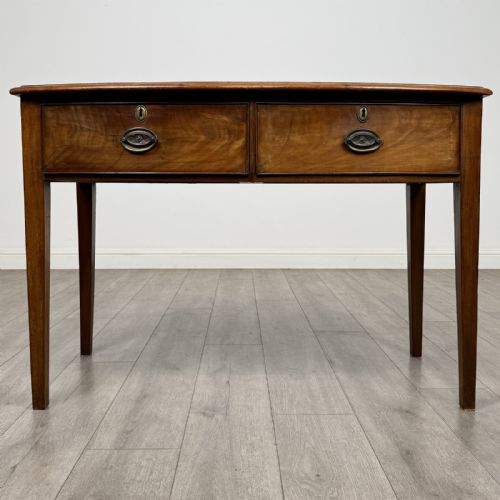
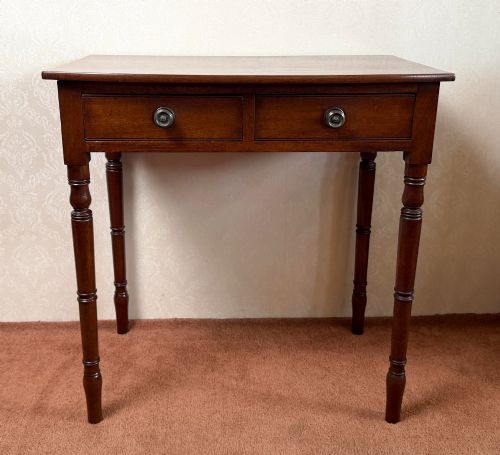
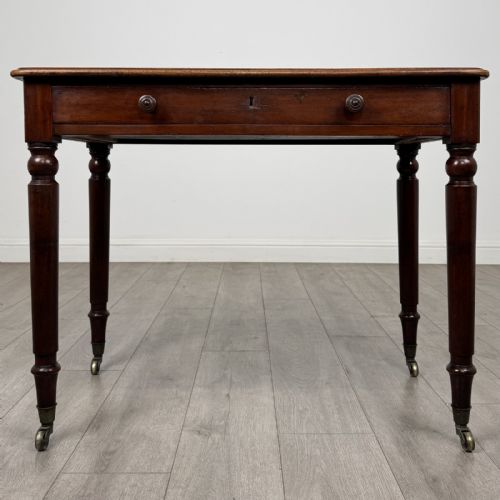
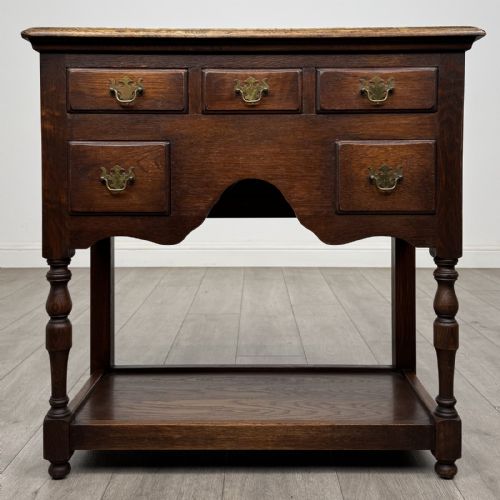
You are most likely to meet mahogany writing tables with fitted drawers, oak lowboys, and Victorian dressing chests constructed from pine or walnut. These items originate from periods such as the Georgian, Regency, and Edwardian eras, reflecting the domestic habits and interior tastes of their respective decades.
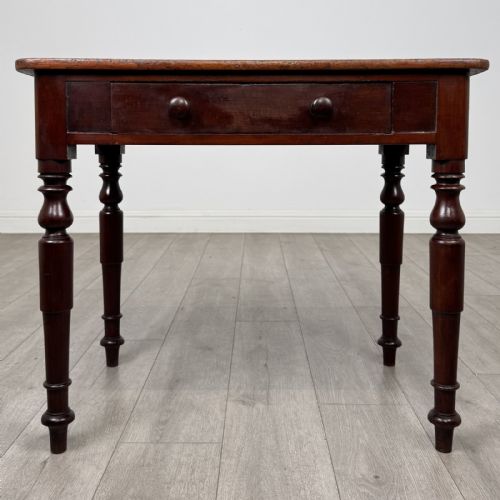
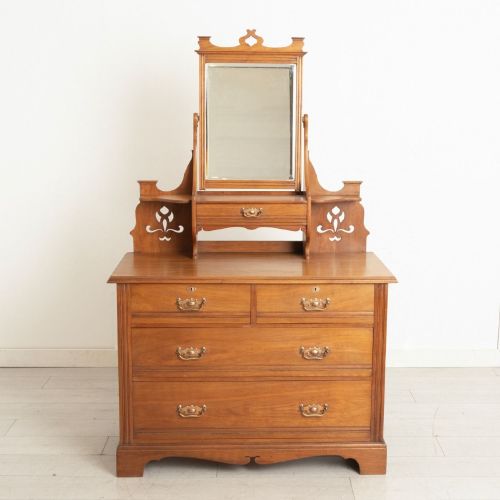
The forms range from simple single-drawer side tables to elaborate multilight dressing mirrors and multisuite bedroom pieces. Each variant serves the fundamental purpose of personal grooming and correspondence, combining surface utility with concealed or open drawer space.
Materials and construction methods
Cabinet makers relied heavily on solid hardwoods and select veneers, primarily utilising mahogany, oak, walnut, and pine. Flame mahogany veneer and figured walnut provided striking decorative surfaces on drawer fronts, while robust woods like oak and pitch pine formed the structural frames.
Joinery techniques matched the period of production, incorporating traditional dovetailing for drawer construction and turned wooden knobs or cast brass handles. Secondary timbers such as elm and fruit wood frequently appeared in regional pieces, paired with glass for swing mirrors and occasionally faux bamboo painted finishes.
Distinctions in quality
The standard of a piece depends on the selection of timber and the precision of the cabinet work. Finely figured veneers, balanced proportions, and well-executed dovetail joints distinguish superior examples from standard utilitarian items.
Makers who invested time in matching wood grain across drawer tiers and retaining original brass hardware produced pieces that endure with greater integrity. The integration of secondary woods and the neatness of internal drawer linings further mark the divide between standard workshop output and exceptional craftsmanship.
Heal and Son·Maple and Co
The Antique Dressing Table Drawers Glossary
- Lowboy
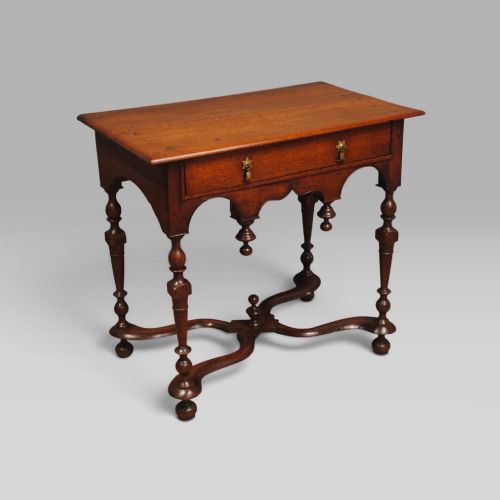
- A small oak or walnut table with one or more tiers of drawers, commonly used as a dressing or side table during the eighteenth century.
- Toilet Mirror
- A small adjustable mirror mounted on a miniature drawer base, designed to sit atop a chest or dressing table.
- Flame Mahogany Veneer
- A thin layer of timber sliced from the fork of a mahogany tree to produce a dramatic, flickering grain pattern.
- Kneehole
- A recessed central space beneath a desk or dressing table drawer unit, allowing a person to sit comfortably.
- Dovetail
- A traditional interlocking joint used at the corners of drawers to ensure structural strength.
Antique Dressing Table Drawers: Frequently Asked Questions
How do I date an oak dressing table?
Dating an oak dressing table involves examining the construction methods, handle styles, and overall proportions of the piece. Eighteenth-century examples often feature hand-cut dovetails and pegged joints, while Victorian and Edwardian pieces show machine-sawn elements and different secondary woods.
Hardware provides another strong indicator, as original brasses, swing mirror mountings, and drawer linings shift in style across the Georgian, Regency, and Edwardian eras. Comparing the wood grain and finish helps confirm the period of manufacture.
Where were dressing tables placed?
Dressing tables traditionally stood in bedrooms or dressing rooms, positioned near windows to maximise natural light for grooming. Lighter swing mirrors and toilet mirrors were frequently placed on top of chests of drawers or dedicated side tables.
In larger Edwardian homes, they formed part of matching bedroom suites that included wardrobes and washstands. Today, they adapt easily as bedroom vanities or functional writing desks in studies.
What is a swing mirror?
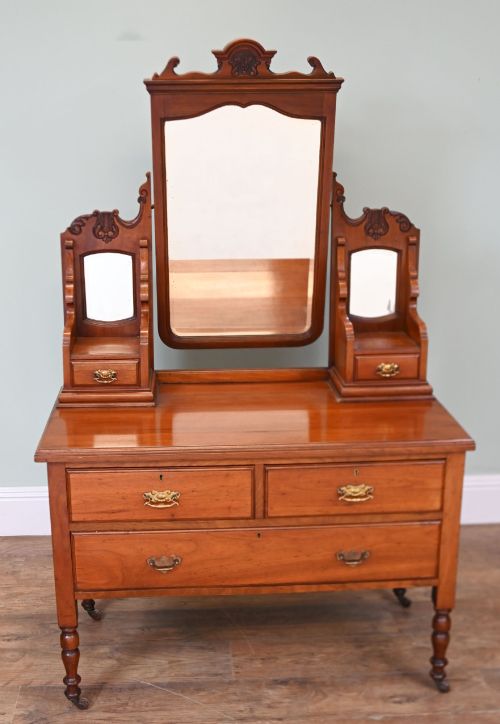
A swing mirror is a pivoting glass plate held within a wooden frame between two upright posts, mounted upon a small base containing drawers. This design allowed users to tilt the glass angle during hair styling and makeup application.
These mirrors were produced in mahogany, walnut, and pine throughout the Georgian and Victorian periods. The base drawers provided secure storage for small personal items and jewellery.