
Antique Dresser Unit
These antique dresser unit pieces offer practical storage and display, bringing character and time-tested craftsmanship to domestic spaces.
Antique Dresser Unit
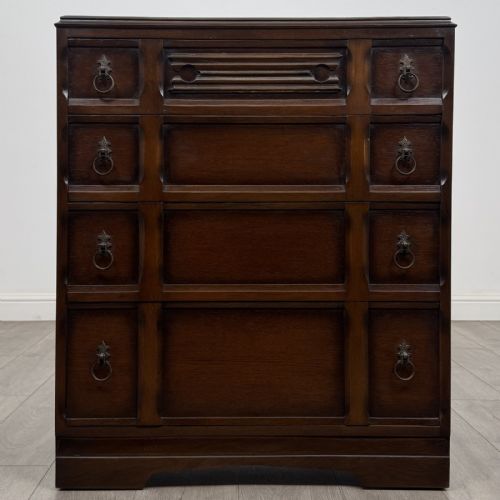
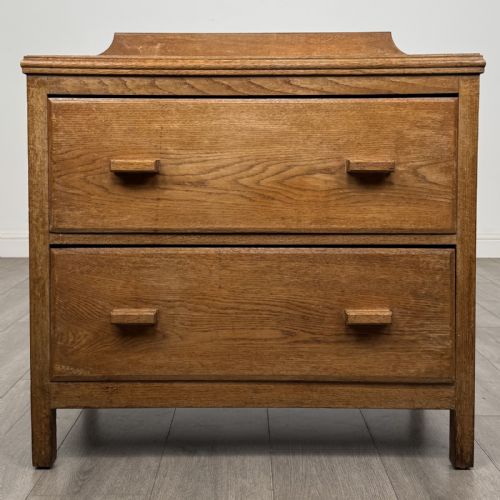
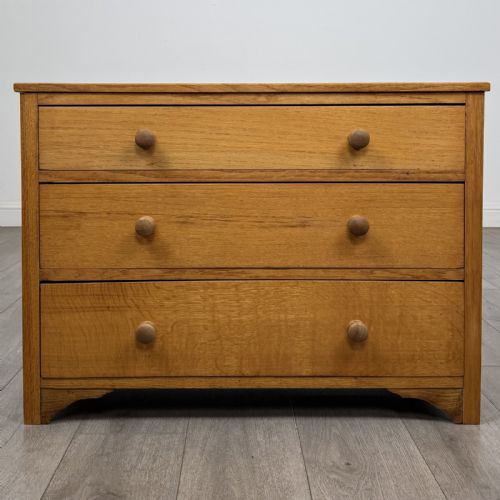
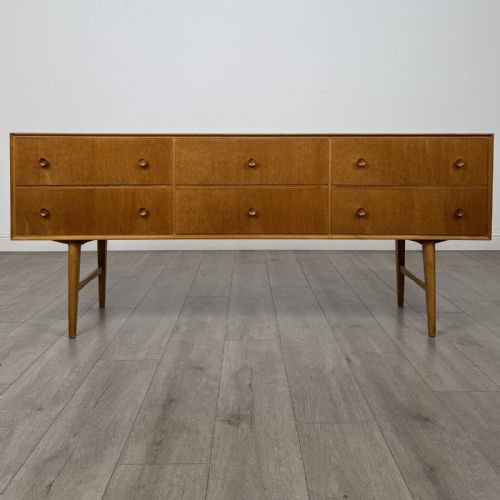
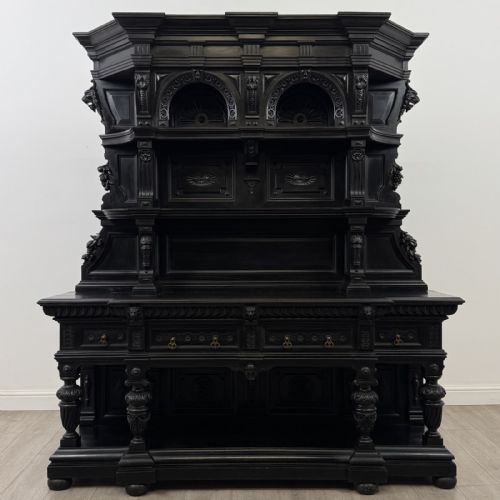
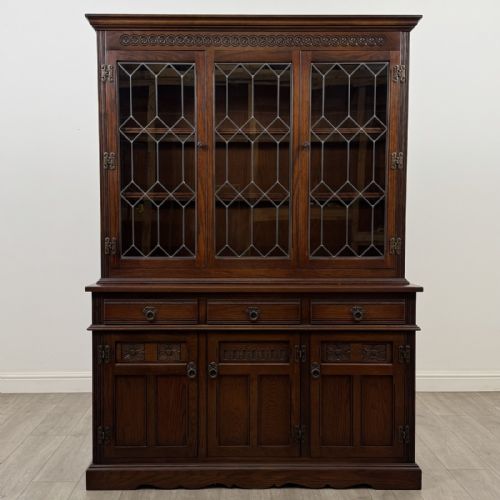
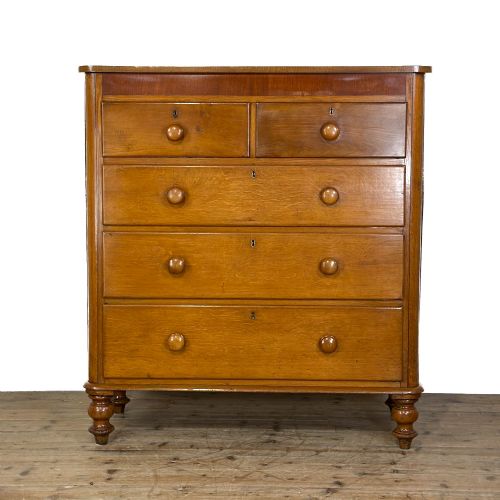
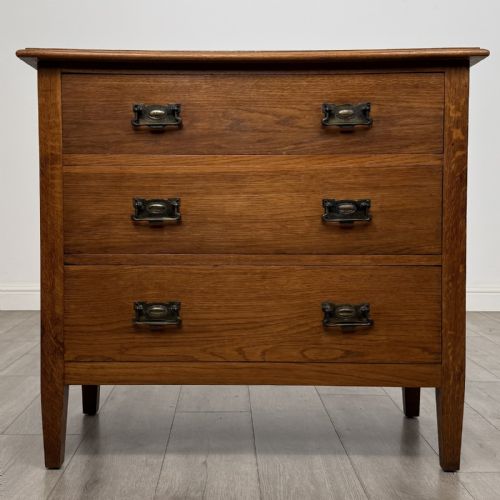
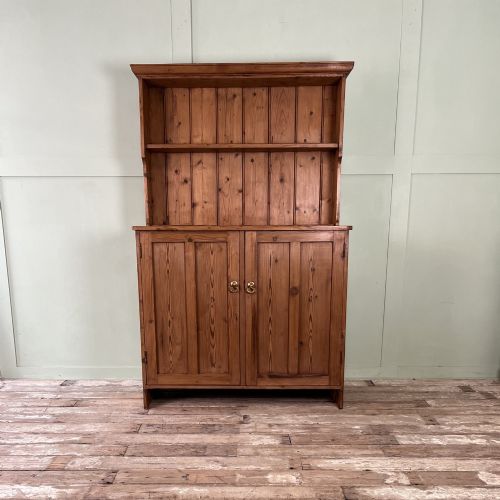
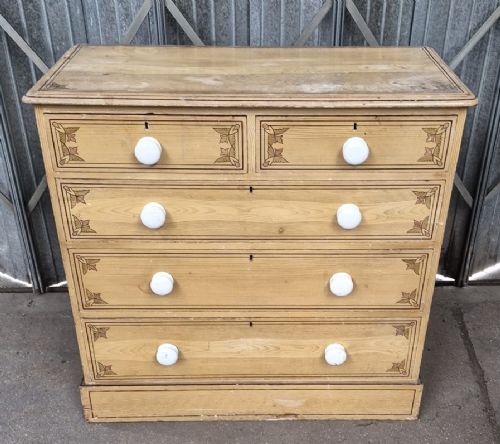
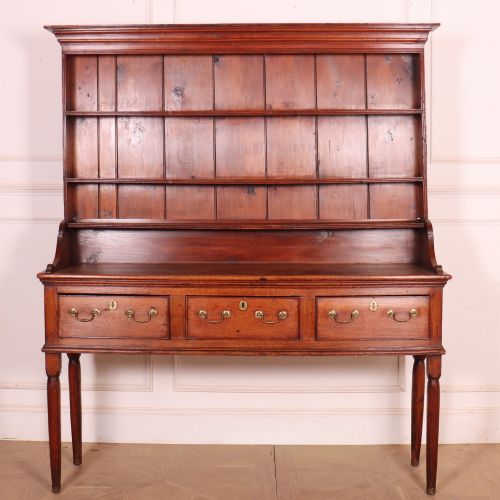
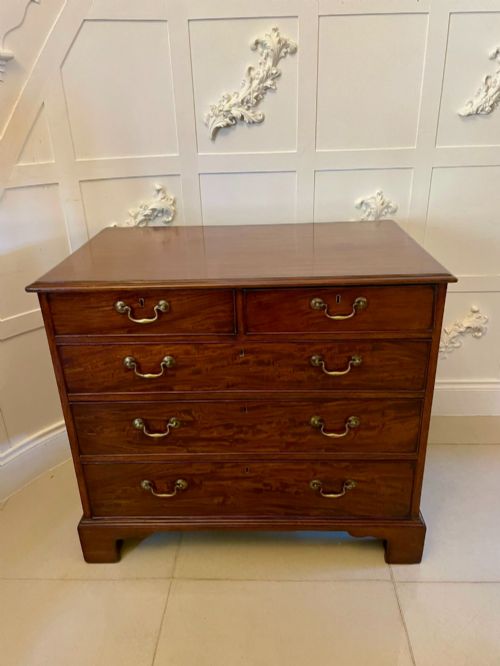
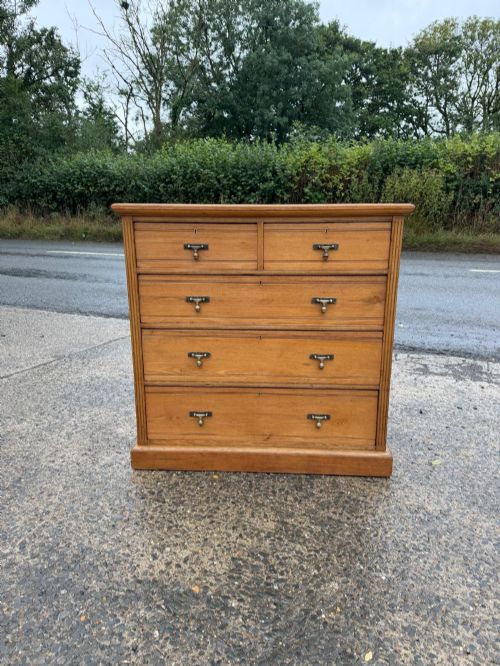
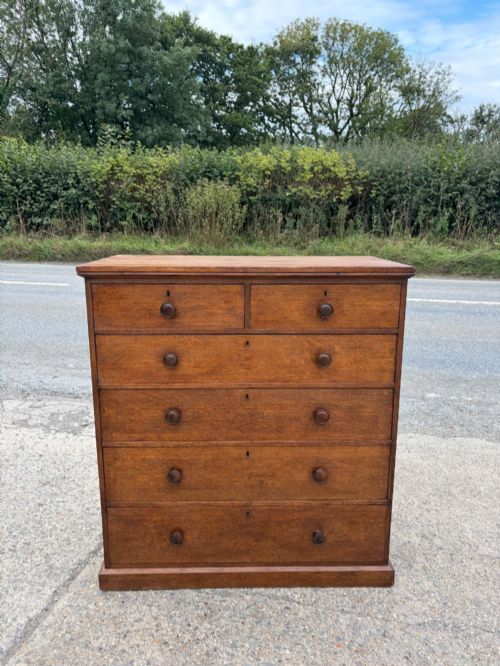
An antique dresser unit encompasses a wide variety of storage and display forms, ranging from kitchen dressers and sideboards to chests of drawers, display cabinets, and corner cupboards. When exploring this selection, buyers frequently encounter oak and pine pieces from the Victorian and Edwardian eras, alongside earlier Georgian and 19th-century examples.
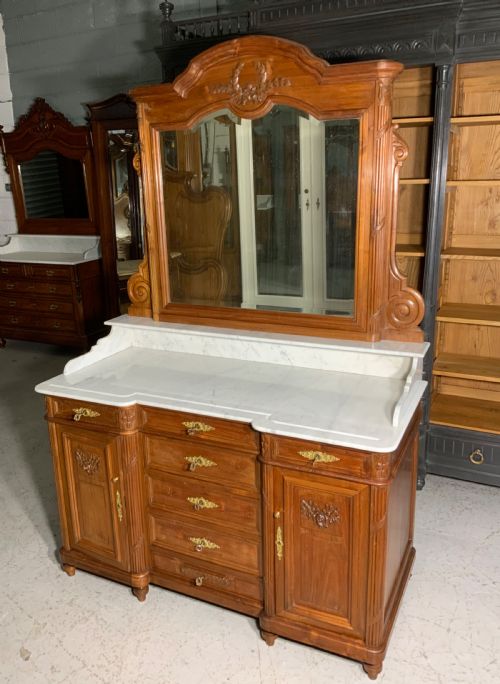
The term bridges multiple domestic functions, uniting kitchen plate racks and wall shelves with grand mahogany chests of drawers and glazed storage cabinets. These items reflect the domestic needs of past centuries, combining utilitarian storage compartments with decorative display areas for china, linens, and provisions.
Materials and construction
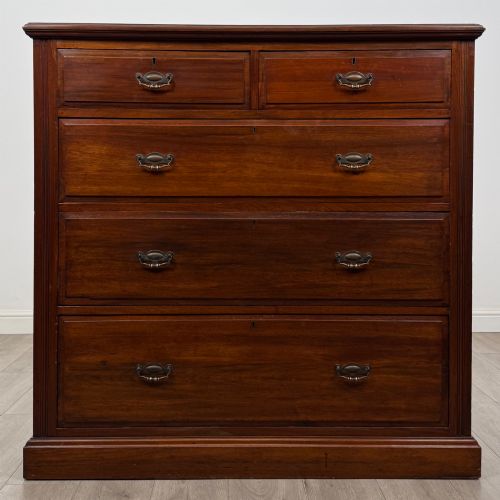
Cabinetmakers relied heavily on solid hardwoods like oak, mahogany, and walnut, alongside durable softwoods such as pine. Flame mahogany veneer added decorative surface movement to formal pieces, while brass and iron provided functional hardware for pulls and hinges.
Construction techniques varied from robust pegged joints in earlier centuries to refined dovetailing on drawer boxes. Glass was integrated into doors for display cabinets, and specialised finishes such as wax and inlay enhanced the natural grain of the timber.
French faux-bamboo maple washstands prove that Victorian makers enjoyed tricking the eye with painted plant stems.
Assessing quality
Quality rests in the selection of timber and the precision of the joinery, distinguishing utilitarian workshop output from master cabinet work. Finer examples display well-figured grain, such as flame mahogany or burr walnut, matched carefully across drawer fronts and doors.
Proportion and surface patina also govern desirability, with smaller proportions and undisturbed original finishes commanding greater attention. The crispness of carved details, where present, indicates the skill invested by the maker.
Hudson Bros
The Antique Dresser Unit Glossary
- Chest of drawers
- A piece of furniture consisting of multiple parallel drawers stacked above one another, used primarily for clothing and textile storage.
- Corner cupboard
- A specialised storage cabinet constructed with a triangular footprint designed to fit neatly into the corner of a room.
- Flame mahogany veneer
- A thin slice of mahogany timber featuring a distinctive, flame-like grain pattern applied over a secondary wood base.
- Plate rack
- An open wooden shelving structure mounted to a wall or resting on a dresser top, designed to hold plates upright for drying or display.
- Patina
- The surface sheen and mellowing developed on wood and metal over centuries of handling, exposure, and polishing.
Antique Dresser Unit: Frequently Asked Questions
What is an antique dresser unit?
An antique dresser unit is a term encompassing historical storage and display furniture, including kitchen dressers, sideboards, chests of drawers, and cabinets. These pieces served varied domestic purposes in dining rooms, kitchens, and parlours.
They reflect the prevalent woodworking traditions of periods ranging from the 17th century through the Edwardian era, utilising materials like oak, pine, and mahogany.
How were these cabinets used?
These furnishings accommodated household storage needs, from organising tableware and food provisions in kitchens to housing linens and garments in bedrooms.
Glazed display cabinets and wall shelves also provided a showcase for valued ceramics and glassware, combining utility with decorative display.
How do I identify the period?
Period identification relies on observing the combination of wood species, construction methods, and stylistic details present in the item. For instance, heavy oak framing with geometric mouldings points to 17th-century Jacobean influences.
Later Victorian and Edwardian examples often feature softer pine or machine-sawn mahogany with standardised hardware and simpler carcass construction.
How do I care for wood furniture?
Preserving antique wood involves maintaining stable indoor humidity levels and keeping pieces away from direct heat sources to prevent timber splitting. Regular gentle dusting with a dry cloth protects the finish.
Occasional application of appropriate wax feeds the timber and maintains the natural patina without building up heavy residue.