



Antique Dresser Glass
These pieces of antique dresser glass and associated mirrored furniture offer functional charm and historical character for any interior.
Antique Dresser Glass
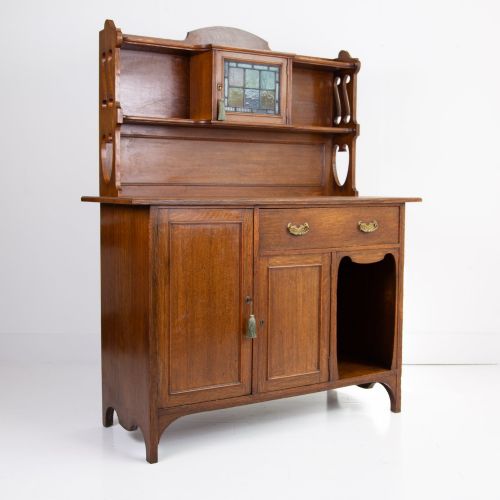
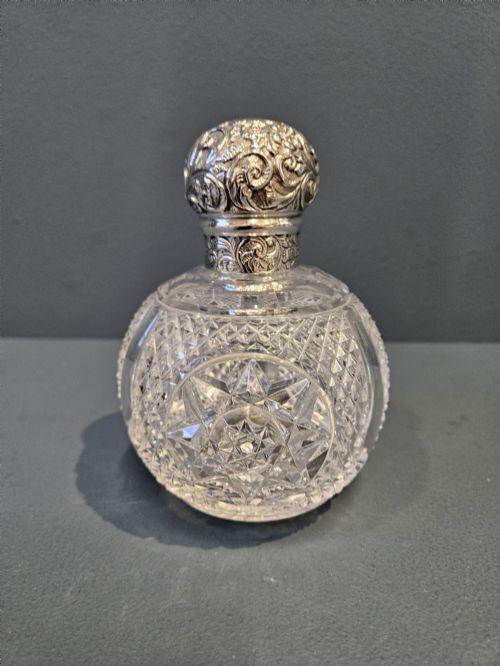
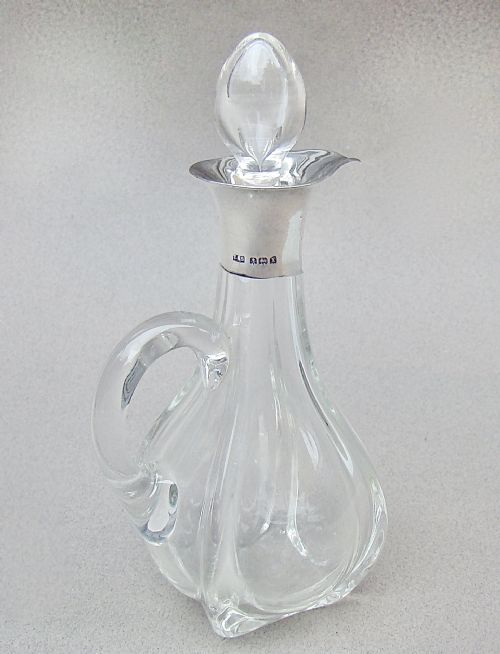
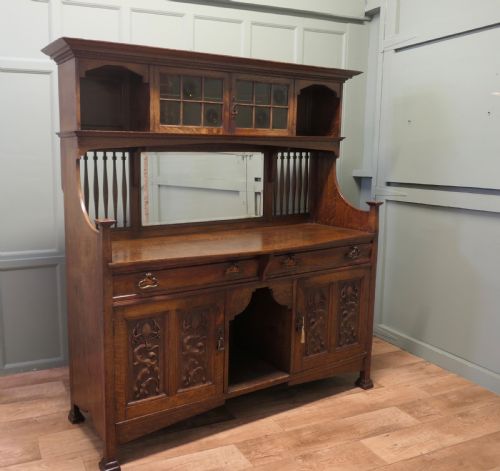
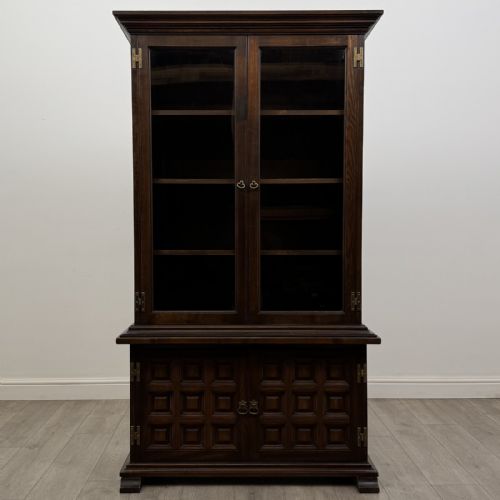
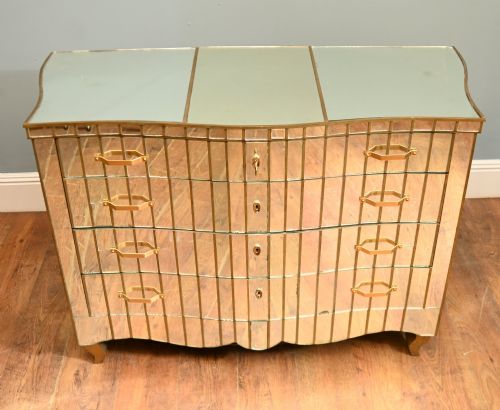
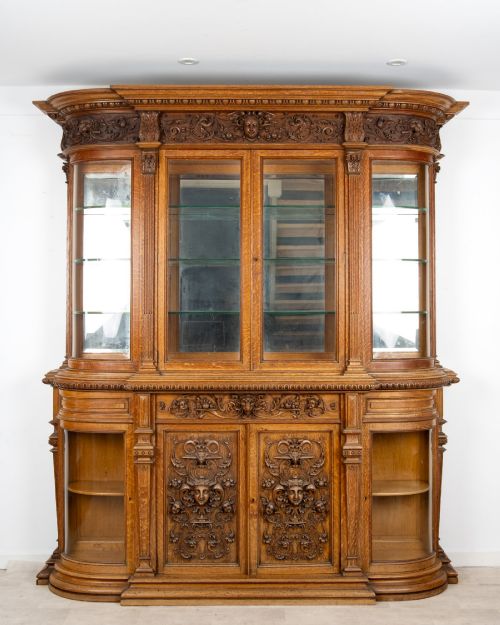
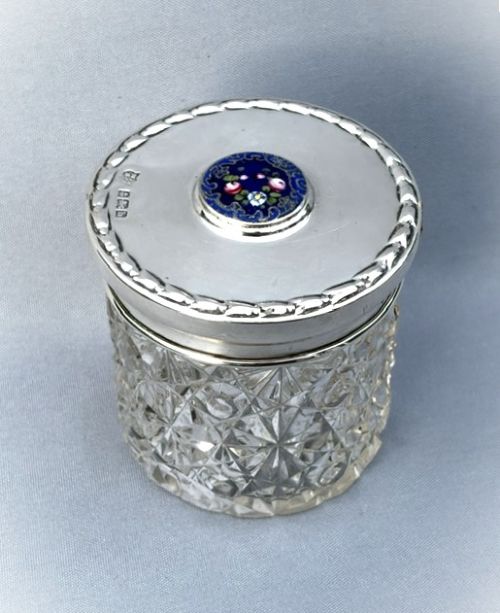
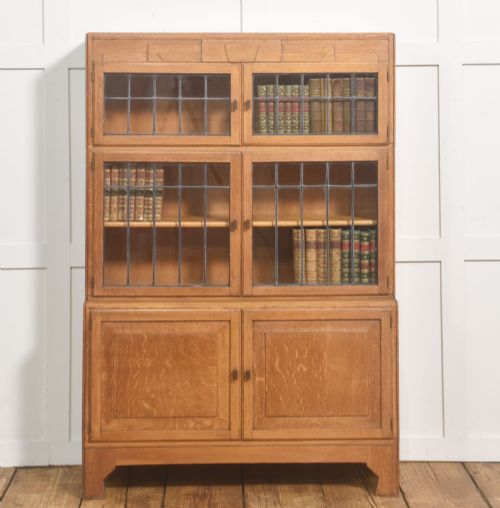
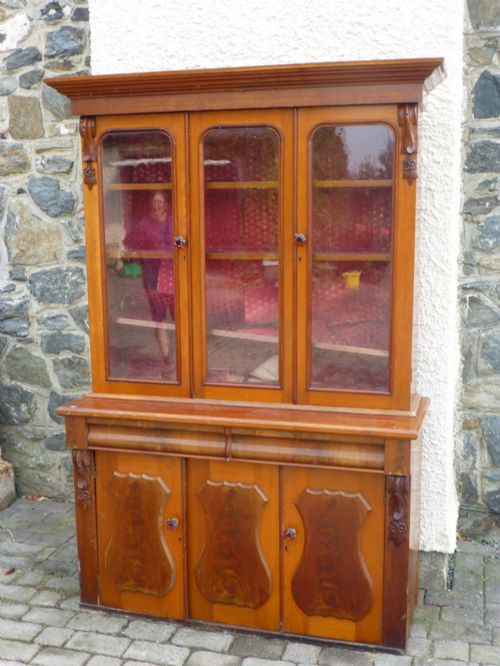
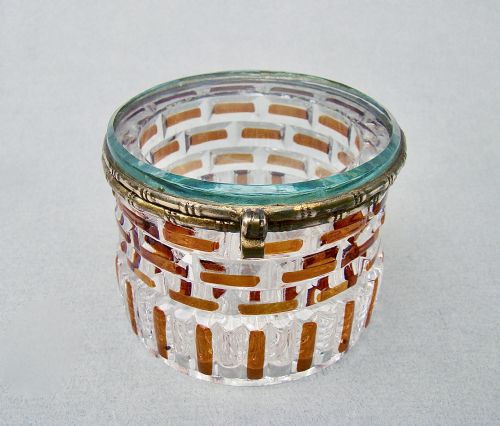
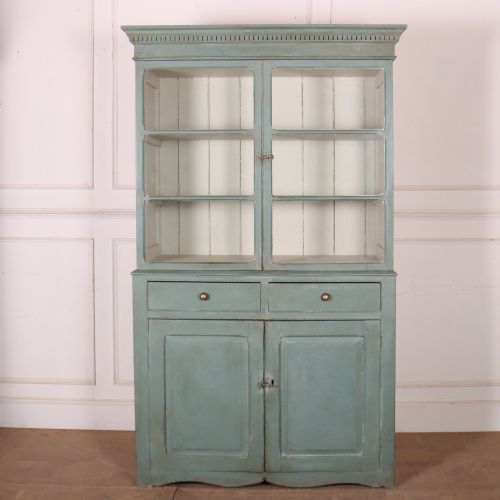
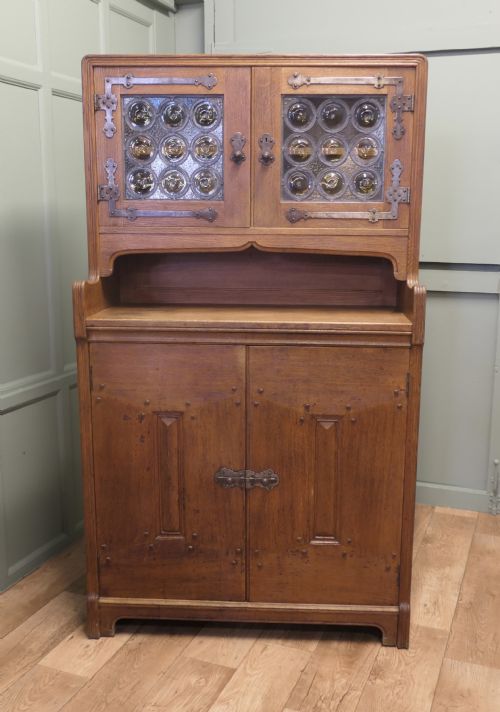
When searching for antique dresser glass, buyers encounter a diverse selection of items ranging from small trinket boxes and powder jars to large glazed display cabinets and mirrored chests of drawers. The most common forms on this page include Victorian and Edwardian oak or mahogany display cabinets with glass doors, alongside French enamel and Bristol blue glass dressing table jars.
Pieces span multiple periods including the Victorian era, the Edwardian period, and the 1930s Art Deco movement. Forms encompass Welsh dressers, sideboards with glazed cupboards, and small scent bottles mounted in silver.
The materials paired with the glass vary widely, featuring solid pine, golden oak, walnut, brass mounts, and iron hardware. Buyers find both utilitarian kitchen dresser cupboards and decorative vanity items intended for the dressing table.
Distinctions in quality
The distinction between standard items and superior examples lies in the refinement of the materials and the execution of the decorative details. Hand-carved oak panels, heavy moulded glass, and maker-stamped hardware indicate higher workshop standards than plain utility pieces.
Condition and originality dictate desirability. Pieces retaining their original leaded glass, silver mounts, or mirrored plates without excessive silvering degradation command greater appreciation than altered or heavily restored equivalents.
Antique Dresser Glass Retail Price Guide 2026
Typical asking prices for dresser glass among the pieces listed under this phrase on Sellingantiques today, from the lower quarter to the upper quarter. They describe what is for sale here now, not the wider market.
Listings feature items spanning the 18th Century through to the 1930s, constructed in oak, pine, mahogany, and walnut with glass and brass elements.
Shapland and Petter·Heal and Son·Liberty·Rene Lalique·Baccarat·Hobbs and Co
The Antique Dresser Glass Glossary
- Glazed
- Fitted with glass panes, commonly seen in the doors of bookcases, display cabinets, and dresser top sections. This allows contents to be viewed while protected from dust.
- Leaded glass
- Individual pieces of glass joined together with strips of lead to form geometric or decorative patterns, frequently found in Art Deco and Arts and Crafts cabinets.
- Ormolu
- Gilt bronze ornamentation applied to furniture and decorative items, often seen on nineteenth-century French glass boxes and vanity jars.
- Opalescent glass
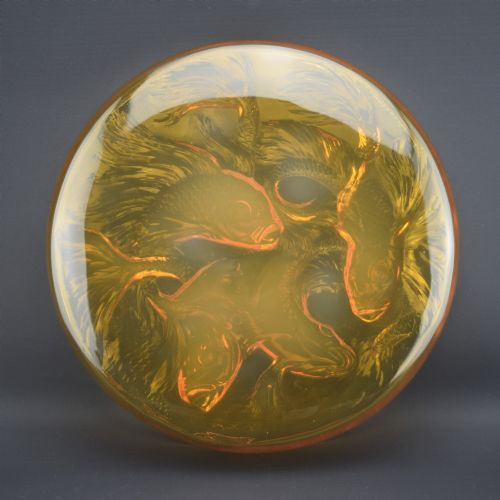
- Glass that has a milky, semi-translucent appearance with shifting colour tones, characteristic of twentieth-century pieces by makers like René Lalique.
Antique Dresser Glass: Frequently Asked Questions
What is antique dresser glass?
Antique dresser glass encompasses glazed display furniture, mirrored chests of drawers, and small glass vanity containers used on dressing tables.
These items date predominantly from the nineteenth and early twentieth centuries, reflecting changing domestic habits and interior tastes.
How do I identify Victorian glass cabinets?
Victorian glazed cabinets typically feature dense timbers such as mahogany, walnut, or dark oak, often accompanied by heavy cornices and hand-cut glass panes.
Construction details like traditional dovetailing and period lock mechanisms help confirm the nineteenth-century origin.
Where were dressing table jars used?
Dressing table jars and trinket boxes sat atop Victorian and Edwardian dressing chests to hold powders, pins, and personal jewellery.
Their decorative enamel and silver mountings added colour and refinement to the bedroom.
How do I care for antique glass furniture?
Clean wooden frames with appropriate gentle waxes and avoid harsh chemical sprays near historic glass panes and mirrored surfaces.
Ensure leaded glass and delicate silver mounts are handled carefully during routine maintenance.