
Antique Dress Cane Handle
An antique dress cane handle turns a simple walking stick into a distinct statement of personal style.
Antique Dress Cane Handle
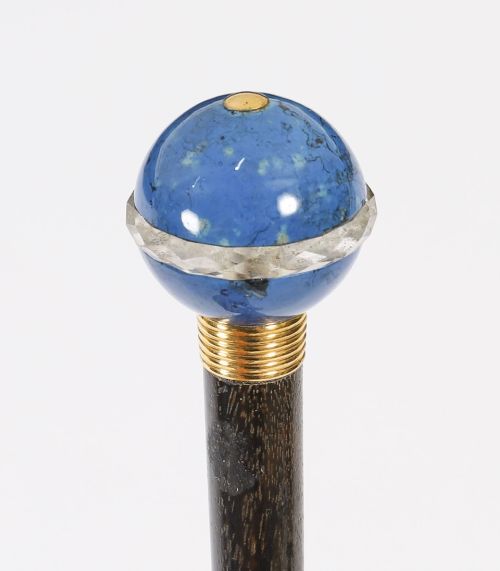
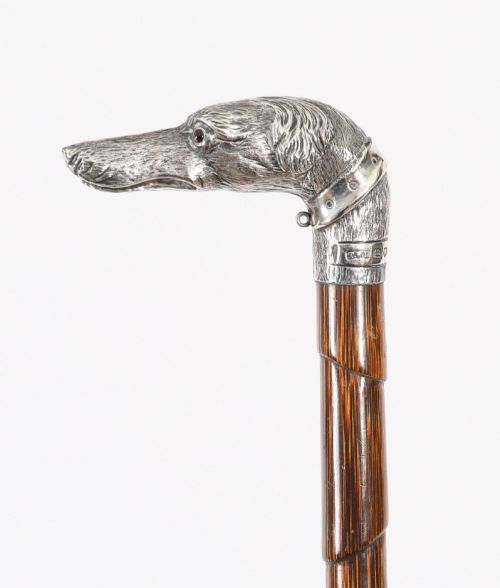
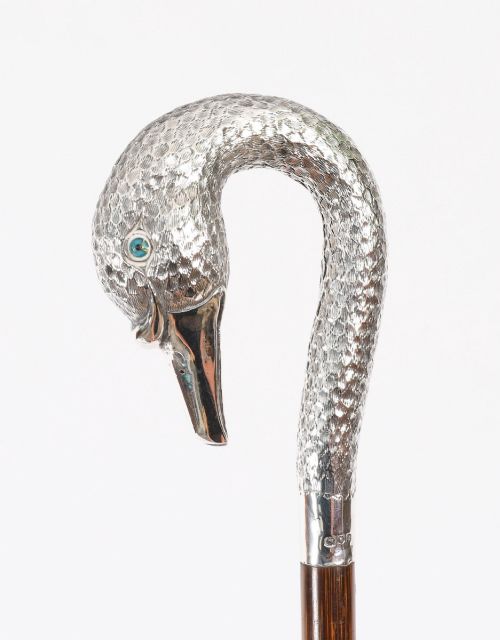
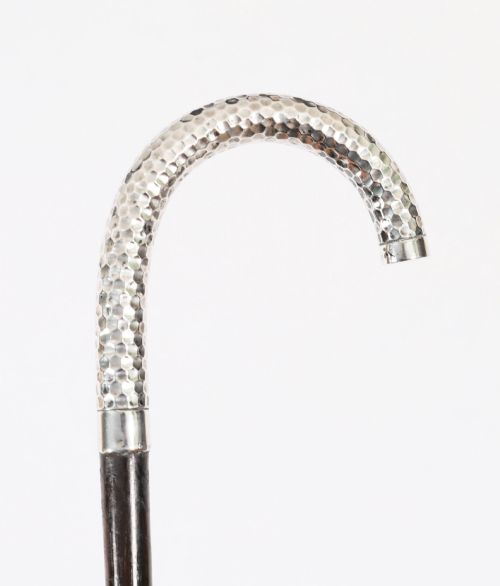
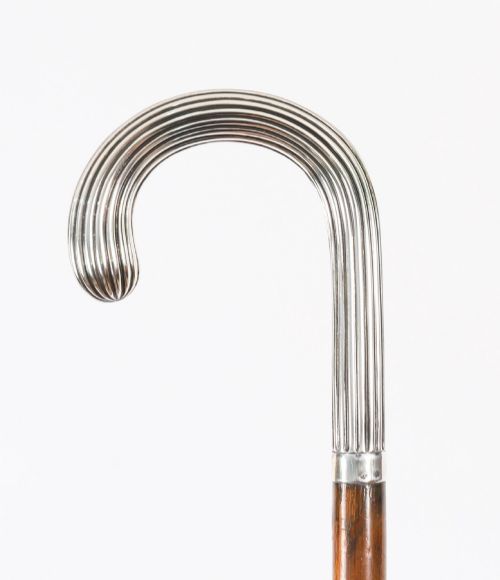
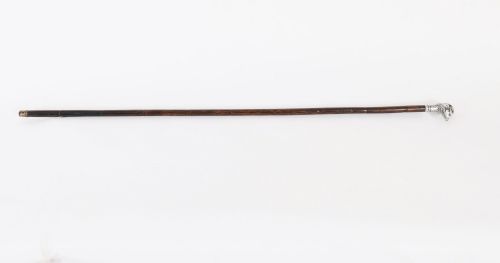
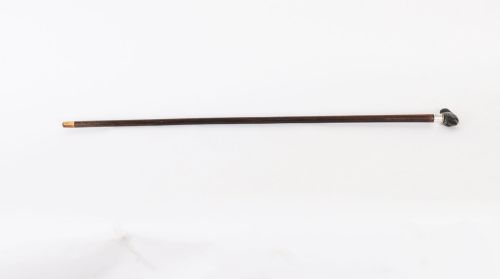
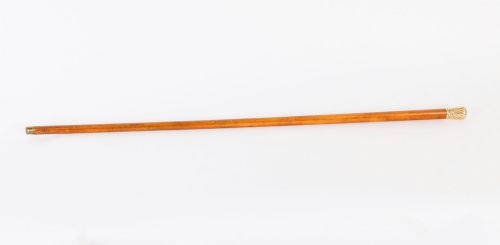
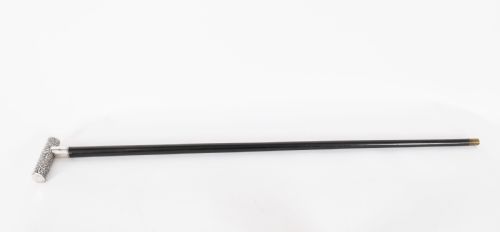
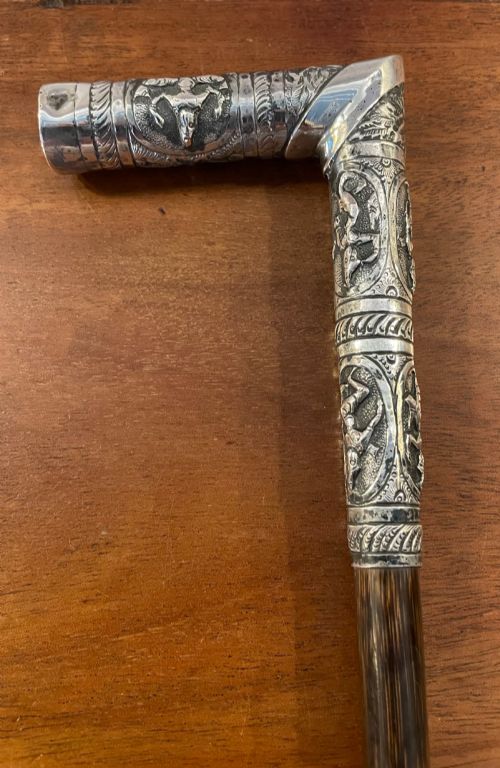
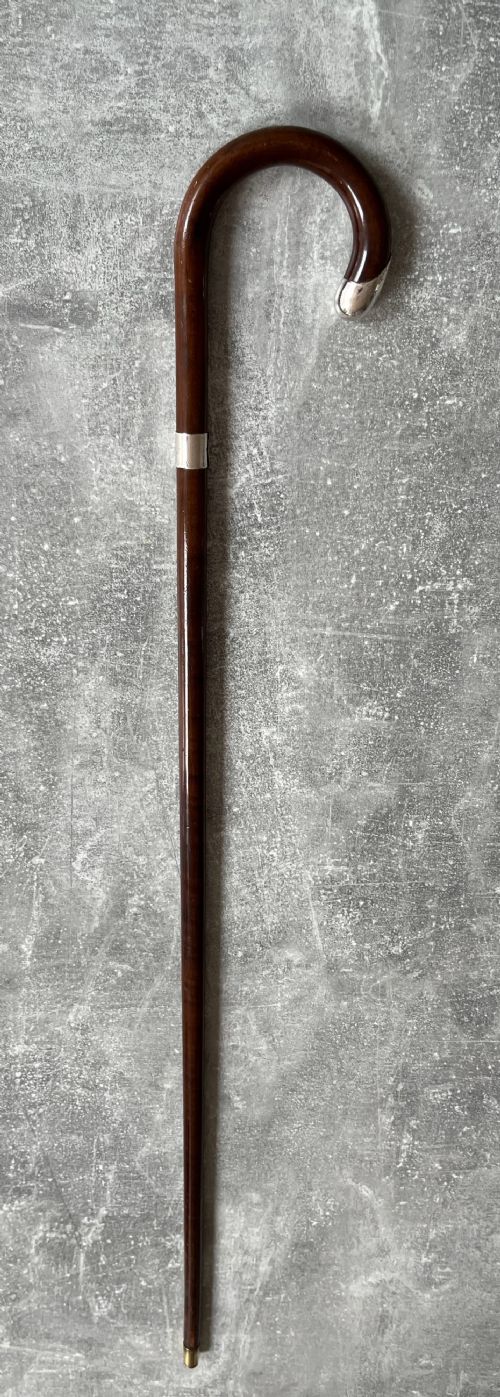
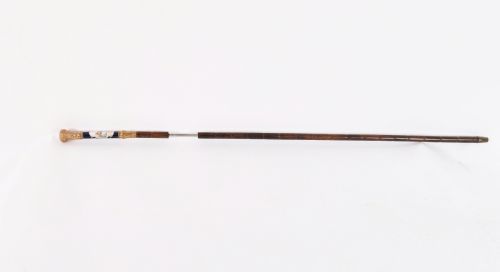
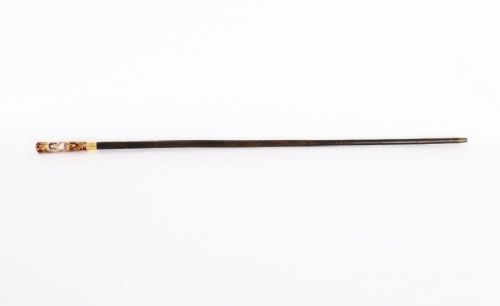
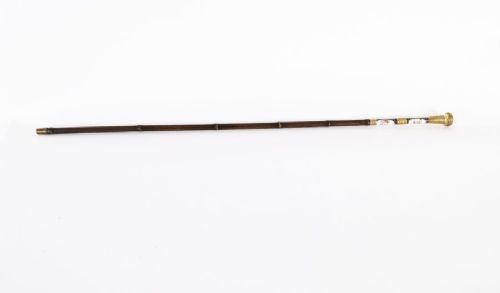
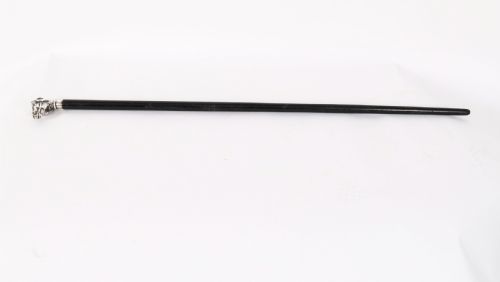
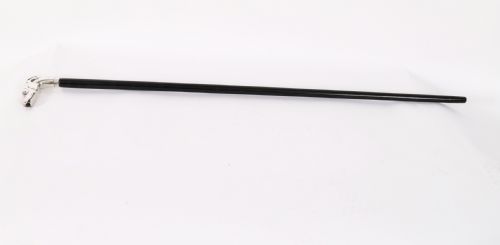
An antique dress cane handle represents a portable sculptural art form designed to accessorise formal attire during the nineteenth and early twentieth centuries. These decorative grips top shafts of hardwood, palm wood, or ebonised oak, transforming everyday support into a gentlemanly or ladylike accessory. The pieces gathered here showcase varied iterations spanning the Victorian, Edwardian, and Art Deco eras.
Makers fashioned these grips in animal forms like greyhounds, ducks, horses, and hares, alongside figurative designs such as a clenched fist or a golf club. Collectors encounter domestic British silver pieces alongside Continental silver, Chinese export work, and French porcelain items. Each handle reflects the specific social rituals and aesthetic preferences of its period of origin.
Evaluating Quality and Execution
The integration between the grip and the shaft indicates overall construction standard, with secure silver collars and tight-fitting mounts demonstrating superior craftsmanship. Superior examples utilise high-grade silver or gold components alongside carefully selected hardwoods like palm or malacca.
The selection includes novelty forms shaped as golf clubs, clenched fists, and various animal heads.
Briggs·Brigg's
The Antique Dress Cane Handle Glossary
- Pommel
- A rounded knob forming the top of a walking stick handle. This shape offers a comfortable palm rest for the user.
- Ebonised
- Wood treated to resemble ebony through a dark staining or finishing process. This technique provides a deep, uniform black surface.
- Damascene
- The art of inlaying different metals into a base metal background. Toledo works often utilise this technique to create intricate patterns on steel.
Antique Dress Cane Handle: Frequently Asked Questions
What materials were used for these handles?
Makers utilised sterling silver, gold, steel, brass, and porcelain mounted onto various wooden shafts.
Precious metals frequently bear hallmarks indicating the year of production and place of assay.
How do I identify the period of a cane?
Stylistic indicators such as Art Deco geometric lines or Victorian naturalistic animal carving help date the piece.
Metal hallmarks and structural construction methods provide additional chronological markers.
Were these canes used for walking support?
Dress canes primarily served as fashion accessories for formal promenades rather than heavy orthopedic support.
Certain examples also incorporated concealed sword blades for personal defence.
How should I display a collection?
Canes rest securely in traditional umbrella stands or specialised wall-mounted display racks.
Keeping them away from direct sunlight protects organic materials like wood and porcelain.