



Antique Drawers on Stand
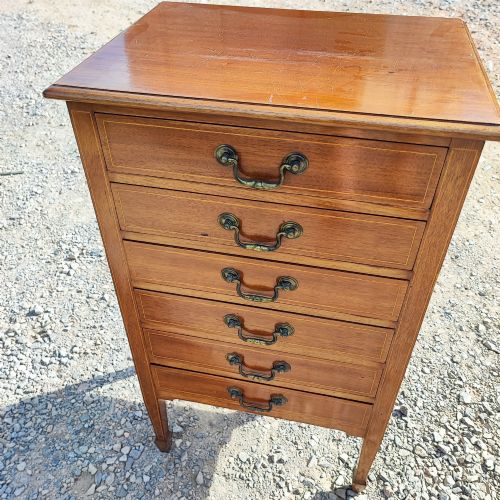
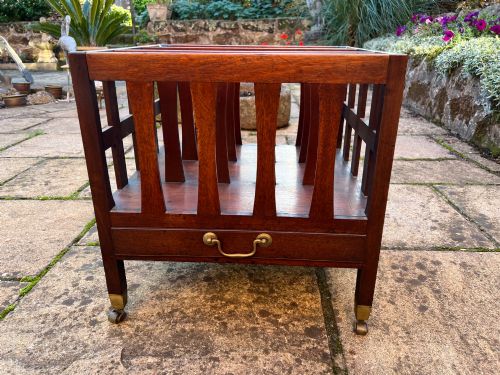
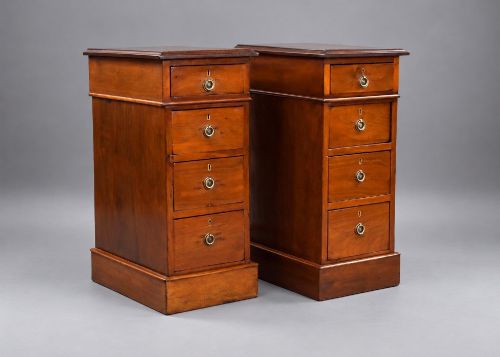
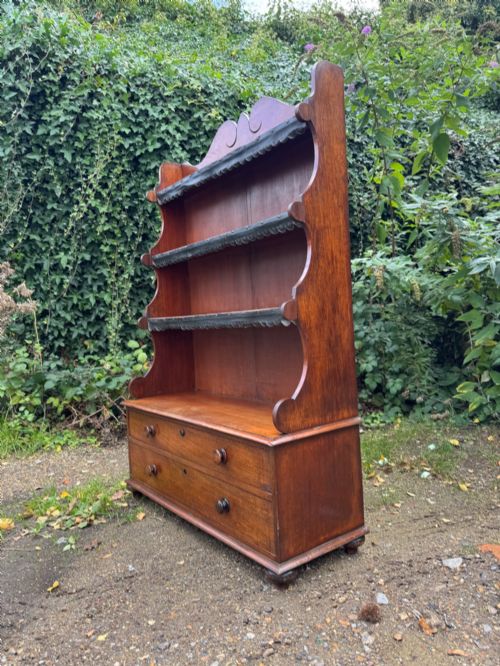
Antique drawers on stand offer elevated storage in walnut and oak, bringing compact proportion and period character to any room.
Antique Drawers on Stand
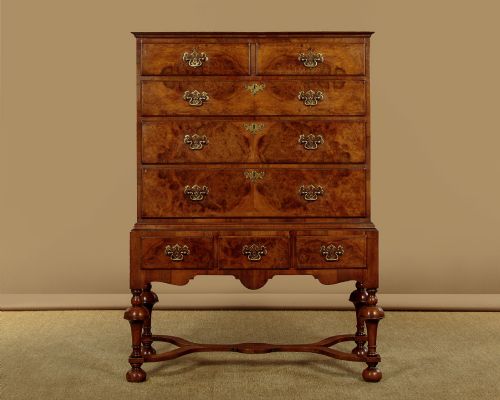
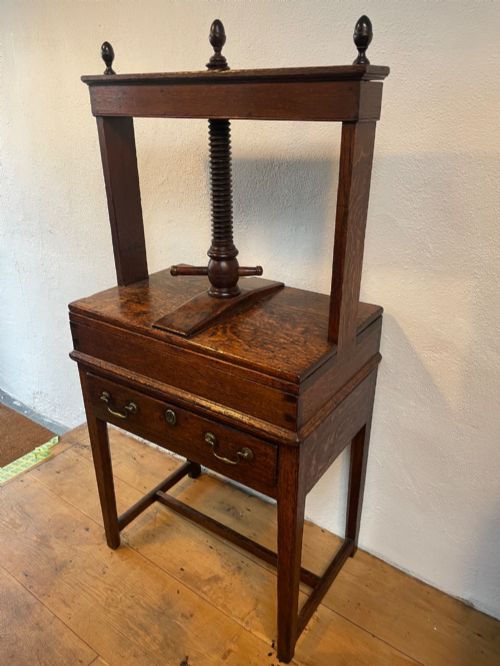
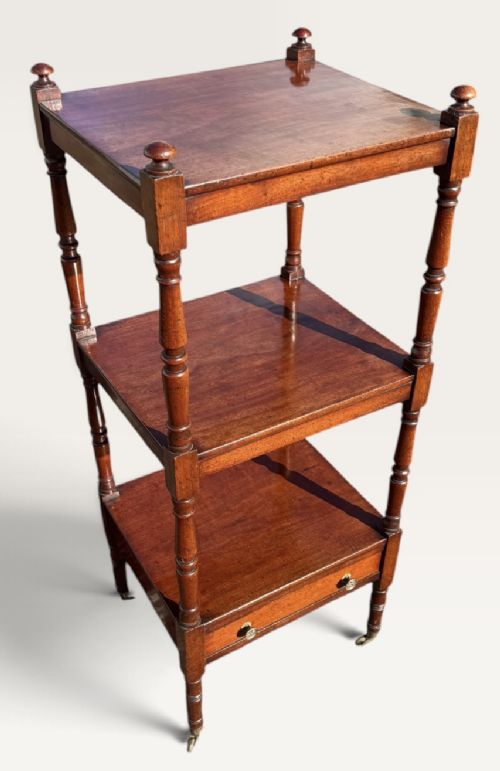
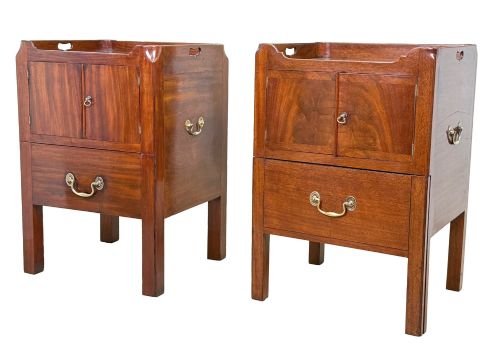
Antique drawers on stand combine a set of drawers with an elevated support base, creating a distinct silhouette that lifts storage off the floor. When searching for antique drawers on stand, buyers encounter forms ranging from early walnut examples to later oak and mahogany variations.
The pieces listed span the 17th century through to the Edwardian period, with Queen Anne, George I, and Georgian styles appearing frequently alongside Victorian interpretations. These items function as compact storage units where the upper chest rests securely upon a sturdy frame or stand.
How they were made
Cabinetmakers constructed these pieces using solid timbers and decorative veneers such as walnut, burr walnut, mahogany, and oak. Carpenters utilised dovetail joints for the drawer construction and shaped the stands with turned legs, cabriole supports, or straight framing.
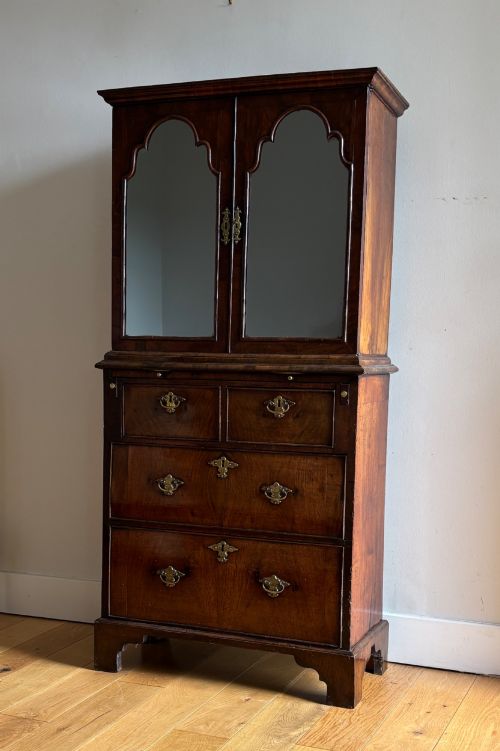
Brass handles, escutcheons, and hinges provided functional and decorative accents across the drawer fronts and doors. Polishing techniques applied to the timber brought out the natural grain patterns and rich colour of the wood.
Antique Drawers on Stand Retail Price Guide 2026
Typical asking prices for drawers on stand among the pieces listed under this phrase on Sellingantiques today, from the lower quarter to the upper quarter. They describe what is for sale here now, not the wider market.
Early walnut stands occasionally hide secret drawers that require a gentle press to reveal their contents.
What varies in quality
The fineness of the timber figure and the selection of matched veneers set superior examples apart from standard utility pieces. Figured walnut and richly grained mahogany indicate careful material selection by the maker.
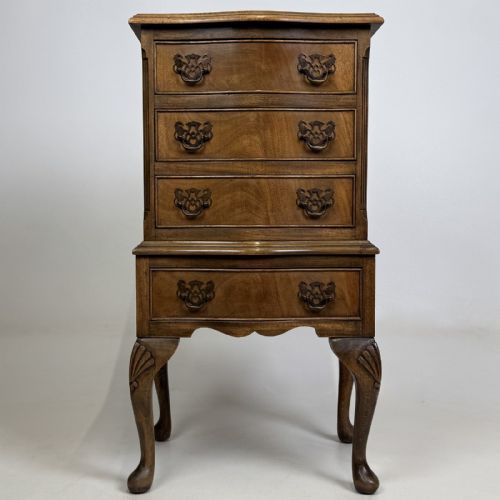
Proportion and execution of the stand determine the aesthetic success of the piece. Delicate cabriole legs, crisp mouldings, and retained original brass hardware elevate the status of a chest on stand.
The Antique Drawers on Stand Glossary
- Chest on Stand
- A storage unit consisting of a set of drawers positioned upon a separate or integrated elevated base with legs. This form raises the main body off the floor for a lighter visual appearance.
- Burr Walnut
- A specialised timber cut from the warted growths of walnut trees, yielding intricate, swirling grain patterns. Cabinetmakers utilised this veneer on prominent exterior surfaces for decorative effect.
- Cabriole Leg
- A furniture leg featuring a double curve, typically swelling outward at the knee and tapering inward at the foot. This style gained prominence during the Queen Anne and Georgian periods.
- Dovetail
- A traditional joint formed by interlocking wedge-shaped fingers, securing drawer corners together with high tensile strength. This construction method indicates traditional hand carpentry.
- Escutcheon
- A protective plate surrounding a keyhole, often fashioned from brass. It prevents the timber around the lock from sustaining wear.
Antique Drawers on Stand: Frequently Asked Questions
What is a chest on stand?
A chest on stand is a piece of furniture that places a set of drawers onto an elevated base supported by legs. This design elevates the storage compartment off the floor.
The configuration creates a lighter visual footprint compared to a heavy floor-standing tallboy while offering accessible compartment storage.
How do I date a chest on stand?
Dating relies on examining the timber species, construction methods, hardware, and stylistic details such as leg shape and moulding profiles. Walnut and oak dominate the earlier 17th and 18th-century examples.
Later Victorian and Edwardian pieces often utilise mahogany and display machine-sawn elements alongside traditional joinery.
Where should I place drawers on stand?
These pieces suit living rooms, hallways, and bedrooms where floor space is at a premium yet vertical storage is required. Their raised stands allow light to pass underneath.
Position them against solid walls away from direct heat sources to protect the polished timber and delicate veneers.
Are drawers on stand practical?
They provide accessible storage through the upper drawers while maintaining a compact footprint in domestic interiors. The elevated height makes the lower drawers easier to reach.
Their decorative stands also serve as display furniture that adds historical character to a room.