


Antique Draughts Board
An antique draughts board is a tactile piece of social history, offering timeless play and rich timber patination for any interior.
Antique Draughts Board
The examples recorded here span the nineteenth century, the Edwardian era, and up to nineteen thirty, showing how traditional pastimes endured across generations. Many pieces double as chess boards or incorporate cribbage tracks, reflecting the multi-functional nature of period games equipment.
How they were made
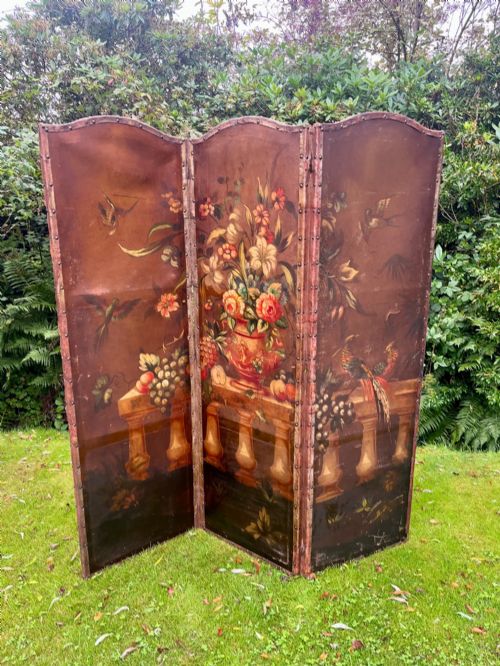
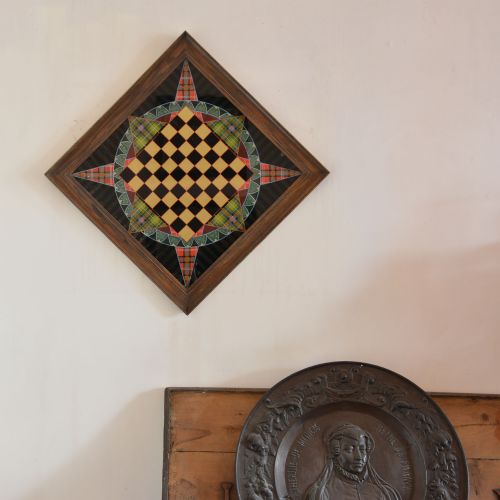
Cabinetmakers utilised dense timbers such as mahogany, rosewood, boxwood, and sycamore to construct durable playing surfaces that withstood frequent use. Inlays of contrasting woods created the dark and light squares, while other examples employed reverse glass painting or hand-painted leather.
Folding mechanisms relied on brass hinges and leather joints, allowing portable boards to fold neatly in half for storage or travel. Surface decoration often involved gilt tooling on leather or painted folk art motifs on glass and wood.
Listings feature items spanning the nineteenth century, the Edwardian era, and nineteen thirty, utilising timber, glass, leather, and paint.
What varies in quality
The distinction between standard domestic items and finer pieces lies in the precision of the timber selection and the complexity of the inlay work. Burr walnut veneers and finely figured rosewood indicate a higher grade of cabinetmaking intended for the principal rooms of a house.
Artistic execution also separates ordinary boards from superior examples, particularly in hand-painted leather screens or reverse glass panels. Original surfaces with honest patination and intact playing pieces hold greater appeal than heavily restored equivalents.
A British Chess Company
The Antique Draughts Board Glossary
- Treen
- Small handmade wooden objects produced before the mass era. These items display the simple domestic utility of everyday timber work.
- Boxwood
- A dense, pale yellow hardwood frequently employed for light squares and chess pieces. Its fine grain allows for sharp cutting and turning.
- Reverse glass painting
- An artistic technique where the image is painted on the back of a glass pane to be viewed from the front. This method creates a glossy, protected finish.
- Sycamore
- A light-coloured hardwood commonly used alongside darker woods to create contrasting squares on games boards.
Antique Draughts Board: Frequently Asked Questions
What are antique draughts boards made from?
These boards utilise various timbers including mahogany, rosewood, boxwood, and sycamore, alongside alternative materials such as leather and glass.
Cabinetmakers selected these materials for durability and visual contrast between the playing squares.
Were these boards only used for draughts?
Many boards served multiple purposes, accommodating chess, draughts, and cribbage on the same surface or via folding designs.
This versatility was particularly common in nineteenth-century and Edwardian domestic settings.
How do I care for an antique wooden board?
Keep wooden boards away from direct sunlight and sudden temperature changes to prevent the timber from warping or splitting.
An occasional application of appropriate wax helps maintain the lustre of the polished wood.
How can I tell the period of a board?
Dating relies on observing the timber types, construction methods, hinge styles, and any accompanying maker details or painted techniques.
Nineteenth-century examples often feature heavier mahogany or rosewood construction compared to later Edwardian pieces.