


Antique Dragon Vase
When you search for an antique dragon vase, you encounter cast bronzes and painted ceramics depicting mythical serpents from nineteenth and early twentieth-century Asia.
Antique Dragon Vase
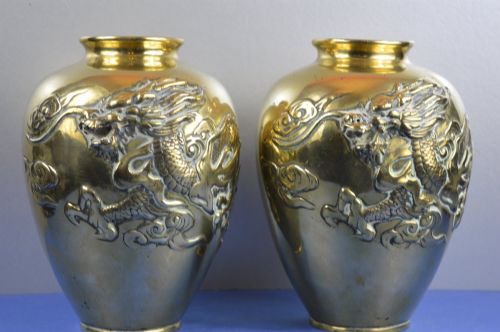
An antique dragon vase combines utilitarian vessel forms with mythological relief work or painted scenes. Collectors typically find baluster shapes, ginger jars, and bottle vases produced during the Meiji period in Japan or the Qing dynasty in China.
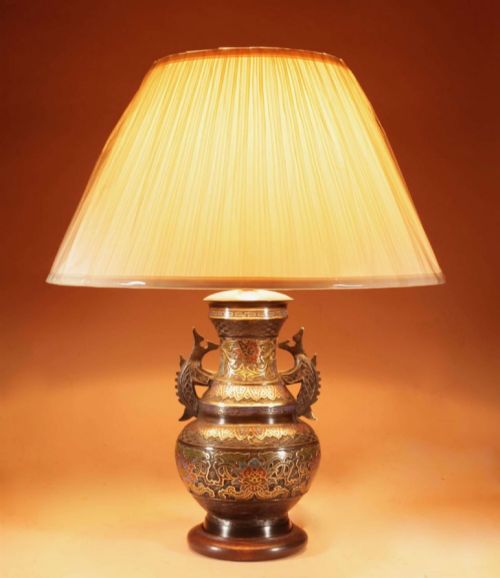
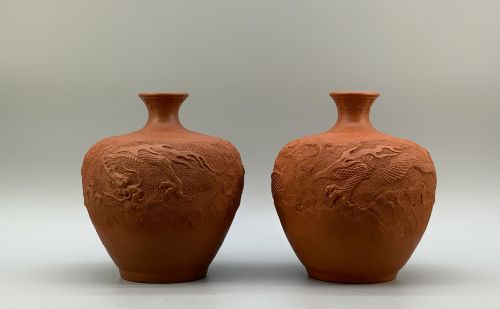
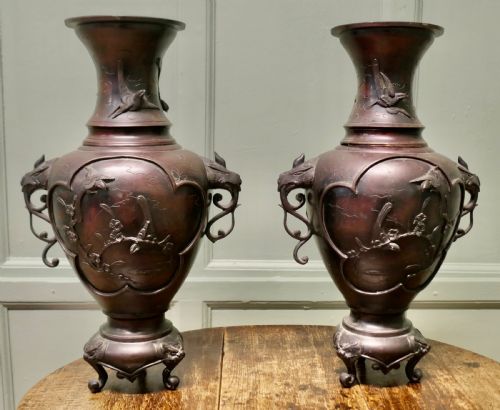
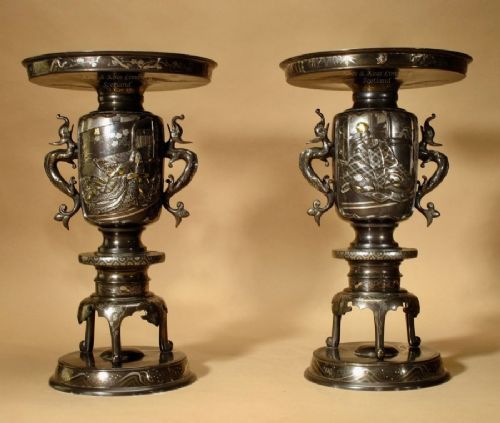
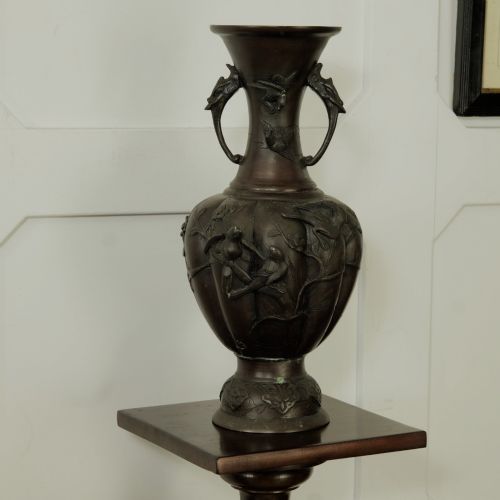
The selection ranges from heavy cast-bronze temple urns and table lamps to delicate Satsuma earthenware and blue-and-white porcelain. Many examples integrate secondary motifs such as phoenixes, arhats, or floral scrolls alongside the scaly beast.
Most surviving items date from the late nineteenth century through the early decades of the twentieth century. Buyers encounter both export wares intended for Western markets and traditional forms rooted in East Asian decorative arts.
How they were made
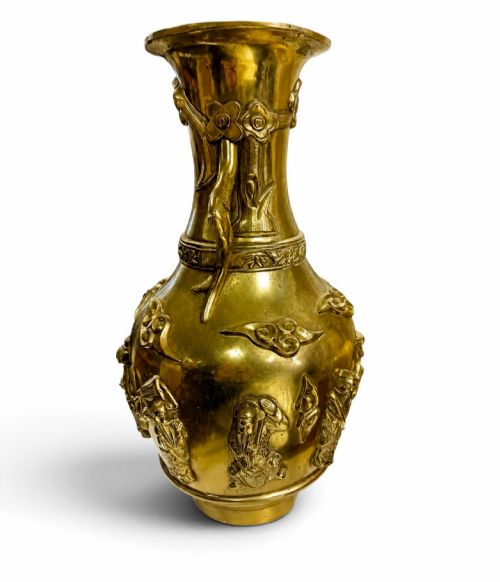
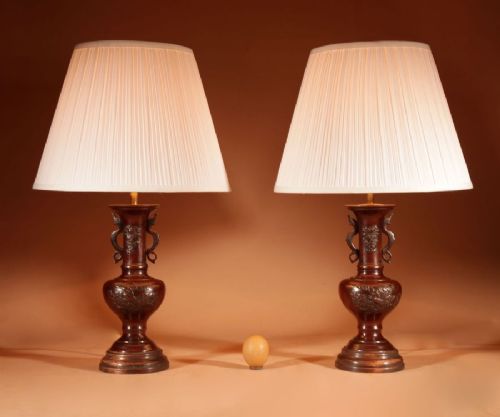
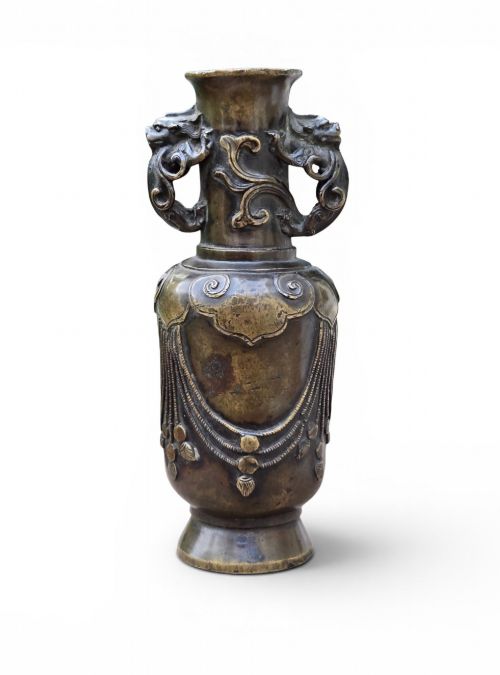
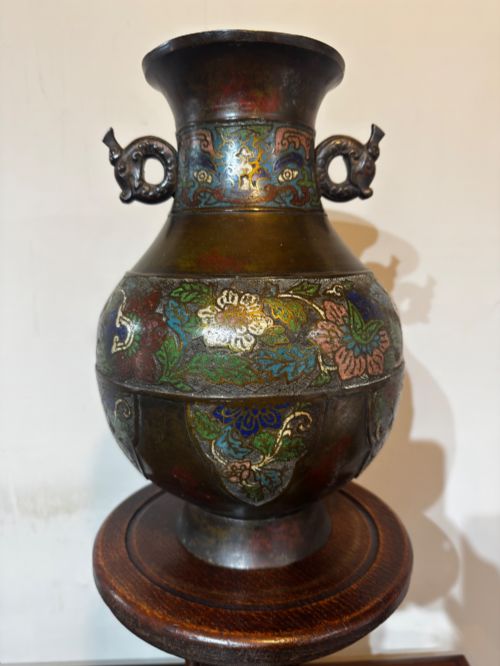
Metal vessels rely on lost-wax or sand casting in bronze, brass, or copper-alloy, often finished with high-relief champlevé enamelling, gilding, or applied dragon handles. Artisans manipulate the metal through intricate chasing and patination.
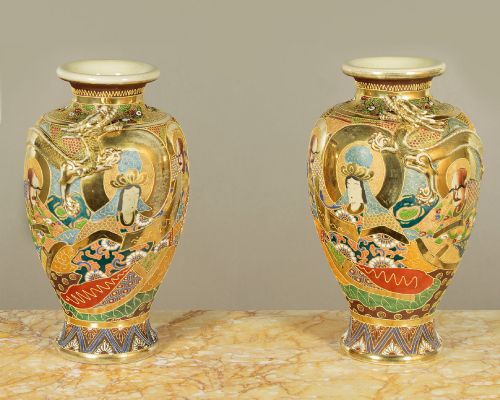
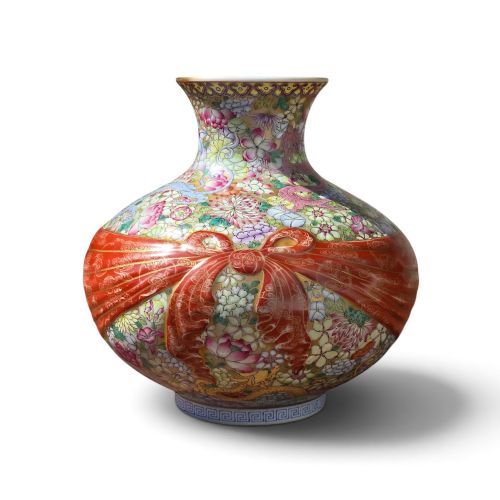
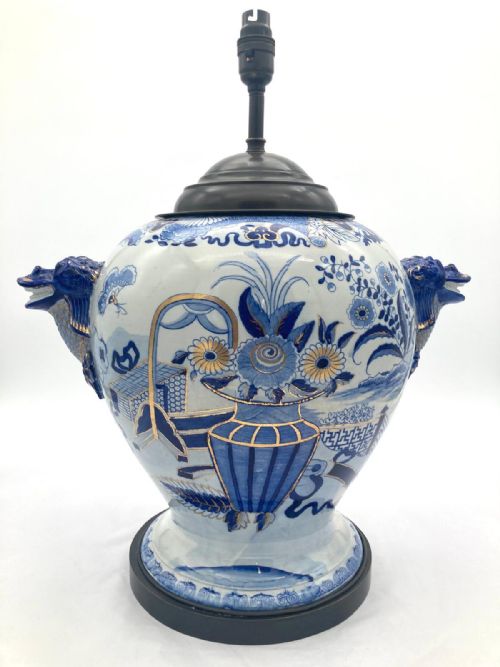
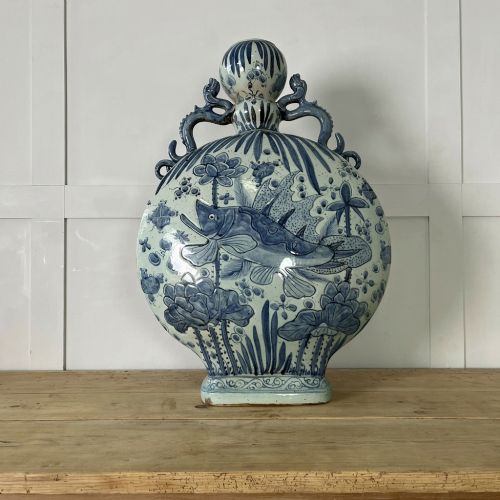
Ceramic pieces involve thrown or moulded porcelain and earthenware, painted with iron-red pigments, cobalt underglazes, or polychrome famille rose enamels. Potters then fire the pieces in kilns to vitrify the glazes and fix the detailed dragon motifs.
Listings feature materials spanning cast bronze, Satsuma earthenware, and blue-and-white porcelain.
What varies in quality
The integrity of the body materials, whether heavy bronze castings or flawless porcelain paste, dictates the piece's structural stability. Weight, balanced proportions, and the clean execution of base marks or signatures further distinguish finer examples.
Hotoda·Wedgwood Daisy Makeig-Jones·Galle
The Antique Dragon Vase Glossary
- Champlevé
- An enamelling technique where troughs or cells are hollowed out of a metal surface and filled with vitreous enamel before firing. This method creates vibrant coloured patterns alongside exposed bronze lines.
- Baluster
- A vase form characterised by a bulbous lower body that tapers towards a narrow neck and flared rim. The silhouette resembles architectural balusters found on staircases.
- Satsuma
- A type of Japanese earthenware featuring a crackled ivory glaze decorated with polychrome enamels and gold leaf. These ceramics often portray dense narrative scenes alongside dragons.
- Meiji
- A historical period in Japan spanning from 1868 to 1912, marked by the opening of trade with the West. Artisans during this era produced elaborate metalwork and ceramics for international markets.
- Meiping
- A traditional Chinese vase shape with a narrow neck, broad shoulders, and a tapering base, originally designed for plum branches. These vessels frequently display encircling dragon motifs.
Antique Dragon Vase: Frequently Asked Questions
How do I clean an antique dragon vase?
Dust metal and ceramic surfaces gently with a soft, dry brush to prevent scratching the patina or delicate enamel work. Avoid liquid cleaners, harsh abrasives, or immersion in water, which can damage aged glazes or exposed metal.
For stubborn grime on glazed porcelain, use a damp cloth followed immediately by dry microfibre. Bronze and brass vessels benefit from minimal interference to preserve their historic oxidation layers.
Were these vases made for export?
Many nineteenth-century examples were specifically produced for Western markets following the opening of Japanese and Chinese trade ports. Artisans tailored the scale and ornamentation of these vases to suit European Victorian tastes.
Other pieces originated from domestic temple use or elite patronage before eventually reaching the international antique market. Examining the style of decoration helps distinguish export wares from traditional domestic items.
How can I tell Japanese from Chinese pieces?
Japanese dragon depictions from the Meiji period often feature slender, serpentine bodies with three-toed claws and dynamic, high-relief modelling. Chinese vessels frequently showcase five-clawed imperial dragons integrated into formal porcelain or bronze compositions.
Materials also offer clues, as Japanese makers frequently utilised complex patinated bronzes and crackled Satsuma earthenware. Chinese items more commonly display underglaze blue, famille rose enamels, or heavy archaic bronze forms.
Can converted lamp vases be restored?
Many historical vases were drilled or fitted with electrical hardware during the twentieth century to serve as table lamps. Reversing these alterations requires professional ceramics or metal restoration to plug drill holes invisibly.
Most collectors choose to maintain the lamp conversion if the wiring is safe and professional. Removing functional additions often leaves permanent structural changes to the original body.