


Antique Dowry Rug
When you examine an antique dowry rug, you touch the woven heritage of Central Asian nomadic tribes made for nineteenth-century weddings.
Antique Dowry Rug
An antique dowry rug encompasses small square floor coverings, torbas, and wall hangings created by weavers across Central Asia including Tekke, Ersari, Yomut, and Uzbek makers. These textiles were produced during the nineteenth century, stretching from roughly 1870 up to 1900.
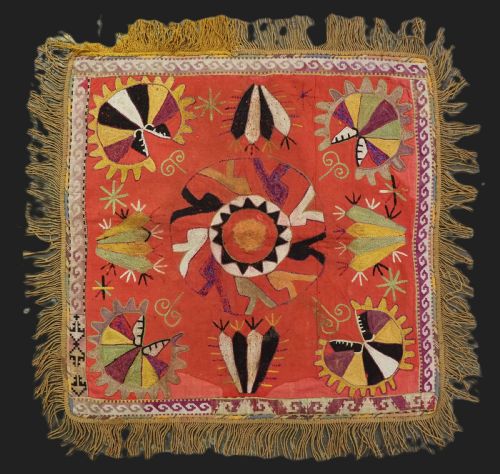
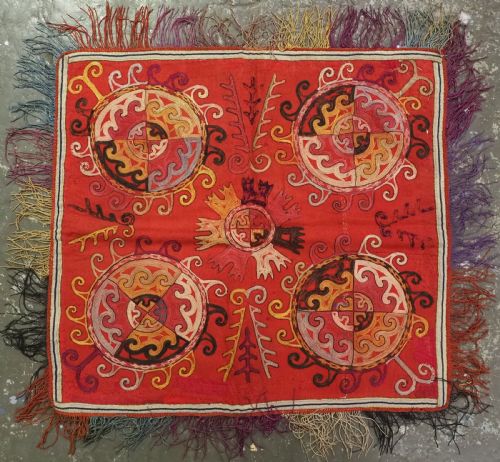
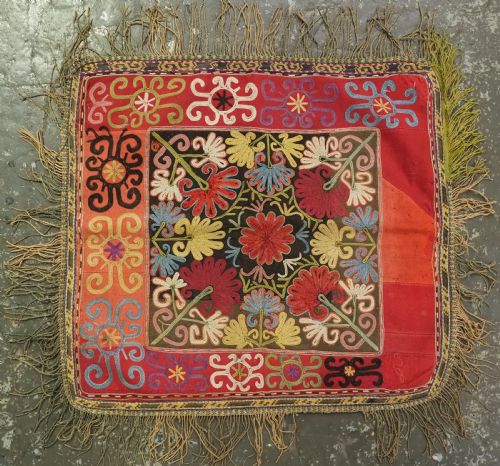
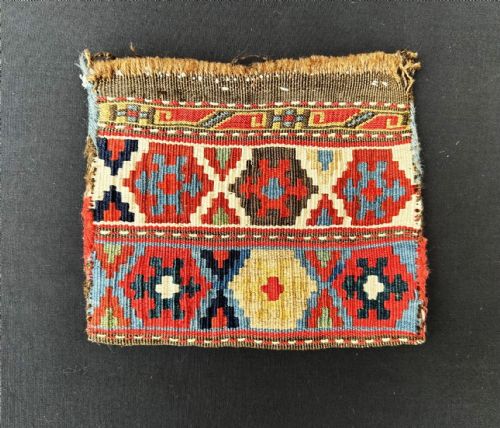
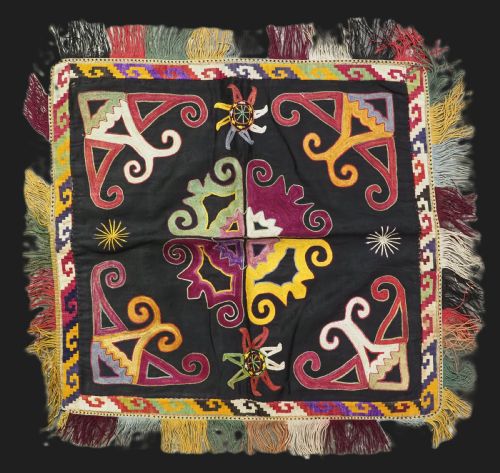
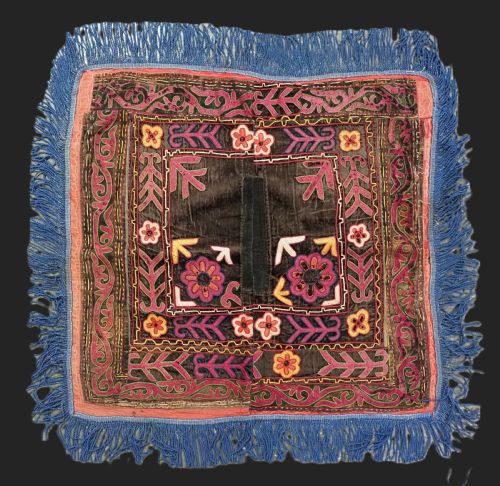
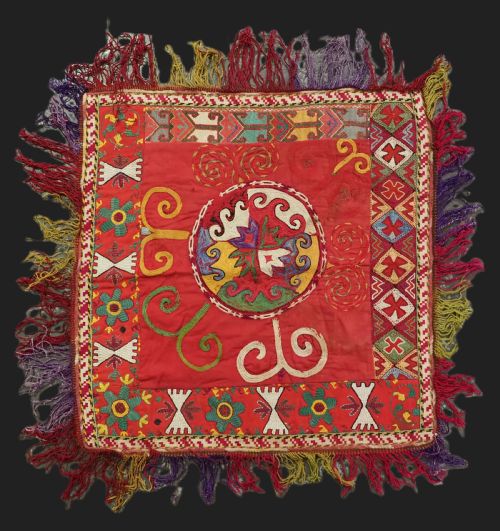
The version you are most likely to encounter here is the Tekke Turkmen wedding dowry rug, typically small in format and characterised by traditional gul motifs. Alongside these woven rugs, the selection includes embroidered ilgich wall hangings from the Uzbek Lakai tribe.
Nomadic groups utilised these pieces within domestic and ceremonial contexts, specifically celebrating marriages. They served functional roles in tents or served as decorative panel displays.
Materials and construction
The foundation of these pieces relies predominantly on wool, cotton, and occasionally silk highlights woven with fine precision. Weavers also incorporated velvet elements in specific Central Asian tribal embroideries.
Dye techniques achieved rich colouration across the wool, utilising cochineal and other natural sources to produce deep red and green grounds. The construction involves dense knotting in the rugs and meticulous needlework in the wall hangings.
Nomadic weavers packed these miniature masterpieces with enough symbolic punch to outlast empires and still charm modern living rooms.
What separates the finest examples
Quality rests upon the fineness of the weave and the softness of the wool employed by the tribal weaver. Pieces featuring silk highlights or scarce designs such as ovoid guls command greater attention from collectors.
Depth and clarity of colour distinguish the upper tier of these textiles. Examples displaying cochineal dye throughout or a superb green ground demonstrate superior material selection.
The Antique Dowry Rug Glossary
- Gul
- A repeating primary octagonal medallion motif found across Turkmen tribal rugs. These graphic symbols identify specific tribes and weaving traditions.
- Torba
- A small dowry bag traditionally hung inside a nomadic tent for storage. They mirror the fineness and design vocabulary of larger wedding rugs.
- Ilgich
- An embroidered wall hanging produced by Uzbek Lakai tribes as part of a traditional dowry. These display lively needlework distinct from knotted pile carpets.
- Cochineal
- A natural red dye derived from insects, producing vibrant and lasting hues in nineteenth-century textiles. Its presence indicates high-grade dyeing practices.
- Aina gul
- A specific mirror-patterned motif utilised within Tekke Turkmen wedding dowry rugs. This design carries symbolic protective or auspicious meanings for the bride.
Antique Dowry Rug: Frequently Asked Questions
What is an antique dowry rug?
These are nineteenth-century textiles woven or embroidered by Central Asian tribal groups for wedding ceremonies and domestic life. They function as portable art objects representing specific cultural heritages.
Most examples originate from Turkmen and Uzbek communities, featuring traditional motifs like guls or pictorial embroideries designed to celebrate marriages.
How were dowry rugs used?
Nomadic families utilised these small rugs and bags inside dwellings for floor covering, ceremonial display, or storage. They formed an essential part of a bride's household possessions.
Many pieces were also hung on walls or tent partitions as decorative and status items during wedding celebrations.
How do I date an antique dowry rug?
Dating relies on analysing the wool quality, natural dye palette, structural fineness, and stylistic markers characteristic of the nineteenth century. Pieces from this era generally span from the 1870s to around 1900.
Examining the specific tribal attribution, such as Tekke or Uzbek Lakai traits, helps narrow the period of manufacture based on historical weaving output.
How do I care for a textile wall hanging?
Mount these delicate embroideries and rugs away from direct sunlight to protect natural wool and silk dyes from fading. Support the weight evenly if hanging them vertically.
Gentle surface cleaning by a specialist familiar with antique tribal textiles ensures the structure remains intact without damaging the historical fibres.