





Antique Doulton Vessel
An antique doulton vessel brings British ceramic history into a room, offering tactile stoneware and earthenware crafted across the Victorian, Edwardian, and Art Nouveau eras.
Antique Doulton Vessel
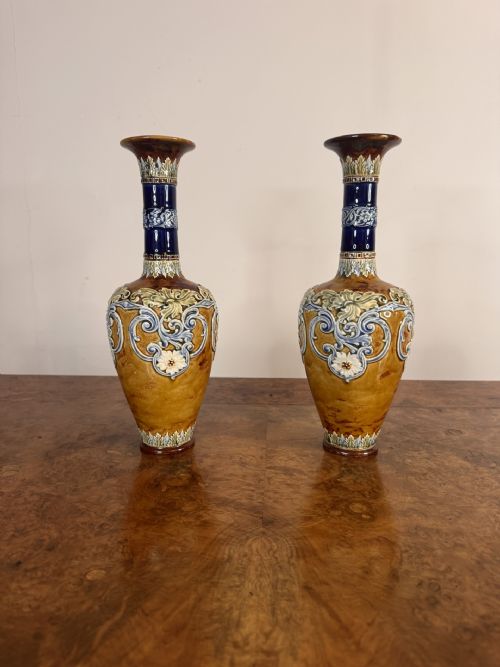
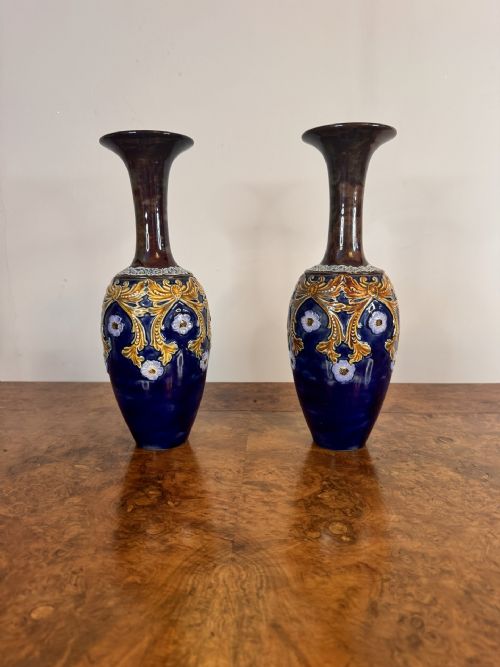
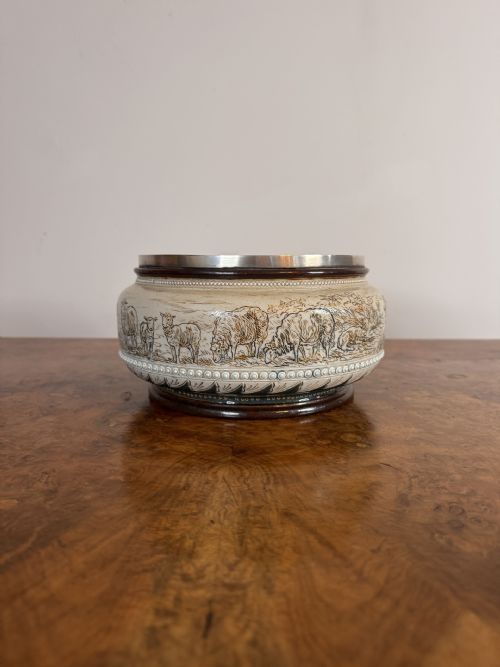
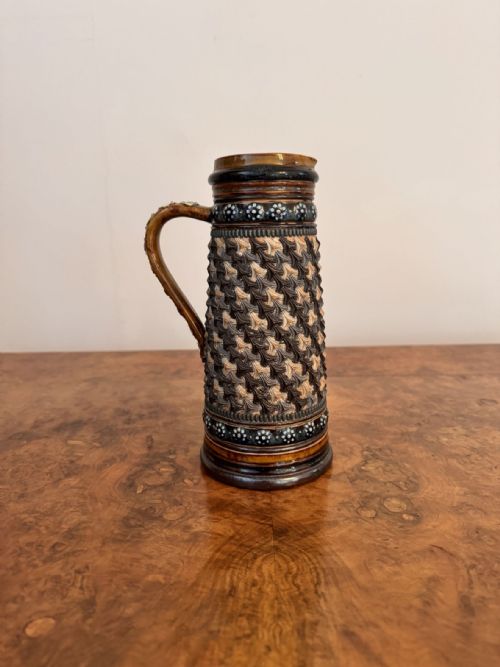
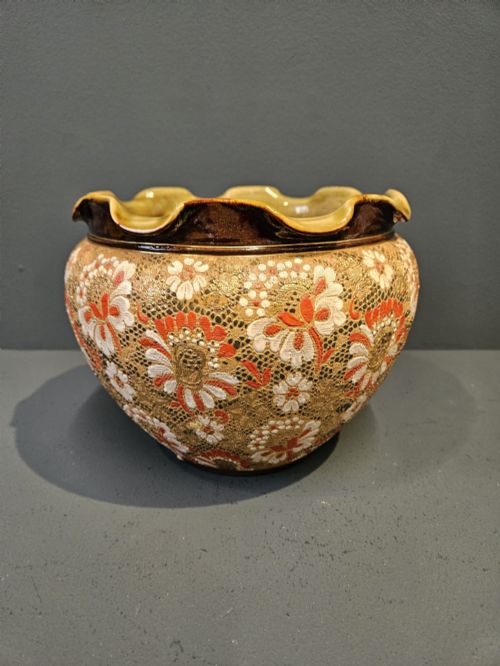
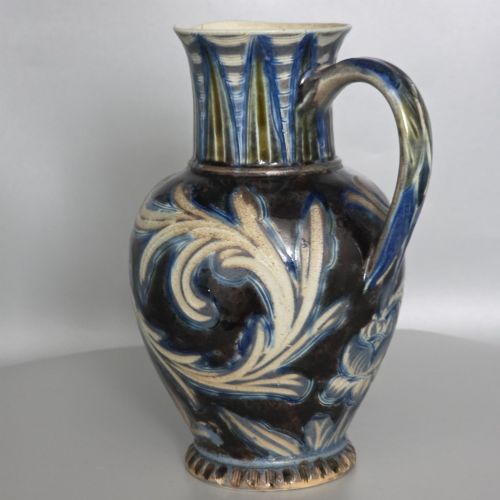
When searching for an antique doulton vessel, collectors encounter a diverse range of forms including vases, jugs, pitchers, ewers, and jardinieres. These functional and decorative pieces span from the late nineteenth century into the twentieth century, reflecting shifting tastes in British pottery.
The pieces most frequently met on this page belong to the Doulton Lambeth tradition, alongside later Royal Doulton productions. They bridge domestic utility and artistic exhibition work, often emerging from distinct design movements like the Arts and Crafts style.
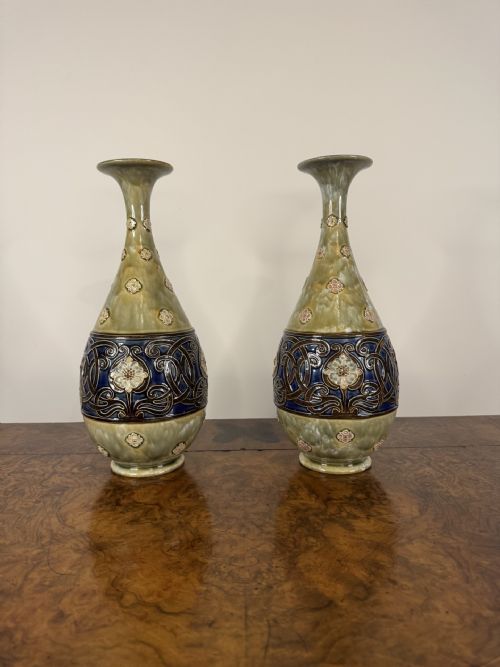
Forms vary from robust salt glaze puzzle jugs and commemorative vessels to delicate baluster vases and large patio planters. Each object carries the technical ambition of a major British pottery manufacturer.
How They Were Made
The physical character of these pieces relies heavily on durable stoneware, earthenware, and glazed ceramic bodies. Artisans utilised salt glazing techniques alongside smooth enamel floral décor to build rich surface textures and subtle sheens.
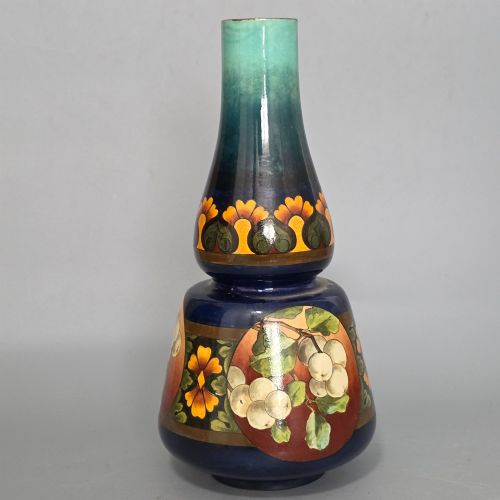
Many items incorporate specialised methods such as Slaters Patent texturing and handpainted detailing. Faience techniques allowed for intricate botanical and pictorial scenes beneath protective glaze layers.
Antique Doulton Vessel Retail Price Guide 2026
Typical asking prices for doulton vessel among the pieces listed under this phrase on Sellingantiques today, from the lower quarter to the upper quarter. They describe what is for sale here now, not the wider market.
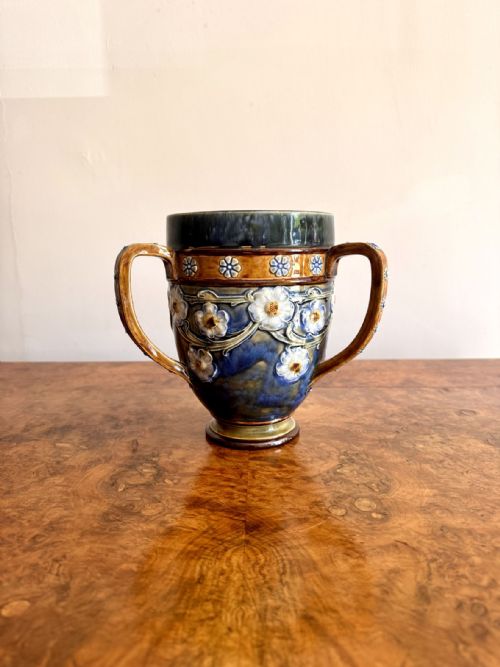
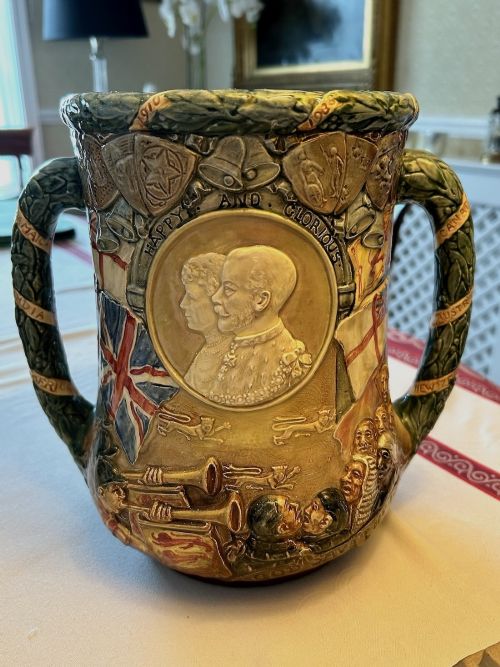
Listings feature Victorian and Edwardian stoneware, earthenware, and glazed ceramic forms including ewers, vases, and commemorative loving cups.
What Varies in Quality
Quality in these ceramics rests on the crispness of the incised ornamentation and the control shown during the firing process. Pieces bearing the distinct signature or monogram of renowned studio artists command particular attention for their individual execution.
The harmony of the glaze application and the complexity of decorative motifs, such as detailed slip work or raised enamel, separate standard production items from exhibition-grade works.
Royal Doulton·Doulton Lambeth·Alice Euphemia Thatcher·Florence E Barlow·Louisa Wakely·Eliza Simmance·Emily Stormer·Ethel Beard·John H Plant
The Antique Doulton Vessel Glossary
- Stoneware
- A robust, vitrified ceramic pottery fired at high temperatures until non-porous. It provides the heavy, durable body characteristic of many Lambeth productions.
- Salt Glaze
- A glossy, slightly pitted texture achieved by throwing common salt into the kiln during high-temperature firing. This chemical reaction creates an orange-peel surface on stoneware.
- Jardiniere
- A large ornamental pot or planter designed to hold growing plants or flowers. These items often feature generous proportions and robust bases for stability.
- Faience
- Tin-glazed earthenware decorated with painted designs before firing. It allowed makers to achieve vibrant colour palettes and detailed pictorial surfaces.
- Tyg
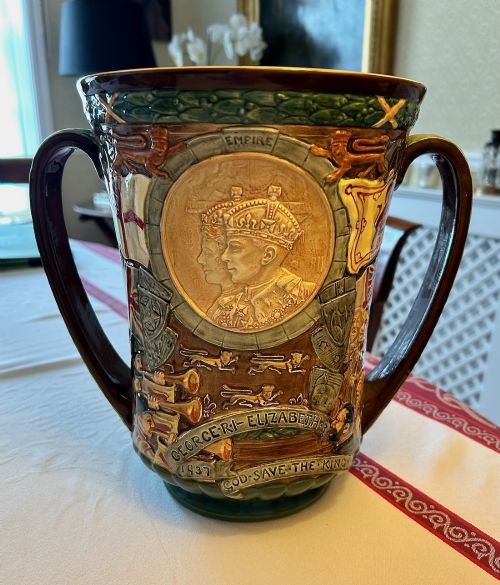
- A large drinking vessel typically featuring multiple handles designed for communal passing. They often commemorate specific historical events or royal jubilees.
Antique Doulton Vessel: Frequently Asked Questions
What is a Doulton Lambeth vessel?
A Doulton Lambeth vessel is a piece of British pottery created at the Lambeth studio in London, known for its distinctive stoneware and artistic collaboration with individual makers.
These items range from utilitarian jugs to highly decorated exhibition vases featuring intricate incised patterns.
How do I identify Art Nouveau Doulton pieces?
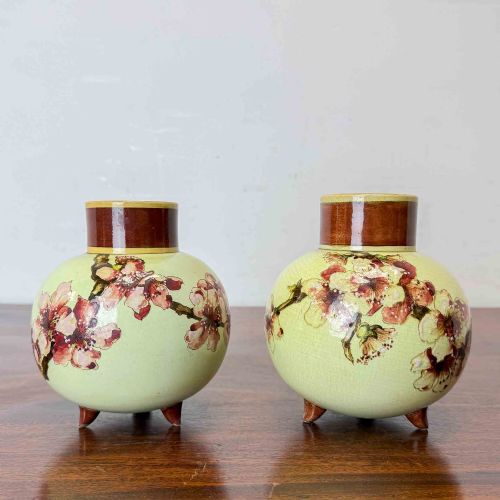
Art Nouveau examples typically display flowing organic motifs, stylized botanical patterns such as leaf and cherry blossom designs, and elongated forms.
The palette often leans toward natural autumnal tones or soft glazes that complement the fluid lines of the period.
Where were these ceramic vessels made?
The majority of these pieces originated in England, primarily from the historic Lambeth works in London or subsequent Royal Doulton potteries.
Production spanned several decades, adapting to shifting aesthetic movements from the Victorian era through Art Deco.
How should I display a heavy stoneware jardiniere?
Stoneware jardinieres and planters require stable surfaces capable of supporting substantial weight, especially if filled with soil and plants.
Placing them on sturdy low tables or patio stones highlights their robust proportions and rich glazed surfaces safely.