






Antique Double Handled Vase
These twin handled vessels are statement display pieces, and an antique double handled vase brings striking symmetry and historic presence to any interior.
Antique Double Handled Vase
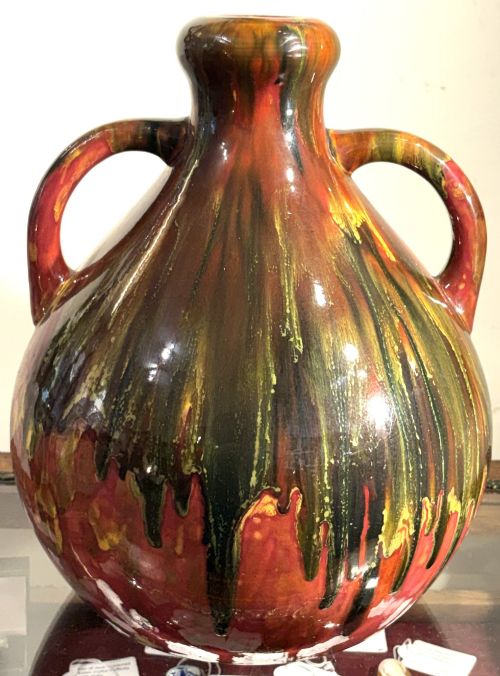
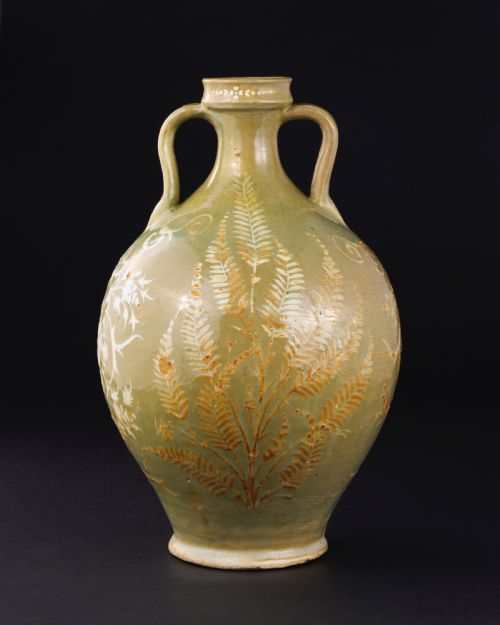
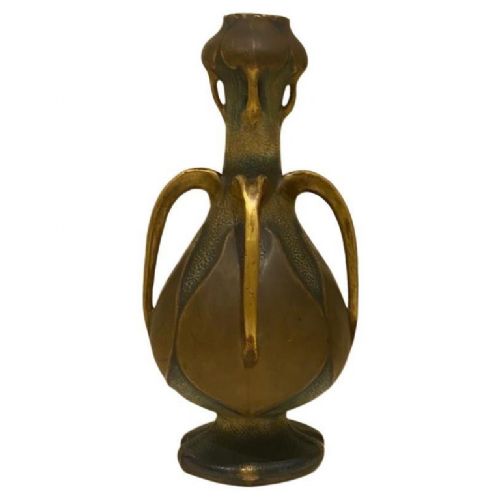
When you search for an antique double handled vase, you are looking at dual-grip vessels designed for display rather than utility, spanning diverse cultures and centuries. The forms on this page range from grand Victorian art pottery and delicate porcelain pilgrim flasks to robust bronze vessels and ancient Persian or Chinese ceramics. Most examples you will encounter date from the nineteenth century, encompassing distinct movements like Art Nouveau and Aesthetic pottery.
The twin handles themselves take many forms, from formal classical scrolls and foliate motifs to organic stems and stylized animal ears. You will find pieces shaped as baluster vases, slender table lamps, and substantial planters, demonstrating how makers adapted the symmetrical twin-handled format across different decorative media. Each object reflects the aesthetic priorities of its period, whether that means Japanese Meiji craftsmanship, British art pottery experimentation, or Continental porcelain painting.
Materials and construction
Makers shaped these vessels using earthenware, porcelain, and heavy bronze, applying sophisticated surface treatments such as celadon glaze, intricate gilt detailing, and hand-painted floral patterns. Ceramic pieces often rely on specialised clay bodies that support complex moulded or thrown twin handles, while metalwork versions utilise cast bronze finished with patination.
Art pottery pieces from the late nineteenth century showcase specialised ceramic glazes and printed or hand-painted slips, such as the Intarsio technique or specialised earthenware formulations. Porcelain examples feature meticulous gilding and pictorial scenes applied over white ceramic bodies, requiring precise kiln work to fuse metallic accents and coloured enamels permanently.
Listings feature earthenware, porcelain, and bronze, spanning Victorian art pottery, Art Nouveau, and seventeenth-century Safavid and Chinese ceramic traditions.
Factors of quality
The distinction between standard production and exceptional quality lies in the precision of the form, the crispness of the handle attachment, and the depth of the glaze or painted detail. Superior examples display seamless integration between the twin handles and the main body, avoiding heavy potting or clumsy joints that disrupt the symmetry.
In decorated pieces, artistic execution separates fine items from ordinary ones, evident in the confident brushwork of hand-painted scenes or the controlled pooling of complex glazes. Marked pieces associated with notable designers or potteries carry greater weight because the execution of the ceramic body and surface ornament matches the ambition of the design.
Makuzu Kozan·Wileman·Shelley·Minton·Christopher Dresser·Doulton Lambeth·Coalport·Paul Dachsel·Linthorpe Pottery·Mason's
The Antique Double Handled Vase Glossary
- Celadon glaze
- A pale green or grey-green ceramic glaze originating in East Asia, prized for its jade-like appearance and subtle translucency. It creates a smooth, glassy surface over carved or moulded earthenware and porcelain bodies.
- Pilgrim flask
- A flattened circular or oval vessel with two side lugs or handles originally intended for travellers to suspend from cords. In nineteenth-century porcelain and pottery, this shape became a purely decorative display form.
- Baluster
- A tall vase shape that swells outward toward the bottom and tapers gently upward before flaring at the neck. This classical architectural profile provides stable proportions for twin handles.
- Intarsio
- A specialised ceramic decoration technique developed by the Wileman pottery that resembles inlaid wood marquetry. It uses printed outlines filled with rich coloured enamels on earthenware bodies.
- Earthenware
- Porous pottery fired at relatively low temperatures, requiring a vitreous glaze to hold liquids. It serves as the primary body for much nineteenth-century art pottery and planters.
Antique Double Handled Vase: Frequently Asked Questions
How were double handled vases used?
These vessels served primarily as decorative garniture sets, mantelpiece ornaments, or formal table centerpieces rather than functional flower containers. Their symmetrical handles provided visual balance and allowed safe lifting during household reorganization.
Over time, many of these pieces transitioned into lamp bases or stood alone as sculptural statements in domestic interiors, reflecting changing tastes in interior decoration.
How do I date a ceramic vase?
Dating relies on maker marks, registration numbers, pottery stamps, and stylistic markers specific to periods like the Victorian era or Art Nouveau movement. Examining the base unglazed surfaces and manufacturing methods also reveals clues about the era of production.
Changes in glaze chemistry, body composition, and decorative motifs help narrow down the decade in which the object left the kiln or workshop.
Are these vases waterproof?
Many nineteenth-century art pottery and earthenware vessels feature porous bodies or historical manufacturing methods that make them unsuited for holding standing water. Using a hidden glass or plastic liner inside protects the interior from moisture damage.
Porcelain and fully glazed stoneware versions generally hold water safely, but antique status warrants careful handling regardless of material composition.
What is the difference between porcelain and earthenware?
Porcelain is a dense, white, vitrified ceramic fired at high temperatures until non-porous, often ringing slightly when struck. Earthenware uses common clay fired at lower temperatures, resulting in a heavier, more porous body that requires an all-over glaze.
Art pottery makers favored earthenware for its ability to accept rich, textured glazes, while factories like Coalport and Minton utilised porcelain for refined, painted tablewares.