



Bohemian Ceramic Vase
These bohemian ceramic vase examples bring expressive Art Nouveau forms and rich glazes straight into your room.
Bohemian Ceramic Vase
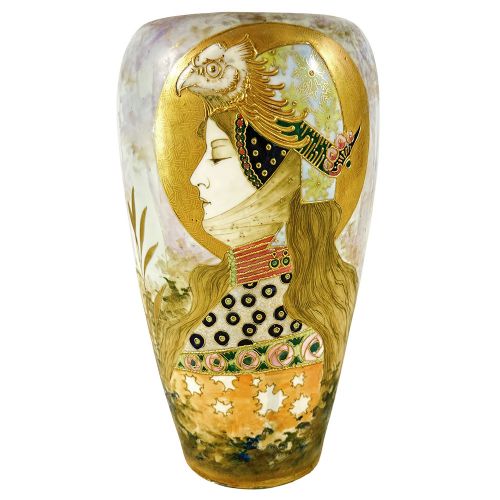
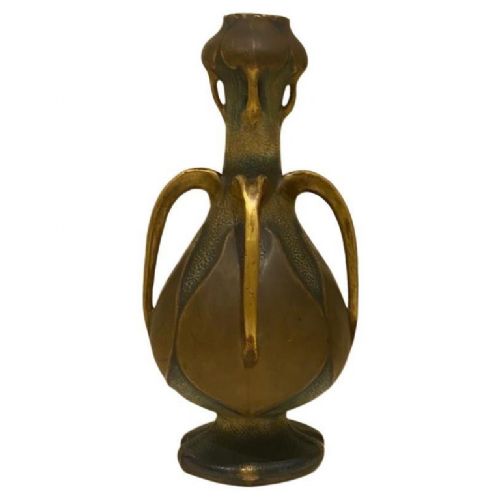
A bohemian ceramic vase is defined by its organic shapes, figurative elements and sculptural details spanning the late nineteenth and early twentieth centuries. Pieces range from monumental Art Nouveau pottery vessels to delicate porcelain cornucopias and spill vases.
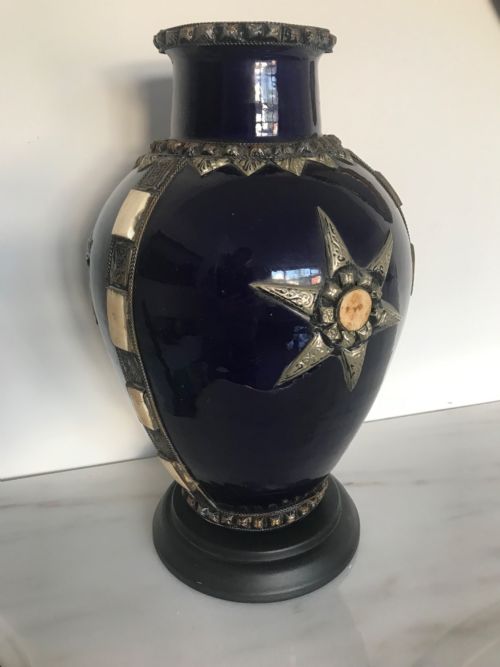
You are most likely to encounter earthenware and porcelain examples from the Edwardian era and 1900, often showcasing distinct Moroccan or Victorian influences. Makers embraced flowing botanical motifs, water nymphs and metallic mounts.
The category encompasses both decorative ewers and large centrepieces alongside classic vases. Each item displays the characteristic aesthetic ambitions of central European ceramics from the period.
Materials and construction methods
Potters shaped these vessels using earthenware, terracotta and porcelain bodies before applying complex glazes. Many surfaces received hand-painted details combined with gold leaf, gilt highlights or applied silver cabochons.
Kiln techniques allowed workshops to achieve the iridescent surfaces and flowing colour gradients central to the style. Figurative components and mounts were cast separately and integrated into the final ceramic structure.
Water nymphs and woodland figures frequently emerge from the pottery shell, keeping watch over your mantelpiece.
Distinctions in quality
Quality rests in the precision of the modelling and the depth of the glaze work. Finer pieces display crisp botanical details, secure metal mounts and sophisticated hand-painting rather than flat colour application.
Monumental scale and complex figural integration elevate specific examples. The distinction lies in how successfully the potter combined sculptural form with decorative surface treatment.
Nicholas Kannhauser·Reissner Stellmacher and Kessel·Ernst Wahliss·Bernhard Bloch·Royal Dux Bohemia·Alexandra Porcelain Works·Paul Dachsel
The Bohemian Ceramic Vase Glossary
- Earthenware
- A porous pottery body fired at lower temperatures, requiring glaze to hold water. It forms the foundation for many moulded nineteenth-century pieces.
- Terracotta
- Unglazed or glazed fired red clay used for sculptural vessels. It provides a warm, textured base for applied metal or decorative mounts.
- Porcelain
- A dense, vitreous ceramic fired at high heat, offering a smooth white surface. It allows for delicate hand-painted and gilded decoration.
- Spill vase
- A small vessel designed to hold thin wooden spills used for lighting fires or pipes. These functional items often received ornate sculptural treatment.
- Gilt
- Gold leaf or gold-coloured paint applied to ceramic surfaces. It highlights raised moulded details and provides metallic contrast against the glaze.
Bohemian Ceramic Vase: Frequently Asked Questions
How do I date a bohemian ceramic vase?
Dating relies on stylistic markers such as flowing Art Nouveau motifs, specific maker marks, and the choice between earthenware and porcelain bodies. Periods span the late nineteenth century through the early twentieth century.
Examining the glazing technique and any metallic mounts helps narrow the decade of production. Comparative study of known workshop outputs provides further chronological clarity.
Are these vases waterproof?
Many glazed ceramic and porcelain examples hold water safely for floral displays. Terracotta or earthenware pieces with complex mounts require caution.
Using a discreet inner vessel protects fragile antique interiors from moisture damage over time.
Where should I display a large centrepiece?
Substantial vessels and centrepieces suit prominent tabletops or sturdy sideboards where their sculptural contours remain visible from multiple angles. Adequate clearance allows the figurative details to stand out.
Keep pieces away from heavy foot traffic to protect delicate handles, mounts and protruding ceramic elements.