





Antique Double Dome
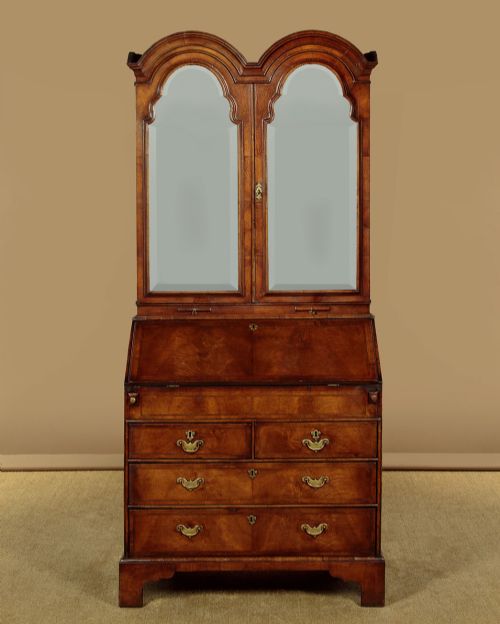
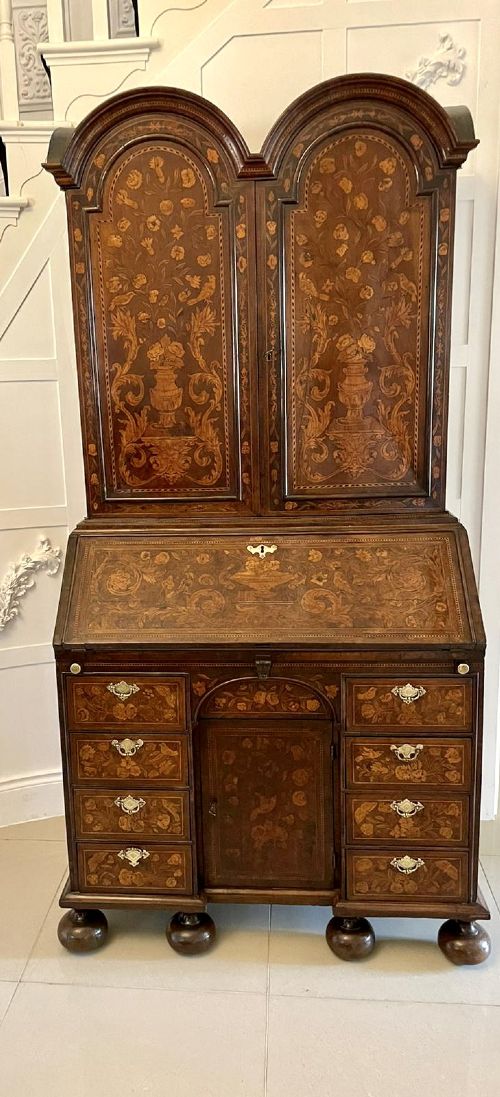
Antique double dome pieces are grand bureau bookcases built to house libraries and correspondence, offering sweeping arched top profiles that command a room.
Antique Double Dome
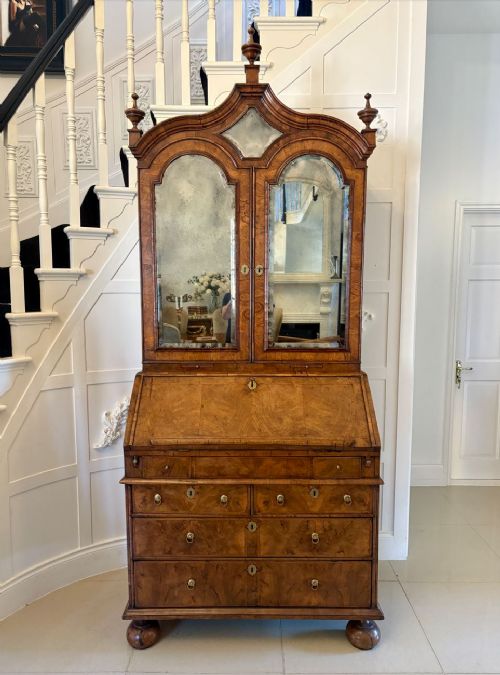
An antique double dome most commonly refers to bureau bookcases and cabinet forms originating from the seventeenth and eighteenth centuries, notably during the William and Mary, Queen Anne, and George I periods. These architectural furniture pieces combine a sloping fall-front desk workspace with upper shelving enclosed by twin arched doors.
The profile relies on the signature double domed or arched cornice, reflecting the influence of Dutch Baroque design on English cabinetmakers. While bureau bookcases dominate this search, the structural arched top also appears on select walnut bureau cabinets from the same eras.
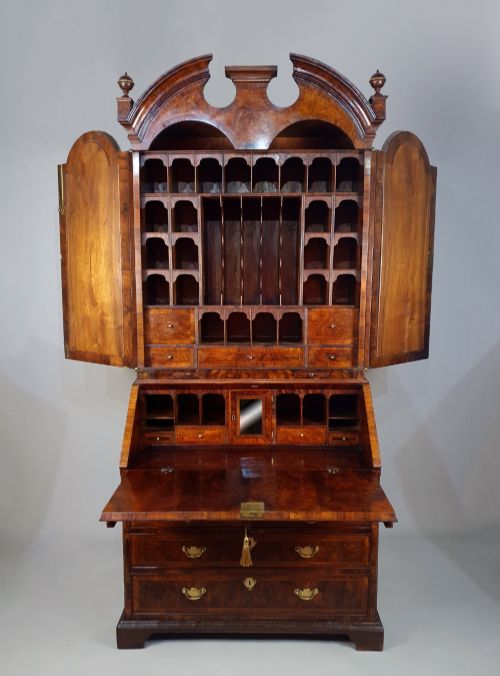
Makers constructed these substantial pieces in two main sections to facilitate movement within grand houses. The lower half provides drawer storage and a writing surface, while the upper bookcase displays treasured volumes behind panelled or glazed doors.
Materials and construction
Cabinetmakers built the carcase primarily of oak or pine, then veneered the exposed surfaces with figured walnut, burr walnut, or mahogany. Craftsmen enhanced these rich grain patterns with intricate fruitwood marquetry and delicate featherbanding around the drawer edges and door panels.
The arched hoods required advanced joinery to shape the timber curves of the double dome top. Brass hardware, including escutcheons, drop handles, and hinges, secured the functional compartments and added metallic contrast to the dark wood tones.
Antique Double Dome Retail Price Guide 2026
Typical asking prices for double dome among the pieces listed under this phrase on Sellingantiques today, from the lower quarter to the upper quarter. They describe what is for sale here now, not the wider market.
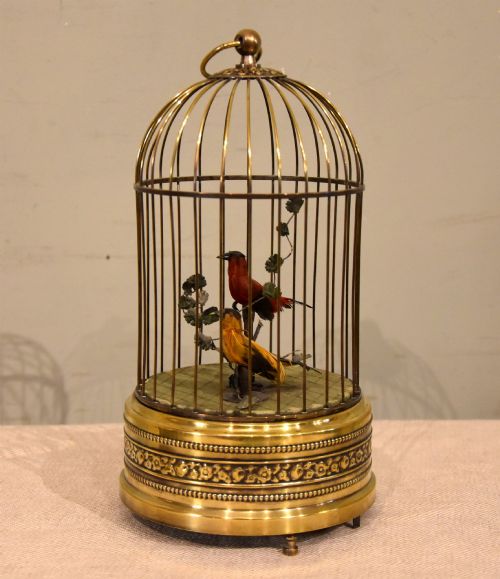
Among the towering walnut bookcases, a Victorian brass cage occasionally houses a pair of singing mechanical birds.
Assessing quality and craftsmanship
Quality rests heavily on the selection and matching of the burr walnut or marquetry veneers across the large expanses of the doors and fall-front. Superior examples exhibit harmonious grain patterns that mirror each other precisely across the central vertical axis.
The depth and execution of the interior fitments define the upper tier of craftsmanship, featuring well-planned pigeonholes, secret compartments, and sliding wells. The crispness of the mouldings around the double dome cornice further separates standard production from master cabinet work.
The Antique Double Dome Glossary
- Double dome
- A cabinet top featuring two parallel arched or domed crestings above the upper doors. This architectural feature became prominent in English furniture design around the turn of the eighteenth century.
- Burr walnut
- Timber sliced from the growth warts or burls of walnut trees, yielding highly ornamental swirling grain patterns. Cabinetmakers prized this veneer for high-status furniture fronts.
- Featherbanding
- A type of stringing used for inlay, formed by cutting veneers diagonally to create a herringbone pattern. It frames drawer fronts and panel borders on walnut furniture.
- Marquetry
- Elaborate patterns created by fitting together thin slices of various coloured woods and other materials onto a carcase. Dutch and English workshops utilised this technique for floral and geometric displays.
- Fall-front
- A hinged writing flap that drops down to form a horizontal desk surface. It conceals a fitted interior of small drawers and pigeonholes when closed.
Antique Double Dome: Frequently Asked Questions
What is an antique double dome?
An antique double dome is a tall storage furniture piece, typically a bureau bookcase, featuring two arched hoods side by side at the top. These large items served as status symbols and private writing cabinets in wealthy homes.
They combine a lower desk base with an upper shelved cabinet behind twin doors.
How do I date an antique double dome?
Dating relies on examining the timber species, construction methods, and secondary woods like oak or pine used in the carcases. Early eighteenth-century examples often feature walnut veneers and featherbanding, while later interpretations adopt mahogany.
Hardware styles and the complexity of the interior drawer layout also help establish the period of manufacture.
Where should I place a double dome bookcase?
These imposing pieces require a room with adequate ceiling height and wall space to accommodate their substantial proportions. Placing them away from direct sunlight and heat sources protects the delicate walnut veneers and marquetry from drying out.
They work well in studies, libraries, or spacious drawing rooms as focal points.
How do I maintain walnut veneer?
Maintain walnut veneer by keeping indoor humidity stable and applying a quality beeswax polish sparingly to nourish the wood. Avoid using modern aerosol sprays or placing the furniture near radiators.
Regular gentle dusting with a soft, dry cloth preserves the natural lustre of the antique finish.