


Antique Double Clothes Press
An antique double clothes press offers substantial storage through traditional craftsmanship, combining hanging space and deep internal trays for linen.
Antique Double Clothes Press
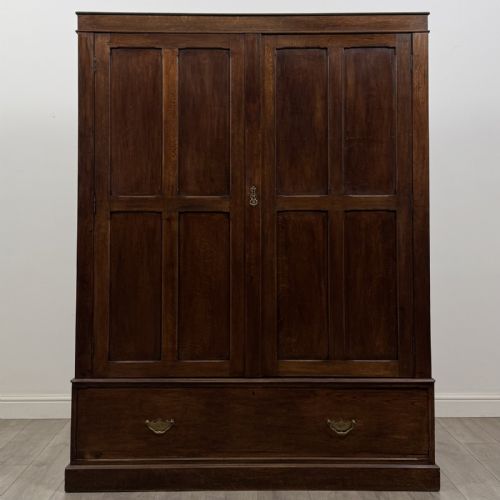
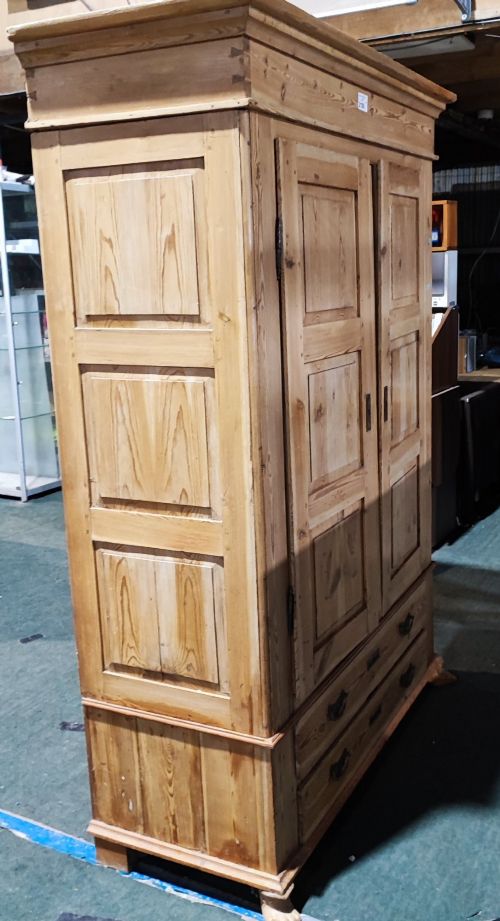
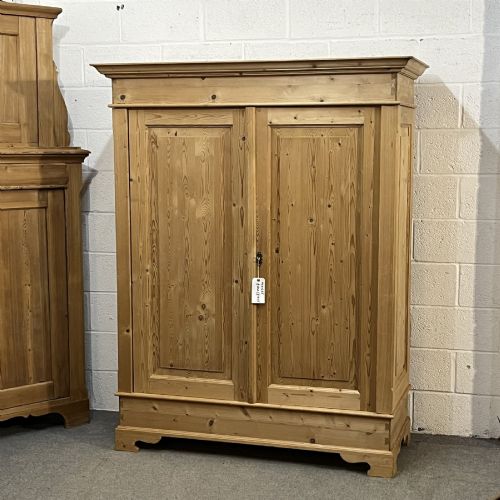
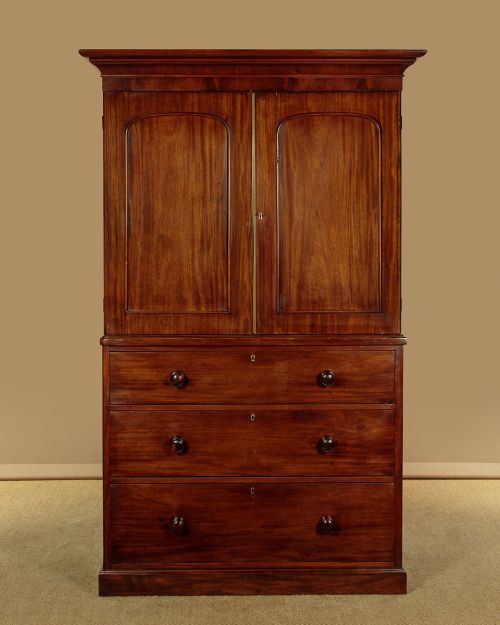
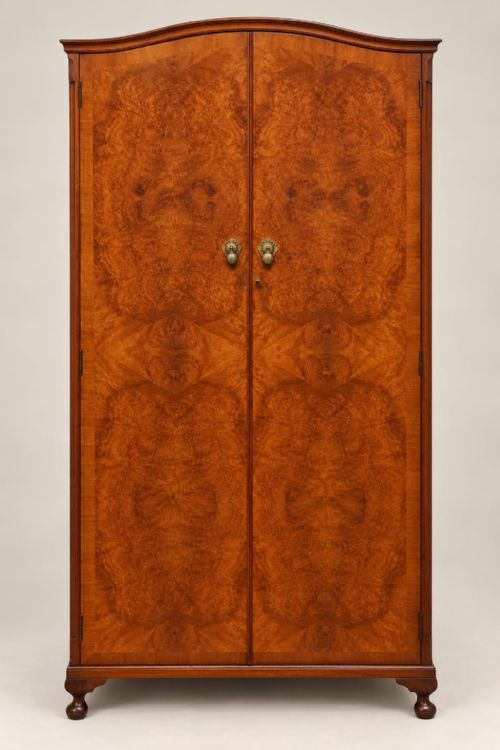
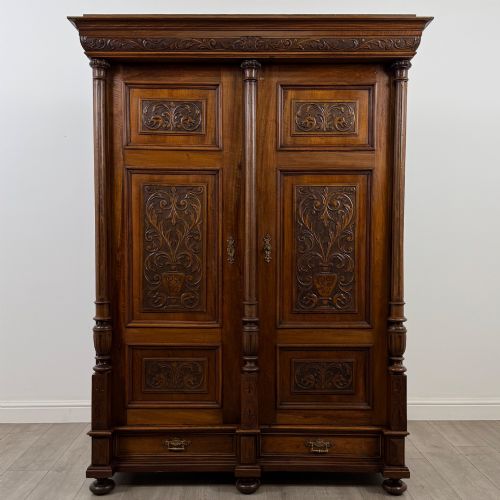
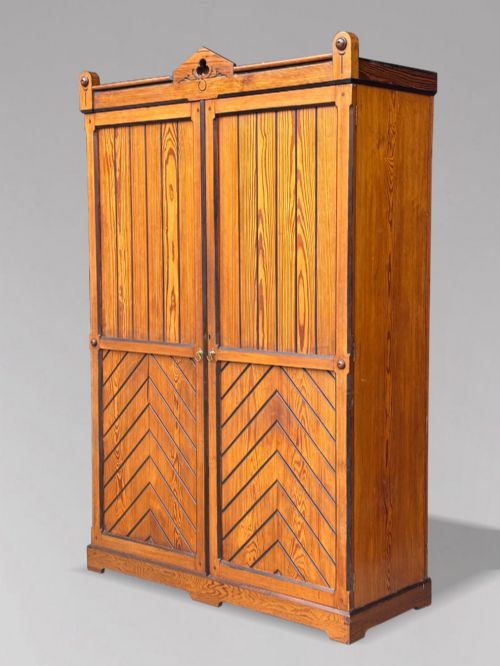
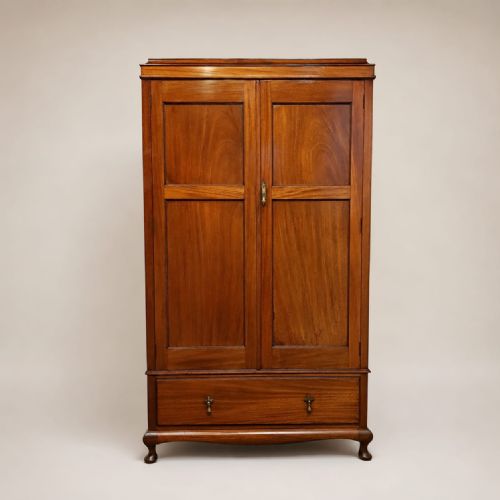
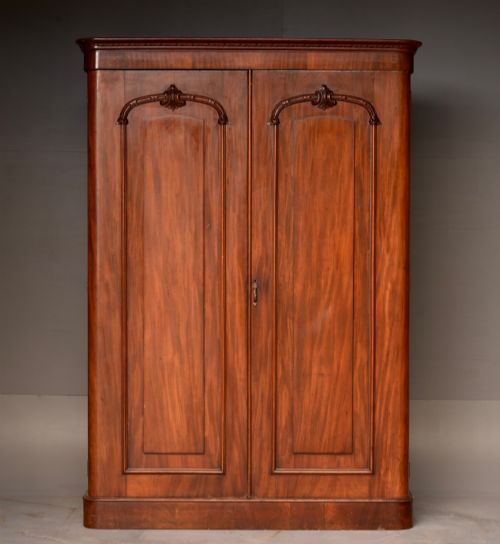
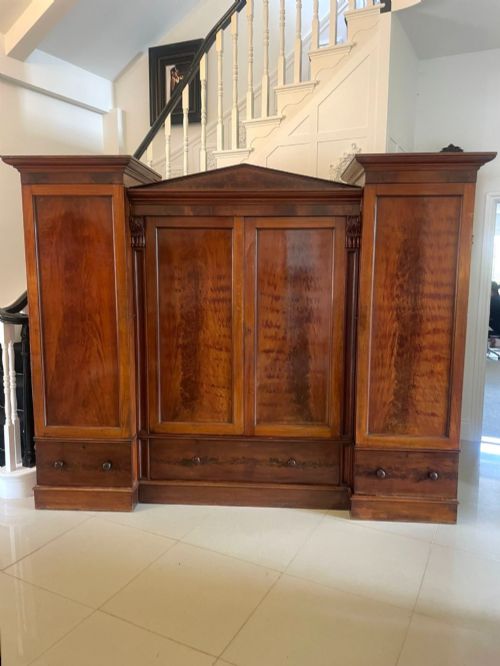
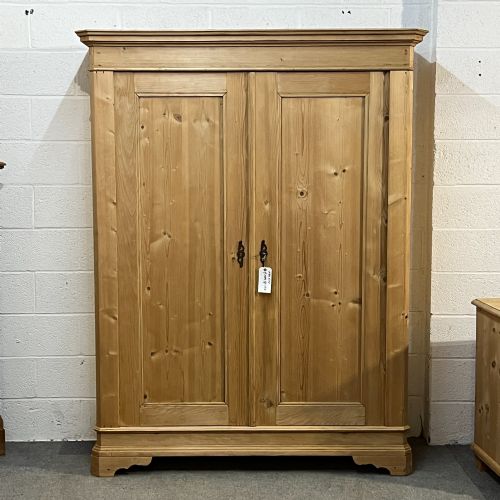
An antique double clothes press serves as a large storage cabinet designed to hold garments and household linens. Buyers searching this phrase typically encounter mahogany, pine, and oak examples spanning the Georgian, Victorian, and Edwardian periods.
The form frequently divides into an upper section with sliding trays or shelves and a lower chest of drawers. Many surviving pieces function primarily as double wardrobes, reflecting how domestic storage needs shifted over time.
Origins range from English country workshops to metropolitan cabinet makers, with regional variations evident in timber selection and decorative details. These pieces provide a commanding presence in a bedroom, combining functional compartments with period character.
Materials and construction methods
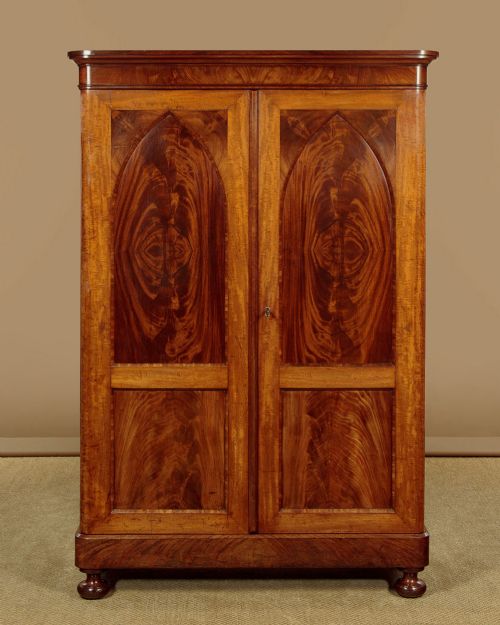
Cabinet makers relied heavily on solid hardwoods like mahogany and oak, frequently applying flame mahogany veneer to primary surfaces for visual depth. Secondary timbers such as pine provided internal framing and drawer construction.
Joinery methods included dovetailing for drawer construction and panel-in-frame assembly for doors and sides to accommodate seasonal timber movement. Surface decoration often involved brass hardware, marquetry inlay, or painted finishes.
Antique Double Clothes Press Retail Price Guide 2026
Typical asking prices for double clothes press among the pieces listed under this phrase on Sellingantiques today, from the lower quarter to the upper quarter. They describe what is for sale here now, not the wider market.
Some nineteenth century gentlemen's wardrobes still retain faint traces of pipe smoke and old polish deep inside their cedar-lined drawers.
Distinguishing quality in construction
The hierarchy of quality rests on timber selection and the precision of the joinery. Cabinets utilising figured veneers or dense mahogany timbers indicate a higher grade of manufacture than those built from utility softwood.
Proportion and architectural detail separate standard utility items from superior commissions. Well-executed cockbeading around drawers, crisp carving, and original brass fittings demonstrate workshop skill.
Maples and Co·Harris Lebus·S and H Jewell
The Antique Double Clothes Press Glossary
- Compactum
- A multi-functional wardrobe combining hanging space, drawers, and shelving within a single footprint. This form maximised storage efficiency in smaller rooms.
- Linen press
- A tall cupboard traditionally housing sliding trays for folded textiles before hanging garments became standard. Lower drawer sections typically provided additional storage.
- Knockdown
- Furniture constructed to be dismantled into sections for transport and installation. This clever engineering allowed large cabinets to move up tight stairwells.
- Scumble
- A decorative paint technique applied to imitate more expensive timber grains such as oak. Craftsmen utilised this method on simpler pine carcasses during the nineteenth century.
Antique Double Clothes Press: Frequently Asked Questions
How do I dismantle an antique press?
Many large nineteenth century examples utilise internal bolts or pegged joints designed to separate the cornice, base, and sides. Removing the doors and internal trays first reduces weight and grants access to the primary structural fixings.
Keeping track of original wooden pins and labelling individual panels ensures the cabinet reassembles correctly in a new location without damaging the historical joinery.
What is the difference between a press and a wardrobe?
A traditional press incorporates internal sliding trays behind its upper doors for storing folded linens rather than hanging clothes. Wardrobes are dedicated primarily to full-length hanging space for garments.
Over time, many presses were converted internally by removing trays to install modern hanging rails, altering their original domestic function.
How do I care for mahogany veneer?
Maintain mahogany surfaces by applying natural beeswax sparingly and buffing with a soft cloth to preserve the timber lustre. Avoid placing antique furniture near direct heat sources or strong sunlight, which causes timber to dry and veneers to lift.
Promptly wipe away moisture using a dry cloth to protect the historic polish and underlying timber grain from water rings.
Can these large cabinets fit in modern rooms?
Antique double presses and wardrobes offer substantial internal volume, requiring careful measurement of ceiling height and floor space before placement. Knockdown versions simplify transport through tight hallways and stairwells.
Internal depth can sometimes present challenges for modern hangers, though many period pieces accommodate angled rails or shallower storage solutions.