
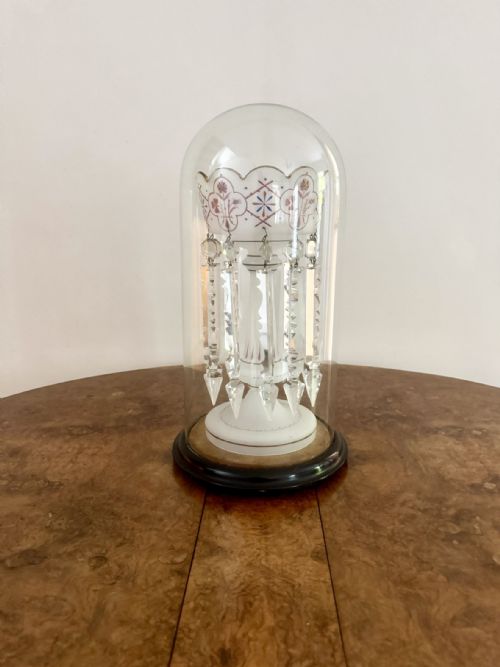
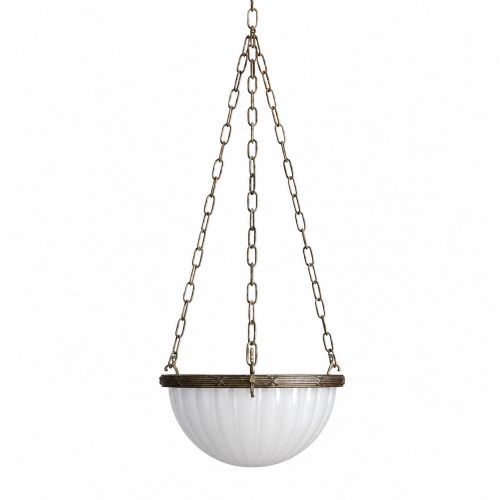


Antique Dome Light
An antique dome light brings focused illumination and period character to a room, using moulded glass and metal to shape the glow.
Antique Dome Light
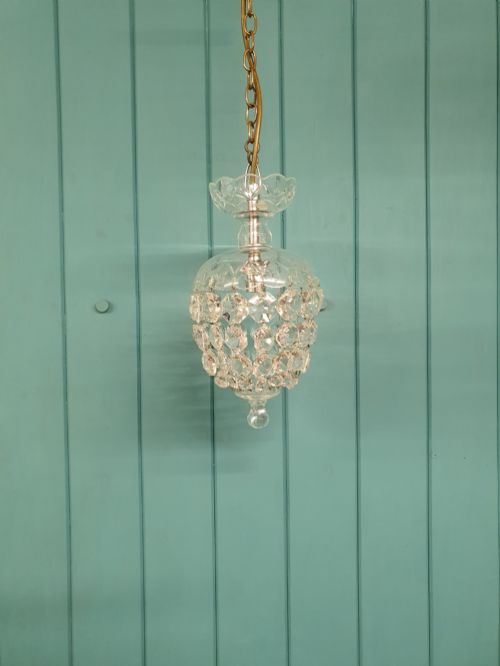
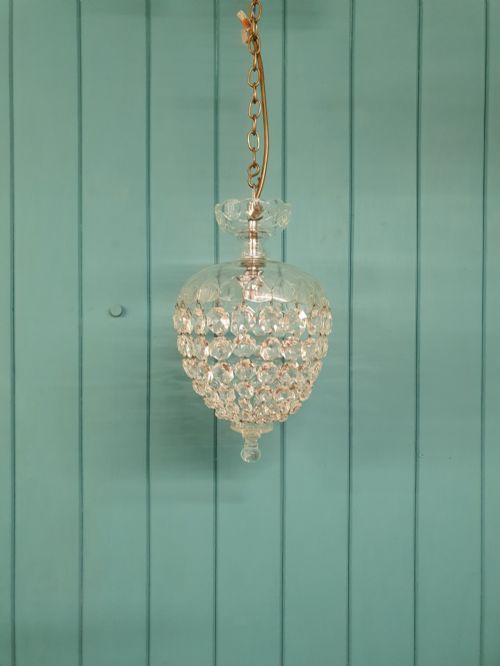
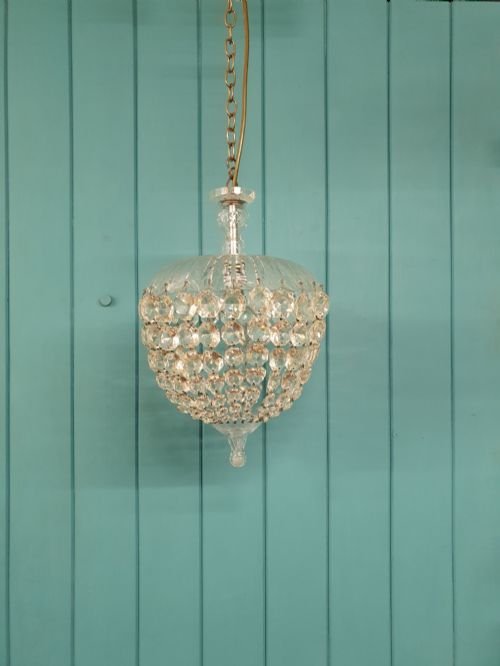
When you search for an antique dome light, you encounter a selection of hanging fixtures, ceiling lights, and chandeliers featuring rounded glass or crystal shades. These objects originate from periods including the Victorian era, the Edwardian years, and the Art Deco movement.
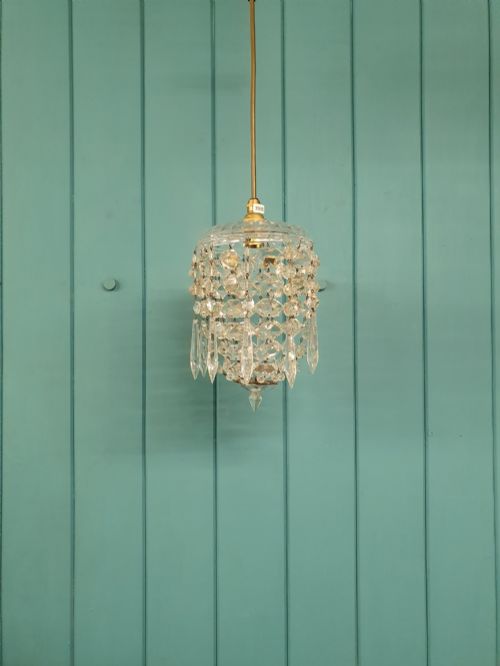
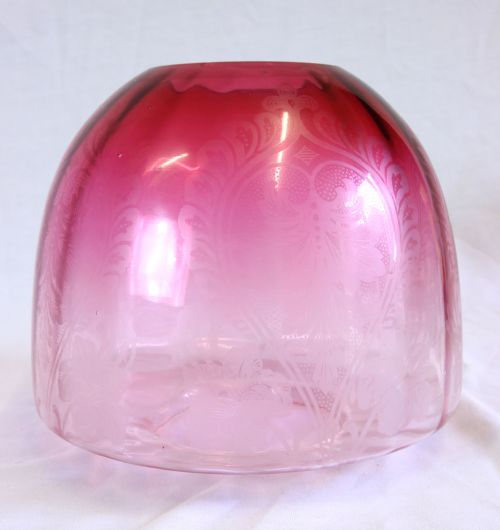
The selections on this page span several forms, from early twentieth-century dome top chandeliers in various diameters to etched crystal ceiling pendants. Materials range from brass and bronze to opaline and cranberry glass.
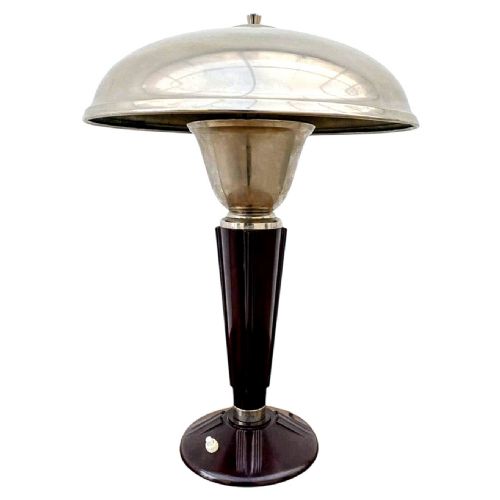
Stylistic influences vary widely across the inventory, touching upon Neoclassical Revival, Arts and Crafts, and Jugendstil designs. Table lamps and desk lamps also appear alongside hanging fixtures, sharing the characteristic rounded profile.
Materials and construction methods
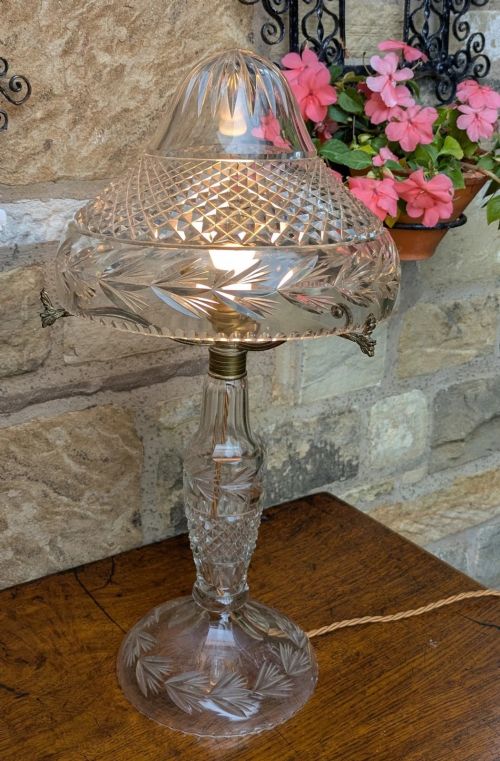
Glass production forms the foundation of these pieces, utilising cut crystal, moulded opaline, and etched glass to create diffusing shades and domes. Artisans shaped these glass elements to fit metal mounts and frames.
Metalwork provides the structural support, relying on cast bronze, spun brass, copper, and iron. These metals are shaped into decorative collars, Corinthian columns, and lantern frames to hold the glass securely.
A cast iron cloche sits among the glass domes, proving that sometimes a garden bell gets mistaken for a light.
Distinctions in quality
Quality rests upon the depth and precision of the glass cutting or the crispness of the cast metal mountings. Heavier gauge brass and thicker crystal exhibit superior substance and finish.
The integration between the metal hardware and the glass dome indicates the level of original craftsmanship. Finer examples display meticulous attention to proportion and secure, balanced fitting.
Eileen Grey·Stuart Crystal·Dr Christopher Dresser
The Antique Dome Light Glossary
- Dome top chandelier
- A ceiling-hung lighting fixture featuring a rounded glass top that diffuses downward illumination. These fixtures appear frequently in Edwardian formats.
- Opaline glass
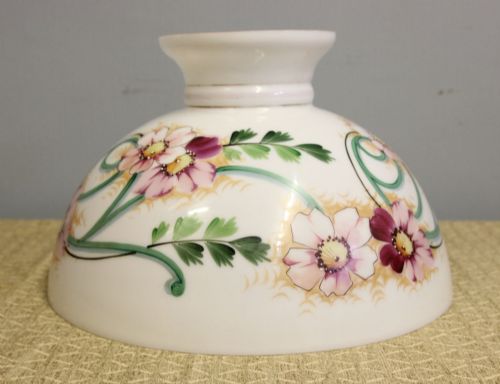
- A pale, translucent milk glass often tinted in soft shades and used for oil lamp shades and diffusing covers. It softens the light source effectively.
- Cut crystal
- Glass with a high lead content that has been cut with wheel-ground facets to refract light. It adds brilliance to chandeliers and table lamps.
- Jugendstil
- The Continental European variant of Art Nouveau, characterised by flowing natural lines. This style influences several table lamps of the early twentieth century.
- Toleware
- Painted or lacquered metalware used for lamp bases and shades. It provides a durable, coloured surface finish.
Antique Dome Light: Frequently Asked Questions
What is an antique dome light?
An antique dome light is a historic lighting fixture or lamp featuring a rounded glass or crystal shade. These pieces date from the Victorian, Edwardian, and Art Deco periods.
They are designed to diffuse light evenly while serving as decorative architectural elements in a room.
How do I identify an Edwardian dome light?
Edwardian dome lights typically feature early twentieth-century proportions with clear or cut glass domes measuring specific diameters such as six, eight, or ten inches. They often incorporate simple brass or metal suspension hardware.
Comparing the mounting style and glass thickness helps distinguish them from later reproductions.
Where were these lights used?
These fixtures were originally installed in hallways, parlours, and dining rooms to provide ambient or task illumination. Ceiling lights and chandeliers hung centrally, while smaller variants served on desks and tables.
Today, they integrate into domestic spaces as functional overhead lighting or decorative accent pieces.
Are these lights wired for modern use?
Many antique lighting pieces have been adapted over time with modern wiring to meet current electrical standards. Buyers should inspect the internal fittings to confirm suitability for installation.
Professional rewiring is often recommended when integrating historic fixtures into a modern home.