


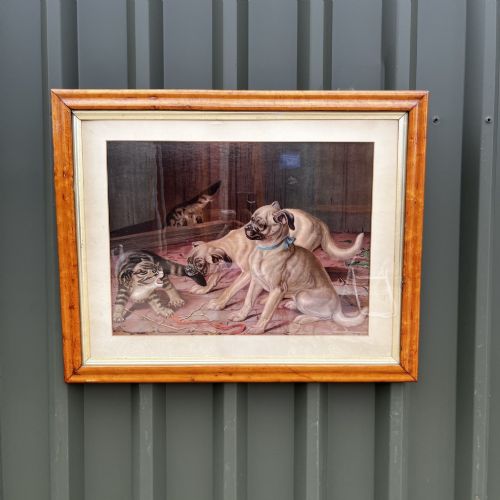

Antique Dog Wall Art
These pieces of antique dog wall art capture canine character across centuries, offering a tangible connection to historical homes and sporting traditions through oils, prints, and textiles.
Antique Dog Wall Art
Antique dog wall art spans formal portraiture, sporting scenes, and domestic studies, bringing historical representations of canines into modern interiors. Buyers searching this phrase encounter a rich mix of mediums that reflect changing artistic tastes from earlier centuries.
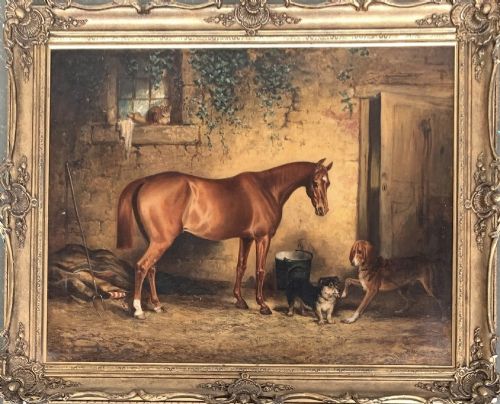
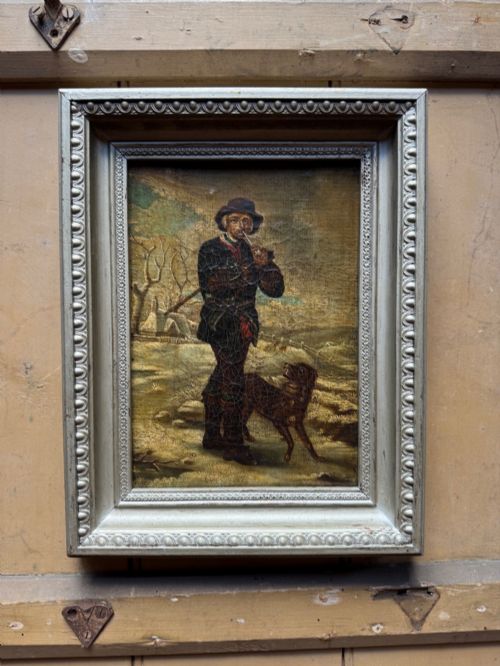
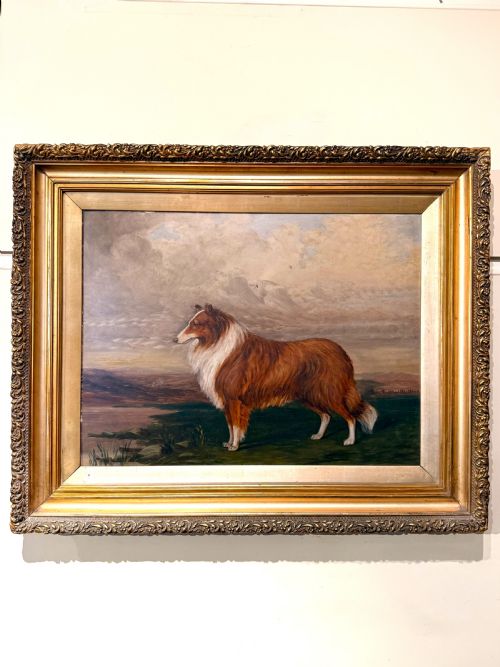
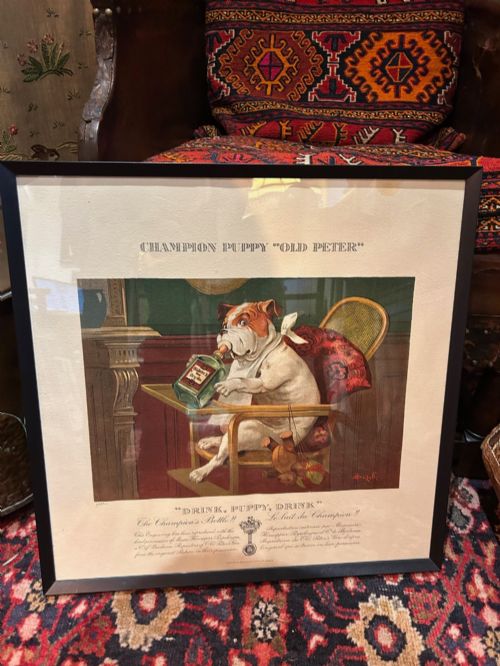
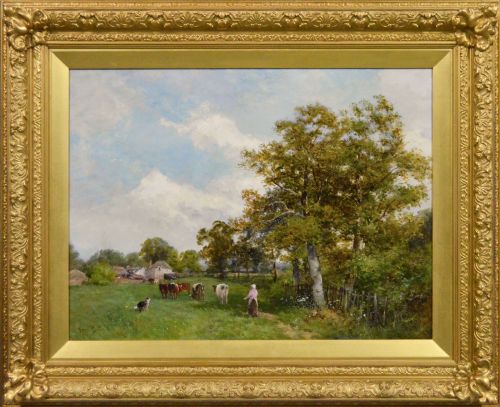
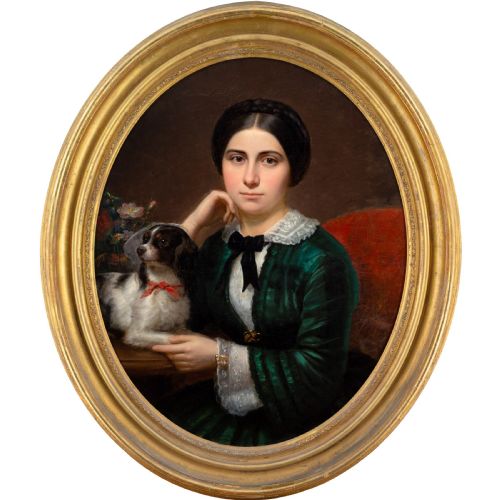
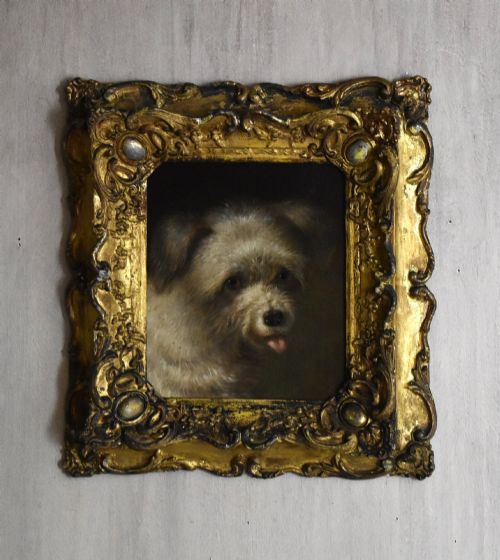
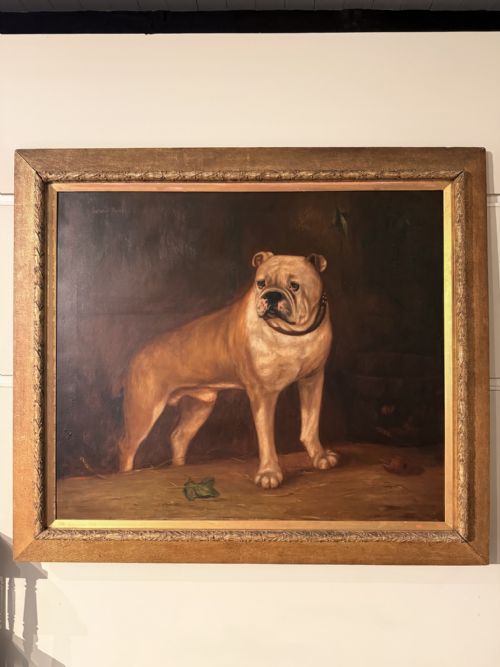
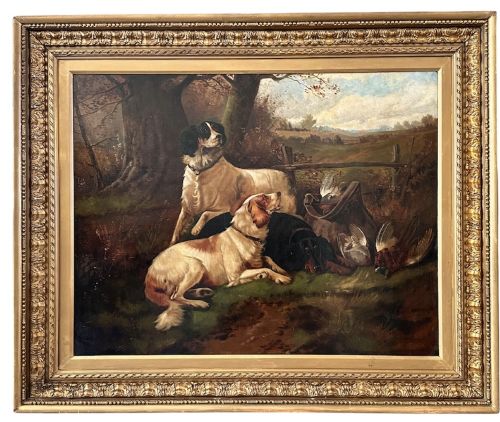
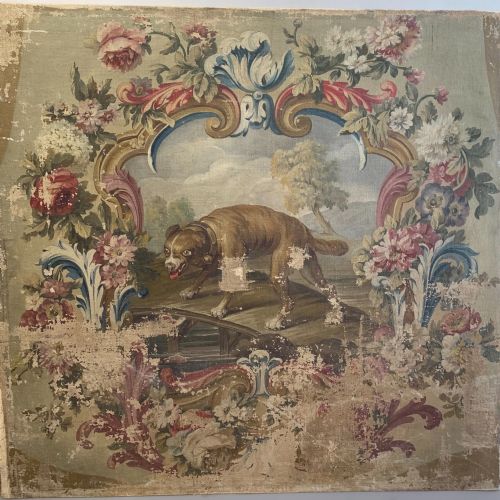
The selection on this page relies heavily on oil paintings, ranging from intimate depictions of individual pets to larger canvases featuring hunting hounds and sporting dogs. Framed prints, etchings, and textile works also appear, showing how households decorated their walls with canine subjects in the nineteenth and early twentieth centuries.
Materials and construction methods
Canvas and wood panels serve as the primary supports for oil paintings, with artists applying oil paint to build texture, depth, and realistic fur details. Frames often utilise gilt wood or burr maple, reflecting the framing fashions of the Victorian and Edwardian periods.
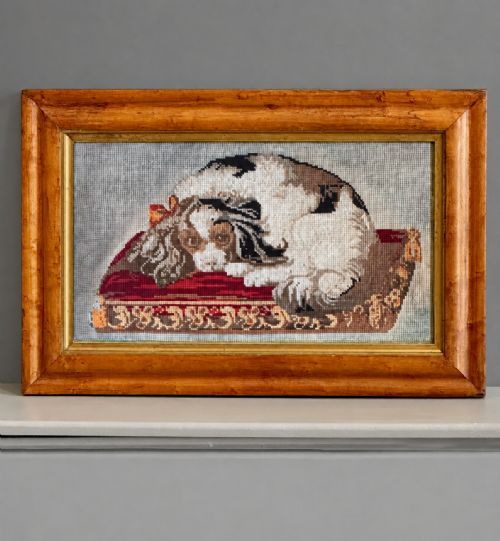
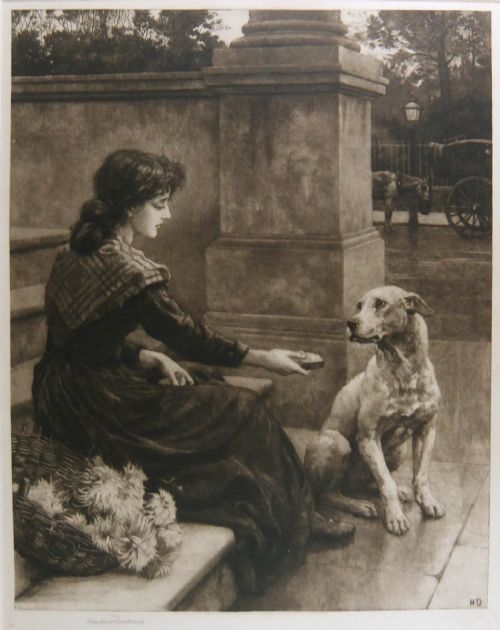
Graphic works utilise paper for prints, chromolithographs, and original etchings, capturing fine lines through intaglio processes. Textile pieces employ needlework techniques such as Berlin wool work, stitched carefully onto canvas grounds to create durable wall hangings.
Some canine sitters earned immortality simply by stealing food from picnic baskets.
Distinctions in quality
Quality rests upon the artist's ability to render anatomical accuracy and distinct personality, moving beyond a generic animal shape to capture a specific expression and posture. Hand-painted oils by named Victorian or sporting artists demonstrate superior brushwork and compositional balance compared to mass-produced decorative copies.
The integrity of the original framing significantly influences the overall character of a piece, with period burr maple or carved giltwood frames adding authenticity. The preservation of the canvas, paper support, or textile fibres without excessive restoration determines the enduring value of the artwork.
Henry Barraud·David Bates·Martin Theodore Ward·John Sargent Noble·Herbert Dicksee·Horatio Henry Couldrey·Augustin Edouart·Edwin Landseer·Valentine Thomas Garland·Fannie Moody
The Antique Dog Wall Art Glossary
- Berlin work
- A popular form of mid-nineteenth-century needlework using wool on canvas, typically following a charted grid to produce colourful animal and figure designs. This technique allowed Victorian makers to achieve remarkable tonal gradation in decorative wall pieces.
- Chromolithography
- A planographic colour printing method that builds up multiple stone-printed layers to replicate the rich hues of original paintings. Publishers used this technique to distribute popular animal imagery widely.
- Etching
- A printmaking process where an artist uses acid to cut lines into a metal plate, which is then inked and pressed onto paper. This method delivers exceptional detail, particularly visible in the fine hair textures of canine portraiture.
- Sporting art
- A genre of painting and illustration dedicated to horses, dogs, hunting, and rural pursuits. These works emphasise the functional roles of animals alongside their human companions.
Antique Dog Wall Art: Frequently Asked Questions
How do I date an old dog painting?
Dating relies heavily on stretcher construction, canvas types, and the framing style characteristic of specific decades. Costume details and artistic signatures also provide reliable clues to the period of creation.
Comparing the brushwork and subject matter to documented works from the nineteenth or early twentieth centuries helps narrow down the exact decade of origin.
Are antique dog paintings valuable?
Value depends on the reputation of the artist, the condition of the canvas, and the overall aesthetic appeal of the canine subject. Works by listed academic or sporting artists generally attract stronger interest from collectors.
Decorative anonymous pieces remain accessible for buyers seeking historical charm rather than investment-grade attribution.
How should I hang canvas art safely?
Ensure the wall is structurally sound and use sturdy picture wire secured directly to the original wooden stretcher frame rather than the frame alone. Avoid hanging oil paintings in direct sunlight or damp environments to protect the canvas and pigments.
Maintaining stable room temperatures prevents the wood and canvas from expanding and contracting excessively.
What is the difference between an etching and a print?
An etching is a specific type of print created by biting lines into a metal plate with acid, resulting in raised ink lines with a distinct tactile quality. Other prints on this page include chromolithographs and mass-produced Victorian reproductions.
Original etchings signed by artists like Herbert Dicksee represent fine art printmaking rather than commercial reproduction.