


Cream Paper Wall Artwork
Cream paper wall artwork brings together historic watercolours, engravings, and lithographs on toned paper.
Cream Paper Wall Artwork
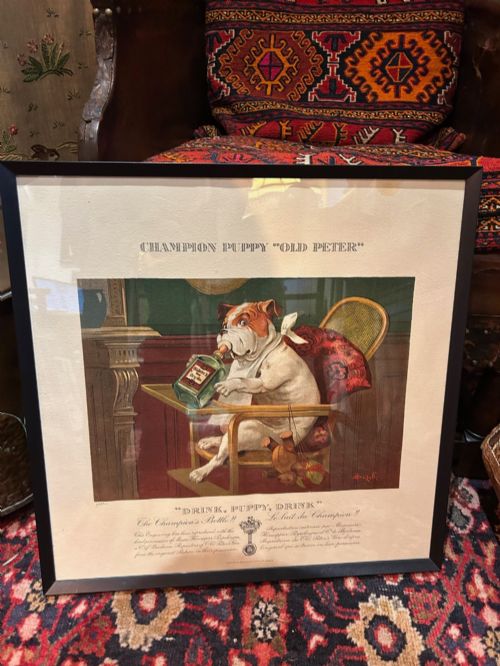
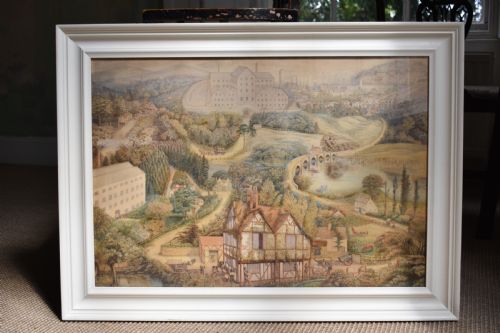
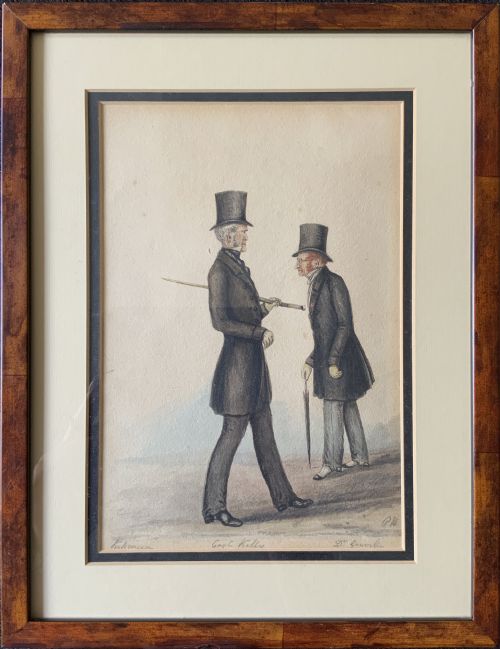
Cream paper wall artwork encompasses antique watercolours, ink drawings, and framed prints set against aged or naturally warm paper grounds. Buyers searching this phrase encounter nineteenth-century landscape watercolours, eighteenth-century architectural engravings, and twentieth-century illustrative prints.
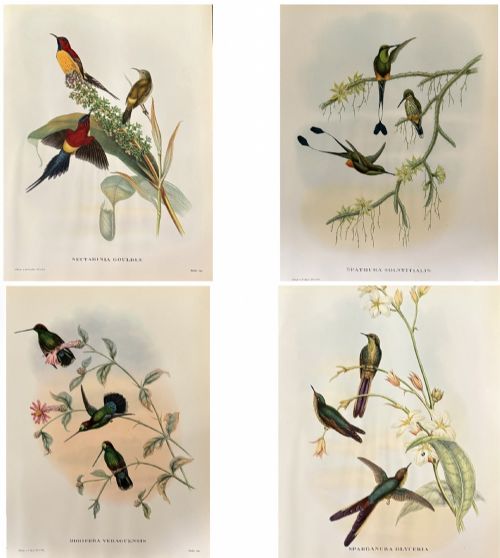
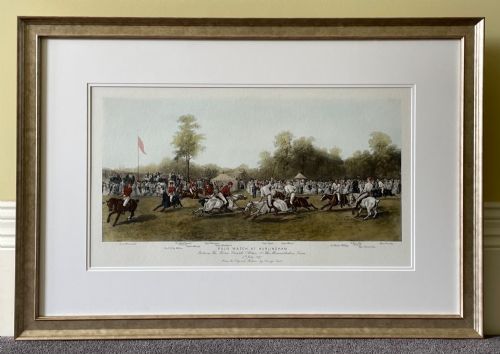
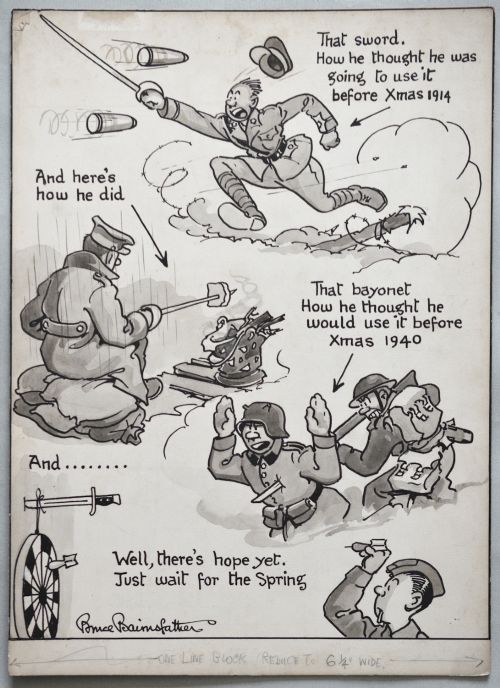
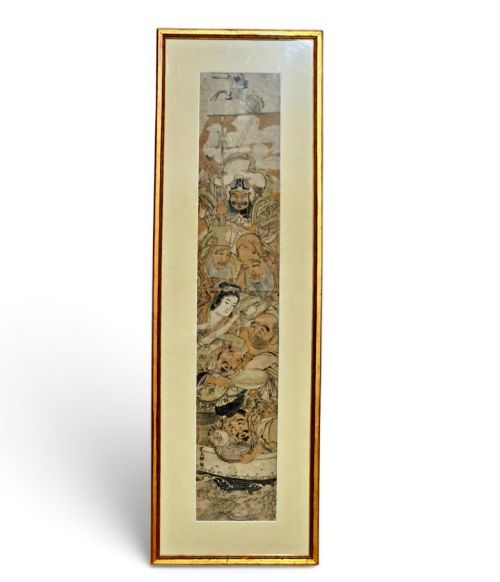
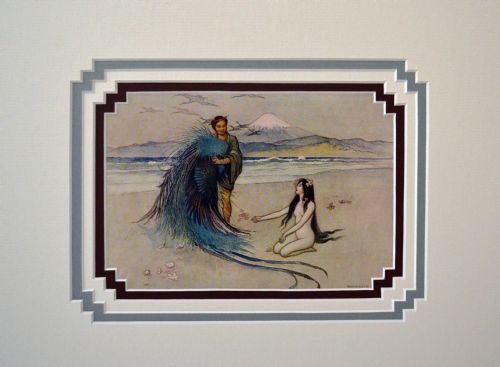
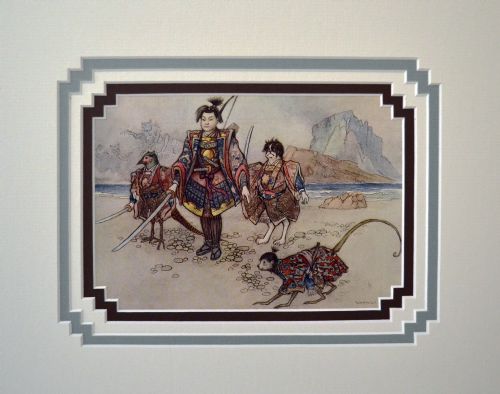
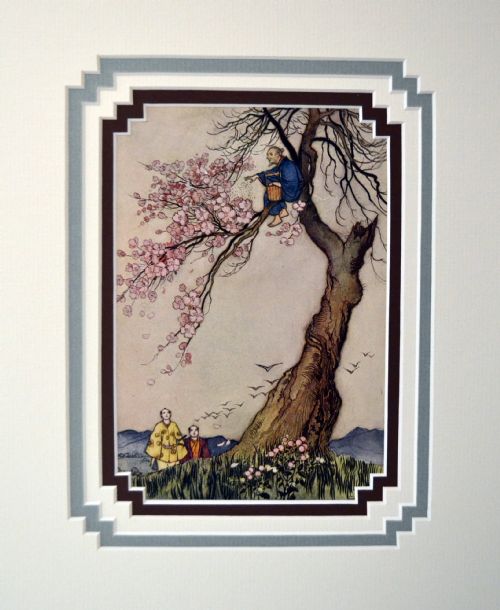
The selection ranges from botanical studies and sporting prints to Japanese woodblock scenes and satirical illustrations. Pieces frequently arrive mounted behind glass within wooden frames, preserving the delicate paper surfaces from atmospheric moisture and handling.
Dating spans from the eighteenth century through to the mid-twentieth century, capturing shifts in graphic techniques from hand-coloured copperplate engravings to early sports posters and artist proof mezzotints.
Materials and Techniques
Makers utilised high-grade rag paper derived from linen and cotton fibres, which naturally ages to warm cream and ivory tones over centuries. Artists applied watercolour pigments, inks, and washes directly onto this absorbent matrix.
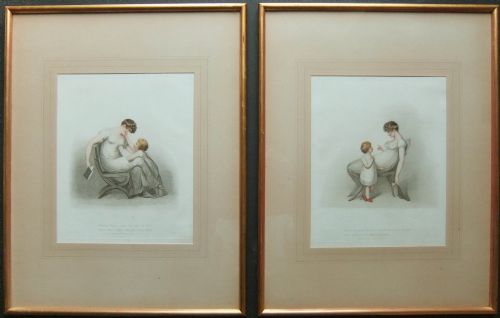
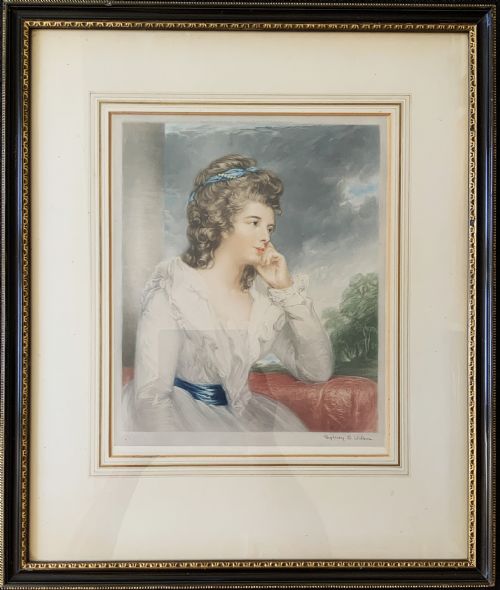
Printmakers employed copper and steel plates for detailed engravings and etchings, frequently adding hand-colouring with watercolour pigments after the initial impression. Lithography and stipple engraving techniques also appear across the nineteenth and twentieth-century selections.
Framing typically involves timber mouldings paired with glass protection, whilst certain nineteenth-century sheets retain their original mount boards and ink-lined borders.
Listings feature works spanning the eighteenth to mid-twentieth centuries, executed in watercolour, ink, and various engraving techniques.
Quality Variations
Quality rests upon the precision of the draughtsmanship and the clarity of the ink or pigment impression. Fine hand-coloured engravings display crisp platemarks and meticulous brushwork without muddying the cream paper ground.
The condition of the paper itself dictates value, where uniform toning and minimal foxing preserve the visual balance of the composition. Strong provenance, legible artist signatures, and contemporary framing enhance the standing of individual pieces.
Bruce Bairnsfather·Katsukawa Shunshō·Adam Buck·Sydney Wilson·Warwick Goble·Louis Wain·William Frederick Settle·Anne Goldthwaite·Helena Maguire·Edith Barrow·Stanley Orchart·Dame Laura Knight·John Curtis·William Bunbury·Albert Terry·Paul-Louis Barruel·Thomas Worth·James Basire·George Marks
The Cream Paper Wall Artwork Glossary
- Platemark
- The indentation left in the paper by the edge of a metal printing plate during the press process. This feature confirms the authenticity of traditional intaglio prints and engravings.
- Artist Proof
- An impression printed for the artist's own use, separate from the numbered edition. These carry particular appeal for collectors due to their early state and sharp detail.
- Mezzotint
- A tonal printmaking method where the copper plate is roughened to produce rich dark areas and subtle gradations. It creates velvety textures well suited to portraiture.
- Wash
- A thin, transparent layer of diluted watercolour or ink applied with a brush to create uniform areas of tone. Masters used washes to establish shadow and depth in drawings.
- Stipple Engraving
- A technique using dots rather than lines to form the image, often combined with hand-colouring. It yields soft, lifelike flesh tones and gentle contours.
Cream Paper Wall Artwork: Frequently Asked Questions
Can I reframe these historical pieces?
Reframing is acceptable when old mounts become acidic or damaged, provided archival, acid-free materials are used. Retaining the original backing boards and any contemporary inscriptions preserves historical context.
Consult a specialist framer to ensure the artwork maintains proper clearance from the glass. This prevents condensation from adhering the delicate paper directly to the glazing.
How do I identify a hand-coloured engraving?
Close examination under magnification reveals subtle brush strokes and variations in pigment density across the coloured areas. Printed ink lines remain sharp and distinct beneath the translucent watercolour washes.
Mass-produced mechanical colouring lacks these painterly nuances and often shows dot patterns from later printing technologies. Genuine eighteenth and nineteenth-century examples display distinct platemarks around the printed image.
What causes paper to turn cream over time?
Lignin and impurities within early rag and wood-pulp papers oxidize naturally upon exposure to light and air. This chemical ageing process gradually warms white sheets into rich cream and ivory tones.
While modern collectors prize this vintage patina, excessive exposure to heat accelerates degradation. Stable indoor environments help halt further darkening while preserving the integrity of the ink.