




Antique Dog Collectible
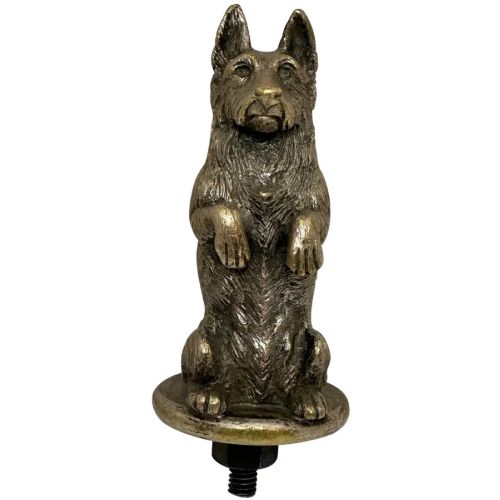
An antique dog collectible brings character to a room through bronze sculptures, silver pin cushions, and painted table lighters.
Antique Dog Collectible
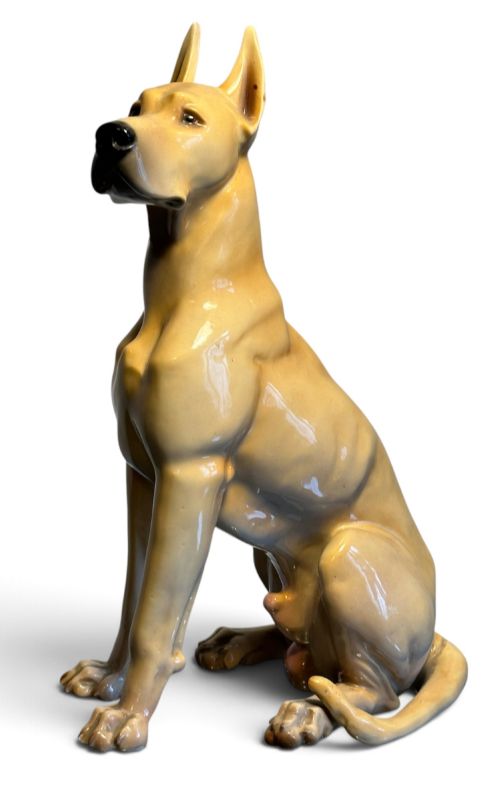
An antique dog collectible spans desk accessories, pocket items, and sculptural studies created across the eighteenth, nineteenth, and early twentieth centuries. These pieces record canine forms through materials ranging from cast bronze to fruitwood and porcelain.
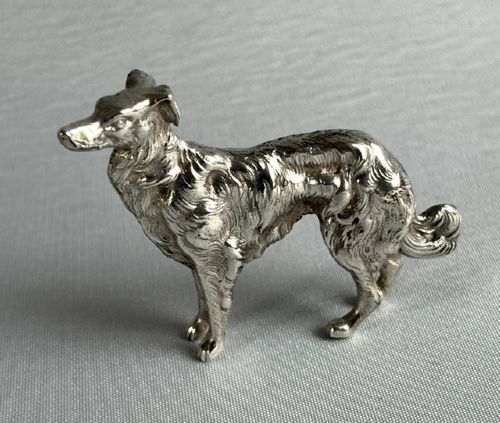
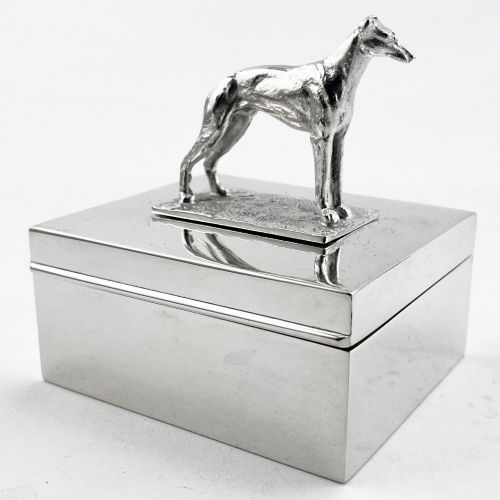
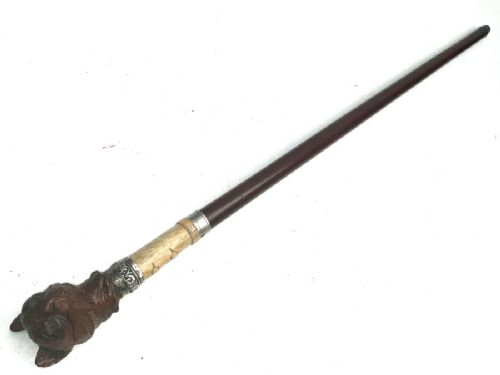
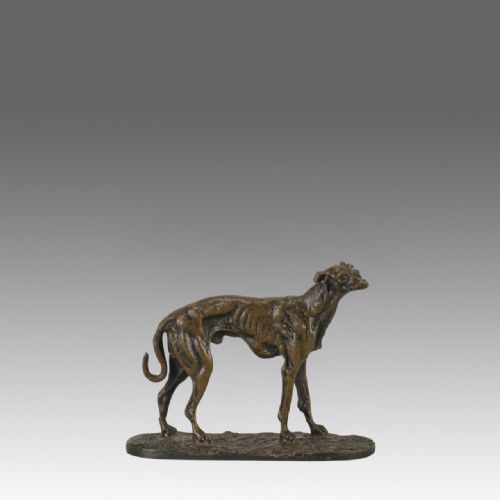
The versions most frequently met on this page include bronze animalier figures, silver novelty pin cushions shaped like pugs and bulldogs, and practical items such as table lighters and walking stick handles.
Originating largely from British and French workshops, these items served utilitarian or decorative roles in period interiors, reflecting contemporary tastes for realistic animal representations and whimsical novelty objects.
Materials and methods
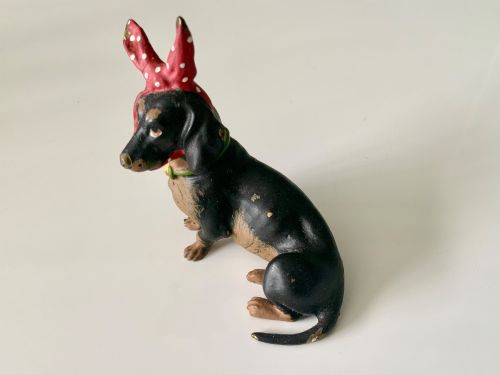
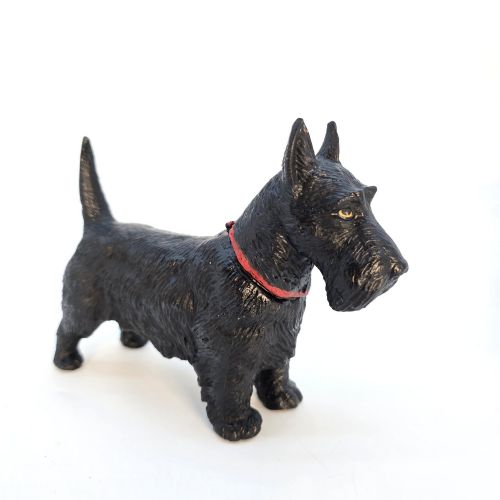
Bronze casting forms the backbone of the sculptural works, utilising the lost-wax technique to capture muscular detail in subjects like greyhounds and terriers. Cold-painted surfaces add colour and realism to these metal models.
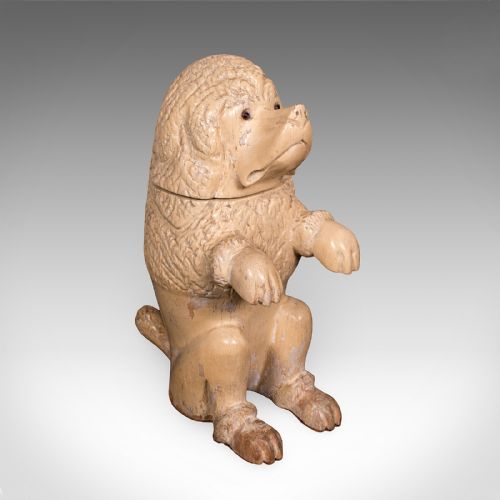
Silversmiths employed detailed stamping and hand-assembly to create novelty pin cushions, pairing precious metal bodies with fitted velvet pads. Woodworking and ceramic moulding produced figural tobacco jars and china figures.
Finishing work involved hand-painting, silver-gilt plating, and enamel application to small functional objects such as compacts and brooches.
Antique Dog Collectible Retail Price Guide 2026
Typical asking prices for dog collectible among the pieces listed under this phrase on Sellingantiques today, from the lower quarter to the upper quarter. They describe what is for sale here now, not the wider market.
Listings incorporate items spanning the eighteenth century through the Art Deco period, utilising bronze, silver, fruitwood, porcelain, and enamel.
Evaluating craftsmanship
The fidelity of the sculptural model distinguishes standard production from exceptional work, particularly in the rendering of bone structure and posture in animalier bronzes. Finer pieces demonstrate precise chasing and naturalistic surface textures rather than generic casting.
In silver and metalwork, the crispness of the original stamp and the preservation of hand-painted polychrome decoration dictate the distinction. Maker attribution and foundry marks also separate standard items from documented studio pieces.
Asprey·Dora Heber·P J Mêne·Edith Parsons·Joseph Francois Victor Chemin·Franze Bergman·AL Barye·Barbedienne·Houbigant
The Antique Dog Collectible Glossary
- Animalier
- A nineteenth-century artistic movement focused on the realistic depiction of animals, particularly in bronze sculpture. Practitioners studied anatomy closely to capture movement and tension.
- Cold painted
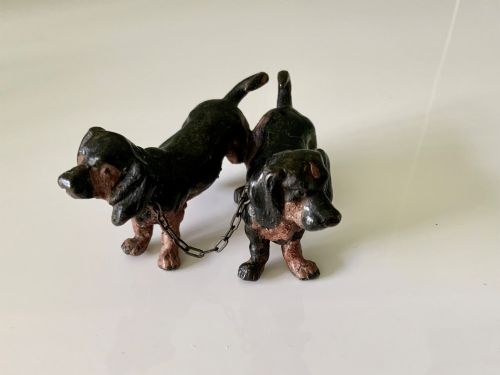
- A method of applying non-fired paint to bronze sculptures, popular in Vienna workshops during the late nineteenth and early twentieth centuries. The pigment sits on the metal surface rather than fusing through heat.
- Novelty silver
- Functional items such as pin cushions, vesta cases, and tablewares shaped as animals or everyday objects. These pieces combined practical utility with playful design.
- Treen
- Small handmade wooden household objects and decorative items turned or carved from fruitwood and other timbers. The term derives from the archaic word for tree.
Antique Dog Collectible: Frequently Asked Questions
How do I care for antique bronze dog sculptures?
Bronze requires minimal intervention beyond occasional dusting with a soft, dry brush to prevent particulate accumulation.
Avoid using abrasive cleaners or liquid polishes, which strip the patination built up over decades of handling.
Were silver dog pin cushions used daily?
Edwardian households utilised these small silver figures primarily on dressing tables and sewing desks for pins and needles.
Their dual role as decorative ornaments ensured they remained prominent in domestic spaces long after sewing habits changed.
What defines an animalier bronze figure?
Animalier bronzes focus strictly on accurate anatomical study, portraying subjects like greyhounds and terriers in natural or alert postures.
French and Austrian foundries popularised this movement through the mid-nineteenth and early twentieth centuries.
How can I identify a cold-painted bronze?
Cold-painted pieces feature matte oil or enamel pigments applied directly onto the metal surface without kiln firing.
Examining areas of wear often reveals the metallic bronze underneath where handling has thinned the paint layer.