
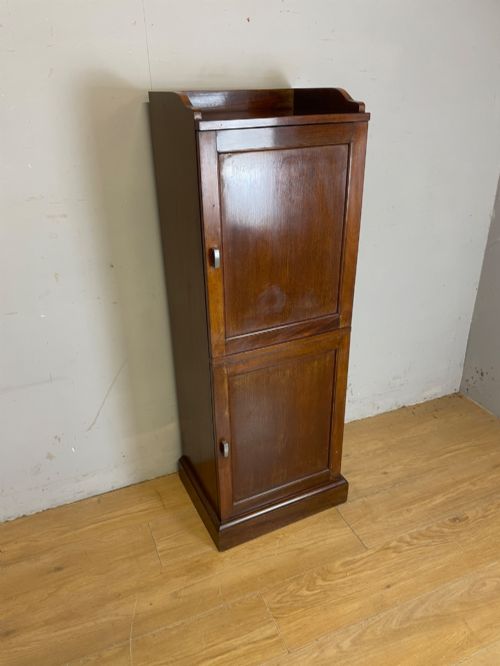
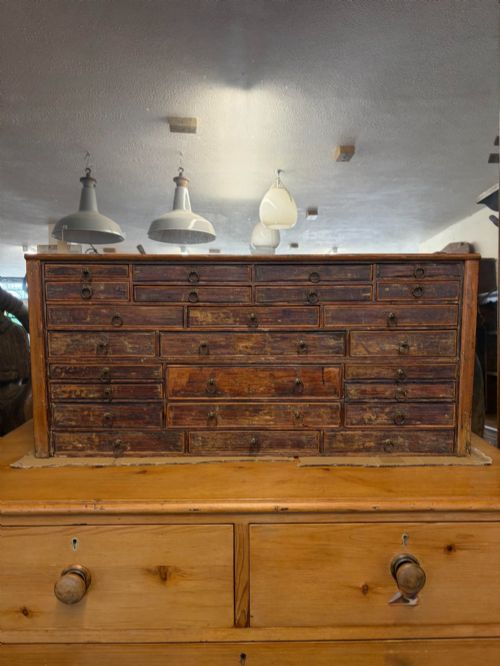
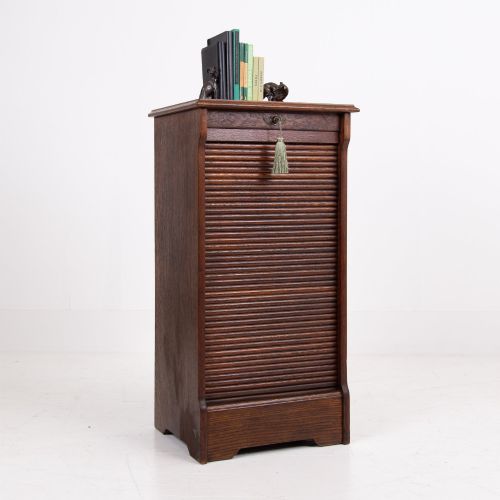
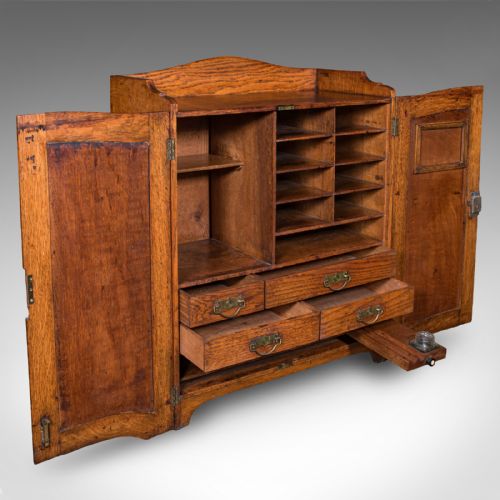
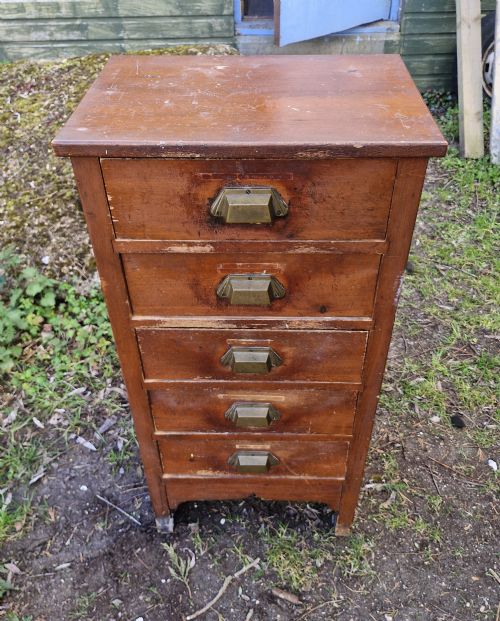


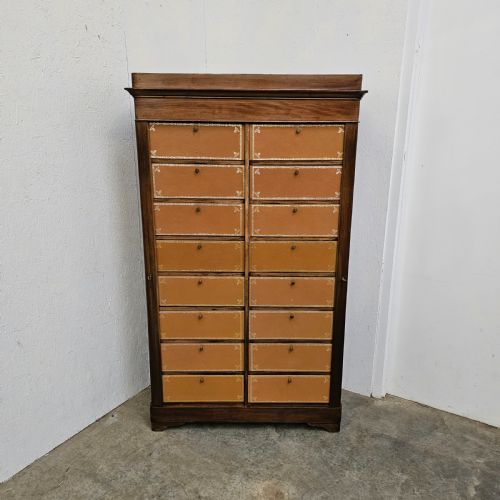
Antique Document Cupboard
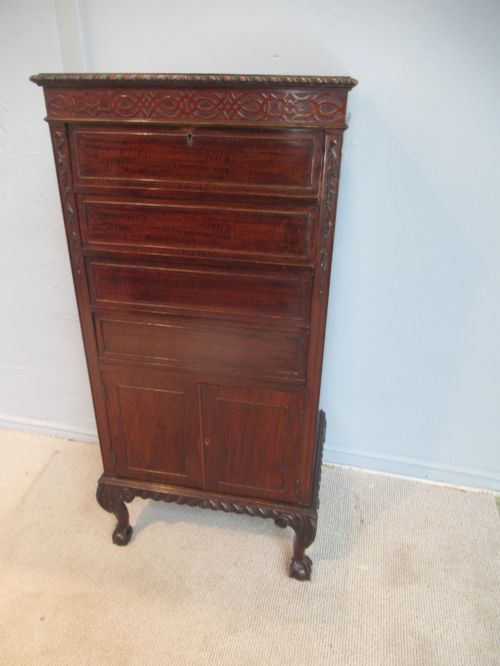
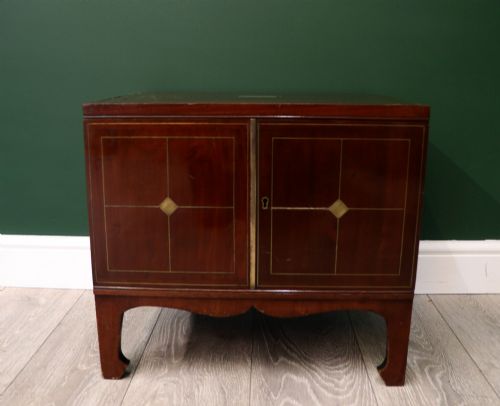
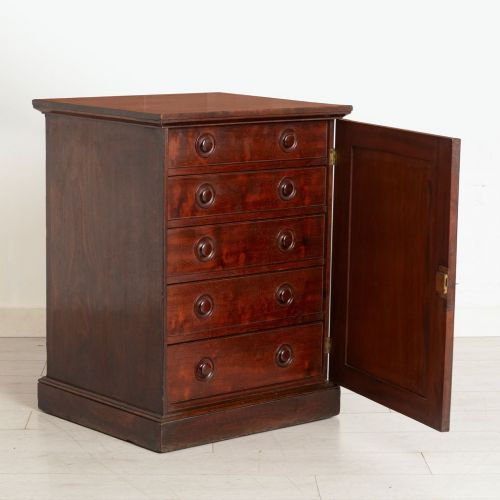
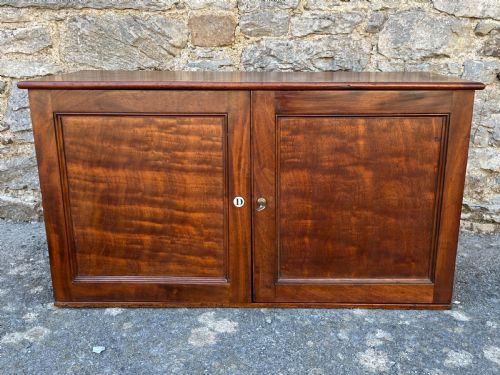
An antique document cupboard organises papers with period craft, ranging from mahogany office filing drawers to oak clerk's cabinets.
Antique Document Cupboard
An antique document cupboard encompasses storage pieces built for letters, files and office papers. These range from Victorian military filing cabinets to Edwardian office pieces and Georgian estate cabinets.
Buyers meet varied forms on this page, including tambour door cabinets, modular filing drawers and campaign collectors' chests. Mahogany and oak dominate the selection across the nineteenth and early twentieth centuries.
Specialised storage functions define these items, from music cabinets to banker's drawers and letter files. Each piece reflects the administrative needs of past centuries through dedicated timber joinery.
Materials and construction
Solid mahogany and oak provide the structural framework for the majority of these pieces. Cabinet makers utilised these durable timbers alongside pine, satinwood and walnut.
Metal hardware such as brass handles, campaign inlays and steel safes reinforce the wooden frames. Leather inserts and gilded lettering frequently accent document archives and cartonnières.
The listings show document storage spanning the eighteenth, nineteenth and early twentieth centuries, constructed in mahogany, oak, pine, walnut and steel.
What separates examples
Timber selection and interior arrangement dictate the standing of a piece. Fine grain mahogany, fitted interior drawers and original brass hardware elevate certain cabinets above standard utility versions.
Maker attribution and patent mechanisms introduce distinction. Marked pieces from notable workshops carry added weight compared to anonymous office furniture.
Gillows·Luxmore's of Ilfracombe·Houghton & Gunn
The Antique Document Cupboard Glossary
- Tambour door
- A flexible sliding shutter formed of narrow vertical wooden strips attached to canvas. This mechanism allows access to internal filing shelves without swinging doors.
- Campaign style
- Portable furniture constructed for travel, fitted with recessed brass handles and reinforced corners. These pieces separate or fold for transport.
- Cartonnière
- A desktop cabinet containing a series of vertical leather-covered boxes or drawers for sorting papers. French examples frequently combine walnut and leather.
- Banker's drawers
- Multiple stacked small drawers designed for sorting correspondence and documents. These assemblies often sit atop pedestals or incorporate secure cupboards.
Antique Document Cupboard: Frequently Asked Questions
What is an antique document cupboard?
An antique document cupboard is a piece of furniture built to store letters, files and papers. These range from office filing drawers to estate cabinets.
They reflect the administrative storage needs of the nineteenth and early twentieth centuries in wood and metal.
How were document cupboards used?
These cabinets served in offices, libraries and country estates to sort correspondence and records. Solicitors, clerks and gamekeepers utilised them for daily organisation.
Specialised versions also held music sheets, maps or scientific specimens.
Where do these cabinets originate?
The pieces originate primarily from British workshops, alongside continental European examples. Makers utilised regional timbers such as British oak and imported mahogany.
Some items reflect specific commercial or military requirements from the Victorian and Edwardian eras.
How do I date a document cupboard?
Dating relies on stylistic clues, materials and mechanical patents. Victorian and Edwardian pieces show characteristic handles, locking mechanisms and timber finishes.
Georgian and Regency examples display earlier carcass construction and cabinet proportions.