

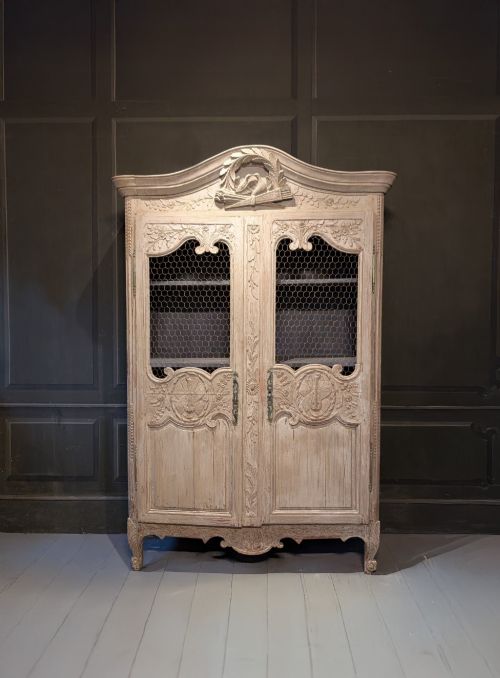
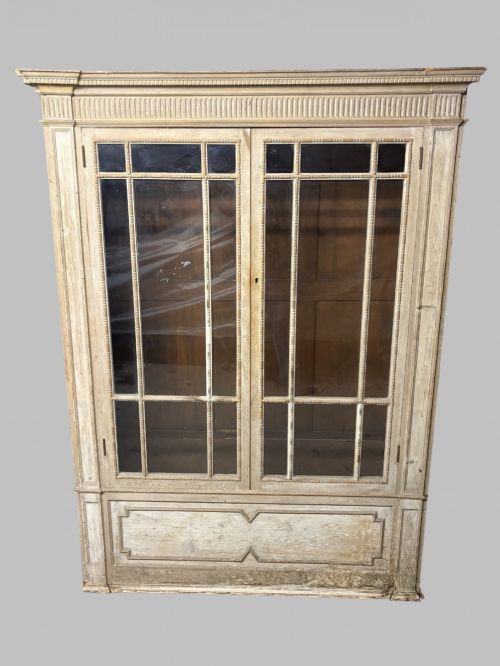
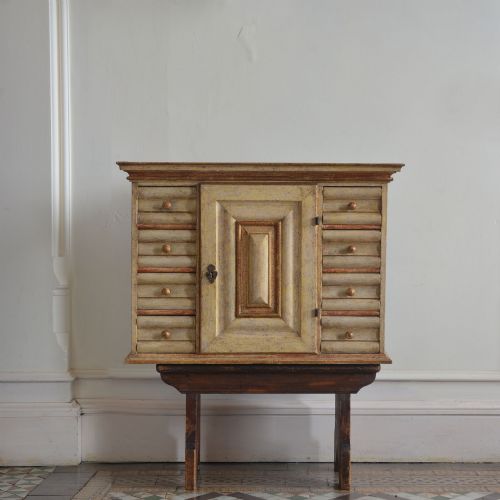
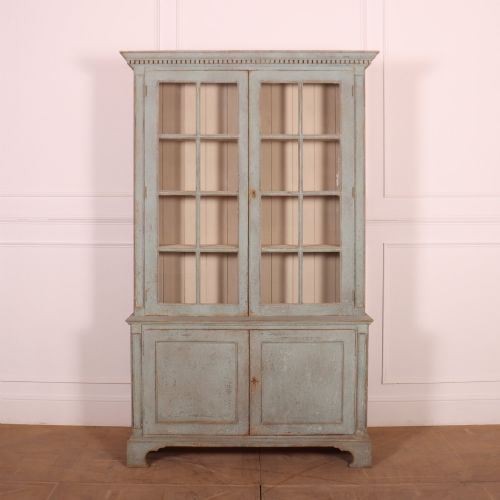
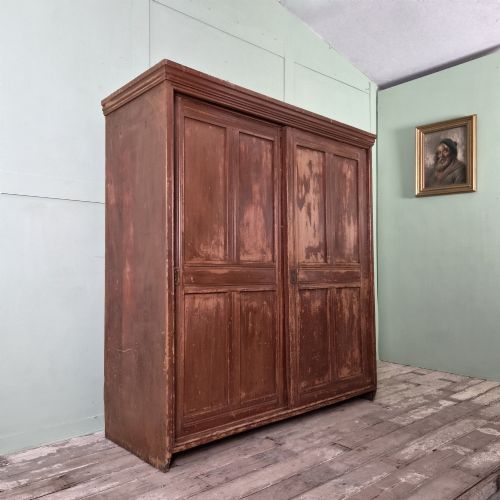

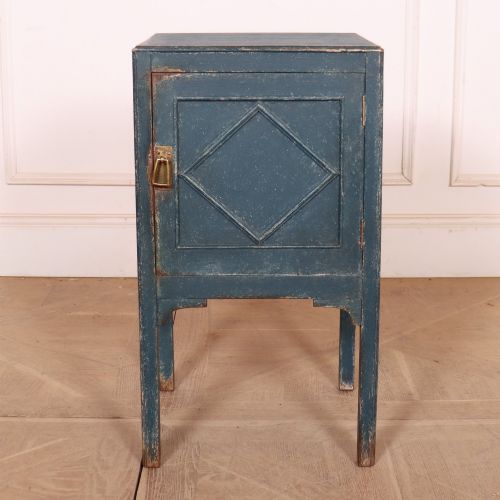
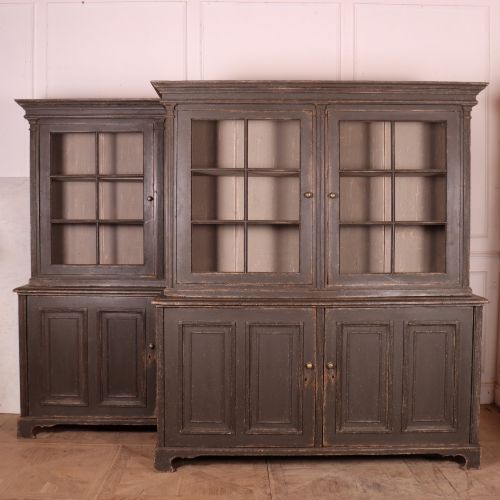
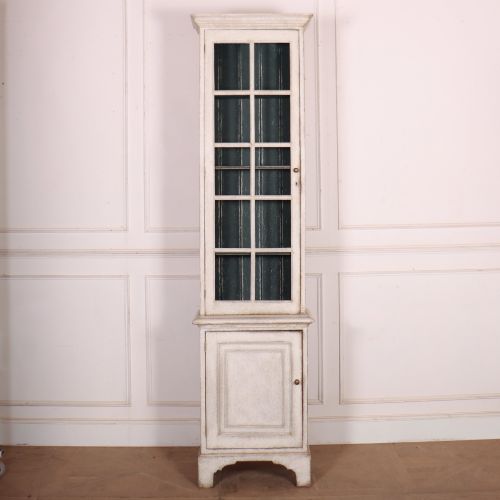

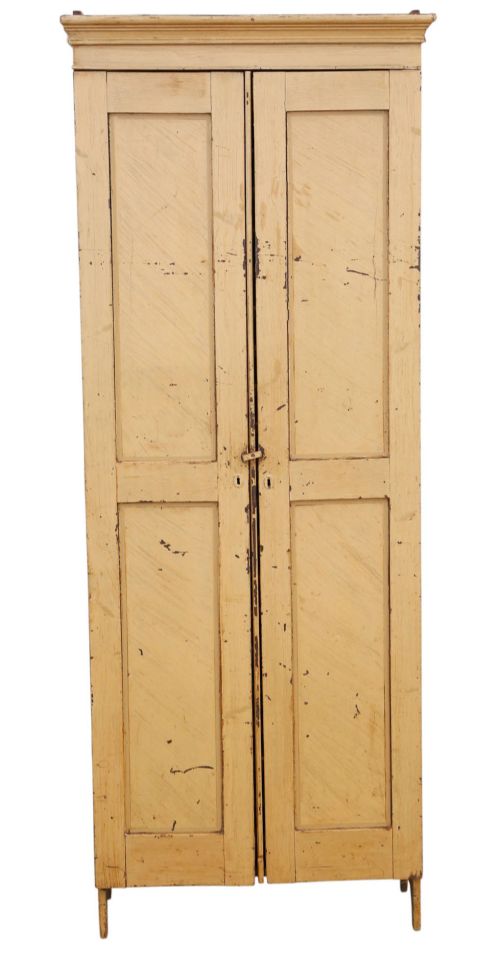
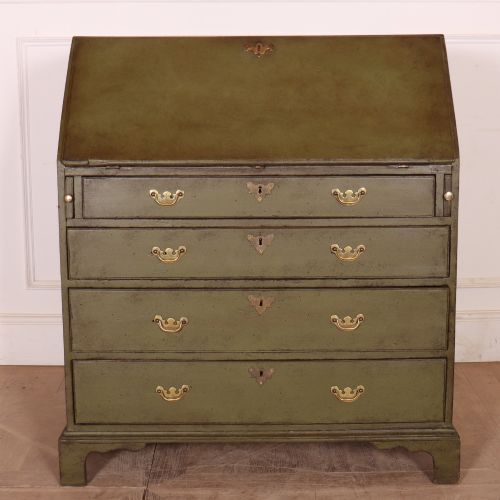
Antique Distressed Cabinet
An antique distressed cabinet brings surface character and storied depth into a room, offering practical storage wrapped in the patina of past decades.
Antique Distressed Cabinet
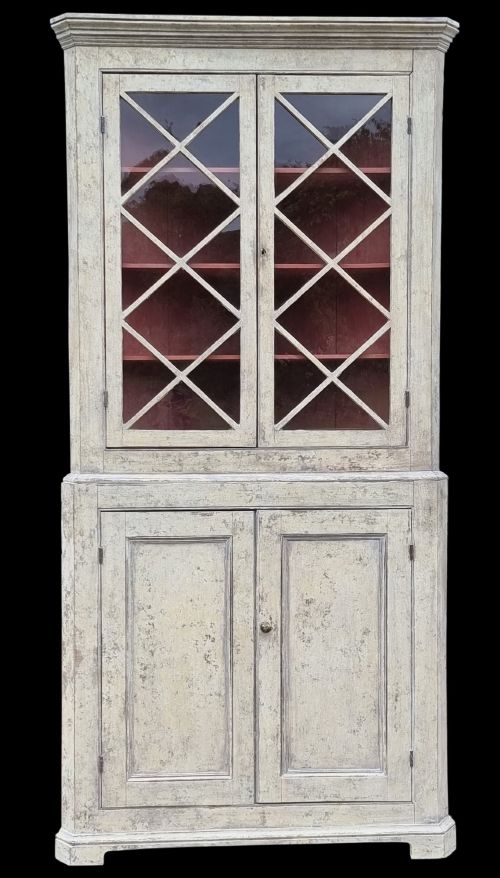
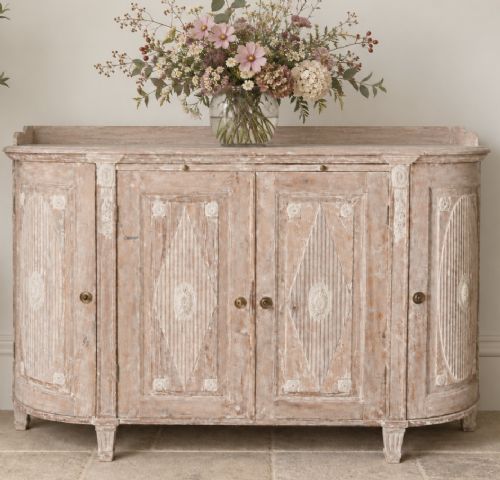
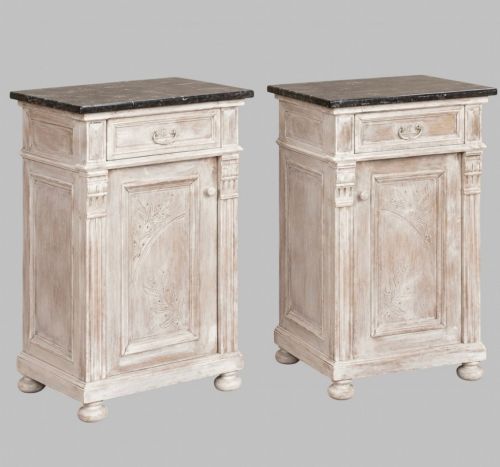
When you search for an antique distressed cabinet, you encounter a wide array of storage forms shaped by regional traditions and domestic needs. These pieces include tall kitchen housekeeper's cupboards, bedside tables, shop counters, and linen presses originating from various European and international workshops.
The most common versions met on this page are pine and painted wood pieces stemming from the eighteenth and nineteenth centuries. Country styles such as French Provincial, Scandinavian Country, and Gustavian dominate the selection, bringing weathered charm to modern interiors.
How they were made
Cabinet makers relied predominantly on solid pine, teak, cedar, and mahogany, constructing carcasses with traditional joinery suited to heavy daily use. Surfaces were frequently treated with layers of paint, creating the characteristic worn finishes seen on regional pieces today.
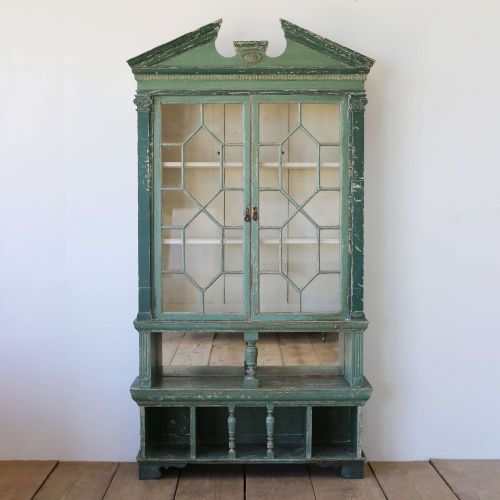
Iron and brass hardware, including hinges, drop handles, and key escutchein plates, were fitted to secure doors and drawers. Glass panels were integrated into vitrines and display cabinets, while steel appeared on utilitarian storage cupboards.
Antique Distressed Cabinet Retail Price Guide 2026
Typical asking prices for distressed cabinet among the pieces listed under this phrase on Sellingantiques today, from the lower quarter to the upper quarter. They describe what is for sale here now, not the wider market.
What varies in quality
The integrity of the original surface finish largely dictates the character of the piece, distinguishing untouched historic paint layers from later cosmetic interventions. Authenticity of age shows in the natural softening of timber edges and the harmonious wear across frequently touched zones.
Construction standards differ between vernacular country workshop items and formal urban commissions, visible in the thickness of backboards, dovetail precision, and the weight of internal shelving. The survival of original iron or brass fittings further separates utilitarian storage from finer decorative examples.
The Antique Distressed Cabinet Glossary
- Confiturier
- A small French cupboard originally designed for storing confits and jams in domestic kitchens. These low cabinets typically feature a single door and drawer beneath a flat top.
- Enfilade
- A long sideboard or cabinet featuring a continuous row of cupboards or drawers along the front facade. This form developed in formal European interiors for serving and linen storage.
- Vitrine
- A glass-fronted cabinet or bookcase designed for displaying ceramics, books, or curiosities. The glazed doors protect contents while allowing full visibility from the room.
- Polychrome
- Painted or decorated in multiple colours, often found on decorative Italian and continental storage pieces. This decorative treatment adds visual richness to the timber substrate.
- Bowfronted
- A convex curved cabinet front that projects outward in a smooth arc. This refined shaping appears on eighteenth and nineteenth century storage chests and cupboards.
Antique Distressed Cabinet: Frequently Asked Questions
What is a confiturier cabinet?
A confiturier is a compact French storage cabinet originally built to hold jars of preserves in provincial homes. Their modest scale makes them adaptable as bedside tables or small side units in modern spaces.
Most examples date from the nineteenth century and are constructed from pine with painted or waxed finishes that show decades of gentle use.
How do I care for original painted surfaces?
Original historic paint requires minimal intervention to preserve its stability and appearance over time. Dusting with a dry, soft cloth prevents particle buildup without risking the integrity of fragile layers.
Avoid liquid cleaning products, modern waxes, or silicone polishes, as these can react with aged historic paint and alter its matte texture permanently.
Where were housekeeper's cupboards used?
Housekeeper's cupboards served as primary storage for linens, dry goods, and domestic supplies in large country houses. They were traditionally kept in utility spaces or large kitchens where daily household management took place.
These large tall pieces offer deep shelving and generous lower drawer capacity, making them suitable for contemporary dining rooms or hallways.
What defines Gustavian style furniture?
Gustavian style emerged in late eighteenth century Sweden under the influence of King Gustav III, blending French neoclassical elegance with Scandinavian restraint. Pieces from this tradition often feature carved fluting and pale painted finishes.
Cabinets and linen cupboards from this period prioritize clean lines and subtle proportions, fitting well into neutral or minimalist interior schemes.