



Antique Display Tea Table
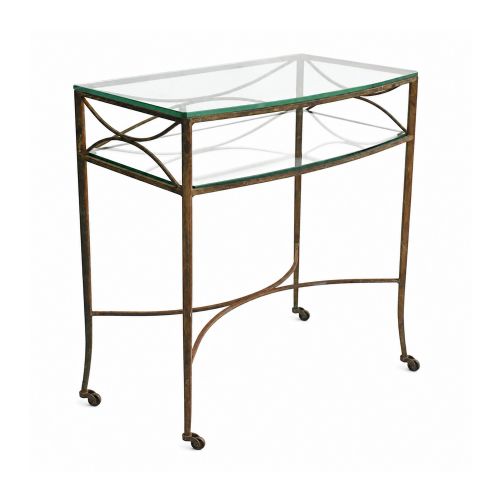
An antique display tea table brings hospitality and display together, offering a surface for service alongside a glazed case for treasured objects.
Antique Display Tea Table
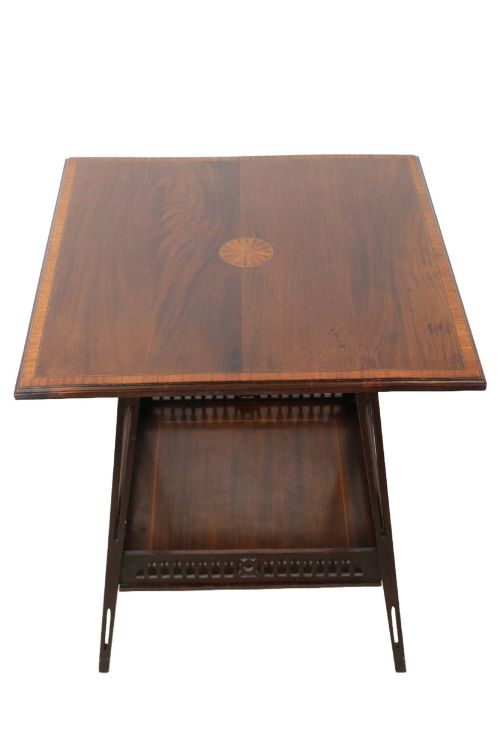
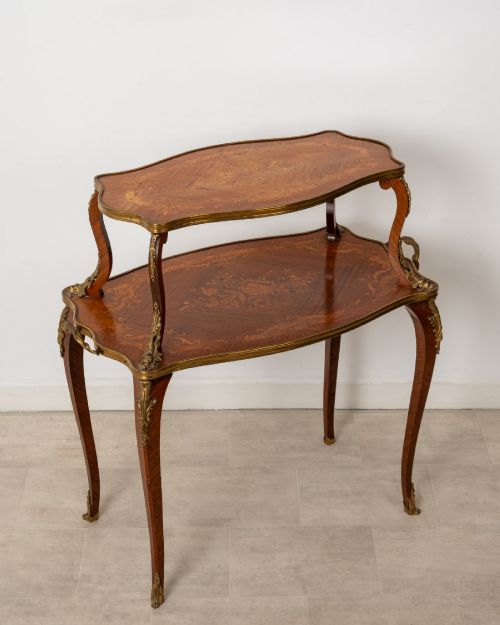
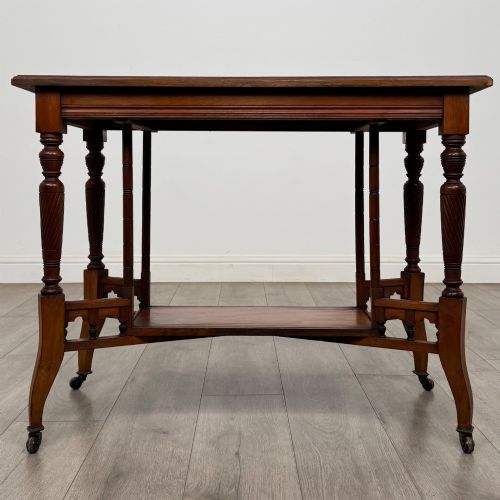
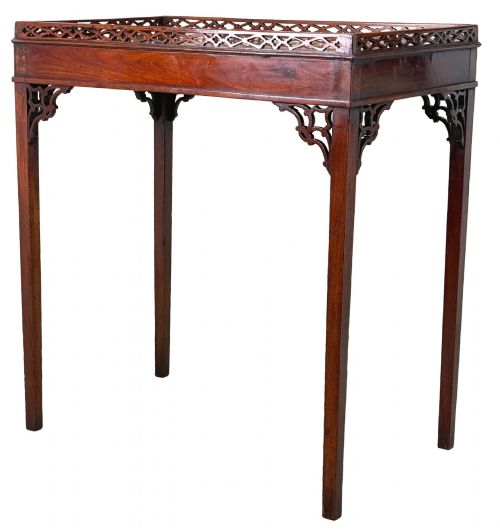
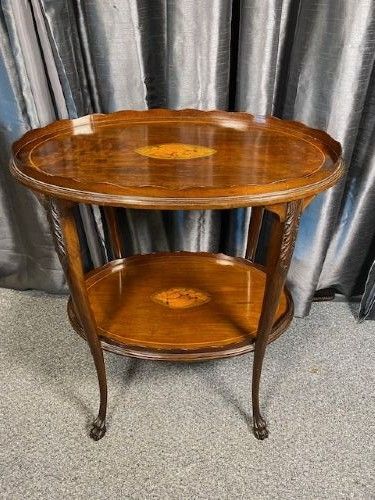
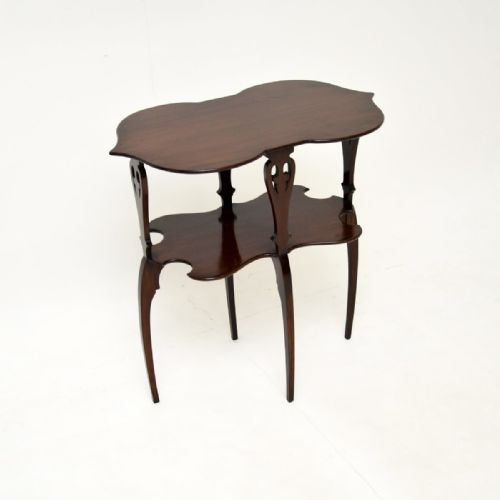
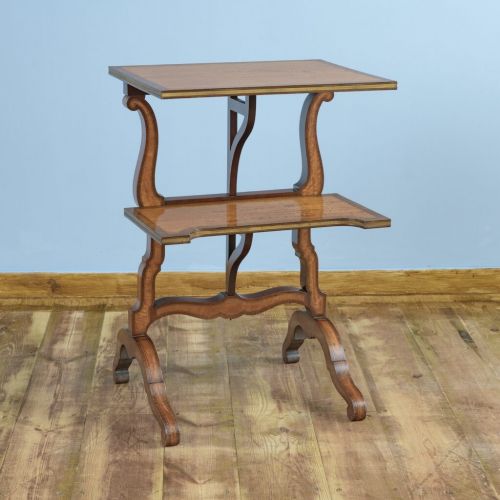
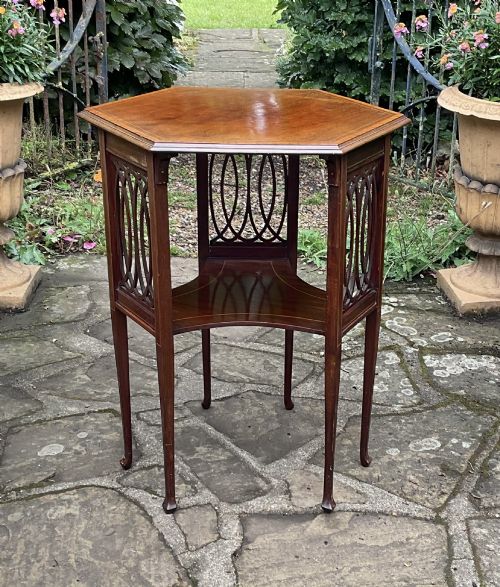
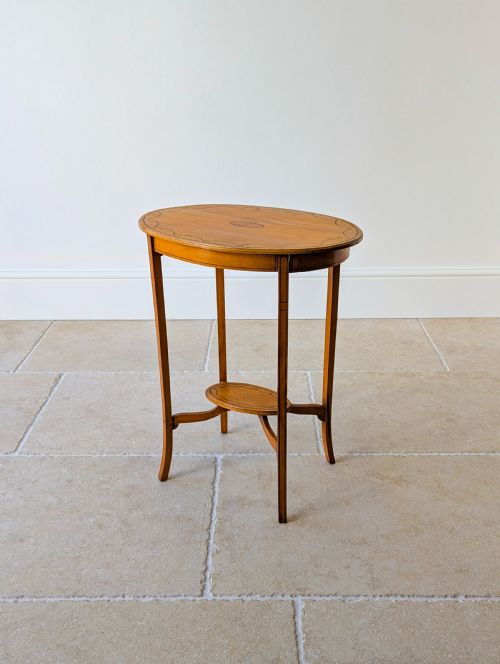
The versions most frequently encountered on this page belong to the Edwardian period and the late nineteenth century, appearing primarily in forms such as occasional tables, two-tier etagères, and glazed display cabinets. Mahogany, satinwood, and walnut dominate the construction, often enhanced with delicate boxwood inlay or marquetry.
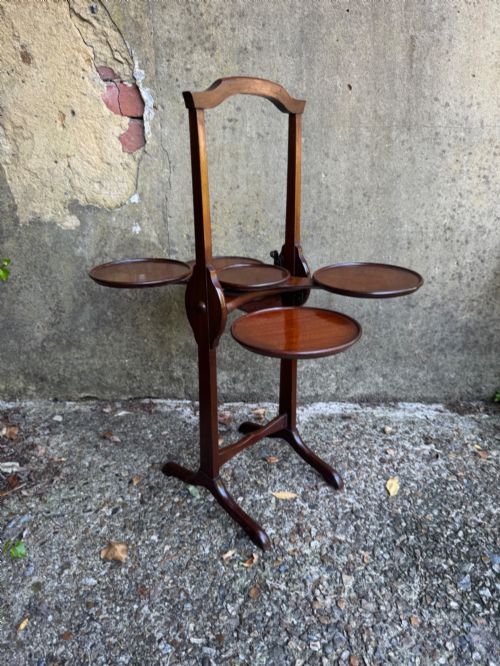
Makers and workshops of the nineteenth and early twentieth centuries adapted these tables to changing domestic habits, producing folding tea tables, tray tables, and occasional stands with glass tops specifically designed to exhibit silver, ceramics, and curiosities.
Materials and Technique
Cabinetmakers constructed these tables using solid timbers like mahogany, walnut, and rosewood for structural integrity, frequently applying figured veneers such as satinwood and kingwood to display surfaces. Crossbanding and intricate boxwood stringing frame the panels, reflecting the prevailing Sheraton Revival and French influence.
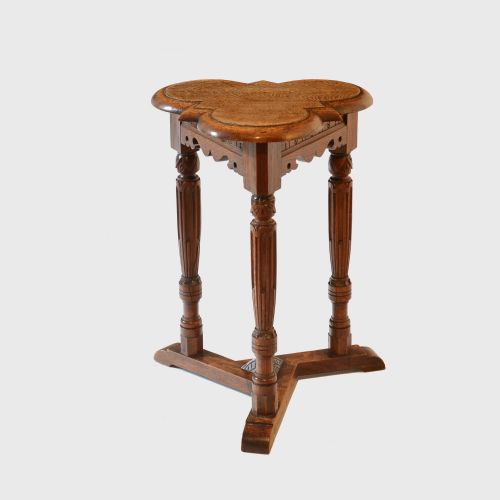
Glass panels fitted into hinged or lift-off trays transform standard occasional and side tables into secure display vitrines, secured with brass hinges, locks, and handles. Inlaid marquetry decoration and hand-painted motifs add surface pattern, while turnings and tripod supports ground the lighter display sections.
Materials recorded across current pieces include mahogany, satinwood, walnut, rosewood, brass, glass, and boxwood inlay.
Evaluating Construction and Design
Quality rests upon the crispness of the cabinetwork, the selection of timber veneers, and the integration of the display element into the primary table structure. Finer pieces demonstrate precise inlay, well-figured timber matching, and robust glass settings that open smoothly without binding.
Lesser examples rely on simple painted decoration or applied transfers rather than genuine marquetry and stringing, employing thinner secondary timbers that lack the weight and stability of better workshops.
Trevor Page & Co·Maison Giroux·Edwards & Roberts·Bertram & Son·Jennens & Bettridge
The Antique Display Tea Table Glossary
- Étagère
- A set of open shelves or tiers used for displaying small objects or ornaments. These freestanding or corner units became particularly popular during the late nineteenth century.
- Marquetry
- Decorative veneer work formed by fitting together small pieces of wood, shell, or ivory to create pictorial or geometric patterns on a surface.
- Tripod Table
- A small occasional table supported by a pillar above three spreading legs. This form gained widespread favour during the eighteenth century.
- Crossbanding
- A border of veneer laid around the edge of a panel with the wood grain running perpendicular to the central panel. This technique frames the top surface of many tables.
- Drop Leaf
- A hinged table flap that can be raised to extend the surface area or dropped down when space is required. These are common on tea tables and serving stands.
Antique Display Tea Table: Frequently Asked Questions
What is an antique display tea table?
These pieces combine a traditional table surface used for serving tea with an integrated glazed compartment or display tray built into the top.
Cabinetmakers designed them to serve dual purposes in the nineteenth and early twentieth-century drawing room, functioning as hospitality furniture and vitrines for small collections.
How were display tea tables used?
Victorian and Edwardian hosts used the main surface to pour tea or display silver service items while keeping delicate curiosities secure beneath glass.
The enclosed compartments protected fragile porcelain, fans, and medals from dust while allowing guests to inspect them during social calls.
Where should I place one at home?
An antique display tea table sits comfortably beside a sofa or beneath a window where natural light can illuminate the glazed display compartment.
Their compact proportions make them suitable as occasional tables in living spaces or reception rooms without dominating the floor area.
How do I care for the wood and glass?
Maintain the timber surfaces with traditional beeswax, applying it sparingly and buffing gently with a soft cloth to preserve the sheen of the polish.
Keep glass panels clean using standard glass cleaner applied to a cloth rather than sprayed directly, preventing moisture from seeping into the surrounding wooden frame.