




Antique Display Charger
An antique display charger is a large decorative ceramic or metal plate intended for visual impact rather than dining, combining artistry and history on a grand scale.
Antique Display Charger
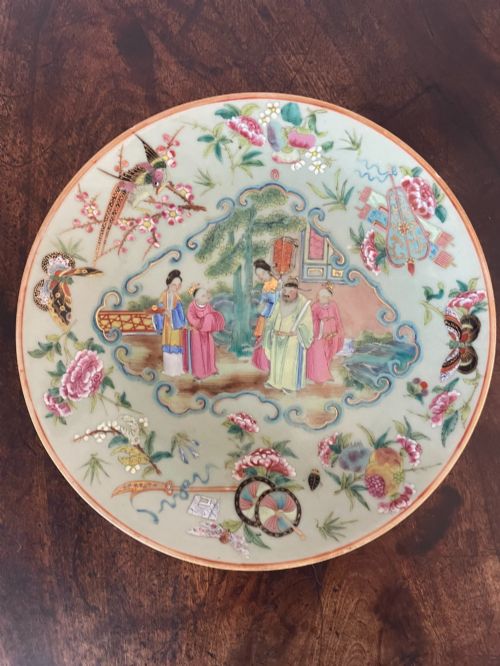
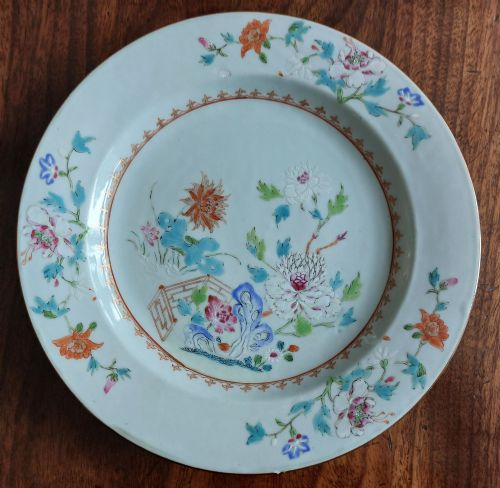
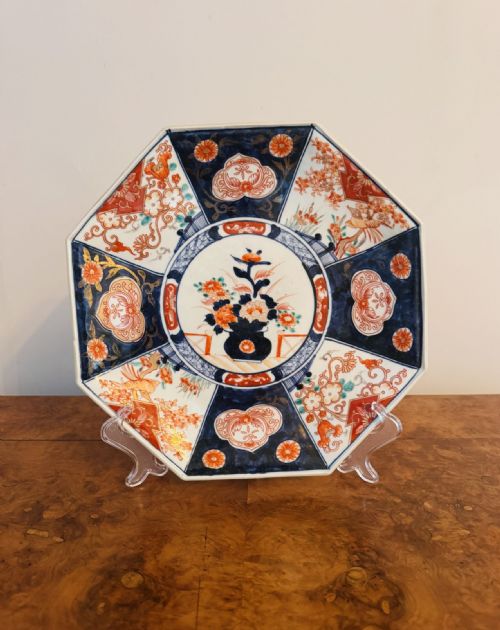
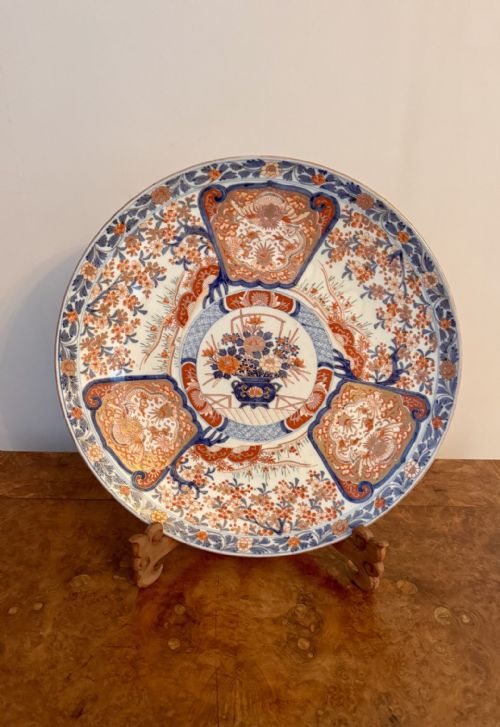
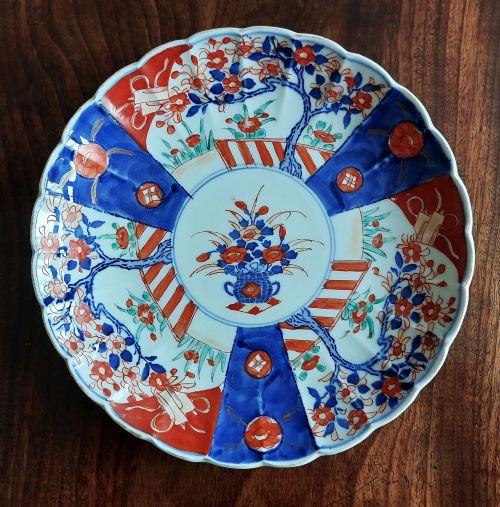
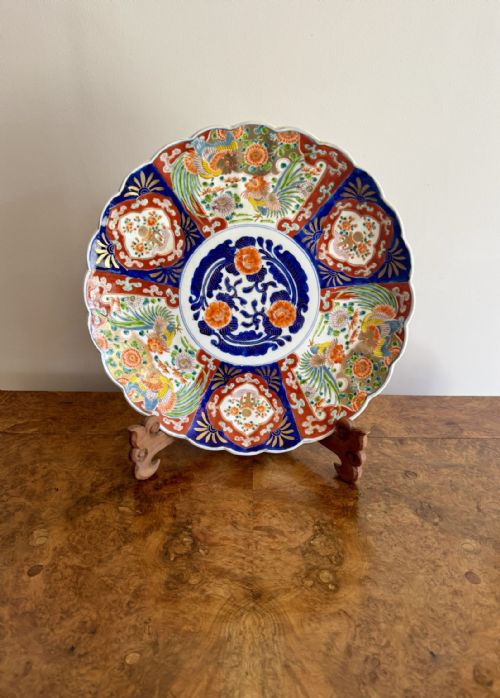
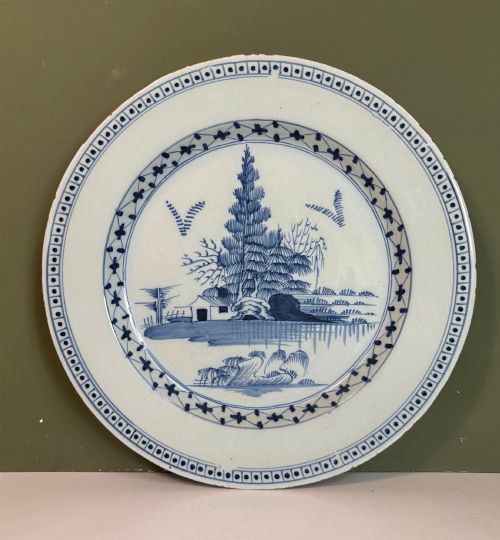
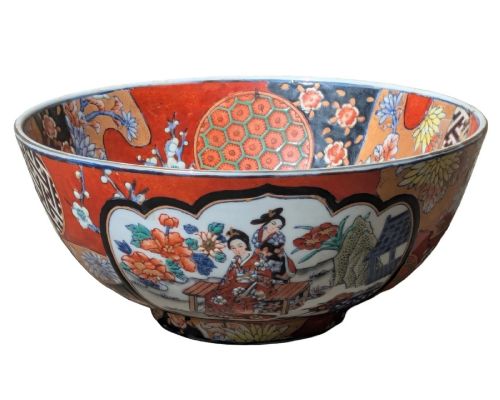
The search for an antique display charger brings up substantial decorative plates designed primarily for sideboard or wall display rather than table service. These pieces span several centuries, with Japanese Imari pieces from the Meiji period and 18th-century Delftware appearing frequently in the selection.
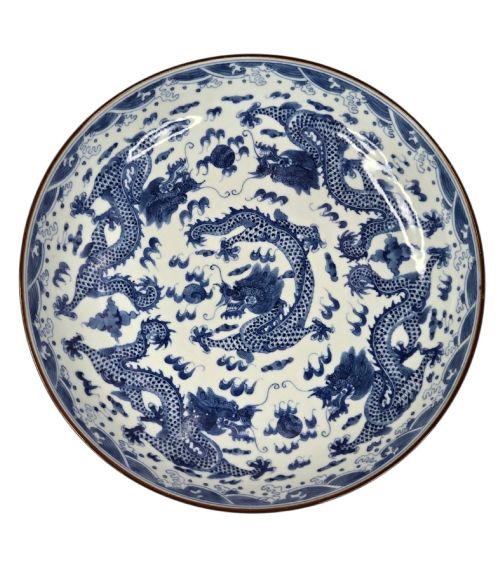
Makers and potteries from England, China, Japan, and continental Europe contributed significant examples to this category. Forms range from heavy tin-glazed earthenware dishes to intricate porcelain chargers painted with dragons, floral motifs, and historical figures.
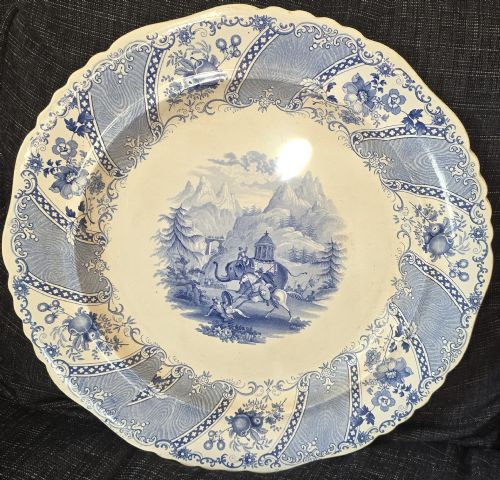
Buyers encounter objects originating from diverse cultural traditions, including Chinese export porcelain, Dutch baroque faience, and English transferware. Each region imparted distinct aesthetic priorities onto the basic platter form.
Materials and Techniques
Potters utilised porcelain, earthenware, and tin glaze to form the structural bodies of these large plates. Artisans applied cobalt blue, enamel, and gold leaf pigments directly onto the prepared clay surfaces before or after initial firing.
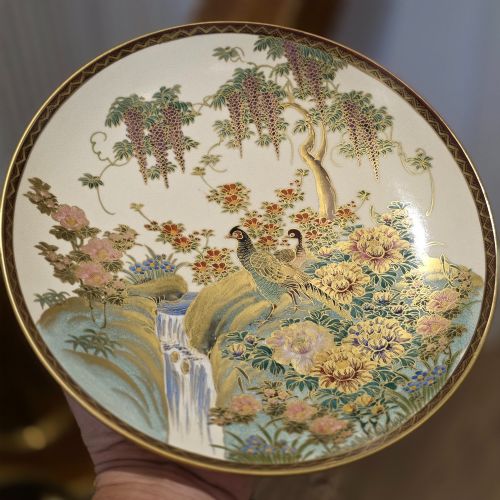
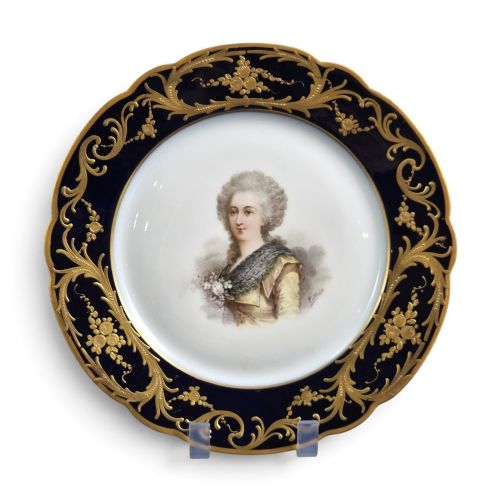
Transfer printing, hand-painting, and repoussé metalwork represent the primary decorative techniques recorded in the evidence. Specialist painters signed cabinet plates with detailed botanical and portrait studies, while earthenware pieces received opaque tin glazes to mimic expensive oriental porcelain.
Materials span Porcelain, Tin Glaze, Gold Leaf, and Earthenware across multiple styles.
Distinguishing Quality
The sophistication of the painted or transferred design dictates the visual success of the piece, separating standard production wares from masterworks. Crisp detail in polychrome enamels and precise control of cobalt blue underglazes demonstrate superior workshop standards.
The scale and weight of the ceramic body affect durability and presence, with exceptionally large chargers requiring advanced kiln management to prevent warping. Preserved surface integrity, including minimal wear to gilding and enamel highlights, elevates the standing of individual examples.
William Smith And Co·Royal Crown Derby·Royal Worcester
The Antique Display Charger Glossary
- Charger
- A large ornamental plate typically exceeding standard dining dimensions, utilised historically for formal presentation or wall hanging.
- Imari
- A style of Japanese porcelain originating from Arita, characterised by a palette of underglaze blue, iron red, and gilt highlights.
- Delftware
- Tin-glazed earthenware produced in England and the Netherlands, featuring opaque white surfaces painted with blue or polychrome motifs.
- Cabinet Plate
- A smaller decorative porcelain plate intended for display within a cabinet rather than functional household use.
- Transferware
- Pottery decorated by applying a printed design from an engraved copper plate onto the ceramic body via paper tissue.
Antique Display Charger: Frequently Asked Questions
How were display chargers used?
Historical households utilised large chargers to ornament sideboards, cupboards, and dining tables during important feasts.
Servants placed these substantial dishes in prominent positions to display wealth and artistic taste to visiting guests.
Where should I hang a charger?
Sturdy wall-mounted bracket fixtures designed specifically for heavy ceramics provide secure support for displaying large antique plates.
Placement should avoid direct sunlight to protect delicate enamels and gold leaf decorations from fading over time.
How do I identify Delftware?
Delftware pieces feature a porous earthenware body covered in a white tin glaze that often reveals minor chipping at the rims.
Decoration typically employs cobalt blue pigments depicting floral arrangements, landscapes, or Chinese-inspired motifs.
What defines Japanese Meiji ceramics?
Meiji period ceramics reflect the artistic output of Japan between eighteen sixty-eight and nineteen twelve, driven by international export markets.
These objects frequently combine dense Imari palettes with intricate scalloped edges and detailed botanical painting.